
Intégration Creator Hero avec Influencer Hero : Transformez les partenariats d'influenceurs en ventes de magasin traçables

February 13, 2026
|
Published

July 30, 2026
|
Updated

13 Min
|
Reading

Influencer Performance Marketing Course | VOUCHER: IMC100

Malena Garcia
| Author

Table of Contents
- Intégration Creator Hern avec Influencer Hero
- Pourquoi Creator Hero est Important
- Qu'est-ce que l'intégration IH + Creator Hero ?
- Ce que l'Intégration Creator Hero Vous Permet de Faire
- Pourquoi Cette Intégration est-elle Utile ?
- Comment Configurer Creator Hero dans Influencer Hero
- Réflexions Finales
- FAQ
Drive ROI With Influencers

Global Influencer Database
ALL-IN-ONE platform
CRM, Affiliate, UGC & More
Intégration de Creator Hero avec Influencer Hero : Transformez les Partenariats d'Influenceurs en Ventes de Storefront Traçables
L'intégration d'Influencer Hero avec Creator Hero connecte le catalogue de produits de votre marque directement aux storefronts des créateurs, permettant aux influenceurs de promouvoir et vendre vos produits sans configuration supplémentaire de votre côté.
Au lieu de gérer les liens, les feuilles de calcul ou les configurations d'affiliation ponctuelles, vos produits sont automatiquement disponibles pour les créateurs dans Creator Hero, tandis que toutes les données de performance restent connectées à vos flux de travail d'influenceurs dans Influencer Hero.
Ce guide vous montre exactement comment fonctionne l'intégration d'Influencer Hero et Creator Hero, ce qu'elle vous aide à automatiser, et comment les marques l'utilisent dans des campagnes réelles.
Pourquoi Creator Hero est Important pour Votre Programme d'Influenceurs
Creator Hero se situe au point où les recommandations des créateurs se transforment en achats réels. C'est une couche de commerce conçue spécifiquement pour les créateurs, où les produits sont organisés, partagés et vendus via des storefronts appartenant aux créateurs. Creator Hero donne également accès aux créateurs à plus de 55 000 marques mondiales, leur permettant de construire des partenariats, de gérer des collaborations d'affiliation et de suivre les commissions à partir d'une plateforme centralisée.
Lorsque l'activité des influenceurs est liée à une plateforme de commerce de créateurs comme Creator Hero, les marques obtiennent une meilleure visibilité sur ce qui génère réellement des revenus. Au lieu de vous fier uniquement aux publications ou aux codes promotionnels, vous pouvez évaluer le ROI des influenceurs en fonction de la performance du storefront, des ventes suivies et du comportement d'achat réel — tout connecté à l'activité commerciale du créateur.
- Où se fait le shopping dirigé par les créateurs : Creator Hero est conçu autour du modèle de vente basé sur le storefront, un modèle de plus en plus utilisé par les créateurs pour recommander des produits en un seul endroit. Cela concentre la demande générée par les influenceurs dans un environnement unique et mesurable au lieu de liens éparpillés.
- Plus proche des données d'achat, et non seulement des métriques de portée : Les storefronts capturent l'activité en aval comme les clics sur les produits et les ventes, aidant les marques à évaluer la performance au-delà des impressions ou de l'engagement. Cela donne aux programmes d'influenceurs une attribution de revenus plus fiable.
- Conçu pour l'échelle à travers de nombreux créateurs : Le commerce basé sur le storefront permet au même catalogue de produits d'être promu par de nombreux créateurs à la fois, sans configuration personnalisée par influenceur. Cela rend plus facile pour les marques DTC en croissance d'étendre les programmes sans perdre la cohérence des données.
Qu'est-ce que l'Intégration Influencer Hero + Creator Hero ?
L'intégration Influencer Hero + Creator Hero connecte vos campagnes d'influenceurs avec la performance du storefront du créateur en un seul endroit. Elle permet aux marques de synchroniser leur catalogue de produits avec les storefronts des créateurs, puis de suivre quels influenceurs génèrent l'engagement et les ventes - sans gérer des systèmes séparés ou des rapports manuels.
Toute l'activité du storefront reste connectée à vos flux de travail d'influenceurs dans Influencer Hero, ce qui facilite l'évaluation de la performance et l'identification des meilleurs partenaires.
Idéal pour : L'ecommerce et les marques qui souhaitent connecter l'activité des influenceurs à la performance réelle du storefront, afin qu'elles puissent miser davantage sur les créateurs qui génèrent réellement des ventes.
Ce que l'Intégration Creator Hero Vous Permet de Faire (Capacités Clés)
L'intégration Creator Hero d'Influencer Hero connecte les campagnes d'influenceurs, les créateurs et les produits entre les deux plateformes. Elle relie votre catalogue de produits et l'activité du storefront du créateur aux enregistrements des influenceurs dans Influencer Hero. Les données de produits et de storefronts se déplacent entre les deux outils.
1) Gérer le Catalogue de Produits dans Creator Hero
Vous pouvez contrôler quels produits les créateurs peuvent présenter dans leurs storefronts.
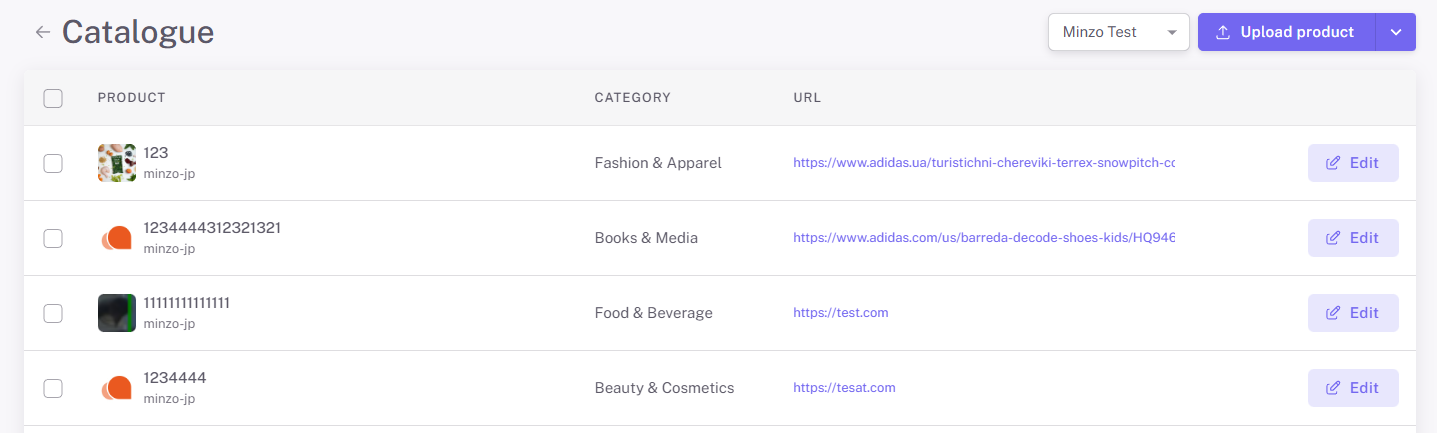
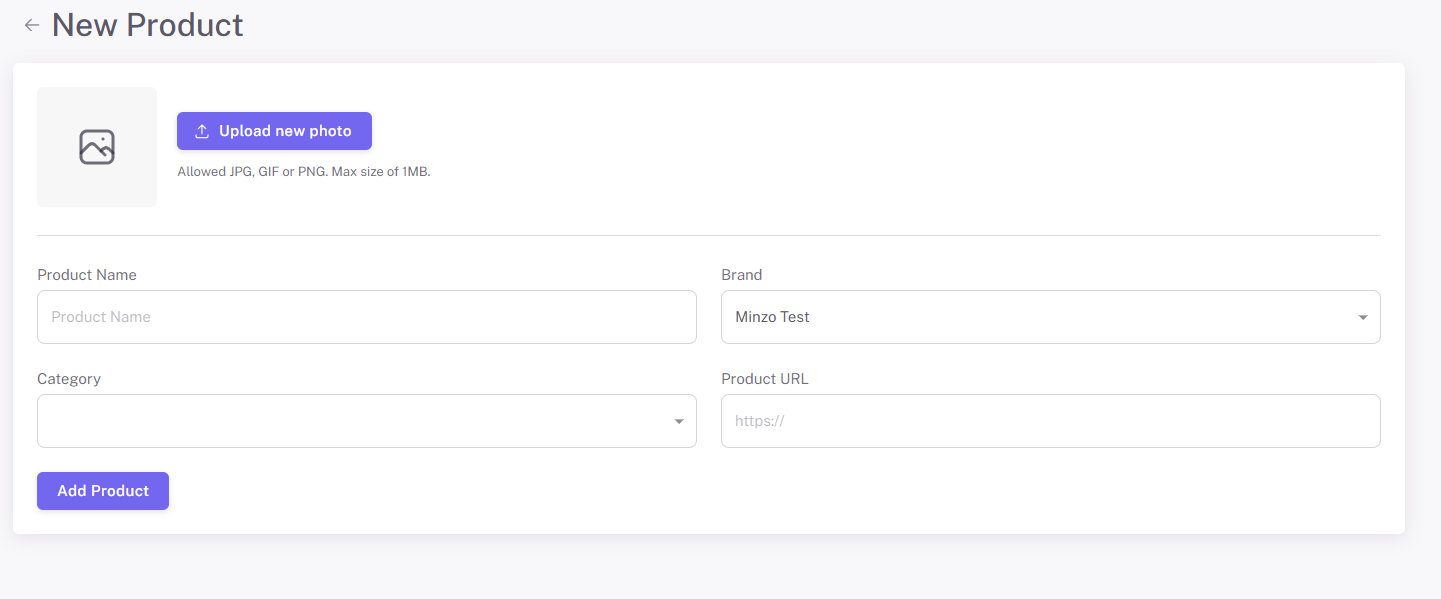
- Ajoutez des produits individuels dans le catalogue de votre storefront Influencer Hero avec image, nom, catégorie et URL
- Télécharger plusieurs produits à la fois à l'aide d'un modèle CSV en masse
- Mettre à jour ou supprimer des produits directement dans Influencer Hero
2) Suivre les données de performance du magasin
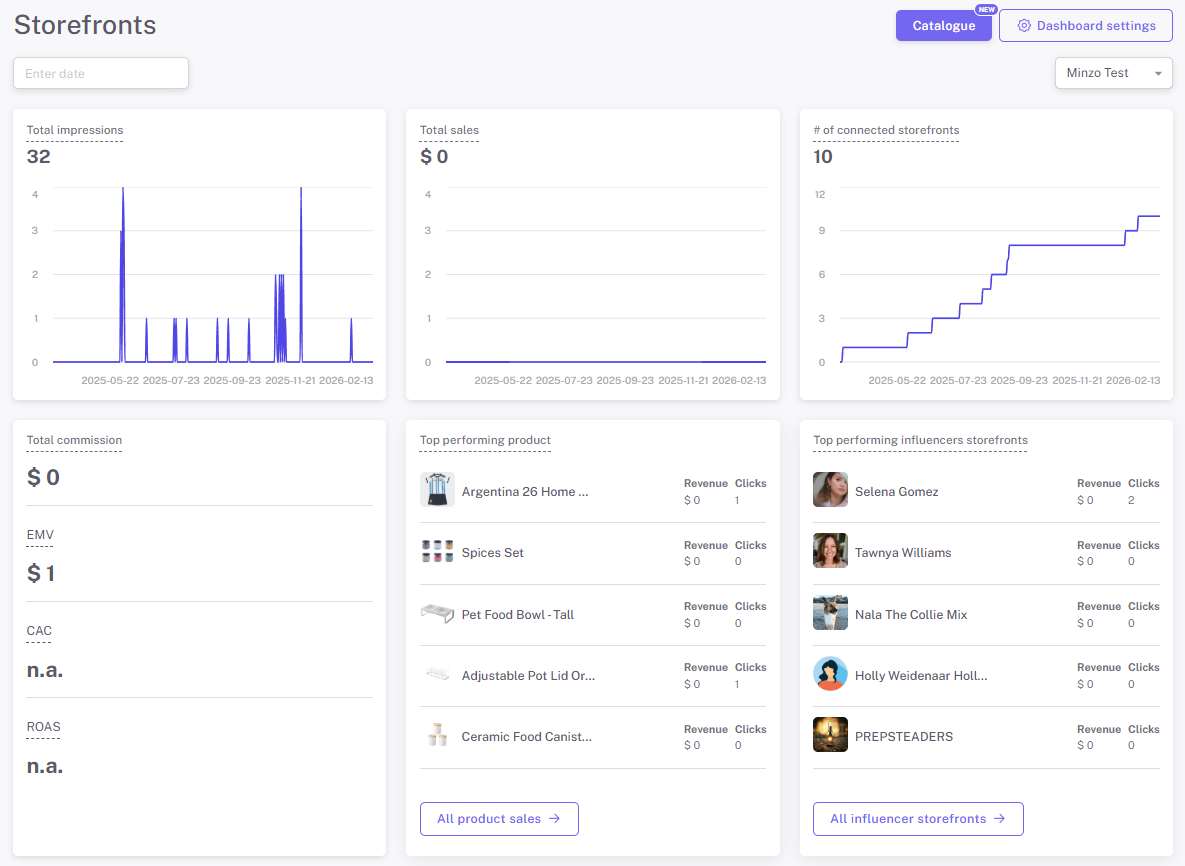
Vous pouvez voir comment les magasins des créateurs performent pour vos produits.
- Afficher les données de performance au niveau du magasin de Creator Hero dans votre tableau de bord de campagne Influencer Hero
- Voir quels créateurs proposent vos produits
- Surveiller l'activité au niveau des produits liée aux magasins des créateurs
3) Identifier les créateurs disposant de magasins actifs
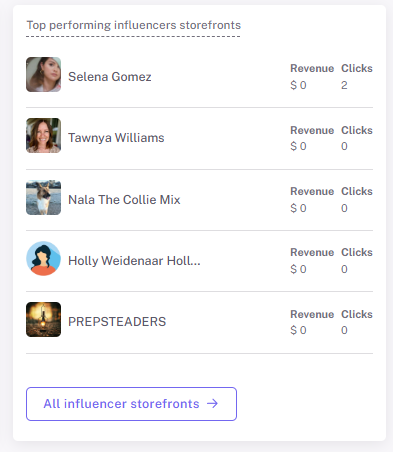
Vous pouvez voir quels créateurs promeuvent activement vos produits.
- Identifier les créateurs qui ont ajouté vos produits à leurs magasins
- Examiner l'activité du magasin liée aux créateurs individuels
- Utiliser les données de performance des créateurs pour guider la sensibilisation dans Influencer Hero
4) Connecter les données du magasin aux dossiers d'influenceurs
Vous pouvez faire référence à l'activité de Creator Hero lors de la gestion des influenceurs.
- Accéder aux informations sur le magasin des créateurs aux côtés des profils d'influenceurs
- Utiliser l'activité du magasin comme contexte lors de la prise de contact avec les créateurs
- Suivre quels créateurs ont été découverts grâce à l'activité du magasin
De plus, les données du magasin Creator Hero peuvent vous aider à identifier les créateurs performants en fonction de l'activité réelle des ventes. Les marques peuvent utiliser ces données de performance pour inviter les créateurs les plus performants dans leur tableau de bord Influencer Hero et les intégrer dans des campagnes structurées, des programmes d'affiliation ou des partenariats à long terme.
Pourquoi cette intégration est-elle utile ?
L'intégration Creator Hero est conçue pour les marchands qui souhaitent des signaux de performance plus clairs du marketing d'influence. Au lieu de traiter l'activité des créateurs comme étant séparée des ventes, cette configuration aide les marques à connecter la promotion, l'intérêt pour les produits et les revenus d'une manière facile à examiner et à agir.
Voici comment cela se manifeste dans les workflows réels des marchands.
Une visibilité claire sur les créateurs qui génèrent réellement la demande de produits
Lorsque vos produits vivent dans les magasins des créateurs, vous pouvez voir quels créateurs les mettent en avant activement et comment ces magasins performent. Cela aide les marchands à aller au-delà des mesures superficielles comme les publications ou la portée, et à se concentrer plutôt sur les créateurs qui génèrent une interaction produit cohérente.
Une source unique de vérité pour l'activité de vente dirigée par les créateurs
Les données du magasin des créateurs restent connectées aux dossiers d'influenceurs dans Influencer Hero, au lieu d'être fragmentées entre les liens, les feuilles de calcul ou les rapports externes. Les marchands peuvent examiner l'activité des créateurs et les performances du magasin aux côtés des données d'influenceurs existantes.
Cela rend plus facile l'examen des campagnes, la comparaison des créateurs et le rapport interne sans réconcilier plusieurs outils.
Identification plus facile des créateurs performants dignes de partenariats plus profonds
Certains créateurs surpassent tranquillement les autres en générant constamment de l'intérêt pour les produits grâce à leurs magasins. Cette intégration rend ces modèles visibles, même si le créateur n'est pas le plus bruyant ou le plus suivi.
Les marchands peuvent utiliser ces données pour identifier les créateurs à ROI élevé qui pourraient être de bons candidats pour des partenariats payants, des sorties de produits ou des collaborations à long terme.
Promotion de produits plus cohérente sur plusieurs créateurs
En synchronisant un catalogue de produits centralisé, les marchands s'assurent que les créateurs promeuvent les bons produits avec des liens et des détails à jour. Cela évite les situations où les créateurs partagent des URL obsolètes, des articles discontinués ou des pages de produits incorrectes.
Pour les équipes gérant des dizaines ou des centaines de créateurs, cela ajoute de la structure sans nécessiter de configuration individuelle par influenceur.
Meilleure alignement entre le marketing d'influence et les rapports de commerce électronique
Les performances de la vitrine ajoutent une couche supplémentaire de contexte lors de l'examen des résultats du commerce électronique. Les marchands peuvent voir comment la demande générée par les influenceurs s'intègre dans les performances produits plus larges, aidant les équipes marketing et commerce électronique à s'aligner sur ce qui fonctionne.
Cela s'avère particulièrement utile lors des examens de campagne, de la planification saisonnière ou lorsque vous décidez quels produits promouvoir par le biais de partenariats avec des créateurs.
Exemples de cas d'usage
Cette intégration s'inscrit naturellement dans les flux de travail quotidiens des influenceurs où les marques ont besoin de signaux plus clairs pour décider avec qui travailler et comment prioriser les efforts. Vous trouverez ci-dessous les cas d'usage pratiques que les équipes DTC et commerce électronique rencontrent couramment lors de la gestion de programmes de créateurs à grande échelle.
1) Prioriser les créateurs pour l'essai produit
Les marques ont souvent du mal à décider quels créateurs méritent de recevoir des produits, surtout lorsqu'elles travaillent avec un grand nombre d'influenceurs. En voyant quels créateurs ajoutent activement vos produits à leurs vitrines, les équipes peuvent identifier les créateurs qui ont déjà montré leur intérêt avant de s'engager dans l'essai produit.
Cela aide les marques à baser les décisions d'essai produit sur l'intention produit observée plutôt que sur le nombre de followers ou la simple sensibilisation manuelle.
2) Identifier les créateurs à transformer en partenaires à long terme
Tous les créateurs qui performent bien ne sont pas immédiatement évidents par les publications ou l'engagement. L'activité de la vitrine révèle les créateurs qui mettent régulièrement en avant vos produits et génèrent des interactions produits au fil du temps.
Les équipes peuvent utiliser ces données dans Influencer Hero pour décider avec qui reprendre contact pour les campagnes payantes, les programmes d'ambassadeur ou les collaborations continues.
3) Examiner la performance des influenceurs au-delà des métriques de contenu
Une fois qu'une campagne se termine, les marques s'appuient souvent sur les publications, les liens ou les codes de réduction pour évaluer les résultats. Avec les données de vitrine de Creator Hero, les équipes peuvent vérifier quels produits ont été mis en avant et comment les créateurs ont contribué à la découverte de produits.
Cela ajoute du contexte lors des examens de campagne et aide les équipes marketing et commerce électronique à s'aligner sur les créateurs et les produits qui méritent un investissement continu.
Comment configurer Creator Hero dans Influencer Hero
Connecter Influencer Hero avec Creator Hero est une configuration simple conçue pour s'intégrer aux flux de travail existants. Une fois activée, votre marque peut lier son catalogue de produits (à partir de votre plateforme de commerce électronique, comme Shopify) à Creator Hero, rendant ces produits disponibles pour que les créateurs les mettent en avant dans leurs vitrines tout en gardant tout connecté dans Influencer Hero.
La configuration ne nécessite pas de configuration technique ni de développement personnalisé. Pour les équipes qui souhaitent une visite guidée, le service d'assistance Influencer Hero comprend des guides étape par étape pour toutes les intégrations, y compris Creator Hero.
Réflexions finales
L'intégration Influencer Hero + Creator Hero aide les marques à connecter la promotion des influenceurs avec l'activité produit réelle dans un flux de travail unique. En reliant votre catalogue de produits et les performances de la vitrine des créateurs aux enregistrements des influenceurs, les équipes peuvent évaluer l'impact des créateurs sans gérer des outils séparés ou des données déconnectées.
Au lieu de traiter les ventes de vitrine et la gestion des influenceurs comme deux systèmes différents, tout reste connecté dans Influencer Hero. Cela facilite la compréhension des créateurs qui s'engagent avec vos produits, ceux qui méritent des partenariats plus profonds et comment l'activité de la vitrine s'inscrit dans votre stratégie plus large en matière d'influenceurs.
Si vous souhaitez voir comment cela fonctionne dans un flux de travail réel — de la découverte et des décisions d'essai produit aux partenariats continus — réserver une démonstration est la meilleure étape suivante.
Explorez d'autres intégrations Influencer Hero :
Summary
This is some text inside of a div block.
This is some text inside of a div block.
Pricing/Month
Shopify Reviews
This is some text inside of a div block.
This is some text inside of a div block.
This is some text inside of a div block.
This is some text inside of a div block.
This is some text inside of a div block.
This is some text inside of a div block.
This is some text inside of a div block.
This is some text inside of a div block.
This is some text inside of a div block.
This is some text inside of a div block.
This is some text inside of a div block.
This is some text inside of a div block.
This is some text inside of a div block.
This is some text inside of a div block.
This is some text inside of a div block.
This is some text inside of a div block.
This is some text inside of a div block.
This is some text inside of a div block.
This is some text inside of a div block.
This is some text inside of a div block.
This is some text inside of a div block.
Read More

FAQs
À quoi sert Creator Hero en marketing d'influence ?

Creator Hero est utilisé pour permettre aux créateurs de construire des vitrines où ils présentent et recommandent des produits. Pour les marques, il offre une visibilité sur les créateurs qui promeuvent leurs produits et sur les performances de ces vitrines.
Cette intégration permet-elle aux influenceurs de vendre des produits directement ?
Les influenceurs peuvent présenter des produits dans leurs vitrines et diriger le trafic vers vos pages de produits. L'intégration relie l'activité de la vitrine aux enregistrements des influenceurs, mais le paiement et l'expédition s'effectuent toujours par le biais de votre configuration de commerce électronique.
Cette intégration peut-elle être utilisée pour le seeding de produits?
Oui, indirectement. Bien que le seeding de produits lui-même soit géré par le biais d'intégrations de commerce électronique, les données de vitrine aident les marques à décider quels créateurs sont de bons candidats pour recevoir des produits en fonction de l'intérêt démontré.
Fonctionne-t-il avec les produits Amazon ou Etsy ?
Non. Les produits doivent provenir de votre catalogue de commerce électronique (par exemple, Shopify) ou être téléchargés manuellement dans Creator Hero. Les annonces du marché comme Amazon ou Etsy ne sont pas synchronisées automatiquement.
Où les équipes peuvent-elles consulter les données de performance de la vitrine ?
Les performances de la vitrine sont disponibles dans Creator Hero et peuvent être consultées aux côtés des dossiers d'influenceurs dans Influencer Hero, ce qui facilite l'examen de l'activité des créateurs lors de la prospection et de la planification des campagnes.


Most Popular Blogs


Drive ROI With Influencer Marketing
Join 1,200+ brands and 150+ agencies scaling creator programs with Influencer Hero.