Starting a YouTube influencer program from scratch, zero channel history, zero existing creator relationships, sounds daunting. But with the right software and a systematic approach, it's entirely achievable, and this case study proves it.
In just six months, a brand with no prior YouTube presence used Influencer Hero to run a gifting and affiliate campaign across 150 YouTube creators, generating $109.9K in attributed revenue and a 4.9X ROAS, with individual top performers reaching 10X+ ROAS by year end.
Here's the full breakdown: what was done, how it was done, and what the numbers actually mean.
The brand entered this campaign with a clear but challenging set of goals:
Without any prior YouTube activity, the brand faced the cold-start problem common to businesses exploring a new platform. There was no performance data to guide creator selection, no existing relationships to leverage, and no benchmark for what "good" looked like on YouTube for their category.
The brand needed a way to identify, reach, and onboard a large number of creators efficiently — while simultaneously building the tracking infrastructure to know which ones were actually driving sales.
Rather than paying fixed fees to unproven creators, the campaign was structured as a gifting and affiliate campaign — each creator received a free product in exchange for a video, with a 10% affiliate commission on all tracked sales.
This approach serves a critical strategic purpose: it allows brands to test a large number of creators at relatively low cost and identify which ones can actually sell, before committing significant paid packages. The creators who performed well would then be invited into higher-value fixed-payment deals for the BFCM season.
This mirrors the 80/20 principle: the majority of revenue in any influencer program comes from a small group of top performers. The gifting phase is how you find out who those people are.
The campaign focused on US-based female YouTube creators with a predominantly US audience, targeting a niche aligned with the brand's product category. Creator selection was based on:
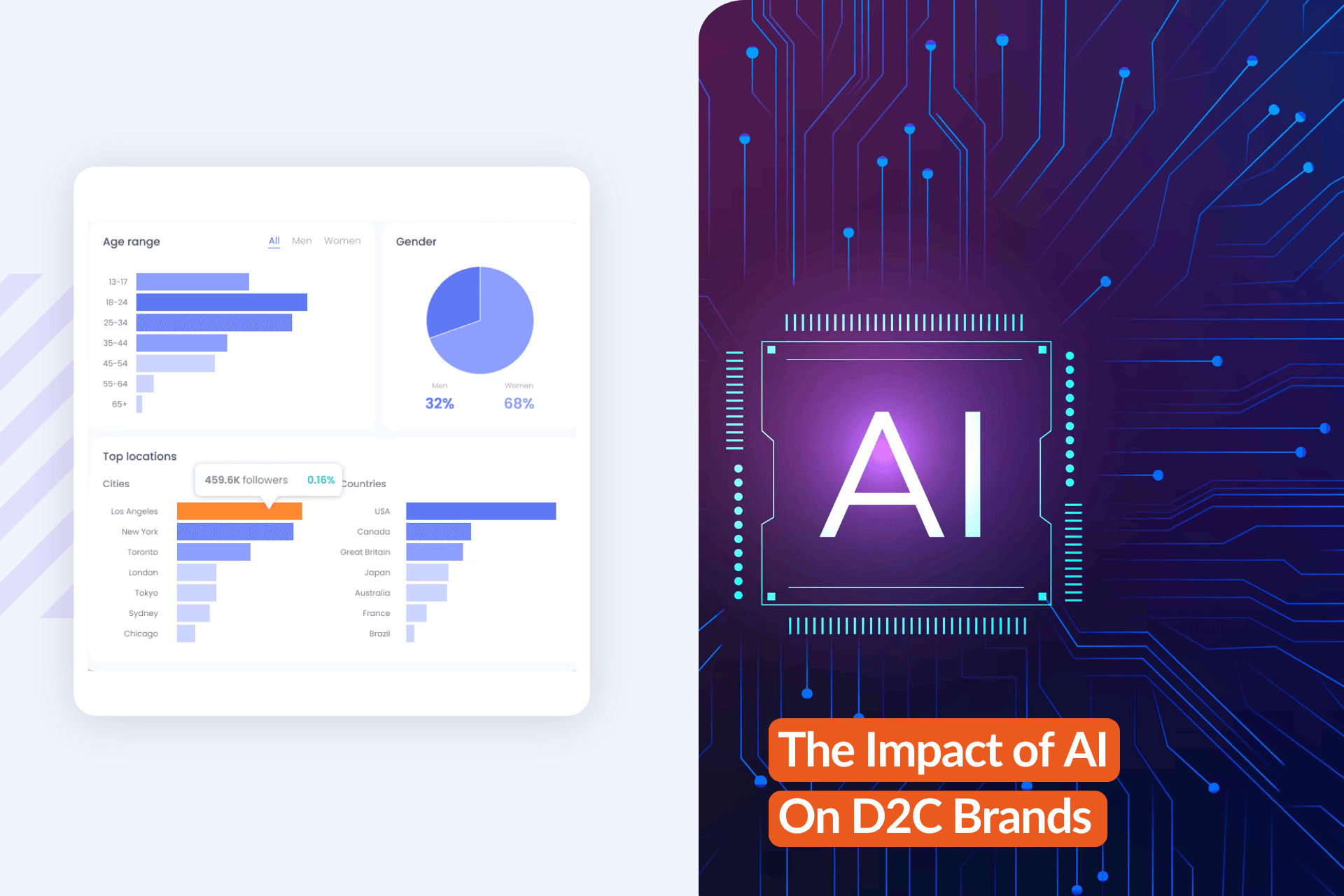
Using Influencer Hero's YouTube influencer search and discovery tool, the team applied filters for influencer location, audience demographics, gender, and niche relevance, including lookalike creators to ensure content alignment. This produced a qualified list of 2,250 YouTube creators in a matter of minutes.
Without a dedicated discovery tool, manually compiling a list of this size and quality would have taken weeks.
The team used Influencer Hero's drip campaign feature to reach all 2,250 creators with personalized outreach sequences, including automated follow-ups and AI-generated personalized sentences for each creator.
Outreach results:
Automated follow-ups were a key driver of the reply rate; without them, a significant portion of responses would have been missed. The AI personalization tool allowed the team to maintain a personal tone without manual effort across thousands of outreach emails.
Each of the 240 onboarded creators received a free product. Average cost of goods plus shipping came to approximately $35 per creator, bringing total product gifting spend to $8,400.
The campaign was structured as pure gifting plus affiliate — no fixed creator fees. This kept upfront investment low and placed performance risk with the creators rather than the brand.
Out of 240 onboarded creators, 150 published a YouTube video — a 62.5% posting rate. The 37.5% who didn't post is a normal outcome for gifting-only campaigns, where there is no contractual obligation to create content.
All creators were assigned unique affiliate links and personalized discount codes, synced directly within Influencer Hero's CRM. This allowed the team to monitor attributed revenue per creator in real time throughout the campaign — identifying top performers as results came in.
This tracking infrastructure is what made the entire next phase possible: without per-creator attribution data, the team would have had no basis for deciding which creators to reinvest in for BFCM.
After reviewing campaign analytics in October, the team segmented creators by sales performance and invited the top tier into fixed-payment BFCM packages — multiple YouTube videos in exchange for an upfront fee.
The team also sent a bouquet of flowers from 1-800 Flowers to each newly identified top-performing creator as a relationship-building gesture before extending the BFCM invitation — a small but meaningful touch to reinforce the partnership.
One standout example: a creator who generated $16K with her first video was offered a 4-video BFCM package for $10,000. By year-end, she alone had generated $61.8K in attributed revenue — approximately $103K in actual revenue accounting for the ~60% attribution rate. That's a 10X+ ROAS from a single creator relationship.
Adjusting for the ~60% attribution rate on affiliate links and discount codes, actual estimated revenue across the campaign was approximately $183K.
For top performers locked into BFCM packages, ROAS exceeded 10X.
Out of 150 creators who published a video:
Within that top tier, the concentration was even more extreme:
This is the 80/20 principle playing out in real time — and it's exactly why the gifting-first approach works. By testing at scale with low upfront cost, the brand identified the handful of creators capable of generating outsized returns, then doubled down on them.
Unlike Instagram stories or TikTok posts that fade within days, YouTube videos continue to accumulate views, drive search traffic, and convert viewers months or years after publication. The tripling of revenue between October and December wasn't purely from BFCM packages — it was also driven by the ongoing evergreen performance of earlier videos, which ranked in search results and kept generating traffic and sales.
This is a structural advantage unique to YouTube: the content compounds over time, making early investment in the channel increasingly valuable.
Starting from zero — no YouTube history, no influencer relationships, no performance data — this brand built a creator program that generated over $100K in attributed revenue within a single campaign cycle, with individual partnerships reaching 10X ROAS.
The key was a system: use Influencer Hero to discover creators at scale, automate personalized outreach, track performance at the individual creator level, and reinvest in proven top performers through higher-value packages. The software handled the infrastructure; the data guided the decisions.
If you're ready to build a YouTube influencer program that generates real, trackable revenue, book a free demo with Influencer Hero and see how the platform can help you replicate this approach for your brand.

Join 1,200+ brands and 150+ agencies scaling creator programs with Influencer Hero.


.png)