Live Webinar
Scaling Influencer ROI With Paid Media - The Whitelisting Playbook

Chaque année, les consommateurs aux États-Unis dépensent des milliards de dollars en cadeaux pour la Fête des Pères, ce qui en fait l'une des plus grandes opportunités saisonnières pour les marques DTC. Des vêtements et accessoires aux produits personnalisés et aux coffrets cadeaux, les marques qui se préparent à l'avance peuvent générer des revenus importants pendant la période des fêtes.
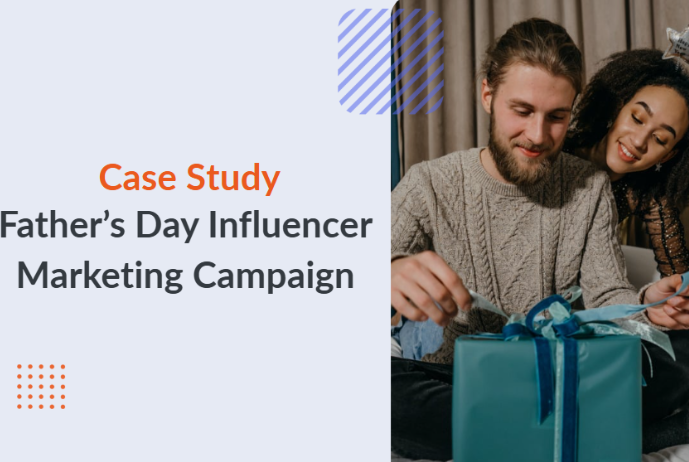
Pour une marque de commerce électronique, une campagne stratégique de marketing d'influence a aidé à générer plus de 30 000 $ en ventes pour la Fête des Pères en combinant des partenariats d'affiliation, des campagnes de gifting et le suivi des performances via Influencer Hero.
Dans cette étude de cas, nous détaillons la stratégie, l'exécution et les principaux enseignements de la campagne pour montrer comment les marques peuvent maximiser les ventes saisonnières grâce au marketing d'influence.
Une marque de commerce électronique DTC voulait transformer la Fête des Pères en une importante opportunité de revenus saisonniers grâce au marketing d'influence. Avec les consommateurs américains dépensant des milliards de dollars en cadeaux pour la Fête des Pères chaque année, la marque a vu une opportunité d'augmenter les ventes tout en renforçant les relations avec les créateurs qui pourraient générer une valeur à long terme au-delà d'une seule campagne.
Cependant, mettre à l'échelle une campagne d'influenceurs saisonnière de manière rentable s'accompagne de plusieurs défis opérationnels et de performance :
Plutôt que de lancer une campagne poncctuelle pour la Fête des Pères avec des créateurs non testés, la marque s'est concentrée sur la création d'un pipeline d'influenceurs à long terme plusieurs mois avant le lancement de la campagne. L'objectif était d'identifier les influenceurs les plus performants grâce aux partenariats d'affiliation et aux campagnes de gifting d'abord, puis d'augmenter l'investissement stratégiquement pendant la période de vente de la Fête des Pères.
Au lieu d'aborder la Fête des Pères comme un simple coup de boost d'influenceurs à court terme, la marque s'est concentrée sur la création d'une base de performance solide plusieurs mois avant le lancement de la campagne.
Plutôt que de s'engager sur de gros budgets auprès d'influenceurs basés uniquement sur la taille de l'audience, la marque a initialement travaillé avec les créateurs par le biais de partenariats d'affiliation et de collaborations de gifting. Cela a permis de recueillir des données de performance réelles avant d'entrer dans la saison très compétitive de la Fête des Pères.
Au fil du temps, l'équipe a identifié les créateurs capables de :
Cette approche a réduit le risque généralement associé aux campagnes d'influenceurs saisonnières et a permis à la marque d'allouer le budget de manière plus stratégique une fois que les promotions de la Fête des Pères ont commencé.
Une des plus grandes erreurs que commettent les marques lors de campagnes saisonnières est de sélectionner les influenceurs en fonction uniquement du nombre de followers ou du taux d'engagement. Au lieu de cela, l'équipe s'est concentrée sur l'identification des créateurs qui pouvaient réellement convertir leur audience en clients.
Les données de suivi d'affiliation ont fourni une visibilité sur :
Cela a permis à la marque de distinguer les créateurs qui ont généré de la notoriété des créateurs qui ont généré des revenus mesurables.
Parce que la performance des influenceurs peut varier considérablement, la marque a intentionnellement évité de dépenser trop lors des premiers stades de test des créateurs.
L'utilisation du gifting et des collaborations basées sur l'affiliation a aidé à minimiser les coûts initiaux tout en incitant les influenceurs à promouvoir activement les produits.
Cela a créé un système plus scalable pour identifier les créateurs les plus performants avant d'augmenter les dépenses pendant la Fête des Pères.
Les campagnes saisonnières impliquent une communication constante à travers plusieurs étapes, notamment la prospection, les négociations, les envois de produits, les rappels, les calendriers de publication et la coordination des paiements.
Pour éviter les goulots d'étranglement opérationnels, l'équipe a centralisé les workflows de gestion des influenceurs en utilisant :
Cela a aidé à rationaliser les opérations de campagne tout en gardant la communication organisée tout au long du cycle de vie de la campagne.
Plutôt que de traiter le contenu des influenceurs comme une opportunité d'une seule publication, la stratégie de campagne s'est concentrée sur l'extension de l'activité des créateurs sur toute la fenêtre promotionnelle de la Fête des Pères.
Les influenceurs ont été encouragés à :
Cela a aidé à maximiser la visibilité et les conversions pendant les jours de vente les plus importants menant à la Fête des Pères.
Une autre partie importante de la stratégie était la rétention des relations.
Les créateurs qui ont bien performé pendant la campagne n'ont pas été traités comme des partenariats ponctuels. Au lieu de cela, la marque a continué à cultiver ces relations pour les campagnes futures et les collaborations d'affiliation.
Cela a créé un réseau croissant d'influenceurs éprouvés qui pouvaient être réactivés pour les futures saisons de gifting, réduisant les coûts d'acquisition futurs et rendant la montée en charge des campagnes significativement plus facile au fil du temps.
Une fois que la marque a identifié ses créateurs les plus performants, l'accent s'est déplacé vers l'exécution efficace de la campagne de la Fête des Pères pendant la fenêtre de vente saisonnière. La campagne a impliqué de coordonner la prospection des influenceurs, le gifting de produits, les calendriers de publication, les suivis et le suivi d'affiliation dans un délai limité.
La stratégie d'exécution s'est concentrée sur la maximisation de la production de contenu et des conversions des créateurs éprouvés tout en maintenant des relations solides à long terme avec les influenceurs tout au long de la campagne.
La campagne a commencé par contacter les influenceurs qui avaient déjà montré une forte performance grâce à des collaborations précédentes d'affiliation et de gifting. Au lieu de dépendre fortement des nouveaux créateurs pendant la période chargée de la Fête des Pères, la marque a donné la priorité aux influenceurs ayant un historique de génération de conversions et de production de contenu fiable.
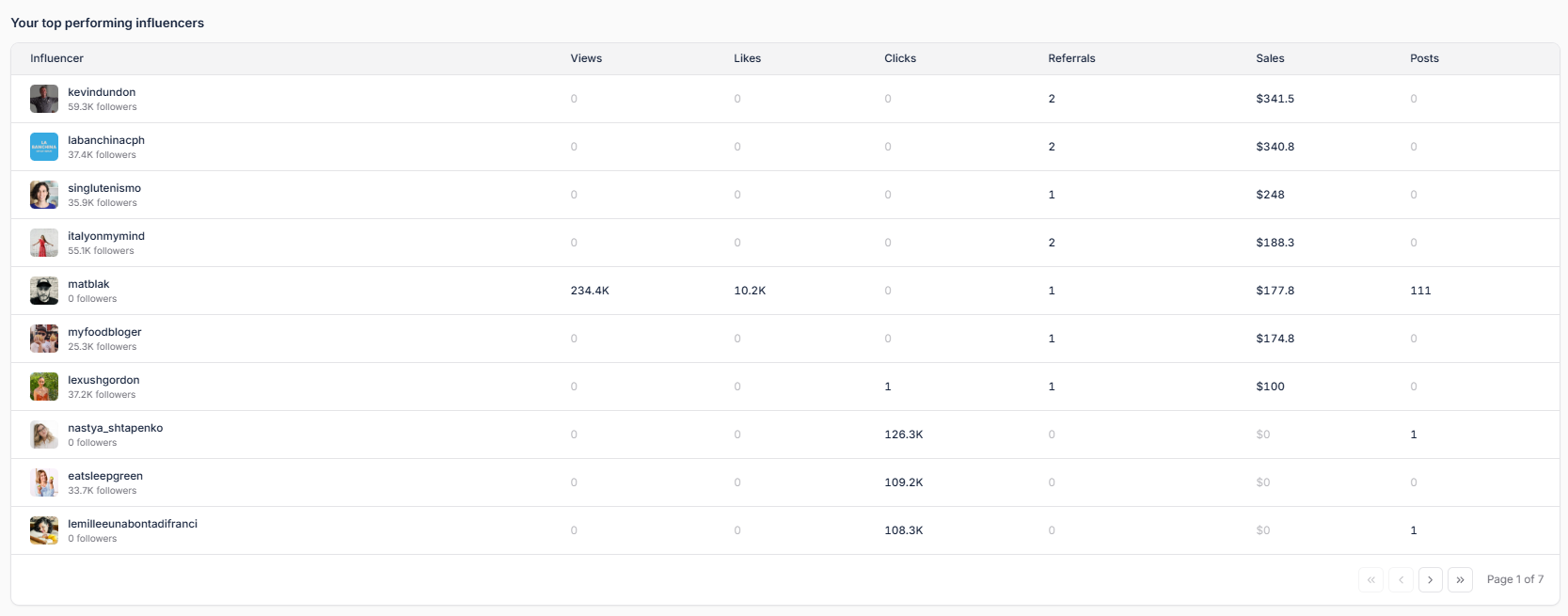
Les offres de partenariat combinaient les paiements fixes, les commissions d'affiliation, les codes de réduction et le gifting de produits. Pour gérer la communication à l'échelle, l'équipe a utilisé les outils d'automatisation du CRM et de prospection d'Influencer Hero pour organiser les conversations et rationaliser les suivis tout au long du processus d'intégration.
Tous les influenceurs n'ont pas accepté l'offre initiale immédiatement, ce qui a rendu les relances une partie importante de l'exécution de la campagne. Puisque les créateurs sont constamment approchés par des marques, maintenir une communication cohérente sans paraître trop agressif était essentiel.
Les séquences automatisées de goutte à goutte ont aidé l'équipe à envoyer des rappels et des e-mails de suivi efficacement tout en maintenant les conversations actives jusqu'au lancement de la campagne. Les données de performance d'affiliation précédentes ont également aidé à justifier des opportunités de campagne plus importantes pour les créateurs qui avaient déjà prouvé leur capacité à générer des ventes.
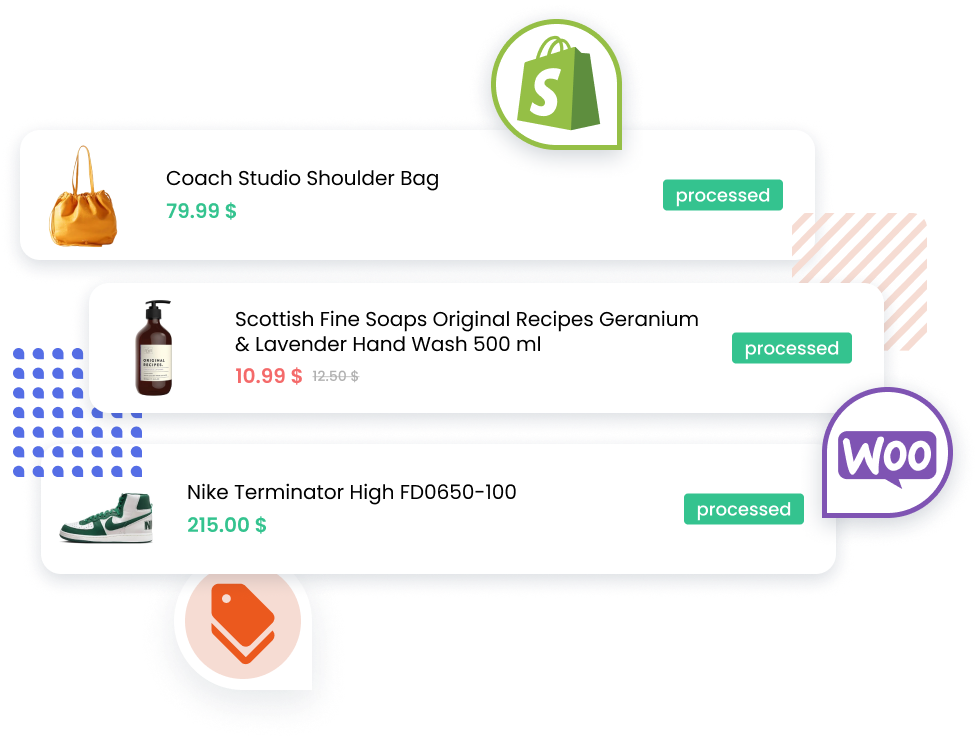
Une fois que les influenceurs ont rejoint la campagne, la priorité suivante était de s'assurer que les produits arrivaient à temps avant la période promotionnelle. Les livraisons opportunes étaient importantes pour que les créateurs puissent préparer du contenu et publier des posts avant les délais de la Fête des Pères.
En utilisant les intégrations de gifting d'Influencer Hero avec Shopify et WooCommerce, l'équipe a rationalisé l'expédition de produits directement via le flux de travail de gestion des influenceurs. Cela a réduit les frictions opérationnelles et simplifié la logistique de la campagne pendant une période saisonnière à haut volume.
Après la mise en ligne des premiers posts, l'équipe a continué à communiquer avec les influenceurs tout au long de la campagne pour maximiser la participation et la fréquence de publication. Les e-mails de rappel, les liens d'affiliation et les mises à jour de la campagne ont aidé à maintenir les créateurs engagés pendant la fenêtre promotionnelle.
La stratégie s'est concentrée sur l'encouragement du contenu supplémentaire de manière naturelle sans endommager les relations à long terme avec les créateurs. Maintenir une communication régulière est devenu particulièrement important au cours des derniers jours avant la Fête des Pères, lorsque l'intention d'achat et les taux de conversion étaient les plus élevés.
À l'approche de la Fête des Pères, la campagne s'est orientée vers des messages basés sur l'urgence conçus pour augmenter les clics et les conversions. Les influenceurs ont été encouragés à rappeler à leurs followers que les codes de réduction et les promotions expireraient bientôt.
Ces derniers posts de rappel ont aidé à créer un sentiment d'urgence plus fort et ont contribué à une augmentation de l'activité de la campagne près de la date de fermeture. La combinaison d'offres à durée limitée avec des recommandations menées par des créateurs est devenue l'un des moteurs de conversion les plus puissants de la campagne.
Une fois la campagne terminée, la phase finale s'est concentrée sur les rapports, les paiements des influenceurs et l'analyse des performances. L'équipe a examiné les ventes d'affiliation, les clics, les conversions et les données de performance des créateurs pour évaluer les résultats globaux de la campagne.
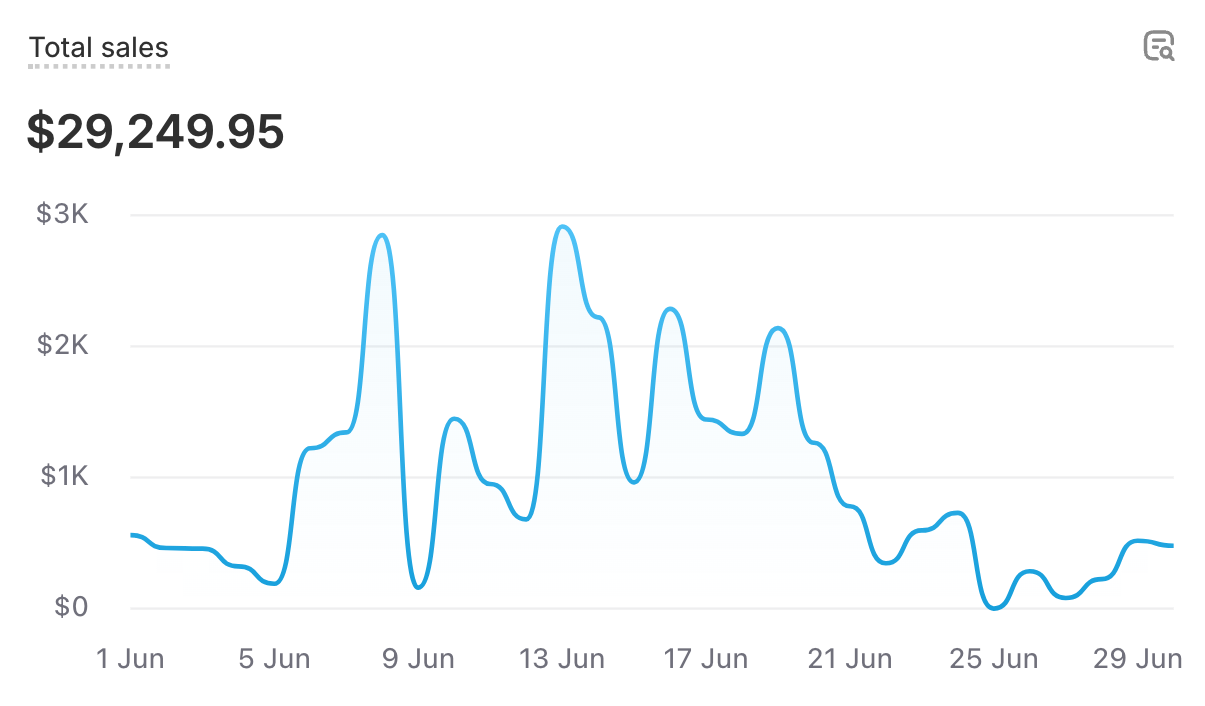
Les fonctionnalités de rapports et de gestion des paiements d'Influencer Hero ont aidé à simplifier le processus de fermeture tout en facilitant l'identification des créateurs les plus performants pour les futures campagnes saisonnières et les partenariats à long terme.
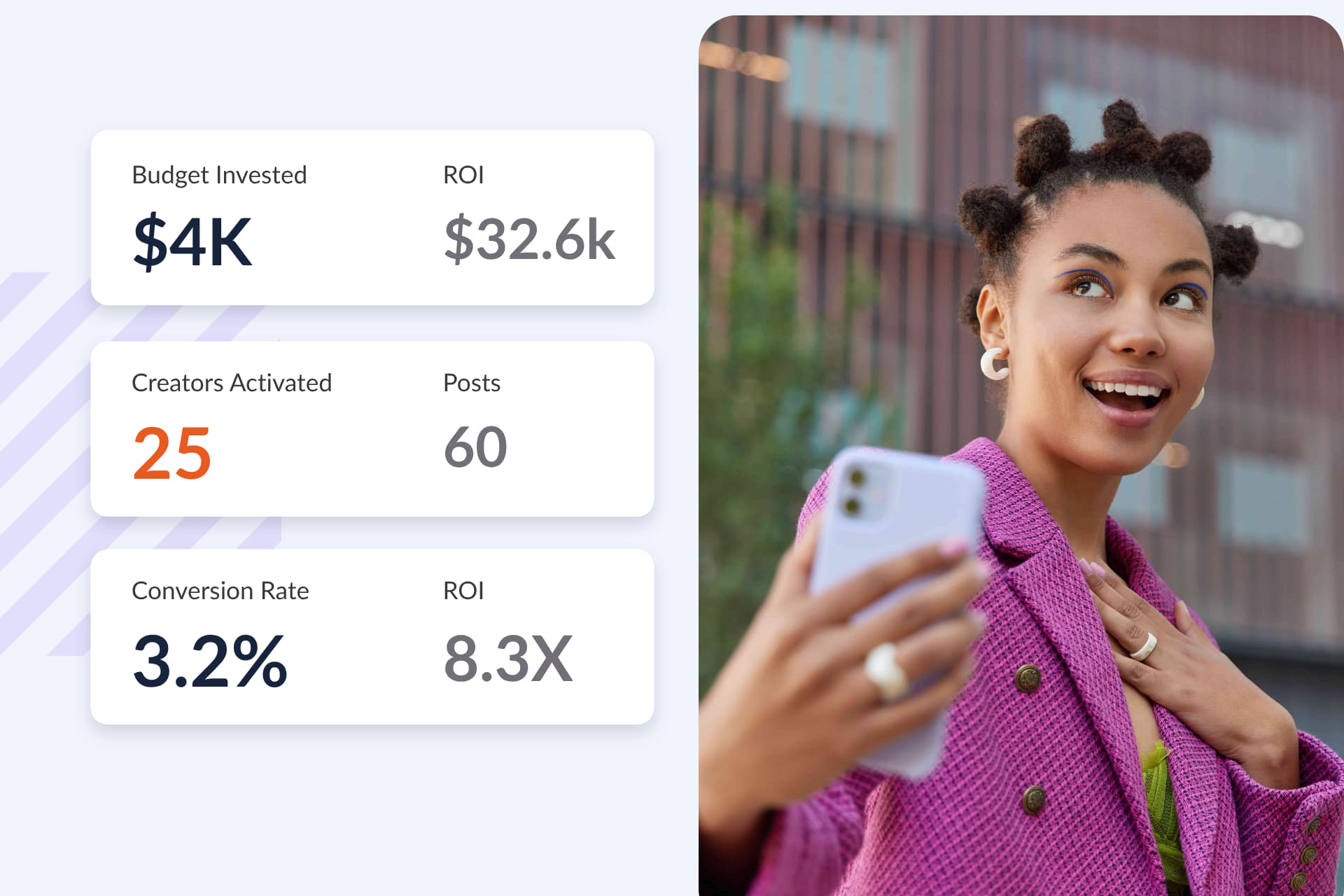
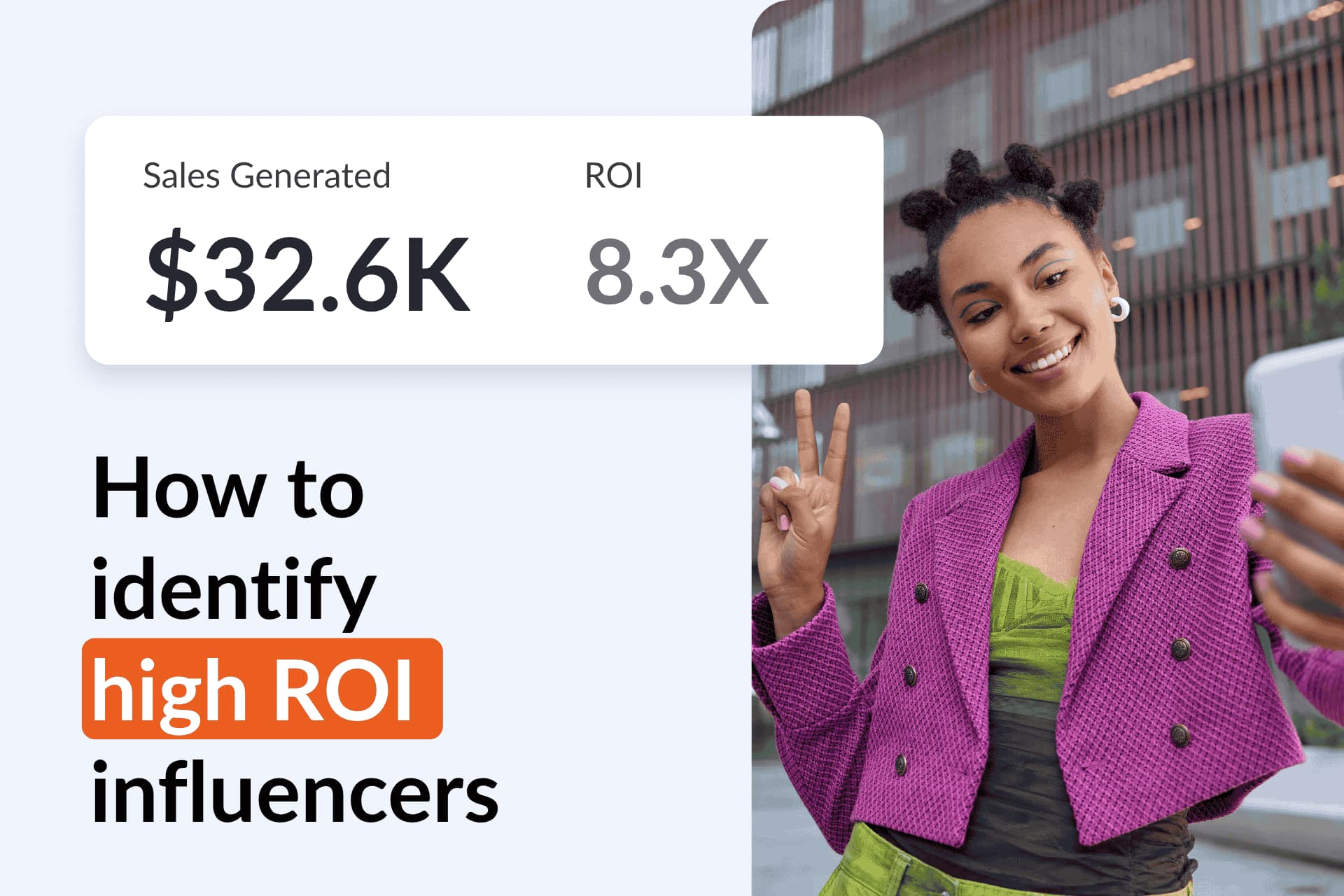
En combinant les partenariats d'affiliation, l'envoi de produits et la sélection de créateurs basée sur les performances, la campagne de la Fête des Pères a généré plus de 30 000 $ de revenus attribués pendant la période de ventes saisonnière.
Au-delà des ventes directes, la campagne a également aidé la marque à construire un système de marketing d'influence évolutif centré sur les tests de créateurs, le suivi des affiliations et la gestion des relations à long terme. Au lieu de s'appuyer sur des collaborations ponctuelles avec des influenceurs, la marque a développé un cadre reproductible qui pourrait être réutilisé pour les futures campagnes saisonnières.
La campagne a apporté plusieurs avantages clés :
La campagne a également renforcé plusieurs informations importantes sur le marketing d'influence. Tester les créateurs avant d'augmenter les investissements a contribué à réduire les dépenses inutiles, tandis que le suivi d'affiliation a facilité l'identification des influenceurs qui ont constamment généré des conversions. Le maintien de la communication tout au long de la campagne a également joué un rôle majeur dans la maximisation de la fréquence de publication et de la visibilité de la campagne pendant la période promotionnelle.
L'exécution d'une campagne d'influence saisonnière à grande échelle nécessitait plus que des outils de sensibilisation basiques. La marque avait besoin d'un système centralisé pour gérer les relations avec les créateurs, automatiser la communication, coordonner les envois et suivre efficacement les performances de la campagne.
Des fonctionnalités telles que le CRM des influenceurs, le suivi d'affiliation, les suivis automatisés, les intégrations d'envois et les outils de reporting ont contribué à simplifier la gestion des campagnes à chaque étape de l'exécution.
Sans gestion centralisée des influenceurs et suivi précis des performances, l'augmentation efficace de la campagne tout en maintenant l'organisation et la rentabilité aurait été nettement plus difficile.
Cette étude de cas sur le marketing d'influence pour la Fête des pères montre comment les marques peuvent transformer les campagnes saisonnières en opportunités de revenus significatives grâce aux relations durables avec les créateurs et à l'exécution de campagnes axées sur les performances. Au lieu de dépendre de parrainages ponctuels, la marque s'est concentrée sur les tests des influenceurs d'abord, l'augmentation des partenariats éprouvés et l'utilisation des données d'affiliation pour guider les décisions de campagne.
Alors que le marketing d'influence se concentre de plus en plus sur les performances mesurables, les marques qui investissent dans un meilleur suivi, des relations plus fortes avec les créateurs et des flux de travail de campagne rationalisés auront un avantage significatif pendant les périodes de ventes de pointe.
Vous souhaitez construire des campagnes d'influence plus évolutives ? Réservez une démo dès aujourd'hui et découvrez comment Influencer Hero peut aider votre marque à gérer les relations avec les influenceurs, automatiser la sensibilisation, suivre les conversions et augmenter les campagnes saisonnières plus efficacement.

Schedule a Demo with one of our media experts below.