Live Webinar
Scaling Influencer ROI With Paid Media - The Whitelisting Playbook

La Fête des Mères est l'un des moments saisonniers les plus compétitifs pour les marques de commerce électronique. Avec la hausse des coûts publicitaires et les fils d'actualité surpeuplés, de nombreuses marques ont du mal à augmenter leurs revenus de manière rentable pendant les périodes de cadeaux.
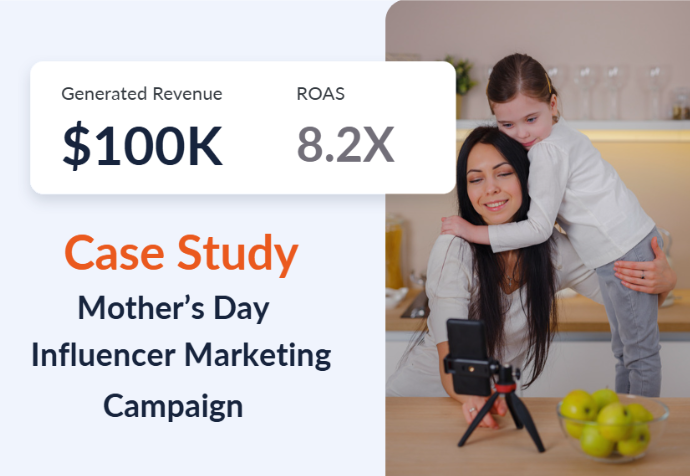
Cette étude de cas sur le marketing d'influence montre comment une marque DTC a généré plus de 100 000 $ de revenus à partir de campagnes d'influence seules en combinant des relations créatives à long terme, le suivi d'affiliation, l'outreach automatisée et la mise à l'échelle basée sur la performance à l'aide d'Influencer Hero.
Une marque de commerce électronique DTC voulait faire de la Fête des Mères un moment majeur generateur de revenus grâce au marketing d'influence. L'objectif n'était pas seulement d'augmenter les ventes saisonnières, mais aussi de créer un cadre de campagne reproductible capable de se développer efficacement année après année.
Cependant, les campagnes d'influence saisonnières s'accompagnent de plusieurs défis opérationnels et de performance :
Plutôt que de lancer une campagne ponctuelle pour la Fête des Mères, la marque s'est concentrée sur la construction d'un pipeline d'influencers à long terme plusieurs mois à l'avance. L'objectif était d'identifier les créateurs hautement performants dès le départ, de cultiver ces relations au fil du temps et d'augmenter les investissements stratégiquement pendant la fenêtre des ventes saisonnières.
Plutôt que d'attendre avril pour commencer l'outreach auprès des influencers, la marque a consacré environ huit mois à la construction de relations avec les créateurs et à la collecte de données de performance.
En utilisant Influencer Hero, l'équipe a travaillé avec environ 50 à 100 influencers par mois avant la campagne de la Fête des Mères. Cela leur a permis d'identifier :
Cette stratégie de test à long terme a aidé à éliminer les conjectures lors du lancement de la campagne saisonnière.
La stratégie de campagne s'est concentrée sur quatre éléments clés :
Au lieu de choisir les créateurs uniquement en fonction du nombre de followers, la marque a accordé la priorité à la performance de conversion et à la qualité de l'engagement.
En utilisant les outils de découverte d'influencers d'Influencer Hero, l'équipe a exploité :
Cela a aidé à identifier rapidement les créateurs similaires aux meilleurs performants existants.
La gestion manuelle de centaines de conversations de créateurs aurait considérablement ralenti l'exécution de la campagne.
Pour rationaliser l'outreach tout en maintenant la personnalisation, l'équipe a utilisé des campagnes d'automation avec des fonctionnalités de personnalisation alimentées par l'IA à l'intérieur d'Influencer Hero.
Cela leur a permis de contacter efficacement des milliers de créateurs tout en obtenant un taux de réponse de 42 %.
La campagne s'appuyait fortement sur le suivi des affiliés pour mesurer avec précision la performance des créateurs.
En utilisant les intégrations natives de marketing d'affiliation d'Influencer Hero, la marque a suivi :
Ces données sont devenues essentielles pour identifier quels influenceurs méritaient des allocations de campagne plus importantes lors de la Fête des Mères.
La marque a approché le marketing d'influence comme un canal de croissance continu plutôt que comme une tactique promotionnelle à court terme.
Les créateurs qui ont constamment bien performé ont été invités à participer à un programme d'ambassadeurs de marque à long terme, permettant à la marque de :
Une fois que la marque avait identifié ses créateurs les plus performants, l'attention s'est concentrée sur l'augmentation de l'efficacité de l'exécution de la campagne pendant la période de ventes de la Fête des Mères. En utilisant Influencer Hero, l'équipe a géré la communication avec les influenceurs, l'envoi de produits, l'organisation des campagnes et le suivi des performances à partir d'un système centralisé.
La stratégie d'exécution s'est concentrée sur la maximisation de la production des créateurs éprouvés tout en maintenant des relations solides et durables avec les influenceurs tout au long de la campagne.
En utilisant le CRM d'influenceurs d'Influencer Hero, la marque a segmenté les créateurs selon la performance historique des campagnes et l'historique des relations. Cela a facilité la priorisation des influenceurs à forte conversion, la gestion des livrables et la coordination des calendriers de campagne à grande échelle.
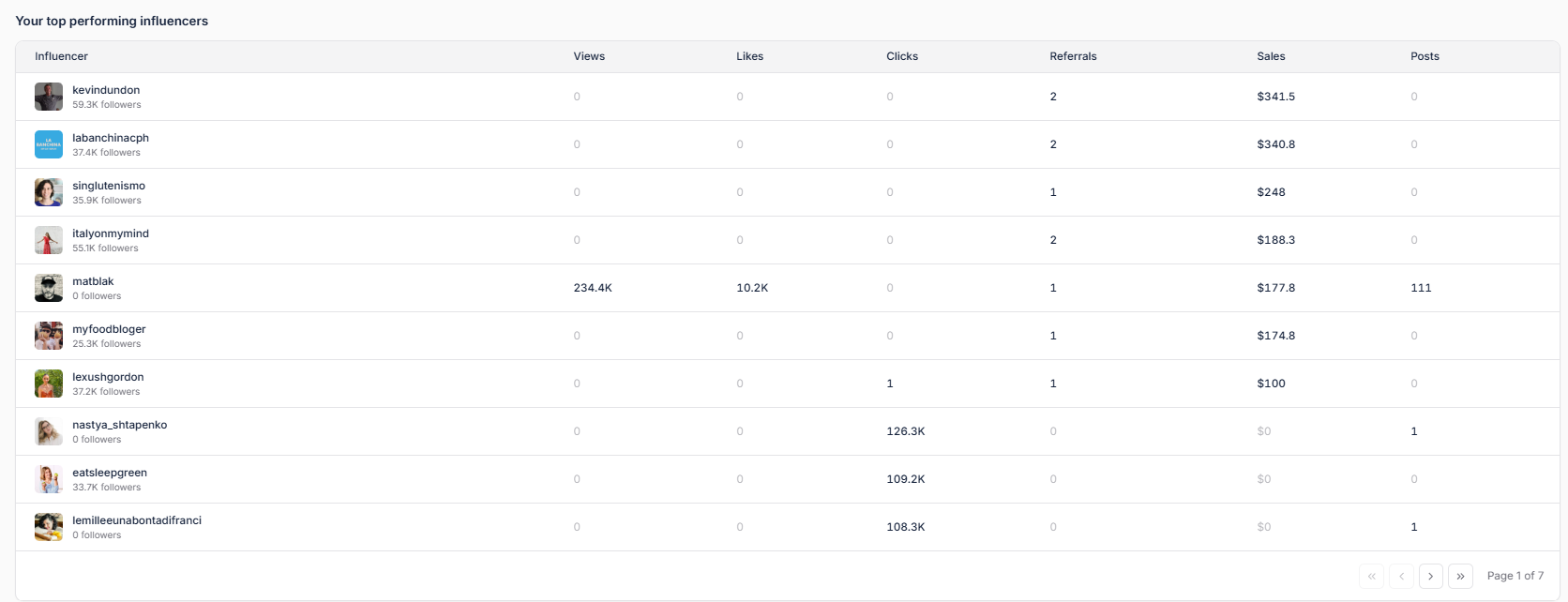
Parce que l'équipe avait déjà accès aux données de suivi des affiliés et de conversion provenant des collaborations précédentes, elle pouvait prévoir plus précisément la performance attendue et allouer le budget stratégiquement avant le lancement de la campagne saisonnière.
Au lieu d'offrir le même forfait de collaboration à chaque créateur, la rémunération des influenceurs et les opportunités de campagne ont été ajustées en fonction des résultats antérieurs. Les influenceurs les plus performants ont reçu des forfaits de campagne plus importants, des opportunités de commission d'affiliation, des codes de réduction exclusifs et des envois de produits supplémentaires .
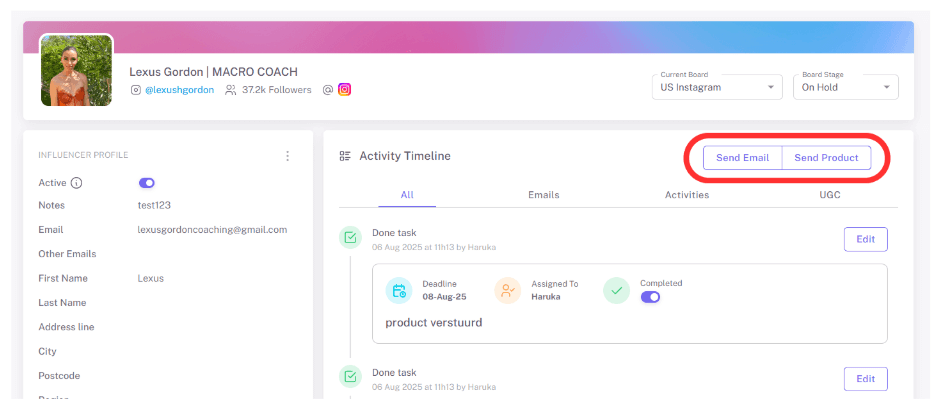
Cette structure basée sur la performance a permis à la marque d'augmenter l'investissement vers les créateurs déjà proven pour générer des ventes, contribuant à améliorer l'efficacité des campagnes tout en renforçant les partenariats à long terme avec les créateurs.
L'envoi de produits a joué un rôle clé dans le lancement de la campagne. Bien que de nombreux créateurs aient déjà travaillé avec la marque auparavant, de nouveaux produits ont été expédiés spécifiquement pour la campagne de la Fête des Mères afin d'améliorer la fraîcheur du contenu et d'encourager des activités de publication supplémentaires.
En utilisant les intégrations d'envoi d'Influencer Hero, les produits ont été livrés stratégiquement afin que les créateurs reçoivent les colis proches des dates de lancement. Cela a contribué à améliorer la cohérence de la publication, à maintenir l'élan de la campagne et à augmenter la probabilité d'une publication de contenu opportune.
Tout au long de la campagne, l'équipe a maintenu une communication continue avec les créateurs pour maximiser la participation et la fréquence de publication. Les rappels de suivi ont été soigneusement équilibrés avec la gestion des relations pour éviter de surcharger les influenceurs tout en encourageant l'achèvement des livrables.
C'est devenu particulièrement important car le revenu de la campagne dépendait fortement de deux facteurs : le nombre d'influenceurs très performants participant et le nombre de publications que chaque créateur a publié pendant la période promotionnelle. En se concentrant sur les créateurs éprouvés et en maintenant une communication cohérente, la marque a pu augmenter les performances de la campagne de manière plus efficace pendant la période des ventes saisonnières.
La campagne Fête des mères a généré de solides résultats en combinant des relations à long terme avec les créateurs à une exécution de campagne axée sur la performance.
Après des mois de test des performances des influenceurs et de développement stratégique des partenariats, la campagne a produit :
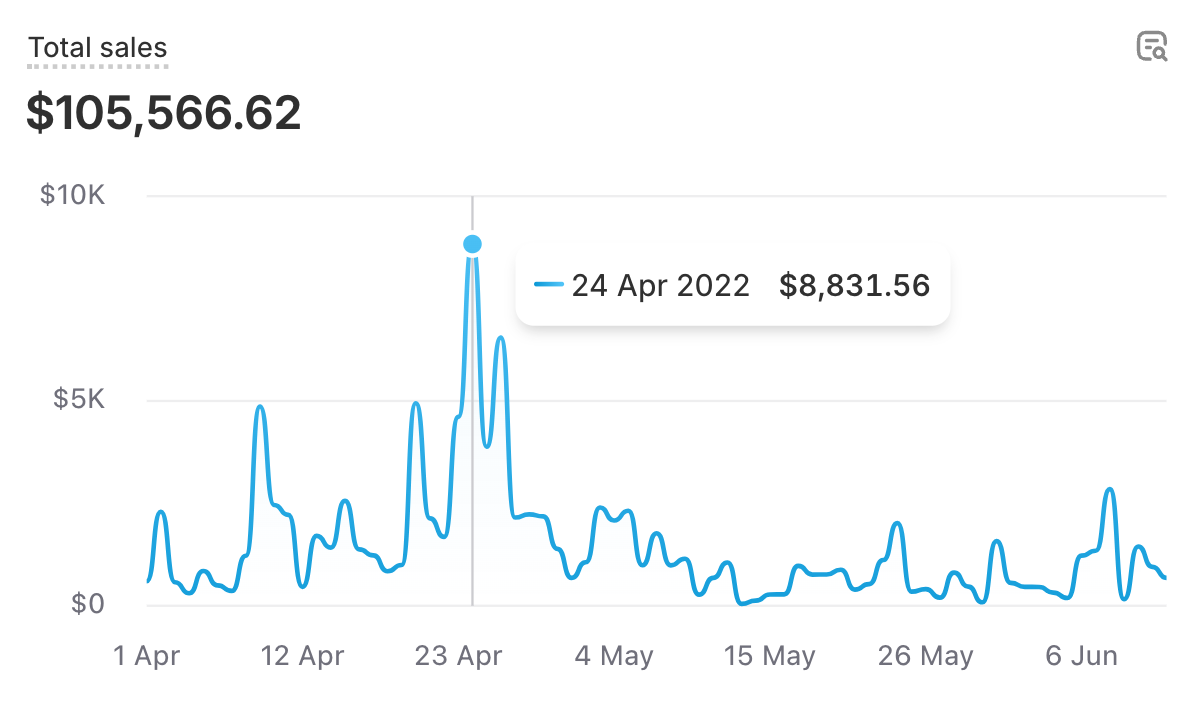
Au-delà de l'impact immédiat sur le chiffre d'affaires, la campagne a également aidé la marque à construire un cadre reproductible pour les lancements saisonniers futurs.
Plutôt que de compter sur des activations influenceurs ponctuelles, la marque a créé un écosystème de créateurs à long terme centré sur le suivi des affiliés, la gestion des relations et les données de conversion. Cela a facilité la mise à l'échelle des campagnes futures, car les influenceurs très performants avaient déjà été identifiés et développés avant les périodes d'achat importantes.
La campagne a également renforcé plusieurs leçons importantes du marketing d'influence :
Gérer une campagne influenceur saisonnière à grande échelle nécessitait bien plus que des outils de sollicitation basiques. La marque avait besoin d'une infrastructure fiable pour gérer les relations avec les créateurs, automatiser les flux de travail, suivre les performances de la campagne et coordonner efficacement les cadeaux de produits.
Influencer Hero a aidé à simplifier l'exécution de la campagne grâce à :
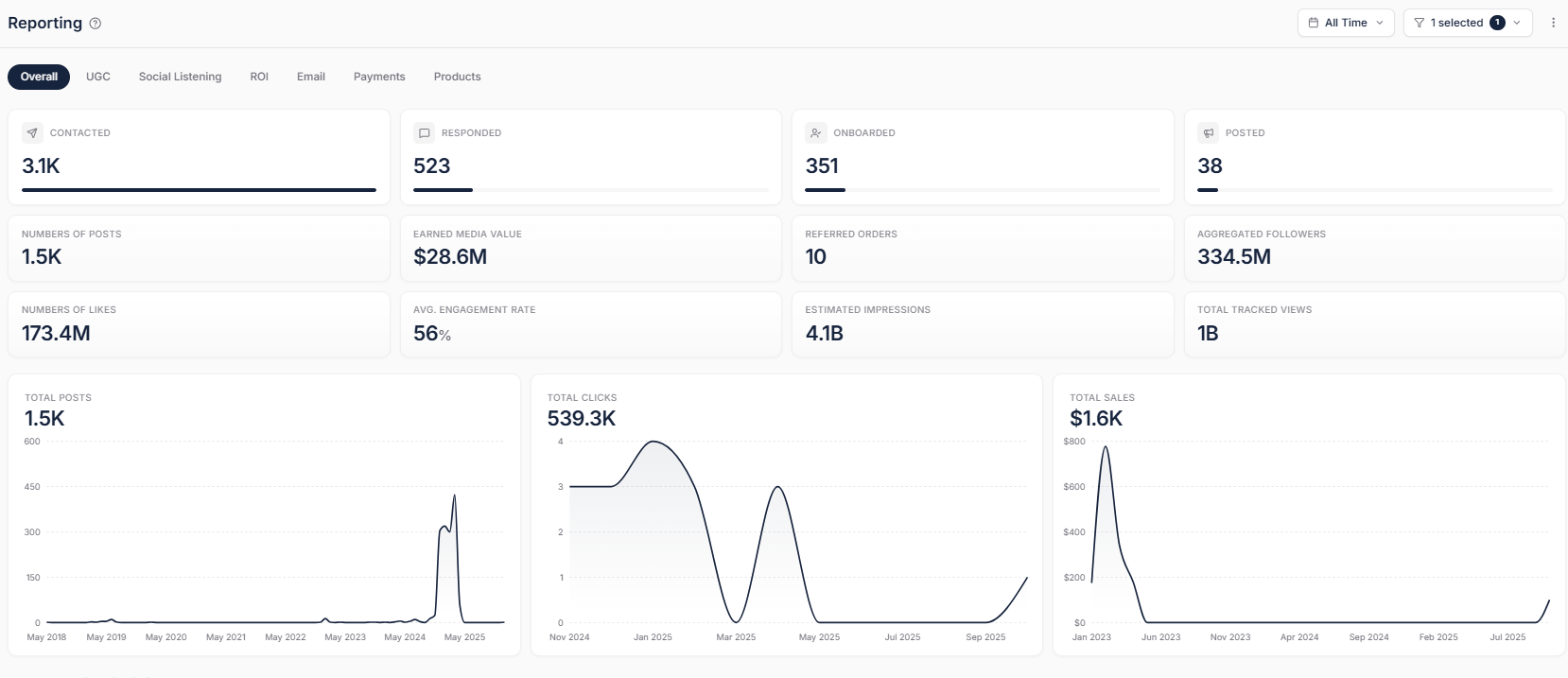
Sans suivi précis des performances et gestion centralisée des influenceurs, mettre à l'échelle la campagne à plus de 100 000 € en chiffre d'affaires tout en maintenant la rentabilité aurait été considérablement plus difficile.
Cette étude de cas de marketing d'influence pour la Fête des mères montre comment la construction de relations à long terme avec les créateurs et la mise à l'échelle axée sur la performance peuvent transformer les campagnes saisonnières en opportunités majeures de chiffre d'affaires. Au lieu de compter sur des activations influenceurs ponctuelles, la marque a utilisé le suivi des affiliés, l'automatisation des sollicitations et les données historiques de conversion pour créer une campagne évolutive qui a généré plus de 100 000 € de chiffre d'affaires avec un ROAS de 8,2X.
À mesure que le marketing d'influence devient de plus en plus axé sur la performance, les marques qui investissent dans l'attribution, la gestion des relations avec les créateurs et l'automatisation des campagnes auront un avantage concurrentiel significatif pendant les périodes d'achat à forte demande. Des plateformes comme Influencer Hero aident les marques à rationaliser la découverte d'influenceurs, automatiser les sollicitations, suivre les conversions et gérer les partenariats avec les créateurs à grande échelle.
Demandez une démonstration à Influencer Hero pour découvrir comment votre marque peut construire des campagnes influenceur évolutives avec un meilleur suivi, des relations plus fortes avec les créateurs et un ROI mesurable.

Schedule a Demo with one of our media experts below.