
Best Influencer Marketing Software 2026: 12 Tools Compared

September 29, 2026
|
Publicado

September 29, 2026
|
Actualizada

21 minutes
|
Lectura

Curso de marketing de resultados para influencers | Cupón: IMC100

Gabriela Molina
I Author

Impulse el ROI con Influencers

Base de datos global de influencers
Plataforma TODO EN UNO
CRM, afiliados, UGC y más
Best Influencer Marketing Software 2026: 12 Tools Compared
Quick answer: Influencer Hero is the best all-in-one influencer marketing software for D2C and eCommerce brands, combining AI creator search, workflow automations and 45+ integrations with outreach, CRM, gifting, affiliate tracking and ROI reporting in one platform. Modash is the best budget pick for creator discovery, GRIN now offers the most flexible entry point with a free plan, CreatorIQ and Traackr fit large enterprise programs, HypeAuditor is strongest for vetting creators, and Shopify Collabs is a free starting point for Shopify stores.
Choosing influencer marketing software comes down to three questions: how many creators you work with, whether you need to tie campaigns to sales, and how much of the workflow you want in one place.
This guide compares 12 platforms on exactly those points so you can shortlist the right one in a few minutes.
Quick Comparison: The 12 Best Influencer Marketing Software Tools
How We Picked
We compared each platform on seven criteria that matter once real budget is on the line:
- Platform coverage: Which social networks each tool supports, from Instagram, TikTok and YouTube to Pinterest, Twitch, Snapchat and X.
- Pricing and commitment: Published prices where they exist, buyer-reported ranges where they don't, and whether an annual contract is required.
- Key features: Discovery, outreach, CRM, gifting, UGC collection, affiliate tracking, payments, storefronts and AI capabilities.
- eCommerce integrations: Whether gifting and sales attribution work with Shopify only, or also with WooCommerce, Amazon and custom stores.
- Ease of use: Dashboard design, onboarding time and how quickly a new team member can run a campaign.
- Customer support: Channels offered, response speed and whether you get a dedicated account manager.
- Reviews: Ratings from G2, Capterra and the Shopify App Store.
Pricing in this category changes often. GRIN, for example, moved to free and month-to-month plans in 2026. Where a vendor doesn't publish pricing, we note the buyer-reported range and recommend confirming directly with the vendor.
Types of Influencer Marketing Platforms
Not every tool on this list does the same job. Knowing the type you need narrows the shortlist fast:
- All-in-one platforms (Influencer Hero, GRIN, Upfluence): Run the full workflow, from discovery and outreach to gifting, affiliate tracking, payments and ROI reporting.
- Enterprise suites (CreatorIQ, Traackr): Built for global brands that need governance, API-grade data and multi-market reporting.
- Discovery and analytics tools (Modash, HypeAuditor, Influencity): Focus on finding and vetting creators, with lighter campaign management.
- Creator marketplaces (Aspire): Brands post campaigns and creators apply, which is useful for inbound recruiting.
- Social media suites with influencer add-ons (Sprout Social, Later): Combine influencer workflows with social scheduling and listening.
- Affiliate apps (Shopify Collabs): Lightweight, commission-based creator programs inside a single eCommerce platform.
The 12 Best Influencer Marketing Software Tools in 2026
1. Influencer Hero
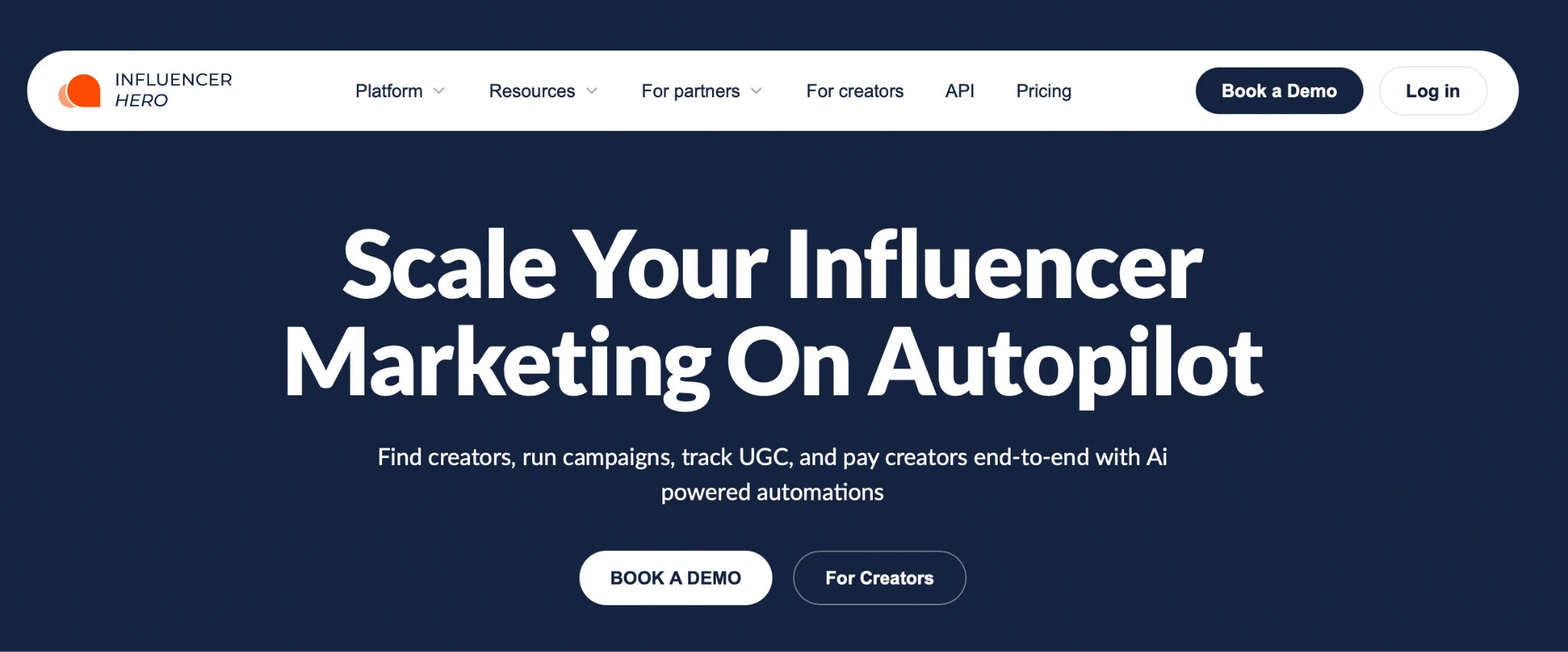
Influencer Hero is an all-in-one, AI-powered influencer marketing platform for brands and agencies that want to run influencer, UGC and affiliate programs from one system. It combines AI creator search, multichannel outreach, a campaign CRM, automated gifting, UGC collection, affiliate tracking, creator payments and ROI reporting, and it's trusted by 1,200+ brands, including lululemon, Nespresso, Under Armour and Sephora.
What sets it apart is how much of the workflow runs on its own. Instead of stitching together a discovery tool, an email tool, a spreadsheet and a payments app, teams build automations once and let the platform handle the repetitive steps.
Best for: Growing D2C brands, eCommerce teams and agencies that want one platform for the entire influencer workflow, with deep integrations into their existing marketing stack.
Platform coverage: Instagram, TikTok, YouTube.
Pricing: See all plans
- Standard: $649/month, contact up to 1,000 creators a month
- Pro: $1,049/month, contact up to 5,000 creators a month
- Business: $2,490/month, contact up to 10,000 creators a month
- Custom and Agency: Custom pricing
Reviews: 4.8/5 (Capterra)
What Makes Influencer Hero Different
1. AI search that understands content, not just keywords
- AI creator search: Describe the creator you want in plain language, and the search returns matches from a database of 450M+ creators.
- AI content search: Find creators based on what they actually post, not just their bio or hashtags.
- Engaged creators: Detect creators who already follow your brand, who are more likely to say yes and convert.
- Detailed demographics and brand safety: Filter by audience age, gender, location and engagement, and screen creators before you reach out.
2. Automations for the entire workflow
- Trigger, condition, action automations: Build rules once, such as "when a creator accepts, create a gifting order and send the brief," and the platform runs them for every creator.
- Multichannel drip campaigns: Rotate outreach across email, Instagram DMs, TikTok DMs and WhatsApp, with automated follow-ups.
- AI-generated outreach: Personalized messages written by an AI that learns from the actions in your CRM.
- Automated gifting: Ship products and samples automatically and track every delivery.
- Creator payouts: Auto-payouts and international batch payments in multiple currencies, with low processing fees.
- Code leakage prevention: AI scans coupon sites for leaked discount codes, rotates them automatically and notifies the creator.
3. 45+ integrations with the tools you already use
- eCommerce: Shopify, WooCommerce, BigCommerce and Amazon, for gifting orders and sales attribution beyond Shopify.
- Email marketing: Klaviyo, Omnisend and Mailchimp.
- Payments and contracts: Stripe and DocuSign.
- Communication: Gmail and Slack, plus Zapier to connect the rest of your stack.
- Influencer Data API: A REST API with webhooks, bulk export and white-label options for agencies that want to build on Influencer Hero's data.
4. Reporting that goes down to revenue
- Real-time dashboards: Clicks, conversions, sales, earned media value and impressions update live.
- Cost tracking: COGS tracking for gifting campaigns and a unified view of every creator payment, so you see true ROI, not just reach.
- UGC library and social listening: Every creator post, including customer content, lands in one searchable library with usage rights management for paid ads.
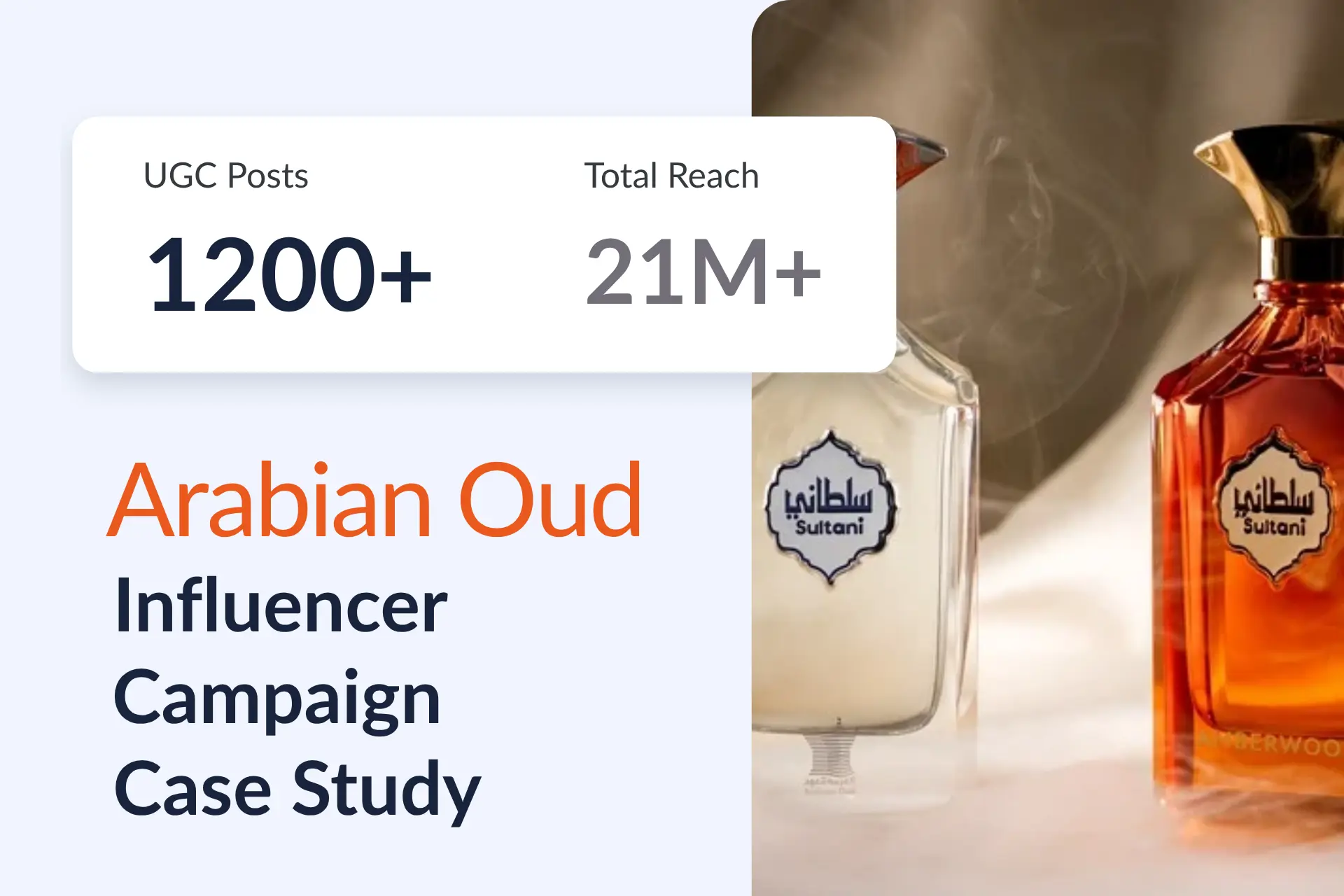
Brands use this setup to scale results: Olivida reached a 7.2X ROAS, and Arabian Oud generated 1,200+ UGC posts and 21M+ impressions in 12 months.
Pros:
- Covers the full lifecycle, so teams don't need separate tools for discovery, outreach, CRM, gifting, payments and reporting.
- Automations and 45+ integrations remove most of the manual work as programs scale.
- Works with Shopify, WooCommerce, BigCommerce and Amazon, not just Shopify.
- A dedicated account manager and 24/7 live chat with real people on every plan.
Cons:
- The $649/month entry price is higher than discovery-only tools like Modash.
- No free plan or self-serve trial, so access starts with a demo.
- The feature depth can be more than a team working with a handful of creators needs.
2. GRIN
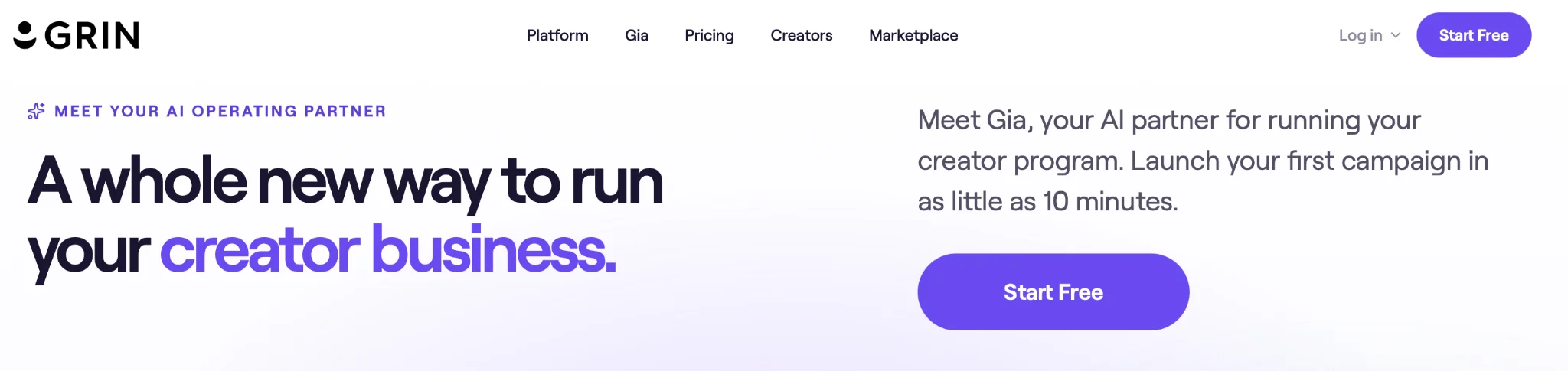
GRIN is a creator management platform built for eCommerce and D2C brands. In 2026 it rebuilt its product and pricing around Gia, an AI assistant that handles tasks like sourcing, shortlisting and reporting, and it now offers a free plan with month-to-month paid tiers instead of annual contracts.
Best for: Shopify brands that want AI-assisted creator management without an annual contract.
Platform coverage: Instagram, TikTok, YouTube, Twitch, X and Snapchat.
Pricing: Month-to-month, billed by monthly Gia credits:
- Free: $0, 200 credits
- Starter: $200/month, 2,000 credits
- Growth: $500/month, adds GRIN Classic (the traditional CRM) with up to 100 active creators
- Scale: $1,000/month, up to 250 active creators
- Complete: $1,500/month, up to 500 active creators
Reviews: 4.5/5 (G2)
Standout features:
- Gia AI assistant: Sources creators, builds shortlists, runs reports and sets up gifting workflows.
- eCommerce integrations: One-click Shopify connection, plus a tracking SDK for other stores.
- Affiliate tracking with no take rate: Generate links and discount codes and track GMV without transaction fees.
- UGC library: Saves creator content, including Stories, for reuse in ads and email.
Pros:
- Free plan and month-to-month billing make it easy to test.
- Strong Shopify integration for gifting and sales attribution.
- Established platform used by brands like SKIMS and ColourPop.
Cons:
- Credit-based pricing is harder to forecast, since heavier work like negotiation and gifting uses more credits.
- The full CRM workspace (GRIN Classic) only starts on the $500/month Growth plan, with active-creator caps.
- Some users report slow support and platform performance issues.
Looking for other options? See our list of GRIN alternatives.
3. Modash
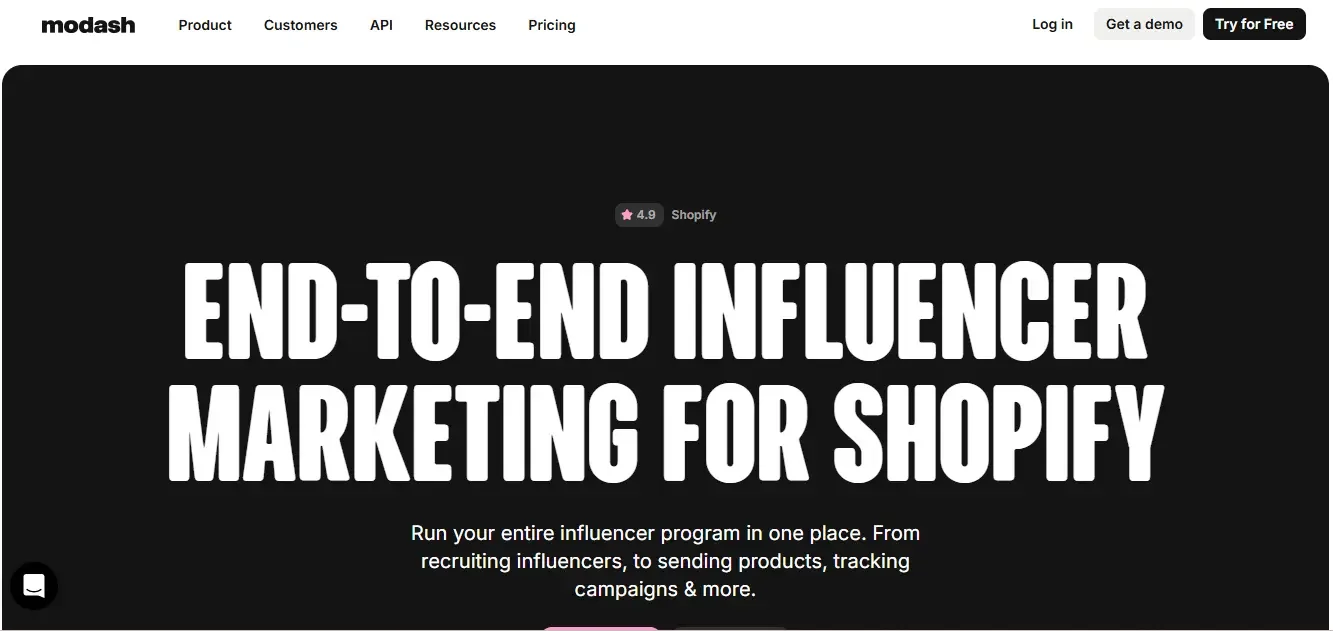
Modash is an influencer discovery and tracking platform known for one of the largest searchable creator databases on the market. On higher plans it adds Shopify gifting, affiliate links and payouts.
Best for: Teams that need large-scale creator discovery and audience data on a budget.
Platform coverage: Instagram, TikTok and YouTube.
Pricing:
- Essentials: $199/month (billed annually), contact up to 100 creators a month
- Performance: $499/month (billed annually), contact up to 250 creators a month, includes Shopify integration
- Enterprise: Custom
Reviews: 4.9/5 (Capterra)
Standout features:
- 350M+ creator profiles without requiring creator opt-in.
- Find Your Fans: Surfaces creators who already follow your brand.
- AI search: Search with natural-language prompts or a reference image.
- Automatic content tracking: Collects campaign posts and performance data in real time.
Pros:
- Low entry price with published plans.
- Powerful filters, lookalikes and visual search.
- Clean interface that's quick to learn.
Cons:
- Gifting and sales tracking only work with Shopify.
- Basic CRM compared with all-in-one platforms.
- Low monthly contact limits on the entry plan.
Compare more options in our Modash alternatives guide.
4. Upfluence
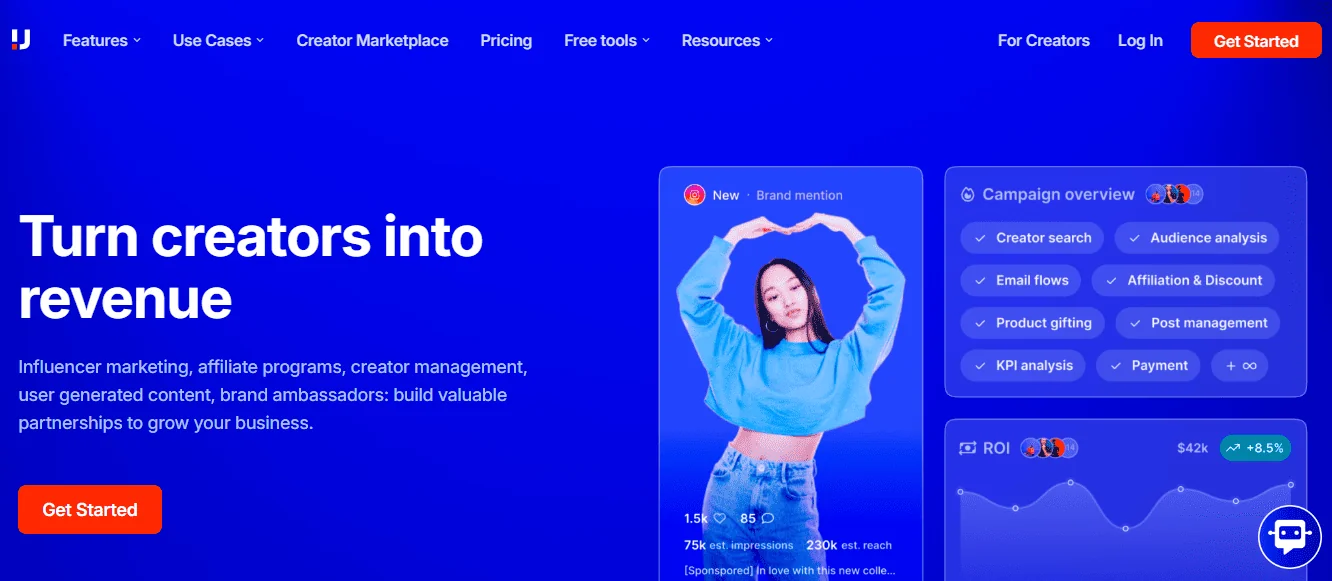
Upfluence is an influencer and affiliate platform focused on turning creators into a sales channel, with deep integrations for Shopify and Amazon sellers.
Best for: eCommerce brands, especially on Shopify or Amazon, that want to link influencer campaigns directly to revenue.
Platform coverage: Instagram, TikTok, YouTube, Twitch, Pinterest and X.
Pricing: Custom. Plans are reported to start around $2,000/month on an annual contract, with an optional payments add-on.
Reviews: 4.3/5 (Capterra)
Standout features:
- AI-assisted outreach: Automated sequences and personalized campaigns.
- Customer matching: Identifies existing customers who are also influencers.
- Amazon integration: Tracks affiliate sales and attribution for Amazon sellers.
- No commission fees: A flat subscription with no charges tied to creator sales.
Pros:
- Strong Shopify and Amazon sales tracking.
- Covers discovery, outreach, affiliates and payouts in one platform.
- Flat pricing with no take rate on sales.
Cons:
- Annual commitment with no monthly option.
- No free trial.
- The feature-dense interface can overwhelm beginners.
5. CreatorIQ
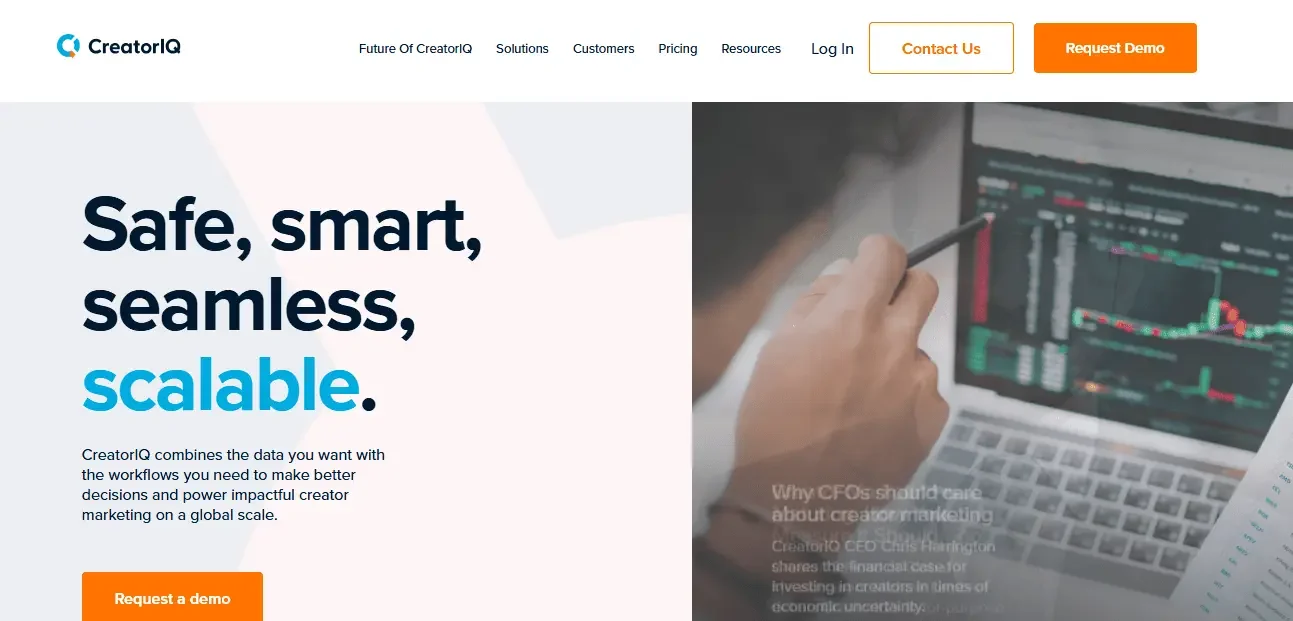
CreatorIQ is an enterprise influencer marketing platform built for large brands and agencies managing complex, multi-market creator programs, with a focus on data accuracy, compliance and integrations.
Best for: Global enterprises with large teams and heavy reporting requirements.
Platform coverage: Instagram, TikTok, YouTube, Facebook, Pinterest, Twitch and X.
Pricing: Custom annual contracts. Buyers report paying roughly $30,000 to $59,500 per year (Vendr, August 2026).
Reviews: 4.6/5.0 (G2)
Standout features:
- API-based data: Direct connections with Meta, TikTok and YouTube for accurate, compliant metrics.
- Advanced search: Highly specific discovery using keywords, content themes and audience traits.
- Shareable one-sheets and approvals: Stakeholders can review creators and content without logging in.
- Enterprise track record: Used by brands like Disney, Unilever and H&M.
Pros:
- Trusted, API-backed performance data.
- Customizable reporting for large programs.
- Hands-on onboarding and customer success.
Cons:
- Annual contracts only, with no free trial.
- Priced well above mid-market budgets.
- Affiliate conversion tracking is less automated than eCommerce-focused platforms.
6. HypeAuditor
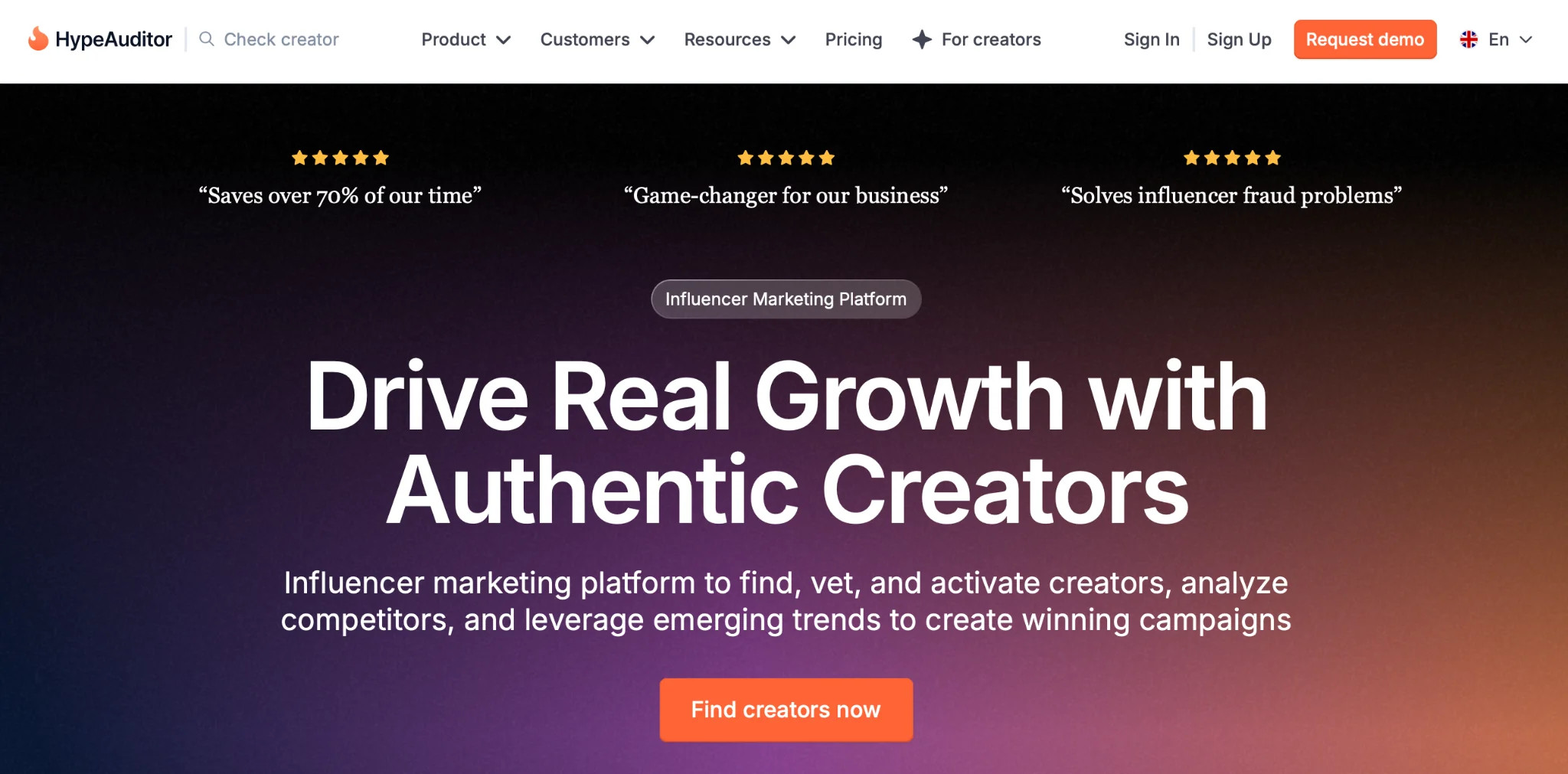
HypeAuditor is best known for creator vetting and fraud detection, and it has grown into a full platform for discovery, outreach, campaign management and eCommerce tracking.
Best for: Brands that prioritize audience quality and fraud detection.
Platform coverage: Instagram, TikTok, YouTube, X, Twitch and Snapchat.
Pricing: Custom, modular plans, usually starting around $10,000/year on an annual commitment. A 24–48 hour free trial is available.
Reviews: 4.8/5 (Capterra)
Standout features:
- Audience quality and fraud detection: Industry-leading checks for fake followers and suspicious engagement.
- AI-powered discovery: Analyzes bios, captions, visuals and audience data to categorize creators.
- Social listening: Finds creators already mentioning your brand or competitors.
- Shareable reporting: Export reports as PDFs or share live links.
Pros:
- Some of the most detailed audience analytics available.
- Covers outreach, CRM and ROI tracking, not just vetting.
- Free trial before committing.
Cons:
- High starting cost for smaller teams.
- Only a small share of its 200M profiles are opted-in creators who can apply directly.
- The depth of features comes with a learning curve.
7. Aspire
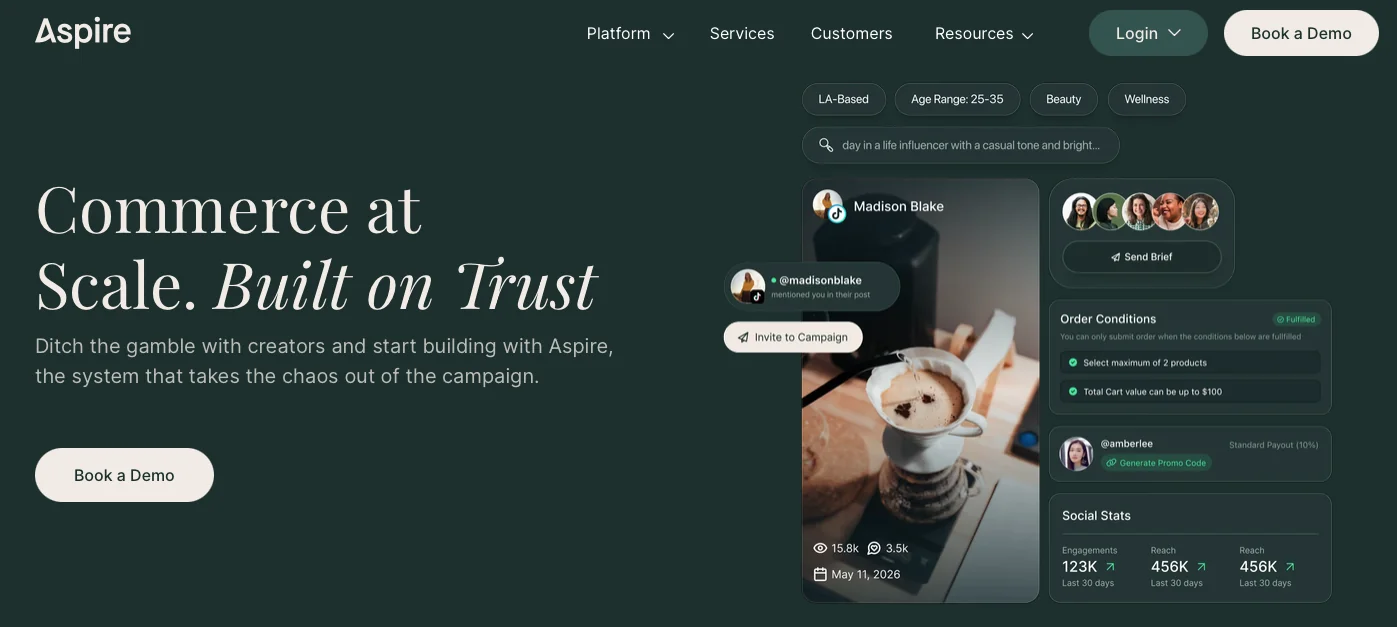
Aspire (formerly AspireIQ) combines a creator marketplace of 1M+ creators with workflow tools for gifting, content, affiliate programs and long-term creator relationships.
Best for: Brands that want creators to come to them through a marketplace, plus tools for ongoing partnerships.
Platform coverage: Instagram, TikTok, YouTube, Pinterest and Facebook.
Pricing: Custom, on annual contracts. Buyers report paying roughly $11,000 to $37,000 per year (Vendr, August 2026). See our full Aspire pricing review.
Reviews: 3.5/5.0 (Capterra)
Standout features:
- Creator marketplace: Post campaigns and let creators apply.
- Gifting automation: Shopify-integrated product seeding workflows.
- Content licensing: Tools for long-term relationships and content rights.
- Agency services: Optional managed support from Aspire's own team.
Pros:
- Inbound creator interest reduces manual outreach.
- Strong for ongoing ambassador and relationship programs.
- Established platform with large consumer brands.
Cons:
- No published pricing and annual contracts.
- Priced above many mid-market alternatives.
- Many customers add managed services to run programs, which increases cost.
8. Traackr
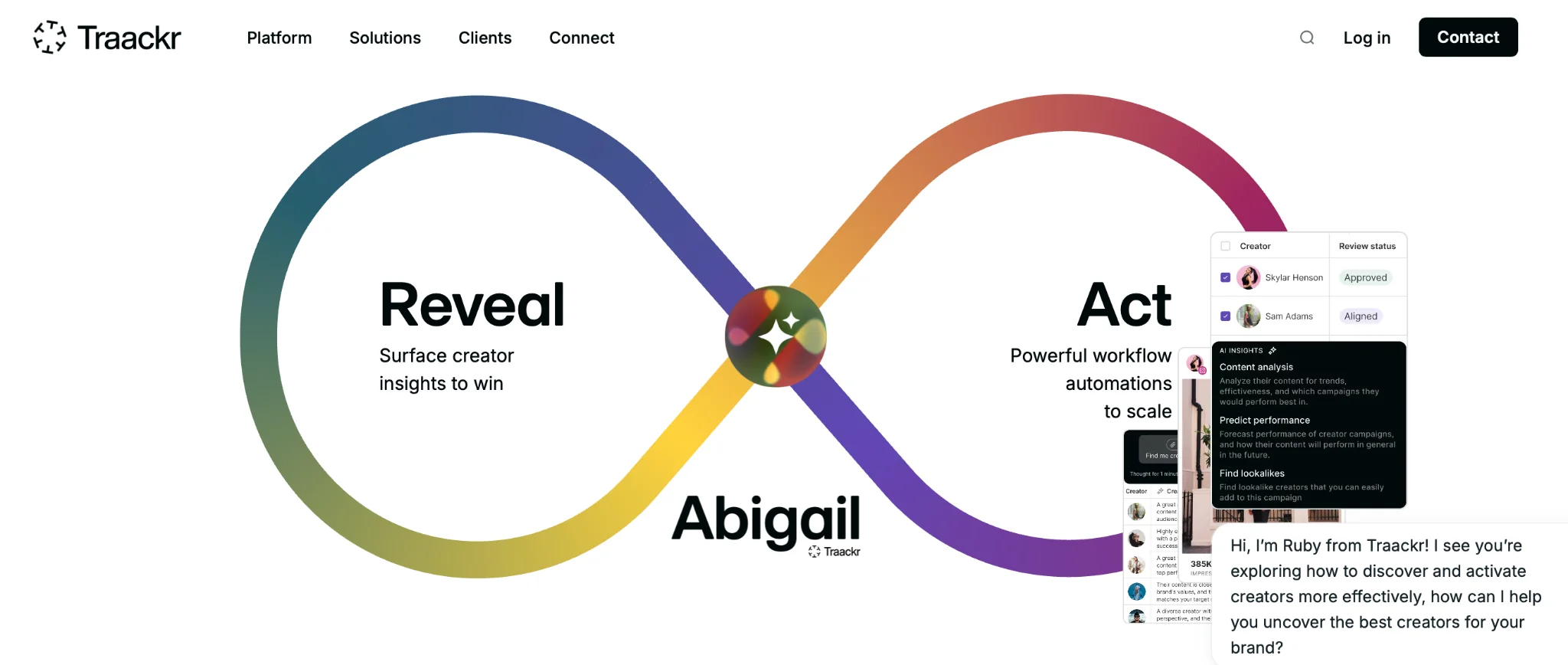
Traackr is an influencer relationship management and analytics platform for enterprise brands that want to benchmark performance and optimize spend across markets.
Best for: Enterprise brands focused on measurement, benchmarking and budget optimization.
Platform coverage: Instagram, TikTok, YouTube, Facebook, Pinterest, X, Snapchat, Twitch and LinkedIn.
Pricing: Custom, usually starting around $32,500/year, billed annually.
Reviews: 4.3/5 (G2)
Standout features:
- Brand Vitality Score: Benchmarks your brand's influence against competitors over time.
- Budget optimization: Recommends spend per creator based on historical performance.
- Cost-per metrics: Tracks CPC, CPE, CPV and more across creators and campaigns.
- Global discovery: 6M+ creators with localization insights for multi-market campaigns.
Pros:
- Excellent benchmarking and measurement tools.
- Built for multi-market, multi-language programs.
- Highly rated onboarding and customer success.
Cons:
- Annual contracts at an enterprise price.
- Some users flag audience demographic estimates as inaccurate.
- Smaller database than discovery-focused tools, with gaps in niche micro-creators.
9. Influencity
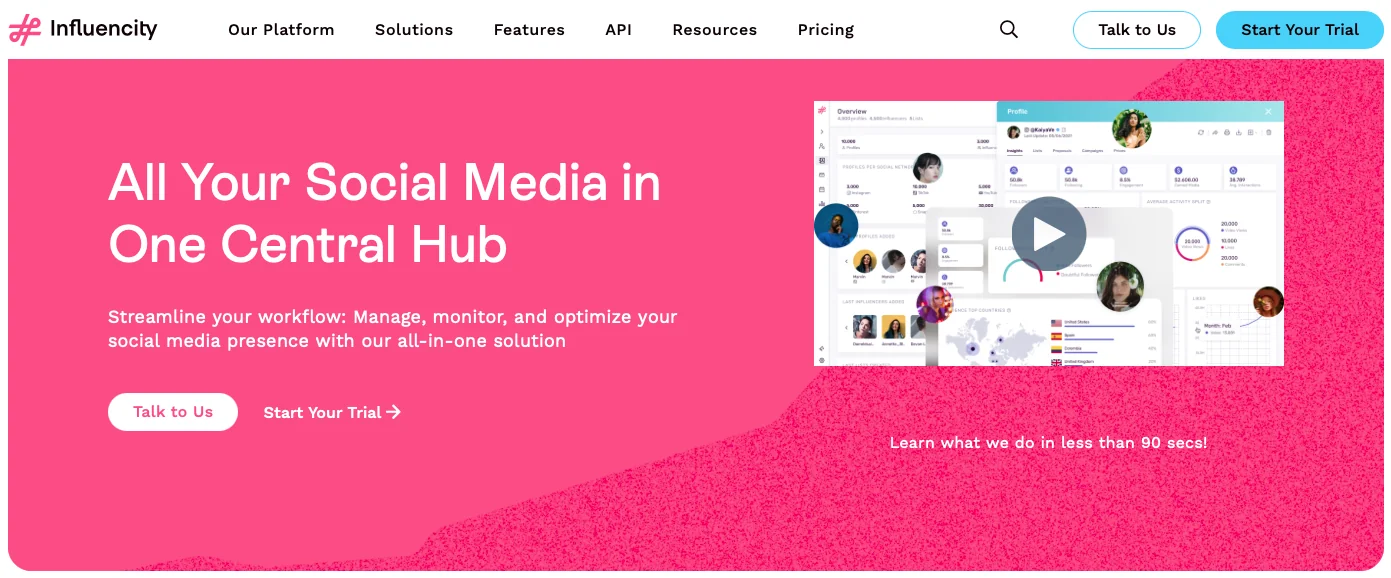
Influencity is a discovery and campaign management platform for small and mid-sized teams, with a 200M+ creator database, audience analytics and a relationship management module on higher plans.
Best for: Small and mid-sized brands and agencies that want solid audience analytics without an annual contract.
Platform coverage: Instagram, TikTok, YouTube and Twitch.
Pricing: Month-to-month or annual plans, starting around $318/month (Professional, billed annually), with custom Enterprise plans. See our Influencity pricing breakdown. [[VERIFY — Influencity has changed its tiers in 2026; confirm current plans on influencity.com/pricing before publishing]]
Reviews: [[Add rating — G2 or Capterra]]
Standout features:
- 200M+ creator database with audience demographics and follower quality scores.
- Influencer relationship management: Organize creators into lists and pipelines.
- Campaign tracking: Automated tracking of creator content and performance.
- Shopify gifting for product seeding.
Pros:
- Lower entry price than most full platforms.
- Month-to-month billing with no long-term commitment.
- Strong analytics for the price.
Cons:
- Monthly caps on profile analyses.
- No in-platform messaging with creators.
- Lighter on outreach automation, affiliate tracking and eCommerce integrations.
10. Shopify Collabs
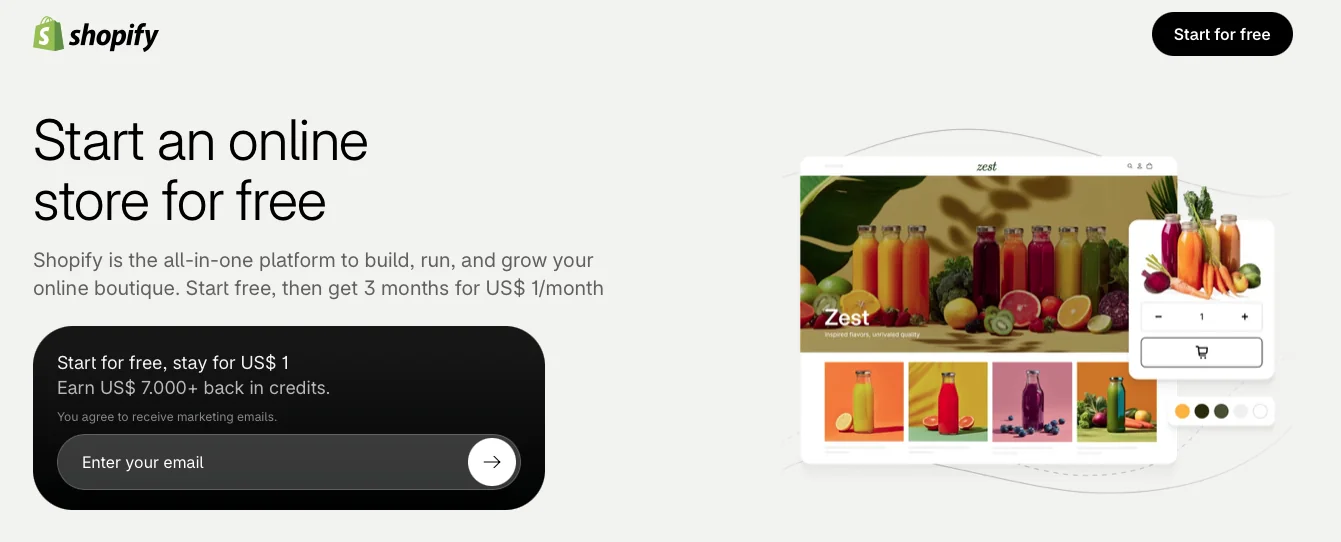
Shopify Collabs is Shopify's native affiliate app. Merchants can recruit creators through an application page or Shopify's creator network, send product gifts, create affiliate links and discount codes, and pay commissions automatically, all inside the Shopify admin.
Best for: Small Shopify stores starting an affiliate-style creator program without upfront software costs.
Platform coverage: Creators connect Instagram, TikTok, YouTube and Facebook profiles.
Pricing: Free to install, with no monthly subscription. Shopify charges a 2.9% processing fee on automatic commission payouts. Read our full Shopify Collabs pricing and review.
Reviews: 3.9/5 (Shopify App Store)
Standout features:
- Native Shopify attribution: Orders and commissions are tracked directly in your store.
- Application pages and invitations: Recruit creators inbound or invite them with custom offers and gifts.
- Open access programs: Let eligible creators promote your products at set commission rates.
- Automatic payouts: Commissions are paid out on a regular schedule.
Pros:
- No subscription cost, so it's low risk to start.
- Reliable sales attribution, since it's built into Shopify.
- Simple setup for gifting and affiliate links.
Cons:
- Only works for Shopify stores.
- Creators must be based in the US, Canada or the UK, and new creator registration has been limited.
- Limited discovery, vetting and outreach tools as your program grows.
11. Sprout Social
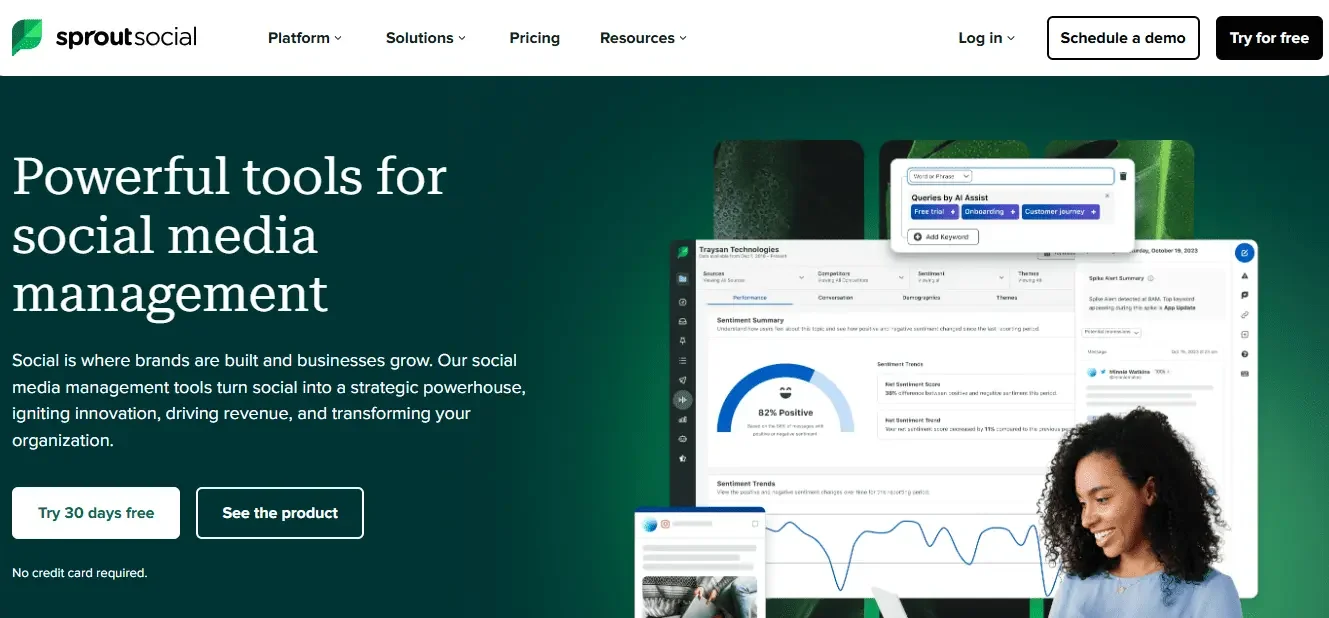
Sprout Social added influencer marketing through its acquisition of Tagger. It's a strong fit for teams that already use Sprout for social media management and want influencer data in the same place.
Best for: Teams already in the Sprout ecosystem that want social management, brand safety and influencer workflows together.
Platform coverage: Instagram, TikTok and YouTube.
Pricing: Starts around $1,600/user/month plus $600 per additional user, with a mandatory annual commitment.
Reviews: 4.5/5 (Capterra)
Standout features:
- Brand fit and safety AI: Scores how well a creator aligns with your brand's values and audience.
- Content approval workflow: Creators upload drafts for review before publishing.
- Competitive benchmarking and EMV: Real-time earned media value and competitor comparisons.
- Advanced discovery filters by age, region and engagement.
Pros:
- One platform for social media management and influencer marketing.
- Strong brand safety and approval tools.
- Fast, responsive support.
Cons:
- Expensive per-user pricing with a 12-month minimum.
- Gifting and affiliate tracking depend on Shopify.
- No automated content licensing.
12. Later
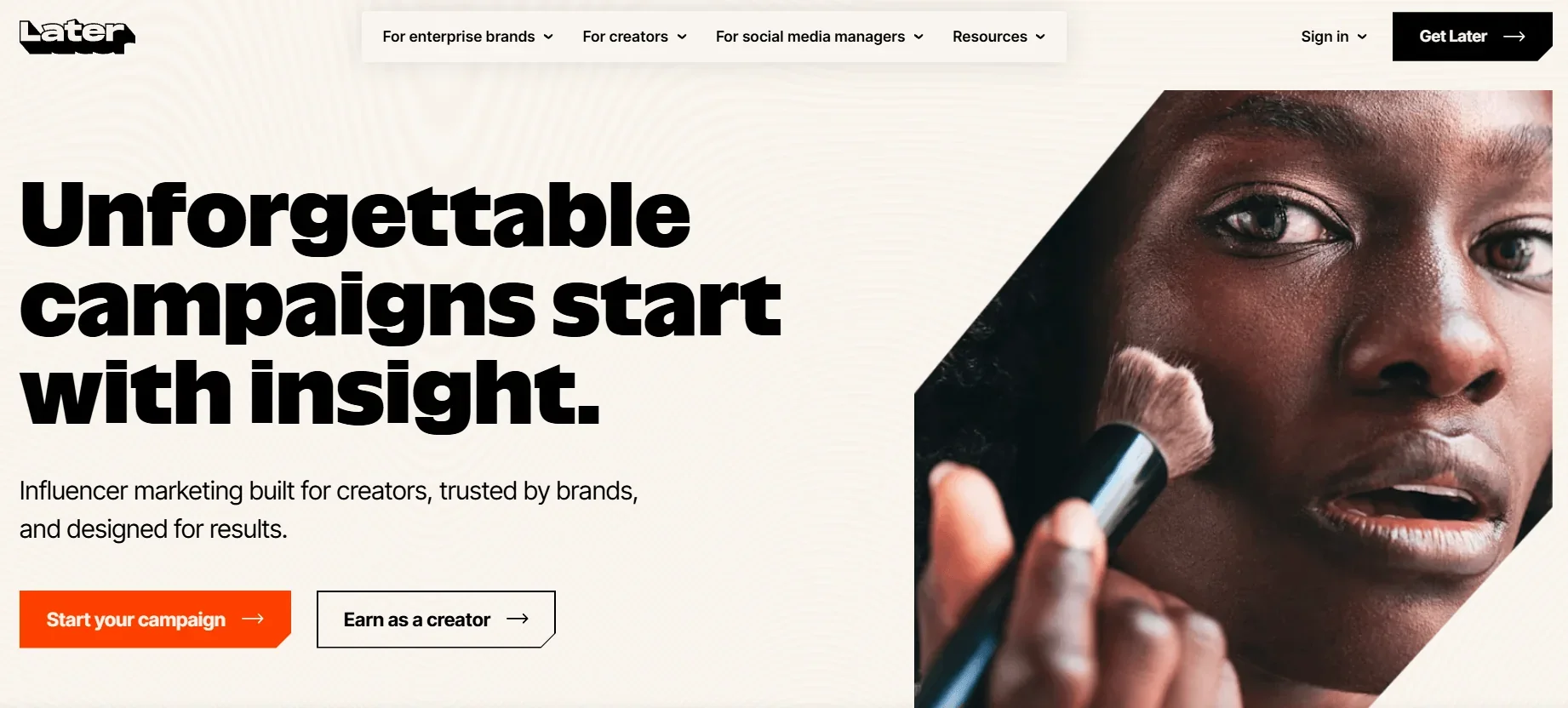
Later (which acquired Mavrck) combines creator discovery, campaign management and reporting with its social scheduling tools, and offers optional managed services for brands that want help running programs.
Best for: Brands that want a mix of self-serve software and hands-on managed services.
Platform coverage: Instagram, TikTok, YouTube, Facebook, Pinterest, X, Snapchat and LinkedIn.
Pricing: All plans include a one-time $5,000 onboarding fee.
- Essentials: $28,500/year
- Pro: $42,000/year
- Premier: $60,000/year
Reviews: 4.4/5 (Capterra)
Standout features:
- AI-assisted discovery by keywords, audience and brand affinity.
- Managed sourcing: Later's team can source creators for you from a brief.
- Brand safety checks for fake followers and flagged content.
- Creator application pages to capture inbound interest.
Pros:
- Flexible mix of DIY and managed services.
- Integrated outreach and CRM.
- Dedicated account managers.
Cons:
- High entry price plus an onboarding fee.
- Onboarding typically takes 4–6 weeks.
- No paid ads or whitelisting tools.
How to Choose the Right Influencer Marketing Software
Match the tool to how you actually run creator programs:
- You want one platform for the whole workflow: Choose an all-in-one platform like Influencer Hero, especially if you want to automate repetitive steps, connect your existing stack and tie campaigns to revenue.
- You're on a tight budget and mainly need discovery: Start with Modash or Influencity.
- You want to test before committing: GRIN's free plan and Shopify Collabs cost nothing to start, though both have limits as programs grow.
- You run global, multi-market programs: CreatorIQ or Traackr are built for enterprise governance and reporting.
- Creator quality and fraud are your biggest risk: HypeAuditor has the deepest vetting tools.
- Your team already lives in a social suite: Sprout Social or Later keep influencer work next to scheduling and listening.
Before you sign, ask each vendor three questions: Is there an annual commitment? Which eCommerce platforms does sales tracking support? What happens when you exceed your plan's creator or credit limits?
Final Thoughts
The best influencer marketing software depends on your stage and your stack. Discovery tools like Modash and Influencity are the cheapest way to start finding creators, enterprise suites like CreatorIQ and Traackr fit global programs, and GRIN's new free plan and Shopify Collabs make it easy to test with little upfront cost.
If you want AI-powered discovery, automations that run your workflow for you, and 45+ integrations connecting outreach, gifting, UGC, affiliate tracking, payments and revenue reporting, without enterprise pricing or a Shopify-only setup, Influencer Hero is built for exactly that. Book a demo to see it with your own creator program.
Resumen
Este es un texto dentro de un bloque div.
Este es un texto dentro de un bloque div.
Precios/mes
Reseñas de Shopify
Este es un texto dentro de un bloque div.
Este es un texto dentro de un bloque div.
Este es un texto dentro de un bloque div.
Este es un texto dentro de un bloque div.
Este es un texto dentro de un bloque div.
Este es un texto dentro de un bloque div.
Este es un texto dentro de un bloque div.
Este es un texto dentro de un bloque div.
Este es un texto dentro de un bloque div.
Este es un texto dentro de un bloque div.
Este es un texto dentro de un bloque div.
Este es un texto dentro de un bloque div.
Este es un texto dentro de un bloque div.
Este es un texto dentro de un bloque div.
Este es un texto dentro de un bloque div.
Este es un texto dentro de un bloque div.
Este es un texto dentro de un bloque div.
Este es un texto dentro de un bloque div.
Este es un texto dentro de un bloque div.
Este es un texto dentro de un bloque div.
Este es un texto dentro de un bloque div.
Leer más

Preguntas frecuentes




Blogs más populares


¿Estás listo para lograr un ROI de más de 10 veces?
Programa una demostración con uno de nuestros expertos en medios a continuación.