
Beste Influencer-Marketing-Software für Marktplätze

March 6, 2026
|
Veröffentlicht

October 12, 2026
|
Aktualisiert

14 Min
|
Lektüre

Influencer Performance Marketing Kurs | GUTSCHEIN: IMC100

Malena Gacia
| Author

Steigern Sie Ihren ROI mit Influencern

Globale Influencer-Datenbank
ALL-IN-ONE Plattform
CRM, Affiliate, UGC & More
Beste Influencer-Marketing-Software für Marktplätze
Marktplätze sind schnell zu einem der wichtigsten Wachstumskanäle für eCommerce-Marken geworden. Egal, ob Sie über Amazon, Shopify-gestützte Marktplätze oder Multi-Vendor-Plattformen verkaufen, Influencer-Marketing ist zunehmend mit Product Seeding, Affiliate-Verkäufen und messbaren Umsätzen verbunden – nicht nur mit Awareness.
Die Durchführung von Influencer-Kampagnen in einer Marktplatzumgebung bringt jedoch spezifische operative Anforderungen mit sich. Teams benötigen zuverlässige Influencer-Recherche, optimierte Gifting-Workflows, Affiliate-Link- und Discount-Tracking sowie klare ROI-Sichtbarkeit über mehrere Creator und Produkte hinweg. Die manuelle Verwaltung – oder über vernetzte Tools – wird schnell schwierig, wenn Programme skaliert werden.
Dieser Leitfaden behandelt die beste Influencer-Marketing-Software für Marktplätze, speziell für Marken, die Influencer-Kampagnen direkt mit der Verkaufsleistung des Marktplatzes verbinden möchten. Wenn Sie in einer marktplatzgesteuerten Umgebung tätig sind, helfen Ihnen diese Plattformen, die Creator-Verwaltung zu zentralisieren, Workflows zu automatisieren und von Influencern angetriebene Umsätze an einem Ort zu verfolgen.
Top 10 beste Influencer-Marketing-Software für Marktplätze:
Wie wir Influencer-Marketing-Software für Marktplätze bewertet haben
Um diese Liste zu erstellen, haben wir Influencer-Marketing-Plattformen danach bewertet, wie gut sie eCommerce-Marken unterstützen, die Marktplätze nutzen.
Die Kriterien konzentrierten sich sowohl auf Integrationskompabilität als auch auf die Möglichkeit, leistungsgetriebene Influencer-Kampagnen in großem Maßstab durchzuführen.
Bewertungskriterien
- Integration und Kompatibilität mit Marktplätzen: Wie gut jede Plattform mit marktplatzgesteuerten Shops funktioniert, entweder durch native Integrationen oder kompatible Workflows, die zu bestehenden eCommerce-Operationen passen.
- Influencer-Kampagnenmöglichkeiten: Das Ausmaß, in dem jede Plattform zentrale Anwendungsfälle des Influencer-Marketing unterstützt, einschließlich Creator-Recherche, Outreach, Beziehungsmanagement, Gifting- und Seeding-Kampagnen sowie Affiliate-basierte Zusammenarbeit.
- Leistungsverfolgung und Berichterstattung: Die Möglichkeit, die Leistung auf Influencer- und Kampagnenebene zu verfolgen, einschließlich Konversionen, Umsatzzuordnung und ROI, was für eCommerce-Teams, die sich auf messbare Ergebnisse konzentrieren, unerlässlich ist.
- Automatisierung und Workflow-Effizienz: Wie effektiv die Plattform zeitaufwändige Aufgaben wie Outreach, Kampagnenverwaltung, Follow-ups und Berichterstattung automatisiert – besonders wichtig für kleine Teams, die Influencer-Programme in großem Maßstab verwalten.
- Benutzerfreundlichkeit (UX/UI): Das Gesamtbenutzererlebnis, einschließlich Dashboard-Design, Navigation, Onboarding-Prozess und Lernkurve für Teams, die bereits in Marktplatzumgebungen tätig sind.
- Skalierbarkeit für wachsende Marken: Wie gut die Plattform Wachstum unterstützt, von kleinen Teams, die ihre ersten Influencer-Kampagnen durchführen, bis zu etablierten DTC-Marken, die Hunderte oder Tausende von Creatorn verwalten.
- Preisgestaltung und Vertragsflexibilität: Transparenz der Preisgestaltung, Verfügbarkeit flexibler Pläne und ob die Plattform wachsende Programme unterstützt, ohne zu früh lange Verpflichtungen zu erzwingen.
- Kundensupport und Onboarding: Verfügbarkeit und Qualität von Support-Ressourcen, einschließlich Onboarding-Unterstützung, Dokumentation, Reaktionszeiten und laufender Customer-Success-Unterstützung.
Beste Influencer-Marketing-Software für Marktplätze
Die Wahl einer Influencer-Marketing-Software für ein Marktplatzgeschäft unterscheidet sich geringfügig von der Wahl eines Standard-Influencer-Tools. Marktplatz-Marken benötigen in der Regel engere Verbindungen zwischen Creatorn, Produkten, Affiliate-Links und tatsächlicher Umsatzzuordnung – nicht nur Kampagnenverwaltung.
Nachfolgend finden Sie einen schnellen Vergleich der besten Influencer-Marketing-Software für Marktplätze, der Ihnen einen Überblick darüber gibt, wie jede Plattform die Recherche, Creator-ZusammenarbeitAffiliate-Tracking und skalierbare Influencer-Operationen.
| Plattform | Ideal für | Preis ab | Besonderheit |
|---|---|---|---|
| Influencer Hero | Marketplace- und eCommerce-Marken, die leistungsgesteuerte Influencer- und Affiliate-Programme in großem Umfang durchführen | $649/Monat | 450M+ Influencer-Datenbank. Integrierte Automatisierung, Storefronts und Marketplace-ready Affiliate-Tracking auf einer Plattform |
| Heepsy | Kleine bis mittlere Marken, die sich auf Influencer-Entdeckung und Outreach konzentrieren | $369/Monat | Große globale Influencer-Datenbank mit starken Filteroptionen und Massen-Outreach |
| Aspire | DTC-Marken, die strukturierte Influencer-Kampagnen mit eingehenden Creator-Bewerbungen verwalten | $2.300/Monat | Starke Workflow-Automatisierung und großer Marketplace für eingehende Creator |
| Captiv8 | Enterprise-Marketplace-Marken, die tiefe Analysen und Wettbewerbsinformationen benötigen | $25.000/Jahr | Fortgeschrittene Kampagnen-Analysen und Tracking von Creator-Konkurrenten |
| Afluencer | Early-Stage-Marketplace-Marken, die sich auf Influencer-Rekrutierung konzentrieren | $49/Monat | Collab-basierter Influencer-Bewerbungsmarketplace |
| Insense | Marken, die UGC-Erstellung und Marketplace-ready Creator-Inhalte priorisieren | $500/Quartal | Geprüfter Creator-Marketplace mit starken UGC-Kampagnen-Workflows |
| Modash | Datengesteuerte Teams, die Affiliate-lastige Influencer-Programme verwalten | $199/Monat | Massive öffentliche Creator-Datenbank mit Affiliate-Automatisierung |
| CreatorIQ | Enterprise-Marken, die globale Influencer-Programme durchführen | $35.000/Jahr | Enterprise-Grade Datenzugriff und anpassbare Reporting-Infrastruktur |
| Sprout Social | Große Teams, die Influencer-Marketing mit Social-Analysen kombinieren | $1.599/Benutzer/Monat | Fortgeschrittenes Reporting, Benchmarking und Brand-Safety-Tools |
| GRIN | eCommerce-Marken, die Gifting und Creator-Beziehungen verwalten | $2.085/Monat | Tiefe eCommerce-Integrationen und Creator-Beziehungs-CRM |
1. Influencer Hero
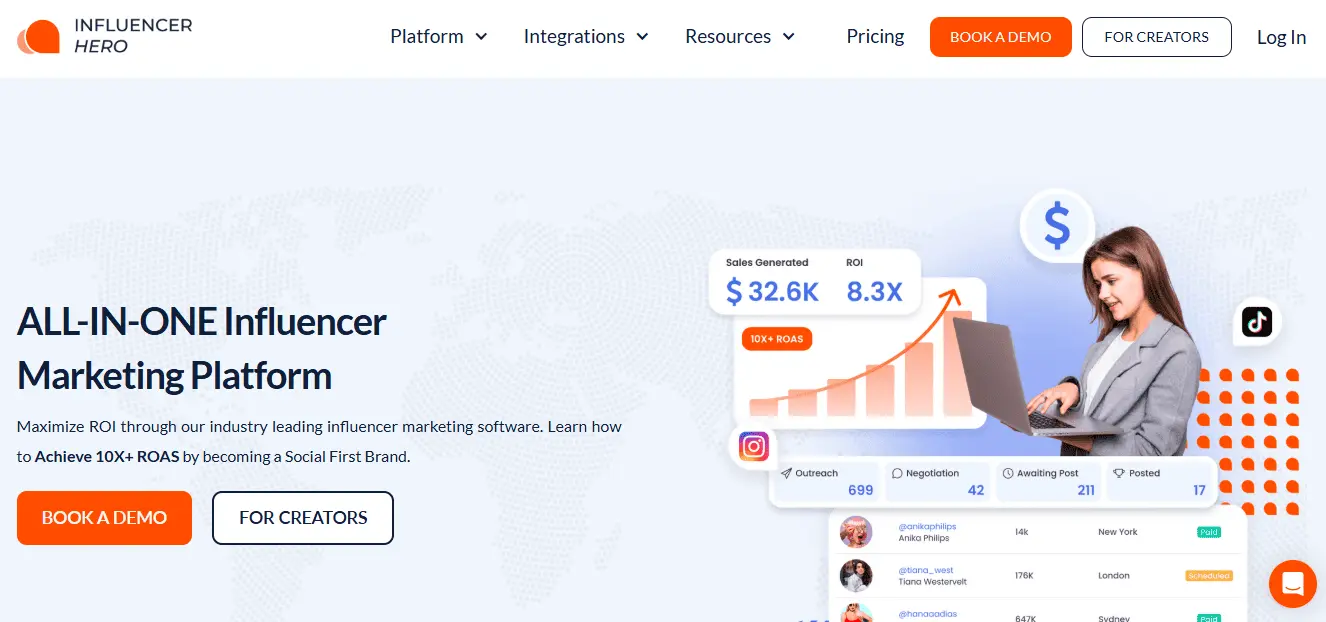
Influencer Hero ist eine end-to-end Influencer-Marketing-Plattform, die für eCommerce- und Marketplace-Marken entwickelt wurde, um Creator-Zusammenarbeit direkt mit Umsatz zu verbinden.
Entwickelt um Automatisierung, Attribution und Skalierbarkeit, hilft es Teams bei der Verwaltung von Entdeckung, Outreach, Gifting, Affiliate-Tracking und Reporting von einem zentralisierten System aus – und macht es zu einer der beste Influencer-Marketing-Software für Marketplaces.
Am besten geeignet für:
Influencer Hero eignet sich am besten für DTC-Marken, Marketplace-Verkäufer und Agenturen, die leistungsgesteuerte Influencer-Programme verwalten, bei denen Affiliate-Verkäufe, Produktseeding und ROI-Tracking Kernprioritäten sind.
Wie es mit Creator Commerce funktioniert:
Influencer Hero unterstützt Marketplace-Programme, indem es Creator-Aktivitäten mit nachverfolgbaren Commerce-Ergebnissen verbindet. Sie können Creator-spezifische Rabattcodes und Affiliate-Links, Klicks und Conversions verfolgen und die Verkaufsattribuierung nach Creator in einem Dashboard sehen.
Für Marken, die über eine einzelne Storefront hinaus verkaufen, unterstützt Influencer Hero auch breitere Marketplace-Umgebungen durch Affiliate-Tracking-Integrationen, sodass Sie die Performance-Berichte konsistent halten können, auch wenn Bestellungen außerhalb von Shopify erfolgen.
Preisgestaltung & Verpflichtung:
Influencer Hero bietet Pläne, die mit der Größe Ihres Programms skalieren, mit einer 3-monatigen Verpflichtung.
- Standard-Plan: Beginnt bei 649 USD/Monat. Ermöglicht Ihnen, bis zu 1.000 Creator pro Monat zu kontaktieren.
- Pro-Plan: Beginnt bei 1.049 USD/Monat. Ermöglicht Ihnen, bis zu 5.000 Creator pro Monat zu kontaktieren.
- Business-Plan: Beginnt bei 2.490 USD/Monat. Ermöglicht Ihnen, bis zu 10.000 Creator pro Monat zu kontaktieren.
- Custom & Agency: Individuelle Preisgestaltung basierend auf Ihren Markenbedürfnissen.
Benutzerfreundlichkeit (UX/UI):
Influencer Hero ist bekannt für seine intuitive Benutzeroberfläche und das optimierte Dashboard, das für operative Teams und nicht für technische Benutzer konzipiert wurde. Kampagnen-Pipelines, Outreach, Automations-Workflows und Reporting befinden sich in einem Workspace, was es einfach macht, große Creator-Programme zu verwalten und gleichzeitig die Sichtbarkeit über jede Phase zu bewahren. Anpassbare E-Mail-Vorlagen und Automations-Regeln reduzieren weitere manuelle Arbeit.
Kundensupport:
Der Kundensupport ist einer der stärksten Differenzierungsfaktoren von Influencer Hero. Marken erhalten 24/7 Live-Chat mit echten Menschen, reaktiven E-Mail-Support und Zugriff auf ein umfassendes Help Center mit schriftlichen und Video-Tutorials. Jeden Plan beinhaltet einen dedizierten Account Manager von Tag eins an, mit optionalen Strategie-Konsultationen, die das Wachstum unterstützen. Pro-Plan-Benutzer erhalten auch Zugriff auf einen privaten Slack-Kanal für schnellere, laufende Zusammenarbeit mit dem Support-Team.
Schlüsselfunktionen:
- Marketplace-Ready Affiliate & Revenue Tracking: Influencer Hero integriert sich nahtlos mit großen E-Commerce-Plattformen wie Amazon, Shopify und anderen. Es verbindet Creator-Aktivität direkt mit Verkäufen durch verfolgbare Links, Rabattcodes und Creator-Storefronts. Marketplace-Marken können Conversions und Umsätze einzelnen Creatorn zuordnen, was die Notwendigkeit von manuellen Berichten eliminiert.
- Automations-Engine für Creator-Workflows: Regelbasierte Automationen ermöglichen es Teams, Creator automatisch zwischen Kampagnenphasen zu verschieben, Affiliate-Links zu generieren, Verträge zu versenden oder Gifting-Workflows auszulösen. Dies ermöglicht schlanken Teams, Hunderte oder Tausende von Creatorn effizient zu verwalten.
- Integriertes Influencer-CRM: Ein speziell entwickeltes CRM bietet vollständige Sichtbarkeit in Outreach, Verhandlungen, Lieferpflichten und Leistungsverlauf. Marketplace-Teams können Creator nach Leistung, Region oder Kampagnentyp organisieren und langfristige Partnerschaften in großem Maßstab verwalten.
- Produkt-Seeding & Gifting-Management: Marken können Produkte direkt an Creator versenden und dabei Erfüllung, Lieferstatus und Posting-Aktivität verfolgen. Hochvolumige Seeding-Kampagnen werden operativ handhabbar, ohne Tabellenkalkulationen oder manuelle Koordination.
- UGC-Erfassung & Content-Performance-Bibliothek: Creator-Inhalte werden automatisch erfasst und in einer zentralisierten Bibliothek organisiert. Teams können schnell die leistungsstärksten Creator-Assets identifizieren, um sie in Marketplace-Listings, Anzeigen und Retention-Kampagnen wiederzuverwenden.
Influencer Hero Einschränkungen:
Da Influencer Hero tiefe Automationen und Workflow-Anpassungen bietet, kann die anfängliche Einrichtung eine Anleitung erfordern, um die Plattform an Ihre Marketplace-Vorgänge anzupassen. Onboarding- und Customer-Success-Teams unterstützen Marken jedoch aktiv bei der Implementierung, um sicherzustellen, dass Kampagnen von Anfang an richtig konfiguriert werden.
2. Heepsy

Heepsy ist eine Influencer-Marketing-Plattform, die sich hauptsächlich auf Influencer-Entdeckung, Outreach und Kampagnenmanagement konzentriert. Sie hilft Marken, Creator anhand von Zielgruppen- und Engagement-Filtern zu identifizieren und unterstützt gleichzeitig Outreach und Affiliate-artige Zusammenarbeiten, was sie zu einer praktischen Option für Marketplace-Marken macht, die Creator-Partnerschaften effizient aufbauen möchten.
Am besten geeignet für
Heepsy ist am besten für kleine bis mittlere Marketplace-Marken geeignet, die eine starke Influencer-Entdeckung und Massen-Outreach-Funktionen möchten, ohne sich auf Enterprise-Level-Plattformen festlegen zu müssen.
Funktionsweise mit Marketplaces
Heepsy unterstützt Marketplace-Workflows, indem es Marken hilft, Creator zu akquirieren und Kollaborationen mit verfolgbaren Aktionen wie Rabattcodes und Creator-spezifischen Links zu verbinden. Sobald Creator aktiviert sind, können Marken Heepsy's Kampagnen-Tracking nutzen, um die Content-Performance zu überwachen und – bei Plänen mit Sales-Tracking – Creator-Promotionen an messbare Commerce-Ergebnisse zu koppeln.
Preisgestaltung
Heepsy bietet flexible Preisoptionen mit monatlichen, 6-monatigen und jährlichen Varianten je nach Plan-Stufe.
- Advanced Plan: ~369 €/Monat (Standard-Monatspreis)
- 6-Monats-Plan: ~1.771 € pro 6 Monate (mit Rabatt)
- Jahresplan: ~2.878 €/Jahr (saisonale Rabatte verfügbar)
Sales-Tracking, Affiliate-Integrationen und erweiterte Reporting-Funktionen sind hauptsächlich im Advanced-Plan verfügbar. Es sind keine langfristigen Verträge erforderlich, und Pläne können jederzeit aufgewertet oder gekündigt werden.
Benutzerfreundlichkeit (UX/UI)
Benutzer heben Heepsy's sauberes Interface und einfaches Filtersystem häufig als eine der größten Stärken hervor. Die Sucherfahrung ist unkompliziert und ermöglicht es Vermarktern, Creator schnell mithilfe von Zielgruppen- und Engagement-Filtern einzugrenzen. Einige Benutzer erwähnen, dass das Campaign-Tracking im Vergleich zu Enterprise-Plattformen einfacher wirkt, was das Onboarding für kleinere Teams beschleunigt.
Kundenunterstützung
Kundenfeedback vermerkt in der Regel responsive Onboarding-Unterstützung und hilfreiche Anleitungen während des anfänglichen Setups. Benutzer schätzen den Zugang zu Onboarding-Calls und Outreach-Vorlagen, die vom Support-Team bereitgestellt werden. Allerdings wird die Support-Tiefe manchmal als operativer als strategisch beschrieben, im Vergleich zu höherwertigen Enterprise-Tools.
Wichtigste Funktionen
- Erweiterte Influencer-Entdeckungsfilter: Heepsy bietet Zugang zu einer Datenbank von etwa 50 Millionen Influencern weltweit mit detaillierten Filteroptionen. Marken können nach Nische, Engagement-Rate, Zielgruppen-Demografien und Authentizitäts-Scores suchen.
- Erkennung gefälschter Follower und Zielgruppen-Qualität: Die Plattform umfasst eine Zielgruppen-Authentizitätsanalyse, die dazu dient, prozentuale Anteile gefälschter Follower zu schätzen. Marketplace-Marken können Creator mit höherwertigen Zielgruppen priorisieren, bevor sie in Gifting oder Affiliate-Partnerschaften investieren.
- Massen-Outreach und E-Mail-Automatisierung: Heepsy ermöglicht es Marken, großflächige Outreach-Kampagnen mit anpassbaren Vorlagen und Follow-ups zu versenden. Dies ist besonders nützlich für Marketplace-Programme, bei denen provisionsbasierte Kollaborationen die Kontaktaufnahme mit vielen Creatorn erfordern.
- Visuelles Campaign-CRM-Dashboard: Ein Kanban-ähnliches Campaign-Board hilft Teams, Influencer-Phasen wie „Kontaktiert", „Genehmigt", „Versendet" oder „Bezahlt" zu verfolgen.
- Marketplace Sales Tracking (Advanced Plan): Mit aktivierten Store-Integrationen können Marken Tracking-Links und Rabattcodes generieren, die an Influencer-Aktivität gebunden sind. Marketplace-getriebene Conversions und Engagement-Metriken können dann neben der Campaign-Performance überwacht werden.
Plattform-Einschränkungen
Heepsy's stärkste Funktionen konzentrieren sich auf Entdeckung und Outreach, was bedeutet, dass erweiterte Automatisierung und Workflow-Management im Vergleich zu vollständigen Suite-Plattformen stärker eingeschränkt sind. Darüber hinaus sind Marketplace-Revenue-Tracking und Affiliate-Funktionalität auf höhere Plan-Stufen beschränkt.
3. Aspire
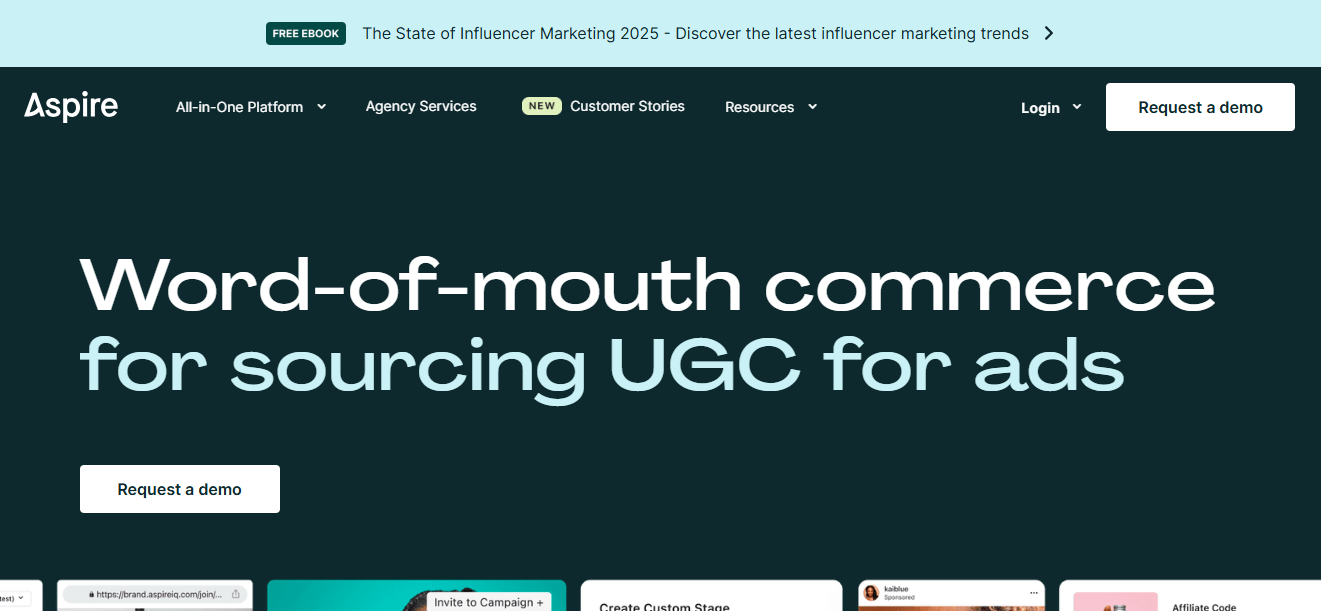
Aspire ist eine Influencer-Marketing-Plattform, die Marken bei der Verwaltung des gesamten Creator-Lebenszyklus unterstützt – von der Entdeckung und Akquisition über Gifting und Content-Genehmigungen bis hin zu Performance-Tracking. Die Plattform betont Workflow-Automatisierung und eingehende Creator-Bewerbungen und ist daher bei wachsenden DTC- und Marketplace-fokussierten Marken beliebt.
Am besten geeignet für
Aspire ist am besten für mittlere bis große Marketplace-Marken geeignet, die strukturierte Influencer-Programme durchführen, die auf laufende Creator-Bewerbungen und Product-Seeding-Kampagnen angewiesen sind.
So funktioniert es mit Marktplätzen
Aspire unterstützt marktplatzgesteuerte Influencer-Programme, indem es Creator-Rekrutierung, Produktseeding und Vertriebsattribution in einem Workflow kombiniert. Marken können Zusammenarbeitsmöglichkeiten veröffentlichen (damit sich Creator bewerben), Geschenke über verbundene Produktkataloge koordinieren und dann die Leistung mithilfe von Creator-Links, Rabattcodes und Creator-Store-ähnlichen Erlebnissen verfolgen.
Dies macht es einfacher, marktplatzähnliche Programme auszuführen, in denen Creator spezifische Produkte bewerben und die Leistung anhand von Konversionen und Umsatzzuordnung gemessen wird – nicht nur anhand von Engagement.
Preisgestaltung
Die Preisgestaltung von Aspire wird basierend auf Nutzung und Skalierung angepasst.
- Beispiel der mittleren Ebene: ~2.300 €/Monat
- Gestaffelte Preisgestaltung je nach Creator-Volume und Teamgröße
- Typischerweise erforderliche Jahresverträge nach Genehmigung des Angebots
Benutzerfreundlichkeit (UX/UI)
Benutzer beschreiben Aspire häufig als strukturiert und workflow-orientiert, besonders für kampagnenintensive Teams. Das Dashboard organisiert Kampagnen klar und hilft Vermarktern, Creator-Stufen und Genehmigungen effizient zu verwalten. Einige Benutzer merken an, dass die Fülle von Funktionen während des anfänglichen Onboardings zu einer moderaten Lernkurve führen kann.
Kundenunterstützung
Aspire erhält starkes Feedback für Onboarding und laufende Client-Success-Unterstützung. Marken werden Implementierungsmanager zugewiesen, die bei der Konfiguration von Workflows und dem Start früher Kampagnen helfen. Benutzer erwähnen häufig proaktive strategische Anleitung anstelle von rein technischem Support.
Wichtigste Funktionen
- Inbound-Creator-Marktplatz: Aspire ermöglicht es Marken, Zusammenarbeitsmöglichkeiten zu veröffentlichen, auf die Creator sich direkt bewerben können. Dies reduziert Kaltakquise und hilft Marktplatzmarken, eine stetige Pipeline interessierter Creator zu halten.
- Automatisierte Kampagnen-Workflows: Kampagnenstufen wie Einladungen, Verträge, Genehmigungen und Follow-ups können automatisiert werden. Marktplatz-Teams, die Produkteinführungen verwalten, profitieren von reduzierter manueller Koordination.
- Produktgeschenke & Fulfillment-Tracking: Creator können Produkte direkt aus verbundenen Katalogen unter markendefinierten Regeln auswählen. Marken behalten die Kontrolle über Budgets und Fulfillment-Genehmigungen. Der Versandstatus und die Kampagnenbeteiligung bleiben in einem Dashboard sichtbar.
- Vertriebs- & Affiliate-Tracking: Aspire verfolgt Konversionen durch Links, Rabattcodes und Creator-Stores. Marken können den durch Influencer angetriebenen Marktplatzvertrieb neben Kampagnen-Leistungsmetriken messen.
- Content-Bibliothek & Nutzungsrechts-Management: Alle Influencer-Inhalte werden automatisch gespeichert und zur Wiederverwendung organisiert. Marktplatz-Teams können UGC über Produktauflistungen, Anzeigen und Retention-Kanäle neu verwenden. Nutzungsberechtigungen sind in Kampagnen-Workflows eingebettet.
Plattformbeschränkungen
Die Preisgestaltung von Aspire kann für kleinere Marktplatzverkäufer hoch sein, die neu im Influencer Marketing anfangen. Darüber hinaus ist die direkte Creator-Zahlungsverarbeitung weniger zentralisiert als in manchen All-in-One-Plattformen.
4. Captiv8
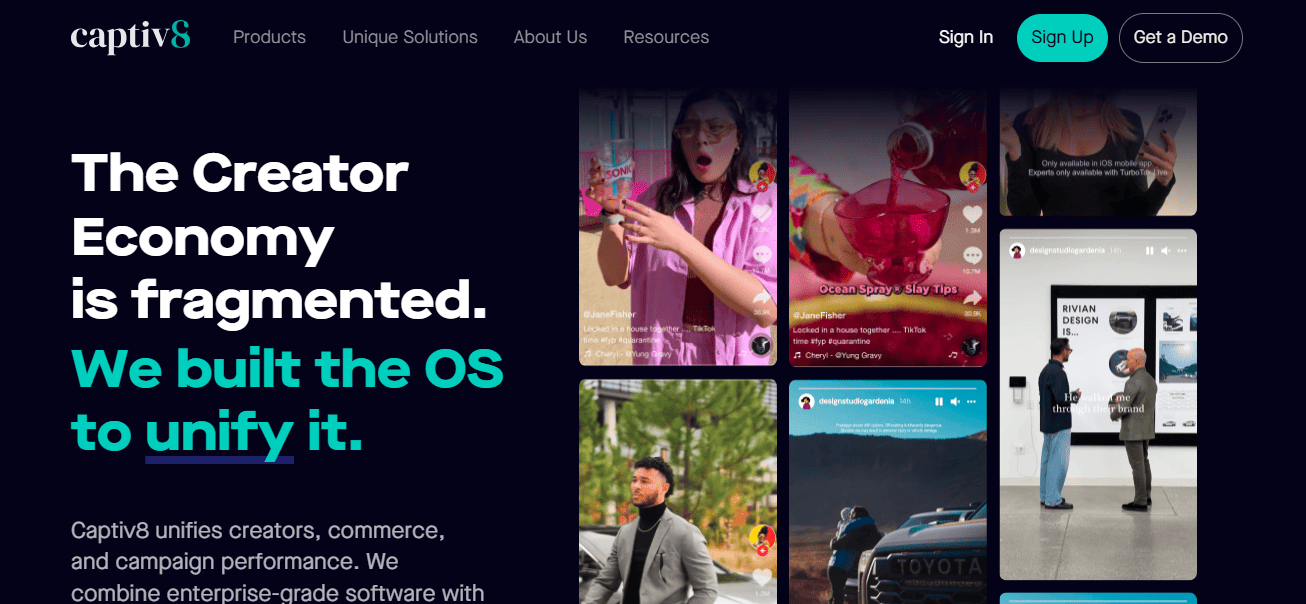
Captiv8 ist eine Enterprise-Influencer-Marketing-Plattform für große Marken, die globale Creator-Kampagnen mit fortgeschrittener Analytik und Leistungsberichte verwalten. Sie kombiniert Influencer-Discovery, Zusammenarbeitswerkzeuge und tiefe Kampagnenmessungsfunktionen.
Am besten geeignet für
Captiv8 eignet sich am besten für Enterprise-Marktplatzmarken oder große Organisationen, die hochbudgetierte Influencer-Programme mit fortgeschrittener Berichterstattung und Wettbewerbsintelligenz durchführen.
So funktioniert es mit Marktplätzen
Captiv8 unterstützt marktplatzfokussierte Influencer-Programme, indem es Marken hilft, Creator zu identifizieren, die bereits relevante Produktinhalte erstellen, sie in Kampagnen zu aktivieren und Ergebnisse anhand von tiefgehender Leistungsberichterstattung zu messen.
Marken können wichtige Commerce-bezogene Metriken verfolgen (einschließlich Verkaufsverkäufe und ROAS-ähnliche Leistung, wo verfügbar), dann Ergebnisse in anpassbare Berichte für laufende Optimierung zusammenfassen. Für Marken, die Storefronts oder Affiliate-ähnliche Programme nutzen, addieren Captiv8's Creator-Commerce-Features (wenn enthalten) Storefront-Funktionen hinzu, die Produktkuration und verfolgte Verkäufe unterstützen, die an die Creator-Promotion gebunden sind.
Preisgestaltung
Captiv8 folgt Enterprise-Preisgestaltung mit jährlichen Verpflichtungen.
- Plattformzugriff: ~25.000 USD/Jahr
- Onboarding-Gebühr: ~3.000 USD einmalig
- Affiliate- + Storefront-Features: Zusätzlich ~20.000–30.000 USD/Monat
- Jahresverträge erforderlich
Benutzerfreundlichkeit (UX/UI)
Benutzer beschreiben Captiv8 oft als leistungsstark aber komplex aufgrund seines Enterprise-Level-Feature-Sets. Das Dashboard bietet tiefe Anpassung, obwohl neue Benutzer möglicherweise ein Onboarding benötigen, um Reporting-Tools vollständig zu nutzen. Größere Teams profitieren im Allgemeinen am meisten von der Zusammenarbeitsoberfläche.
Kundensupport
Rückmeldungen zum Kundensupport sind in Review-Communitys gemischt. Einige Enterprise-Clients berichten von hilfreichen Onboarding-Teams, während andere langsame Reaktionszeiten oder ungelöste Probleme erwähnen. Die Supportqualität scheint je nach Kontogröße und Service-Tier zu variieren.
Wichtigste Features
- Wettbewerbsfähige Creator-Intelligenz: Captiv8 ermöglicht Marken, Influencer zu identifizieren, die bereits mit Wettbewerbern zusammenarbeiten. Marketplace-Teams können gesponserte Posts, Erwähnungen und Sentiment-Trends analysieren. Dies hilft, Partnerschaftsstrategien basierend auf bewährter Creator-Leistung zu informieren.
- Fortgeschrittenes Performance-Tracking & Reporting: Die Plattform verfolgt Metriken wie ROAS, EMV, Engagement, Impressionen und Conversions. Berichte können um geschäftliche KPIs angepasst und für Leadership-Teams exportiert werden. Marketplace-Marken gewinnen tiefere Sichtbarkeit in die Influencer-Auswirkung.
- Zusammenarbeit bei der Kampagnenverwaltung: Mehrere Stakeholder können Creator überprüfen, Partnerschaften genehmigen und intern in Creator-Profilen kommunizieren. Dies unterstützt große Marketplace-Organisationen, die Kampagnen abteilungsübergreifend verwalten. Zusammenarbeit reduziert Entscheidungsengpässe.
- Globale Post- & Markenerwähnungssuche: Captiv8 scannt Bildunterschriften, Hashtags und visuelle Inhalte, um Markenerwähnungen zu identifizieren. Marketplace-Marken können organische Befürworter entdecken, die bereits ähnliche Produkte fördern. Dies erweitert die Creator-Suche über traditionelle Suchen hinaus.
- Benutzerdefinierte Reporting-Integrationen: Kampagnendaten können sich mit breiteren Analyseumgebungen für zentralisierte Berichterstattung verbinden. Marketplace-Teams können Influencer-Ergebnisse mit gesamten Marketing-Performance-Dashboards abgleichen. Dies ist wertvoll für Enterprise-Reporting-Strukturen.
Plattformlimitationen
Captiv8's Preisgestaltung macht es für viele kleine und mittlere Marketplace-Marken unzugänglich. Zusätzlich erfordern Storefront- und Affiliate-Funktionen erhebliche zusätzliche Investitionen über die Basisplattform hinaus.
5. Afluencer

Afluencer ist eine leichte Influencer-Rekrutierungsplattform, die es Marken vereinfacht, sich mit Creatorn zu verbinden. Anstatt eine vollständige Kampagnenverwaltungssuite anzubieten, konzentriert sie sich auf Matchmaking durch Zusammenarbeitslisten und Influencer-Bewerbungen.
Beste Eignung Für
Afluencer eignet sich am besten für frühe Marketplace-Marken oder kleinere Verkäufer, die Influencer für Gifting- oder Affiliate-Zusammenarbeit ohne komplexe Kampagneninfrastruktur rekrutieren möchten.
Funktionsweise mit Marketplaces
Afluencer unterstützt Marketplace-ähnliche Influencer-Programme durch ein Collab-Listing-Modell, bei dem Marken Zusammenarbeitangebote (Gifting, Affiliate oder bezahlt) posten und Creator sich bewerben. Dies macht es einfach, Creator speziell für die Promotion von Marketplace-Listings oder Produktbündeln unter Verwendung von verfolgten Links oder Codes zu rekrutieren, die außerhalb – oder neben – Ihr vorhandenes Marketplace-Setup verwaltet werden. Es ist eine einfache Möglichkeit, Creator für Marketplace-Promotions zu sourchen, aber die meisten Performance-Tracking- und Attributionsfunktionen erfolgen über Ihren Store oder Affiliate-System anstatt innerhalb von Afluencer.
Preisgestaltung
Afluencer bietet flexible monatliche Preisgestaltung:
- VIP:$49/month
- Concierge: $99/month
- Boss: $199/month
Keine langfristigen Verträge erforderlich.
Benutzerfreundlichkeit (UX/UI)
Nutzer heben durchgehend die Einfachheit und flache Lernkurve von Afluencer hervor. Das Collab-Listensystem ermöglicht ein schnelles Kampagnen-Setup, besonders für erstmalige Influencer-Marketer. Erfahrene Teams könnten die Oberfläche jedoch im Vergleich zu erweiterten Plattformen begrenzt finden.
Kundenbetreuung
Kundenfeedback lobt allgemein den reaktionsschnellen Live-Chat und die Onboarding-Anleitung. Kleinere Marken schätzen den direkten Zugang zu Unterstützung während des Kampagnen-Setups. Die Unterstützung konzentriert sich eher darauf, Nutzer durch Zusammenarbeit zu leiten, als strategische Kampagnenoptimierung anzubieten.
Hauptfunktionen
- Collab-basierte Influencer-Rekrutierung: Marken veröffentlichen Zusammenarbeitsmöglichkeiten, auf die Influencer sich direkt bewerben. Dies reduziert den ausgehenden Outreach-Aufwand für Marketplace-Teams. Die Rekrutierung wird eingehend statt manuell.
- Verifizierte Influencer-Profile: Alle Creator treten freiwillig der Plattform bei und gewährleisten die Legitimität des Profils. Marketplace-Marken vermeiden Risiken durch Daten-Scraping. Partnerschaften beginnen oft mit wärmeren Vorstellungen.
- Flexible Zusammenarbeitsmöglichkeiten: Kampagnen können Geschenke, Affiliate-Provisionen oder bezahlte Partnerschaften beinhalten. Marketplace-Verkäufer können mehrere Vergütungsstrukturen testen. Dies unterstützt Experimente während der frühen Wachstumsphasen.
- Direkte Nachrichten & Verhandlung: Marken kommunizieren mit Creatoren innerhalb der Plattform nach Annahme. Bedingungen, Lieferumfang und Nutzungsrechte können direkt ausgehandelt werden. Dies hält frühe Zusammenarbeitsdiskussionen zentralisiert.
- Shopify-Store-Verbindung: Marketplace-Marken können Stores verknüpfen, um affiliate-ähnliche Zusammenarbeit zu unterstützen. Influencer können in Botschafter- oder Affiliate-Programme geleitet werden. Dies hilft, Partnerschaften mit Marketplace-Promotionen zu verbinden.
Plattformbegrenzungen
Afluencer fehlen integrierte Performance-Analytics und automatisiertes Kampagnen-Tracking, weshalb Marken Berichte extern verwalten müssen. Mit dem Wachstum von Influencer-Programmen wachsen Teams oft über ihre begrenzte Automatisierungsfähigkeit hinaus.
6. Insense
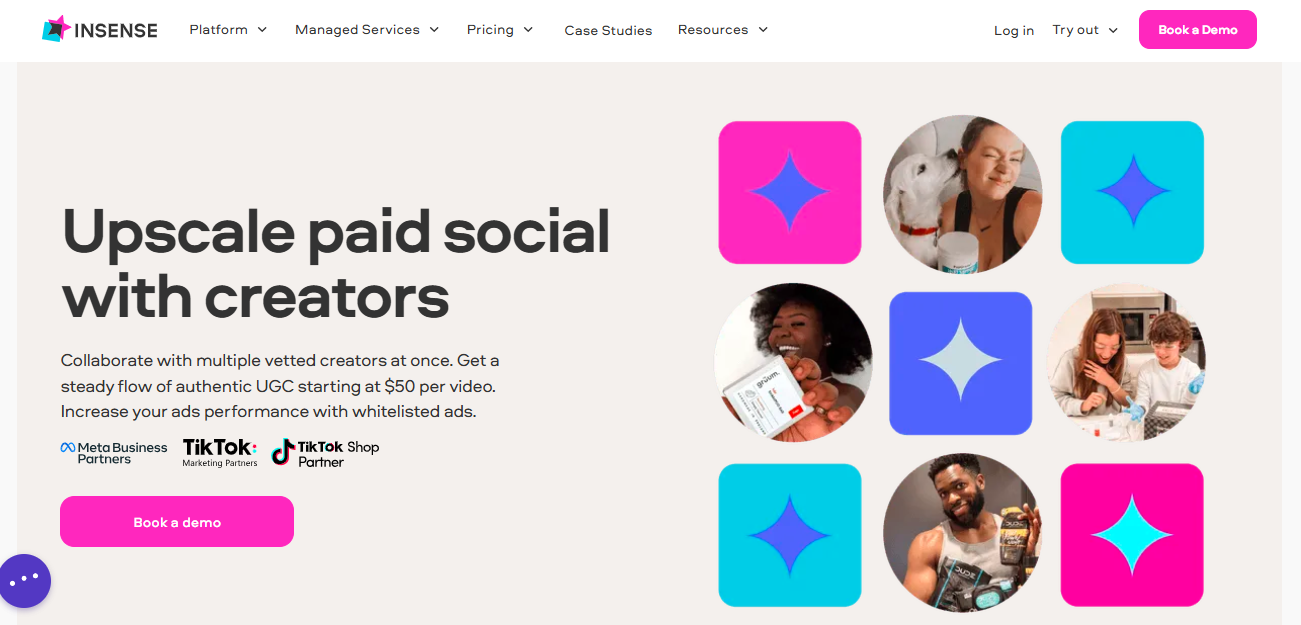
Insense ist eine Influencer-Marketing- und UGC-Plattform, die Marken dabei hilft, Creator zu finden, Zusammenarbeit zu verwalten und Inhalte zu produzieren, die über bezahlte, organische und Commerce-Kanäle verwendet werden können. Sie kombiniert einen geprüften Creator-Marketplace mit Kampagnen-Workflows, die sich stark auf Inhaltsqualität und Genehmigungen konzentrieren.
Am besten geeignet für
Insense eignet sich am besten für Marken, die einen Creator-Marketplace plus strukturierte Workflows zur Erstellung von UGC und Creator-geführten Produktförderungen wünschen.
Wie es mit Marketplaces funktioniert
Insense unterstützt Marketplace-ähnliche Kampagnen, indem Marken öffentliche Kampagnen starten können, auf die Creator sich bewerben können, was nützlich ist, wenn Sie einen stetigen Strom von Bewerbern für spezifische Produktförderungen möchten.
Sie können Produkt-Seeding-Kampagnen durchführen und Lieferumfänge durch ein Genehmigungssystem verwalten, das sicherstellt, dass Inhalte überprüft werden, bevor sie veröffentlicht werden, was hilfreich ist, wenn das Endziel stärkere Marketplace-Auflistungen, Anzeigen oder Storefront-Inhalte sind. Performance-Berichte existieren innerhalb der Plattform, aber tiefere Umsatzattribution hängt normalerweise davon ab, wie Sie Affiliate-Links oder Commerce-Performance in Ihrem breiteren Stack nachverfolgen.
Preisgestaltung
Insense-Preise werden vierteljährlich abgerechnet:
- Brand Plan: ~$500/Monat vierteljährlich abgerechnet (~$1.500 pro 3 Monate)
- Beinhaltet 2 Benutzer-Plätze
- Mindestens 3 Monate Verpflichtung
- Verwalteter Service als Upgrade verfügbar
Benutzerfreundlichkeit (UX/UI)
Insense wird allgemein als selbstbediente Plattform mit einer intuitiven Benutzeroberfläche positioniert, die es einfach macht, Kampagnen schnell zu starten. Der Workflow ist unkompliziert für die Überprüfung von Bewerbern, Genehmigung von Inhalten und Verwaltung von Überarbeitungen. Die Berichte werden relativ einfach gehalten, was die Dashboard-Komplexität reduziert, aber für Teams, die erweiterte Analytik an einem Ort möchten, eingeschränkt wirken kann.
Kundenbetreuung
Insense legt Wert auf Onboarding und laufende Unterstützung durch Live-Chat und E-Mail. Marken erhalten Hilfe während der Einrichtung und können sich bei der Unterstützung abstützen, während Kampagnen laufen. Der Support wird als reaktionsschnell und praktisch dargestellt, besonders für Teams, die die Creator-Produktion im Laufe der Zeit skalieren.
Wichtigste Funktionen
- Überprüfter Creator Marketplace: Insense arbeitet mit einem kuratierten Pool von Creatorn zusammen und betont die Qualitätskontrolle durch Überprüfung und laufende Compliance-Checks. Dies hilft Marken, das Risiko von inkonsistenten Lieferergebnissen bei der Erstellung von Inhalten für Commerce-Kanäle zu verringern.
- Application-Based Campaigns: Marken können öffentliche Kampagnen starten, die relevante Creator benachrichtigen und Bewerbungen fördern. Dies verringert die Abhängigkeit von Kaltakquise und macht es einfacher, Kampagnen rund um bestimmte Produkteinführungen auszufüllen. Es schafft auch eine konsistente eingehende Pipeline, wenn Sie wiederholte Marketplace-Promotionen durchführen.
- Content-Genehmigung + Überarbeitungen: Insense enthält ein Genehmigungssystem, in dem Marken Entwürfe überprüfen und Überarbeitungen anfordern können, bevor die Zahlung freigegeben wird. Dies ist nützlich, wenn der Inhalt mit Produktrichtlinien oder Marketplace-Positionierung übereinstimmen muss.
- Flexible Lieferungen für UGC: Marken können Rohaufnahmen, bearbeitete Videos und spezifische kreative Formate wie Testimonials oder Unboxings anfordern. Dies unterstützt Marketplace-Anforderungen, da Sie Assets für Listings, Anzeigen und organische Social Media aus einem Kampagnenbrief generieren können. Es gibt Marken auch mehr Kontrolle darüber, was Creator einreichen.
- Produkt-Seeding-Unterstützung: Insense unterstützt Produkt-Versand-Workflows und kann sich mit Shopify für Seeding integrieren. Dies macht es einfacher, die Produktversände an Creator als Teil einer Kampagne zu koordinieren. Es hilft Marken auch, die operative Seite des Seeding zu verfolgen, ohne sich vollständig auf manuelle Follow-ups zu verlassen.
Platform-Einschränkungen
Insense bietet keine starken Bulk-Outreach-Tools, und die direkte Nachrichtenübermittlung kann im Vergleich zu Outreach-First-Plattformen mehr manuelle Schritte erfordern. Das Reporting wird als grundlegender innerhalb der Plattform beschrieben, daher verlassen sich Marken oft auf externe Analytics-Tools für detailliertere Aufschlüsselungen.
7. Modash
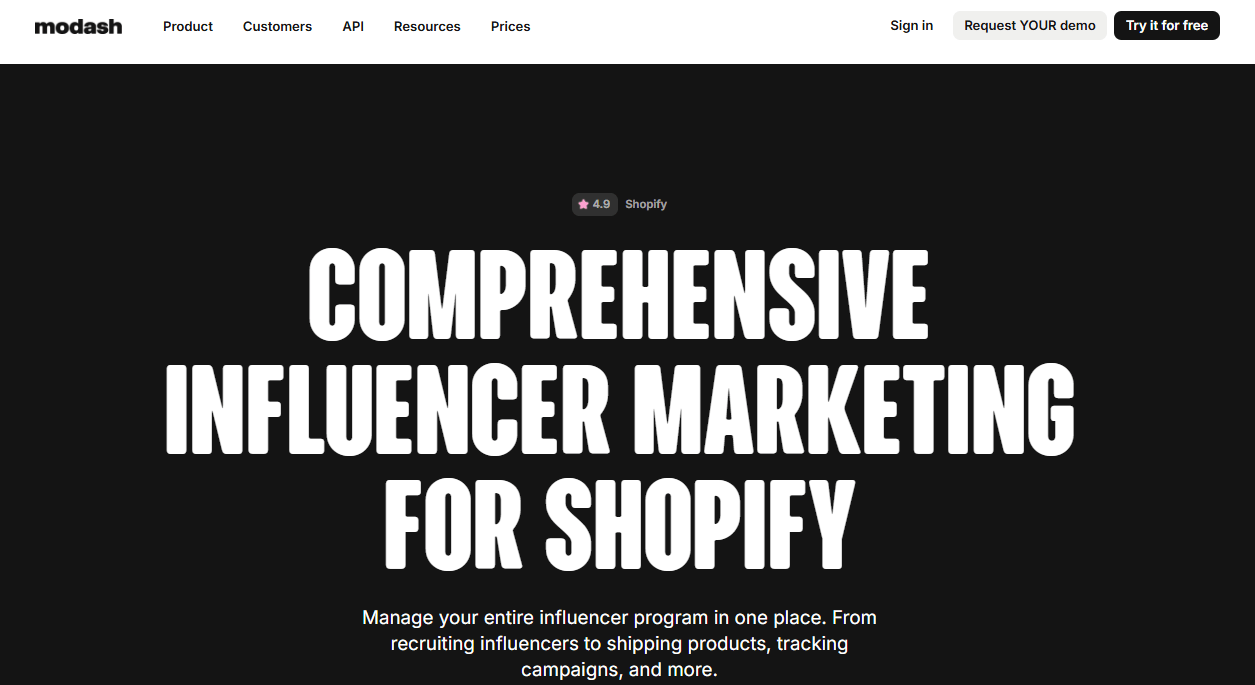
Modash ist eine Influencer-Marketing-Plattform, die sich auf Discovery, Outreach und Performance-Tracking konzentriert, mit starkem Fokus auf Affiliate-Workflows. Sie wurde entwickelt, um Marken dabei zu helfen, Creator im großen Stil zu finden und Zusammenarbeit mit messbaren Ergebnissen zu verbinden.
Am besten geeignet für
Modash eignet sich am besten für Marken, die Affiliate-lastige Creator-Programme durchführen, bei denen nachverfolgbare Links, Discount-Codes und Conversion-Reporting wichtiger sind als manuelle Kampagnenverwaltung.
Funktionsweise mit Marketplaces
Modash unterstützt Marketplace-ähnliche Workflows, indem es Marken ermöglicht, nachverfolgbare Links und Discount-Codes über die Shopify-Integration zu generieren und dann Einlösungen und Affiliate-Verkäufe zu verfolgen, die an jeden Creator gebunden sind.
Dies ist nützlich, wenn Creator Traffic auf Produktseiten oder Storefronts lenken und Sie einen klaren Überblick darüber haben möchten, wer Umsatz generiert. Es unterstützt auch Provisionseinrichtung und Auszahlungen, sodass Sie laufende Affiliate-ähnliche Zusammenarbeit durchführen können, ohne separate Prozesse für Verfolgung und Zahlung zu erstellen.
Preisgestaltung
Modash-Preise werden jährlich abgerechnet:
- Essentials: €199/Monat
- Performance: €499/Monat
- Enterprise: Custom Pricing
Benutzerfreundlichkeit (UX/UI)
Modash ist um eine schnelle Discovery-Erfahrung herum aufgebaut, und die Plattform wird als „Best-in-Class" für Suche und Filterung positioniert. Der Workflow ist stromlinienförmig von der Discovery bis zum Outreach bis zur Verfolgung, was die Notwendigkeit verringert, während der Ausführung zwischen Tools zu wechseln. Da sich die Plattform auf einen kleineren Satz von Kernfunktionen konzentriert, fühlt sich die Benutzeroberfläche normalerweise weniger überladen an als Enterprise Suites.
Kundenunterstützung
Modash wird beschrieben, als starken Support und Onboarding in den Demo-Notizen zu haben. Die Produkt-Positionierung betont Zuverlässigkeit und Reaktionsfähigkeit, anstatt schwere verwaltete Dienste anzubieten. Für Teams, die sich schnell mit einer Self-Service-Plattform bewegen möchten, wird Support in der Regel als praktisch und implementierungsorientiert dargestellt.
Wichtigste Funktionen
- Große öffentliche Creator-Datenbank:Modash bietet Zugang zu 350M+ öffentlichen Profilen und ist nicht auf Opt-in-Creator beschränkt. Dies ist nützlich, wenn Sie Creator in bestimmten Nischen, Regionen oder Sprachen ohne Datenbankbeschränkungen finden müssen. Es hilft Marken auch, die Rekrutierung für Marketplace-Promotionen schnell zu skalieren.
- Affiliate-Tracking über Shopify: Modash verbindet Affiliate-Links, Rabattcodes und UTM-Tracking mit Shopify-Leistungsdaten. Marken können die Code-Nutzung und zugeordnete Einnahmen überwachen, die an Creator-Aktivitäten gebunden sind. Dies schafft eine direkte Verbindung zwischen Creator-Promotionen und Commerce-Ergebnissen.
- Massen-Outreach: Modash unterstützt vorlagenbasiertes Outreach und Massenversand mit monatlichen Limits je nach Plan. Dies ist besonders nützlich für Affiliate-Programme, bei denen die Antwortquoten niedrig sind und das Volumen zählt. Es hält auch die Kommunikationsverfolgung an einem Ort durch Inbox-Integrationen.
- Creator-Qualität & Zielgruppenanalyse: Modash bietet Analysen wie Checks auf gefälschte Follower, Zielgruppen-Demografie und Engagement-Benchmarks. Dies hilft Marken, nicht auf Creator mit minderwertigen Zielgruppen auszugeben. Es macht auch die Creator-Bewertung konsistenter, wenn Sie im großen Maßstab rekrutieren.
- Provisionseinrichtung + Auszahlungs-Workflows: Marken können Provisionsstufen definieren und Creator-Einnahmen verfolgen. Die Plattform unterstützt Creator-Dashboards, auf denen Influencer ihre Leistung sehen und Auszahlungsdetails eingeben können. Dies macht Affiliate-artige Marketplace-Promotionen einfacher zu verwalten, ohne dass jeden Monat manuelle Abstimmungen erforderlich sind.
Plattformbeschränkungen
Die Commerce-Integration von Modash konzentriert sich auf Shopify, daher benötigen Marken, die in Nicht-Shopify-Umgebungen tätig sind, möglicherweise alternative Tracking-Workflows. Die Plattform enthält auch keine integrierten Content-Lizenzierungstools, daher müssen Nutzungsrechte normalerweise in Verträgen geregelt werden.
8. CreatorIQ
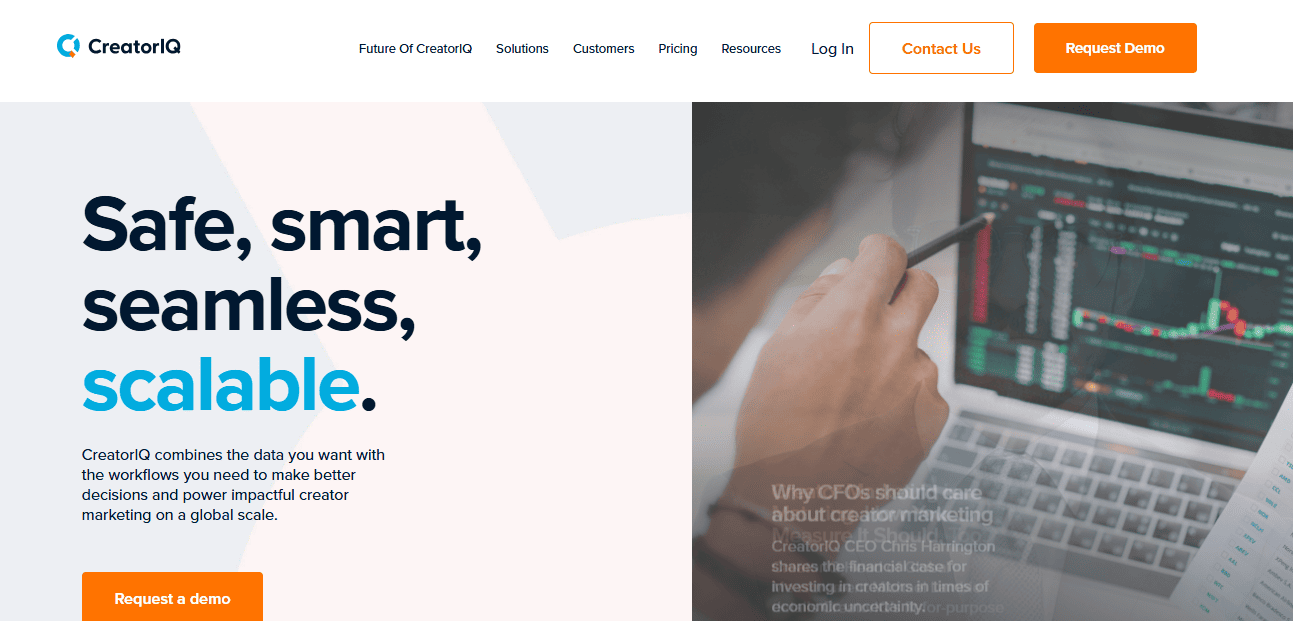
CreatorIQ ist eine Enterprise-Influencer-Marketing-Plattform, die den gesamten Creator-Lebenszyklus von der Entdeckung und Aktivierung bis hin zu Berichterstellung und Zahlungen unterstützt. Sie ist für große Programme konzipiert, die zuverlässige Daten, anpassbare Berichterstellung und strukturierte Governance benötigen.
Beste Eignung für
CreatorIQ eignet sich am besten für Enterprise-Marken, die hochvolumige Creator-Programme mit erweiterten Berichtsanforderungen, internen Genehmigungen und zentralisierten Zahlungen verwalten.
Funktionsweise mit Marketplaces
CreatorIQ unterstützt Marketplace-artige Programme, indem es Marken hilft, Creator-Zusammenarbeit, die an Commerce-Ergebnisse gebunden ist, durch Link-/Code-Generierung und Campaign-Reporting-Workflows zu verwalten. Es ist integriert mit Shopify für Gifting-Workflows und bietet Affiliate-Funktionen, obwohl die Conversion-Berichterstellung für Affiliates möglicherweise manueller ist als bei einigen Affiliate-orientierten Tools.
Die Stärke der Plattform liegt darin, großen Teams zentrale Sichtbarkeit über Creator-Leistung und Campaign-Ergebnisse zu geben, die verwendet werden können, um Marketplace-Promotionen neben breiterer Influencer-Aktivität zu bewerten.
Preisgestaltung
CreatorIQ nutzt Jahresverträge mit gestaffelten Paketen:
- Basic: $35.000/Jahr (1.000 Creator, 3 Plätze)
- Standard: $50.000/Jahr (2.500 Creator, 5 Plätze)
- Professional: $90.000/Jahr (5.000 Creator, 10 Plätze)
- Enterprise: $200.000/Jahr (7.500 Creator, 20 Plätze)
- Creator Connect Add-on: $15.000/Jahr
Benutzerfreundlichkeit (UX/UI)
CreatorIQ ist für Enterprise-Workflows konzipiert, daher ist die Plattform funktionsreich und um Genehmigungen, Dashboards und Campaign-Konfiguration strukturiert. Die Benutzeroberfläche soll komplexe Programme unterstützen, was ein Onboarding für Teams, die neu in Enterprise-Influencer-Software sind, erfordern kann. Nach der Einrichtung sind die Berichts- und Campaign-Ansichten dazu gedacht, benutzerfreundlich und einfach über Live-Links zu teilen zu sein.
Kundensupport
CreatorIQ bietet als Teil seiner Positionierung dedizierten Implementations- und Customer-Success-Support. Die Plattform betont praktisches Onboarding, vierteljährliche Planungsunterstützung und strategische Beratung statt eines rein ticketgestützten Modells. Diese Art von Support soll Enterprise-Teams helfen, komplexe Programme schnell zu operationalisieren und sie im Laufe der Zeit zu verwalten.
Hauptfunktionen
- Öffentliche Creator-Suche ohne Opt-in:CreatorIQ kann öffentliche Creator ohne erforderliche Anmeldung zur Plattformdatenbank durchsuchen. Dies erweitert die Entdeckung über Netzwerke mit ausschließlich Einladungen hinaus und unterstützt breite Rekrutierungsanforderungen. Es hilft Marken auch dabei, Creator anhand vollständiger Profildaten und bisheriger Markenarbeiten zu bewerten.
- Enterprise CRM + Zusammenarbeit: Die Plattform enthält ein privates CRM, in dem Teams Creator speichern, kennzeichnen, Notizen hinzufügen und Kampagnenverlauf verfolgen können. Dies unterstützt langfristige Beziehungsverwaltung über wiederkehrende Marketplace-Promotionen hinweg. Es hält auch die interne Zusammenarbeit für große Stakeholder-Gruppen organisiert.
- Benutzerdefinierte Berichte + Live-Dashboards: CreatorIQ bietet anpassbare Dashboards und Live-Berichte, die mithilfe direkter Plattform-API-Integrationen erstellt werden. Dies macht es einfacher, die Berichterstattung über Kampagnen hinweg zu standardisieren und Ergebnisse mit Stakeholdern zu teilen, ohne Logins zu erfordern. Es unterstützt auch unternehmensgerechte Visualisierungen für die Entscheidungsfindung.
- Zahlungen + Steuercompliance: Zahlungen werden auf der Plattform auf zentralisierte Weise verwaltet, was die operative Last für Finance-Teams reduziert. CreatorIQ unterstützt auch Steuer-Compliance und Dokumentation als Teil von Auszahlungsabläufen. Dies ist wichtig für Marken, die viele Creator über mehrere Marketplace-Initiativen hinweg bezahlen.
- Creator Connect Bewerbungsseiten: Creator Connect bietet eine Anmeldeseite mit Markenbranding, auf der Creator sich bewerben können, mit Ihrer Marke zu arbeiten. Dies unterstützt die eingehende Rekrutierung und hält die Creator-Aufnahme strukturiert. Es speist auch genehmigte Creator automatisch in Ihr CRM ein.
Plattformbeschränkungen
CreatorIQ erfordert Jahresverträge und ein höheres Startbudget, was für kleinere Programme restriktiv sein kann. Die Affiliate-Konversionsberichterstattung wird als manuell statt vollautomatisiert vermerkt und hängt von der Einrichtung ab.
9. Sprout Social
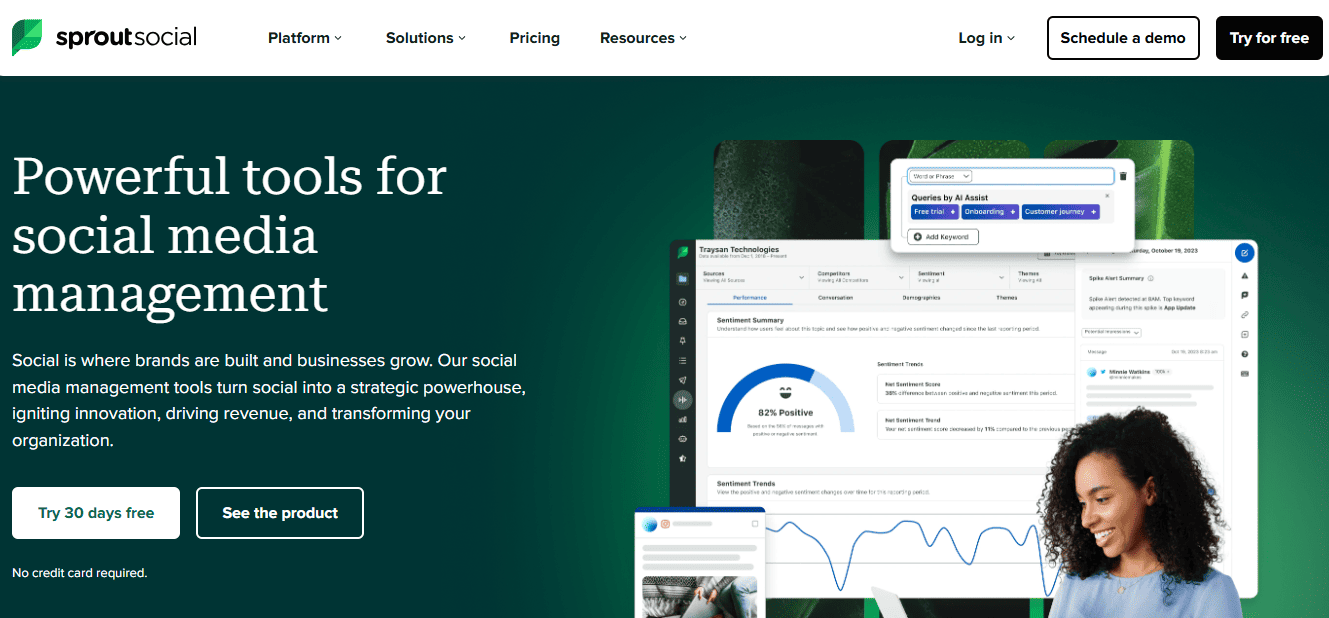
Sprout Social ist eine Social-Media-Management-Plattform, die auch Influencer-Marketing-Funktionen bietet, einschließlich Entdeckung, Kampagnen-Workflows und Analytik. Ihre Influencer-Suite legt Schwerpunkt auf Brand-Fit-Scoring, Brand-Sicherheit und Berichterstattungstiefe.
Beste Eignung für
Sprout Social eignet sich am besten für Marken, die Influencer-Marketing mit starker Analytik, Brand-Safety-Kontrollen und präsentationsgerechter Berichterstattung unterstützen möchten.
Funktionsweise mit Marktplätzen
Sprout Social unterstützt Marketplace-ähnliche Promotionen durch Aktivierung von Gifting- und Affiliate-Program-Workflows über Shopify-Integrationen, einschließlich Rabattcode-Verfolgung und Verkaufsattribution gebunden an Creator. Marken können Creator-Listen verwalten, Kampagnen mit Genehmigungsabläufen durchführen und Leistungsmetriken wie Engagement und EMV neben Commerce-Ergebnissen verfolgen.
Dies ist nützlich, wenn Sie möchten, dass Influencer-Promotionen messbare Aktionen wie Käufe generieren und gleichzeitig Berichterstattung und Governance strukturiert halten.
Preisgestaltung
Sprout Social verwendet benutzerbasierte Preisgestaltung mit Jahresverpflichtungen:
- $1.599 pro Benutzer/Monat (12-Monats-Minimum)
- Zusätzliche Benutzer: $600/Monat pro Stelle
Benutzerfreundlichkeit (UX/UI)
Sprout Social wird als polierte Plattform mit starkem Dashboard-Design und exportierbarer Berichterstattung positioniert. Kampagnen-Workflows sind strukturiert, mit klaren Phasen für Überprüfung, Vorschläge und Inhaltsfreigaben. Einige Funktionen wie Massen-Outreach erfordern möglicherweise Klarheit, je nachdem, wie Sie das Outreach in großem Maßstab durchführen möchten.
Kundenunterstützung
Sprout Social wird typischerweise als Enterprise-Qualität beschrieben, mit Onboarding- und Support-Ressourcen ausgerichtet auf Teams, die konsistente Berichterstattung und Governance benötigen. Die Demo-Notizen betonen integrierte Templates, strukturierte Workflows und Export-Tools, die Reibungsverluste in der täglichen Ausführung reduzieren. Die Support-Erfahrung kann je nach Kontogröße variieren, aber Sprout ist für größere Teams positioniert, die sich auf Dokumentation und wiederholbare Prozesse verlassen.
Wichtige Funktionen
- Brand Fit Score:Sprout Social umfasst einen KI-gestützten Match-Score, um zu bewerten, wie gut ein Creator mit Ihren Markenkriterien übereinstimmt. Dies hilft Teams, die Creator-Auswahl über bloße Follower-Zahlen und Engagement-Raten hinaus zu standardisieren. Dies ist besonders nützlich bei der Durchführung von Marketplace-Promotionen, bei denen die Markenausrichtung die Conversion-Performance beeinflusst.
- Brand Safety Filter: Die Plattform ermöglicht es Marken, Creator basierend auf gekennzeichneten Keywords oder Risikokategorien auszuschließen. Dies hilft, das Reputationsrisiko zu verringern, wenn Creator Produkte an breite Zielgruppen bewerben. Außerdem lassen sich Creator-Shortlists leichter intern genehmigen.
- Content Approval Workflows: Creator können Entwürfe von Beiträgen zur Überprüfung einreichen, bevor sie veröffentlicht werden. Dies gewährleistet konsistente Produkt-Messaging für Marketplace-Promotionen. Es reduziert auch die Gefahr, Probleme nach der Veröffentlichung von Inhalten korrigieren zu müssen.
- Competitive Benchmarking: Sprout bietet Benchmarking-Berichte, die Creator-Überschneidungen und Konkurrenzaktivitäten anzeigen. Dies hilft Marken zu verstehen, welche Creator bereits in ihrer Kategorie aktiv sind. Es unterstützt auch eine fundiertere Creator-Auswahl für Marketplace-Kampagnen.
- Exportierbare Berichte: Berichte können in PDF-, PNG- oder JPEG-Formaten exportiert werden, um sie intern zu teilen. Dies ist nützlich für Stakeholder, die schnelle Zusammenfassungen der Kampagnen-Performance wünschen. Es hilft Teams auch, Ergebnisse von Marketplace-Promotionen zu dokumentieren, ohne manuelle Formatierungsarbeit zu leisten.
Platform-Einschränkungen
Sprout Social wird pro Benutzer mit jährlichen Verpflichtungen berechnet, was mit wachsenden Teams teuer werden kann. Die Plattform enthält auch keine integrierte UGC-Rechteverwaltung, daher wird die Lizenzierung normalerweise in Verträgen außerhalb des Tools geregelt.
10. GRIN
GRIN ist eine Influencer-Marketing-Plattform, die für eCommerce-Marken entwickelt wurde, die End-to-End-Creator-Programme durchführen möchten, einschließlich CRM, Outreach, Gifting und Affiliate-Tracking. Sie ist als All-in-One-System für die Verwaltung von Creator-Beziehungen positioniert, die mit Umsatzergebnissen verbunden sind.
Best Fit For
GRIN eignet sich am besten für etablierte eCommerce-Marken, die laufende Creator-Programme mit Produkt-Seeding, Affiliate-Tracking und wiederholbaren Workflows durchführen.
Funktionsweise mit Marketplaces
GRIN unterstützt Marketplace-ähnliche Influencer-Programme, indem es Gifting-Workflows, Creator-Kommunikation und Affiliate-Attribution in ein einziges operatives System integriert. Marken können Tracking-Links und Codes generieren, Conversions und Umsätze nachverfolgen, die mit Creatorn verbunden sind, und Provisionsauszahlungen über integrierte Zahlungen verwalten. Dieses Modell funktioniert gut, wenn Creator nachweisbare Verkäufe über Storefront-ähnliche Promotionen oder Affiliate-Kampagnen in Verbindung mit Commerce-Kanälen generieren.
Preise
GRIN nutzt benutzerdefinierte Preise mit jährlichen Verpflichtungen:
- Preise beginnen bei etwa 2.500 USD/Monat und können bis zu 10.000+ USD/Monat skaliert werden
- Mindestens 12-Monate Verpflichtung
- Preise variieren je nach Features und Creator-Volumen
Benutzerfreundlichkeit (UX/UI)
GRIN ist als einheitliches System positioniert, das Outreach, Creator-Verwaltung, Gifting und Reporting zentralisiert. Viele Marken schätzen es, wichtige Workflows an einem Ort zu haben, anstatt mit mehreren Tools zu arbeiten. Einige Benutzer berichten, dass Performance und Usability variabel sein können, besonders wenn große Mengen an Creatorn und Inhalten verwaltet werden.
Kundenunterstützung
GRIN bietet Onboarding und optionale Strategist-Unterstützung an, und einige Marken schätzen die praktische Anleitung während des Setups. Das Feedback zur Support-Qualität ist gemischt, wobei einige Benutzer hilfreiche Unterstützung berichten und andere Verzögerungen oder ungelöste Probleme erwähnen. Bei Teams mit komplexen Workflows kann die Support-Reaktionsfähigkeit erheblich beeinflussen, wie reibungslos laufende Vorgänge ablaufen.
Wichtigste Features
- eCommerce-Native Integrationen: GRIN ist so konzipiert, dass es sich mit großen eCommerce-Plattformen und operativen Tools integriert, einschließlich Shopify und PayPal. Dies unterstützt Workflows wie Produkt-Seeding, Code-Generierung und Auszahlungen innerhalb eines Systems. Es hilft Marken auch, die Creator-Performance mit Umsatzergebnissen zu verknüpfen.
- Creator Portals: GRIN bietet creator-freundliche Portale, in denen Influencer Briefs, Verträge, Codes und Liefergegenstände einsehen können. Dies reduziert Hin- und Hergespräche und hält Zusammenarbeit strukturiert. Es hilft Marken auch dabei, wiederholbare Programme über viele Creator hinweg durchzuführen.
- UGC-Bibliothek: Alle Creator-Inhalte werden in einer durchsuchbaren Bibliothek gespeichert, einschließlich Instagram Stories in den bereitgestellten Notizen. Dies macht es einfacher, Assets über Anzeigen, E-Mail und Website-Inhalte hinweg wiederzuverwenden, wenn die Rechte vorhanden sind. Es reduziert auch die manuelle Asset-Erfassung.
- In-Platform-Zahlungen: GRIN unterstützt die Bezahlung von Creatorn über PayPal direkt in der Plattform. Dies kann Zahlungsfriktionen reduzieren und Auszahlungen an die Kampagnenleistung binden. Es unterstützt auch provisionsbasierte Programme, ohne dass externe Auszahlungs-Workflows erforderlich sind.
- KI-Assistent (Gia): GRIN umfasst einen KI-Assistenten, der bei Creator-Entdeckung und Programmeffizienz helfen soll. Er kann Creator-Vorschläge anzeigen und Campaign-Workflows unterstützen. Die Absicht besteht darin, die Entscheidungsfindung zu beschleunigen, ohne die menschliche Kontrolle zu ersetzen.
Plattformbeschränkungen
GRIN wird oft als teuer angesehen, und Verträge sind typischerweise jährlich, was die Flexibilität für kleinere Programme einschränken kann. Benutzer berichten auch von gelegentlichen Plattformproblemen wie langsamen Ladevorgängen oder Fehlern, besonders bei Content-Handhabung und Integrationen.
So wählen Sie die richtige Influencer-Marketing-Software für Marktplätze
Die Wahl der richtigen Influencer-Marketing-Software hängt weniger von der Anzahl der Funktionen als vielmehr davon ab, wie genau die Plattform Ihren operativen Zielen und Ihrer Marktplatz-Einrichtung entspricht.
- Wenn Sie Full-Funnel-Tracking und Leistungsmessung benötigen: Marken, die verstehen möchten, wie Influencer-Aktivitäten in tatsächliche Marktplatz-Einnahmen umgewandelt werden, sollten Plattformen priorisieren, die um Attribution und Reporting aufgebaut sind. Diese Tools verbinden Creator-Zusammenarbeit mit Klicks, Conversions und Verkaufsleistung, anstatt sich nur auf Engagement-Metriken zu konzentrieren.
- Wenn Ihre Hauptpriorität Influencer-Entdeckung und Outreach ist: Einige Marken benötigen hauptsächlich Hilfe beim Auffinden von Creatorn und der effizienten Verwaltung von Outreach. Discovery-fokussierte Plattformen sind oft die richtige Wahl, wenn Influencer-Marketing noch in einer frühen Wachstumsphase ist oder wenn Kampagnen auf schnellem Testen vieler Creator basieren. Diese Lösungen zeichnen sich typischerweise durch Suchfilter, Creator-Datenbanken und Kommunikations-Workflows aus, können sich aber auf externe Systeme für tiefere Marktplatz-Leistungsverfolgung verlassen.
- Wenn Sie Gifting- oder Affiliate-Programme im großen Maßstab durchführen: Marken, die Produkte an große Mengen von Creatorn versenden oder provisionsbasierte Zusammenarbeit verwalten, sollten nach Plattformen suchen, die Fulfillment und Affiliate-Koordination vereinfachen. Software, die Product Seeding, Creator-Management und verfolgte Promotions verbindet, hilft, operative Gemeinkosten zu reduzieren, während Programme wachsen. Dies wird besonders wichtig, wenn Influencer-Aktivität direkt laufende Marktplatz-Verkäufe unterstützt.
Im Allgemeinen profitieren Marken, die Marktplätze nutzen, am meisten von Plattformen, die Discovery, Beziehungsmanagement und Leistungssichtbarkeit in einem System kombinieren, sodass Influencer-Marketing neben allgemeinem Handels-Wachstum skaliert werden kann, anstatt als separater Workflow zu fungieren.
Abschließende Gedanken
Die Wahl der richtigen Influencer-Marketing-Software hängt letztendlich davon ab, wie genau die Plattform mit Ihrer Marktplatz-Wachstumsstrategie übereinstimmt. Einige Tools spezialisieren sich auf Influencer-Entdeckung, andere konzentrieren sich auf Creator-Content-Produktion oder Campaign-Koordination, während eine kleinere Gruppe Influencer-Aktivität direkt mit messbaren Revenue-Ergebnissen verbindet.
Für Marken, die über Marktplätze verkaufen, sind die wirkungsvollsten Plattformen jene, die es Ihnen ermöglichen, Creator-Beziehungen zu verwalten und gleichzeitig die Sichtbarkeit in Leistung, Affiliate-Aktivität und ROI an einem Ort zu bewahren.
Unter den verglichenen Plattformen sticht Influencer Hero als die beste Influencer-Marketing-Software für Marktplätze hervor, besonders für Marken, die leistungsgesteuerte Creator-Programme ohne zusätzliche operative Komplexität durchführen möchten. Buchen Sie eine Demo, um zu sehen, wie Influencer Hero mit Ihrem Marktplatz-Setup funktioniert und alles, was die Plattform zu bieten hat.
Zusammenfassung
Dies ist ein Text in einem Div-Block.
Dies ist ein Text in einem Div-Block.
Preisgestaltung/Monat
Shopify Bewertungen
Dies ist etwas Text in einem Div-Block.
Dies ist Text in einem Div-Block.
Dies ist Text in einem Div-Block.
Dies ist etwas Text in einem Div-Block.
Dies ist Text in einem Div-Block.
Dies ist Text in einem Div-Block.
Dies ist etwas Text in einem Div-Block.
Dies ist Text in einem Div-Block.
Dies ist Text in einem Div-Block.
Dies ist etwas Text in einem Div-Block.
Dies ist Text in einem Div-Block.
Dies ist Text in einem Div-Block.
Dies ist etwas Text in einem Div-Block.
Dies ist Text in einem Div-Block.
Dies ist Text in einem Div-Block.
Dies ist etwas Text in einem Div-Block.
Dies ist Text in einem Div-Block.
Dies ist Text in einem Div-Block.
Dies ist etwas Text in einem Div-Block.
Dies ist Text in einem Div-Block.
Dies ist Text in einem Div-Block.
Mehr erfahren

Häufig gestellte Fragen
Was ist die beste Influencer-Marketing-Software für Marketplace-Verkäufer?

Die beste Software hängt davon ab, ob Ihr Fokus auf Entdeckung, Inhaltsproduktion oder Leistungsverfolgung liegt. Plattformen wie Modash oder Heepsy eignen sich gut für die Entdeckung, während Influencer Hero eine umfassendere Lösung für die Verwaltung von Influencer-Kampagnen und die Verfolgung marktplatzgestützter Einnahmen in einem System bietet.
Kann Influencer-Marketing-Software Marktplatz-Verkäufe verfolgen?
Ja, viele moderne Plattformen unterstützen Marketplace-Workflows durch Affiliate-Links, Rabattcodes oder Integrationen, die Conversions einzelnen Creatorn zuordnen. Influencer Hero ist in diesem Bereich besonders stark, da es die Influencer-Aktivität direkt mit Performance-Reporting und ROI-Tracking verbindet.
Benötigen Sie ein vollständiges Influencer-CRM, wenn Sie über Marktplätze verkaufen?
Wenn Sie mit mehreren Creatorn arbeiten oder laufende Affiliate- oder Gifting-Kampagnen durchführen, wird ein CRM wichtig, um Kommunikation, Liefergegenstände und Leistungsverlauf zu verwalten. Plattformen wie GRIN, CreatorIQ und Influencer Hero bieten zentralisiertes Creator-Management, wobei Influencer Hero in der Regel flexibler ist, um Programme ohne Enterprise-Komplexität zu skalieren.
Welche Plattformen sind am besten für Influencer-Gifting und Partnerprogramme geeignet?
Tools wie Insense, Aspire und GRIN unterstützen Gifting-Workflows, während affiliate-fokussierte Plattformen wie Modash dabei helfen, Provisionen zu verfolgen. Influencer Hero kombiniert sowohl Gifting-Automatisierung als auch Affiliate-Tracking, was es einfacher macht, Marketplace-Zusammenarbeit in großem Maßstab zu verwalten.
Wie wähle ich zwischen Enterprise- und flexiblen Influencer-Plattformen?
Enterprise-Tools wie CreatorIQ oder Captiv8 sind häufig für große Organisationen mit dedizierten Teams und jährlichen Budgets geeignet. Wachsende DTC- und Marketplace-Marken bevorzugen oft Plattformen wie Influencer Hero, die skalierbare Preisgestaltung und vollständige Kampagnentransparenz ohne langfristige Enterprise-Verpflichtungen bieten.



Beliebteste Blog-Beiträge


Steigern Sie Ihren ROI mit Influencer Marketing
Über 1.200 Marken und mehr als 150 Agenturen skalieren ihre Creator-Programme mit Influencer Hero.