Die besten Brand Ambassador-Tools im Jahr 2026
April 30, 2026
|
Published

July 30, 2026
|
Updated

|
Reading

Influencer Performance Marketing Course | VOUCHER: IMC100

Lucía Zabala
I Author
Drive ROI With Influencers

Global Influencer Database
ALL-IN-ONE platform
CRM, Affiliate, UGC & More
Beste Brand-Ambassador-Tools in 2026
Die Influencer-Branche 2026 hat sich von einmaligen Sponsorings zu permanenter Markenunterstützung verschoben. Mit einer fragmentierteren Creator Economy als je zuvor orientieren sich Marken weg von manuellen Tabellen hin zu automatisierten „Advocacy-Engines". Der Erfolg hängt nun davon ab, wie effizient Sie Hunderte von treuen Fans mobilisieren können, um authentische, hochkonvertierende Social Proof im großen Maßstab zu schaffen.
Um die Nase vorn zu haben, benötigen Marketing-Teams einen Tech-Stack, der alles von KI-gestützter Rekrutierung bis zu sofortiger Belohnungserfüllung handhabt.
Wir haben den Markt überprüft, um Ihnen die 10 besten Brand-Ambassador-Tools von 2026 zu bringen – Plattformen, die entwickelt wurden, um Ihren Workflow zu rationalisieren und Ihre Community in Ihren mächtigsten Wachstumskanal zu verwandeln.
Was Sie in Brand-Ambassador-Tools suchen sollten
Bevor Sie mit der Überprüfung spezifischer Plattformen beginnen, müssen Sie wissen, was ein Tool in einem schnelllebigen 2026-Workflow wirklich nützlich macht.
Dies sind die „Must-Haves", die die Marktführer von verkleideten Tabellen unterscheiden:
- KI-gesteuerte Authentizitätswächter: Suchen Sie nach Tools, die Mustererkennung verwenden, um künstliche Spitzen bei der Engagement zu erkennen und einen „Audience Integrity Score" bereitzustellen. Wenn die Follower eines Creators in einer Region konzentriert sind, in die Sie nicht versenden, sollte das Tool dies kennzeichnen, bevor Sie ein einzelnes Produkt senden.
- Zero-Party-Daten & CRM-Integration: Die besten Tools in 2026 synchronisieren sich direkt mit Ihrem CRM (wie Shopify, HubSpot oder Salesforce). Dies ermöglicht es Ihnen, Ihre vorhandenen hocherwerbsfähigen Kunden zu identifizieren und sie automatisch einzuladen, Botschafter zu werden, und echte Markenfans in Ihre wirksamsten Sprecherinnen und Sprecher zu verwandeln.
- Multi-Touch-Attribution (MTA): Moderne Tools bieten eindeutige Tracking-Links und Rabattcodes, die sich mit serverseitiger Verfolgung integrieren, um Cookie-Beschränkungen zu umgehen. Sie müssen sehen, wie ein Video eines Botschafters auf TikTok einen Kauf beeinflusst hat, der drei Tage später schließlich über eine Google-Suche stattgefunden hat.
- Automatisierte Erfüllung & Auszahlungen: Ein erstklassiges Tool handhabt die Logistik des Produkt-Seeding und löst eine Sendung aus, sobald ein Botschafter einen Vertrag unterzeichnet, und automatisiert abgestufte Provisionsauszahlungen basierend auf verifizierten Verkäufen.
- Community-Governance & Sicherheit: Das Tool sollte Sie in Echtzeit warnen, wenn der neueste Beitrag eines Botschafters gegen Markenrichtlinien verstößt oder wenn sein historischer Inhalt plötzlich zu einer Verbindlichkeit wird, um „eingestellt und vergessen" Seelenfrieden zu ermöglichen.
Auswahlkriterien: Wie wir die besten Brand-Ambassador-Tools evaluierten
Wir konzentrierten uns auf Tools, die Botschafter als langfristige Partner und nicht als einmalige Werbung behandeln. Jede Plattform wurde anhand dieser fünf kritischen Säulen überprüft:
1. Erweiterte Entdeckung & prädiktive Analysen
Wir bevorzugten Plattformen, die über einfache Schlüsselwortsuchen hinausgehen und KI-gesteuerte Entdeckung nutzen, um Creator zu finden, deren Zielgruppenpychografie perfekt mit der Zielkunde einer Marke übereinstimmt.
2. Rationalisierte Kommunikation & Personalisierung
Automatisierung sollte nicht bedeuten, den menschlichen Kontakt zu verlieren. Wir bewerteten Tools basierend auf ihrer Fähigkeit, großmaßstäbliche Outreach zu handhaben, während tiefe Personalisierung beibehalten wird. Dies umfasst die Verwendung dynamischer Variablen, automatisierte Multi-Channel-Nachverfolgungen (E-Mail, DM und SMS) und zentrale Posteingänge, mit denen Ihr Team Tausende von Gesprächen verwalten kann, ohne den Ball zu verlieren.
3. End-to-End-Programm-Logistik
Die „chaotische Mitte" der Botschafter-Verwaltung ist der Ort, an dem die meisten Programme scheitern. Wir vergaben höhere Punktzahlen an Plattformen, die vollständige Lebenszyklusverwaltung bieten: von der digitalen Vertragsunterzeichnung und automatisierter Content-Rechte-Verwaltung bis zur automatisierten Produkteinsaat.
4. Echtzeit-ROI & Konversionsverfolgung
In 2026 muss jeder Dollar berücksichtigt werden. Wir bewerteten, wie diese Tools sich in E-Commerce-Stacks (wie Shopify und Amazon) integrieren, um geschlossene Attribution bereitzustellen. Wir suchten nach anspruchsvoller Verfolgung, die über einfache Promo-Codes hinausgeht.
5. Skalierbarkeit & API-Erweiterbarkeit
Ein Tool sollte mit Ihnen wachsen. Wir suchten nach Plattformen, die modulare Preisgestaltung anbieten, zugänglich für wachsende DTC-Marken, aber robust genug für globale Unternehmen. Darüber hinaus bevorzugten wir Tools mit „offenen" Ökosystemen, die API-Zugriff und Integrationen bieten.with the rest of your tech stack.
Top 10 Best Brand Ambassador Tools In 2026
Influencer Hero

Influencer Hero ist eine kampagnenorientierte Influencer-Marketing-Plattform für DTC- und E-Commerce-Marken, die strukturierte Automatisierung und ROI-Klarheit wünschen. Sie kombiniert Discovery, Outreach, Gifting, Affiliate-Tracking, UGC-Erfassung und Zahlungen in einem optimierten CRM-gesteuerten System.
Besonders leistungsstark ist sie für E-Commerce-Marken auf Shopify oder WooCommerce, die Influencer in langfristige Affiliate-Partner umwandeln möchten.
Beste für: Wachsende DTC-Marken und E-Commerce-Teams, die strukturierte Influencer-Programme skalieren.
Plattform-Abdeckung: Instagram, TikTok, YouTube, Facebook, Pinterest, Snapchat, X, Twitch.
Preisgestaltung: 649–2.490 USD/Monat + maßgeschneiderte Pläne.
Bewertungen: 5,0 / 5,0 (Capterra).
Benutzerfreundlichkeit
Die Plattform ist um visuelle Campaign Boards und Massenautomatisierung herum aufgebaut und ist daher intuitiv für umfangreiche Outreach-Kampagnen. Teams, die Hunderte oder Tausende von Content Creatorn verwalten, profitieren von strukturierten Workflows und dem Drag-and-Drop-System.
Kundenbetreuung
Influencer Hero bietet reaktiven Live-Chat, Onboarding-Sitzungen und umfassende Unterstützung. Das Feedback von Kunden hebt proaktive Anleitung und schnelle Lösungszeiten hervor.
Besondere Funktionen
- Vollständige Verkaufsattribution: Echtzeitabgleich mit E-Commerce-Plattformen zur Verfolgung von ROAS, CAC und AOV direkt bis zum jeweiligen Creator und der Kampagne.
- Automatisierte Content-Erfassung: Erkennt und archiviert automatisch alle gekennzeichneten Stories, Reels und Posts, um sicherzustellen, dass kein Content für die Berichterstattung verloren geht.
- Influencer-Konkurrenzanalyse: Personalisierte Analyse, kuratiert von Experten, um zu zeigen, wie Ihre Influencer- und Social-Media-Leistung im Vergleich zu Ihren Top-Konkurrenten abschneidet.
- Earned Media Value (EMV): Quantifiziert den finanziellen Wert der organischen Exposition und bietet eine finanzielle Kennzahl für Markenbekanntheit und Engagement.
- Affiliate & Revenue Dashboard: Ein dediziertes Portal zur Überwachung der Echtzeitnutzung von Gutscheincodes, der Leistung von Affiliate-Links und automatischer Provisionszahlungen.
Vor- und Nachteile
Vorteile
- CRM-Automatisierungstiefe: Strukturierter und skalierbarer als Tabellenkalkulations-basierte Workflows.
- Multi-Plattform-Unterstützung: Deckt 8 große Social Networks in einem System ab.
- Starkes ROI-Tracking: Klare Umsatzattribution pro Creator und Kampagne.
Nachteile
- Komplexität: Obwohl viele Aufgaben automatisiert werden, fungiert das System als ein „Kommandozentrum", das aktive Verwaltung seiner vielen Funktionen erfordert.
Unsere Erkenntnisse
Influencer Hero ist für betriebliche Effizienz und Performance-Skalierung konzipiert, nicht für PR-orientierte Markenbekanntheits-Programme. Es zeichnet sich aus, wenn das Ziel einer Marke messbarer ROI, Affiliate-Umsatzwachstum und automatisiertes Outreach im großen Maßstab ist.
2. GRIN
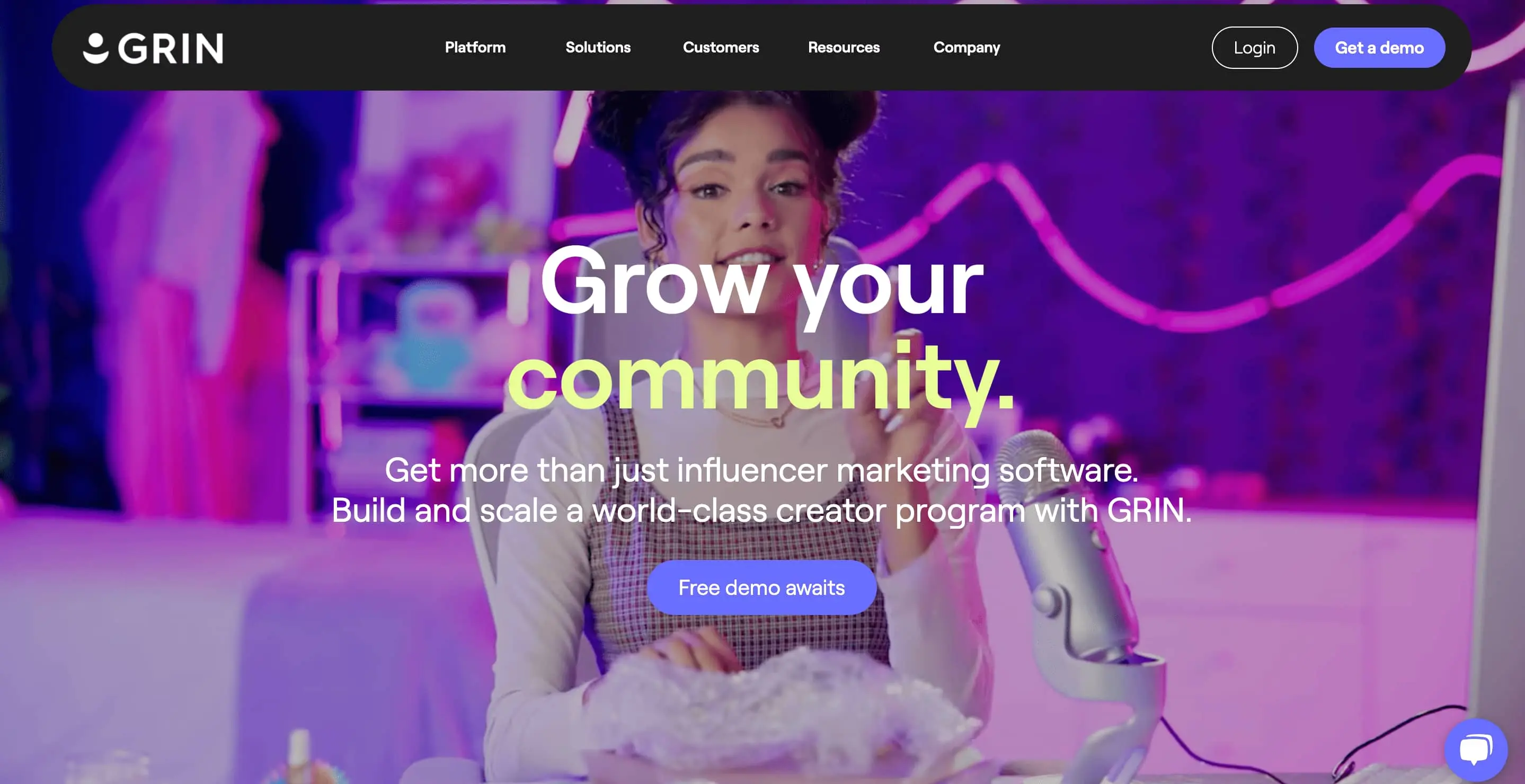
GRIN wird allgemein als der Gold-Standard für große DTC-Marken angesehen, mit starkem Fokus auf Beziehungsmanagement. Seine Plattform integriert Sourcing, Onboarding und Gifting in ein automatisiertes Wachstums-Engine.
Beste für: Große DTC-Marken, die Beziehungsmanagement und automatisierte Logistik priorisieren.
Plattform-Abdeckung: Instagram, TikTok, YouTube, Twitch.
Preisgestaltung: Maßgeschneiderte Enterprise-Preisgestaltung.
Bewertungen: 4,8 / 5,0 (G2).
Benutzerfreundlichkeit
GRIN wird für seine saubere, minimalistische Ästhetik und das "Kommandozentrum"-Gefühl gelobt. Es funktioniert wie ein High-End-CRM und ist direkt mit E-Mail- und eCommerce-Stores (Shopify, Magento, Salesforce) integriert, sodass Teams Kampagnen verwalten können, ohne den Tab zu verlassen. Einige Benutzer berichten jedoch von einer steileren Lernkurve aufgrund der Fülle von Funktionen und gelegentlichen Fehlern, die technische Vertrautheit erfordern.
Kundenunterstützung
Der Support ist generell sehr persönlich, mit dedizierten Account Managern für Enterprise-Kunden, die von Tag eins an unterstützen. Während viele Benutzer den proaktiven "Menschen-ersten"-Service loben, haben einige kleinere Benutzer bemerkt, dass die Reaktionszeiten bei technischen Fehlern variieren können.
Herausragende Funktionen
- Gia KI-Assistent: Ein ständig verfügbarer Assistent, der dabei hilft, die besten Creator zu finden und personalisierte Outreach-E-Mails zu verfassen.
- Social Listening: Echtzeitüberwachung von organischen Creator-Posts und Markenerwähnungen zur Verfolgung von Stimmung und Reichweite.
- Self-Service Creator-Zugang: Ein Update für 2026, das sofortige Anmeldung und monatliche Abrechnung für Zugriff auf die Kerninfrastruktur ermöglicht.
Vor- und Nachteile
Vorteile
- Best-in-Class-Integrationen: Nahtlose Verbindungen mit Shopify, Magento und Salesforce.
- Automatisierungskraft: Automatisiert zeitaufwendige Aufgaben wie Produktseeding und Versandetiketten.
Nachteile
- Beziehungsintensiv: Stark auf Beziehungsmanagement ausgerichtet, was möglicherweise mehr ist, als Marken benötigen, die ein einfaches Affiliate-Tracking anstreben.
- Leistungsgebundene Auszahlungen: Obwohl dies ein Vorteil ist, erfordert es ein zentralisiertes System zur Berichterstattung über Link-Klicks, was möglicherweise komplex einzurichten ist.
Unsere Erkenntnisse
GRINs Stärke liegt in seiner Fähigkeit, Influencer-Programme zu skalieren, ohne die Kopfzahl zu erhöhen, indem es die tägliche Logistik automatisiert.
-
3. Impact.com

Impact.com ist ein globaler Anführer in der Partnerschaftswirtschaft und wurde für Enterprise-Level-Affiliate-Management über soziale Influencer, Nachrichtenseiten und mobile Apps entwickelt.
Am besten geeignet für: Globale Unternehmen, die hochentwickelte Multi-Touch-Attribution und Verwaltung verschiedener Partnertypen benötigen.
Plattformabdeckung: Web, Mobile Apps und alle großen sozialen Medien.
Preisgestaltung: Variabel je nach Partnervolumen und Umsatz.
Bewertungen: 4,5 / 5,0 (Capterra).
Benutzerfreundlichkeit
Die Plattform ist für Performance-Marketing-Profis konzipiert und datenintensiv. Während das Dashboard nach dem Erlernen für seine Klarheit gelobt wird, hat es eine steile Lernkurve. Die Komplexität ergibt sich aus seinen granularen Berichten und hochspezifischen Regeleinstellungsfunktionen, die für Teams, die es gewohnt sind, einfachere Social-Media-Tools zu verwenden, überwältigend sein können.
Kundenunterstützung
Impact bietet ein globales Support-Netzwerk mit einem ticketgestützten System, das Probleme normalerweise innerhalb von 24–48 Stunden löst. Enterprise-Nutzer erhalten Zugriff auf umfangreiche technische Dokumentation und spezialisierte Teams, um bei API-Integrationen und komplexen Auszahlungseinstellungen zu unterstützen.
Herausragende Funktionen
- Hybride Provisionsregeln: Hochspezifische Zahlungsauslöser, die Creator für die Teilnahme an jedem Punkt des Konversionstrichters belohnen.
- Geräteübergreifendes Tracking: Nutzt "TrueLink"-Technologie, um Traffic geräteübergreifend zu verfolgen und Cookie-Einschränkungen zu ignorieren.
- KI-native Entdeckung: Identifiziert Partner, die Markenempfehlungen in LLMs und KI-Suchmaschinen beeinflussen.
Vor- und Nachteile
Vorteile
- Unerreichter Tracking-Genauigkeit: Hochzuverlässige Daten zur Berechnung von ROAS über komplexe Customer Journeys.
- Globale Skalierbarkeit: Verwaltet globale Steuer- und Währungsanforderungen nahtlos.
Nachteile
- Enterprise-Komplexität: Gebaut für großflächige Operationen mit $100B+ Datenverarbeitung, was für kleinere Marken möglicherweise zu viel ist.
- Ausgefeiltes Setup: Die hochspezifischen "Hybridprovisionsregeln" erfordern ein tieferes Verständnis des Konversionstrichters.
Unsere Erkenntnisse
Es ist die ideale Wahl für Marken, die ausgefeilte Auszahlungsansätze für komplexe, globale Partnernetzwerke benötigen.
4. Aspire

Aspire wurde für Marken entwickelt, die umfangreiche Teams hochwertiger Brand Ambassadors aufbauen möchten und dabei stark auf die kreative Seite von Partnerschaften fokussieren.
Ideal für: Marken, die User Generated Content (UGC) als primäres Asset für ihren Marketing-Funnel betrachten.
Plattformabdeckung: Instagram, TikTok, YouTube, Pinterest.
Preisgestaltung: Maßgeschneiderte Pläne (typischerweise im mittleren bis Enterprise-Bereich).
Bewertungen: 4,6 / 5,0 (G2).
Benutzerfreundlichkeit
Aspire ist für seine hohe Intuitivität bei kreativen Teams bekannt. Die Plattform zentralisiert Kommunikation, Budget-Tracking und Content-Genehmigung in einen optimierten Workflow. Die Shopify-Integration wird häufig als „Lebensretter" für die Verwaltung von Produktbestellungen und Verkehrsverfolgung innerhalb derselben Oberfläche hervorgehoben.
Kundenbetreuung
Die Plattform bietet ein „außergewöhnliches" Kundenservice-Erlebnis, einschließlich strategischer Beratung und White-Glove-Onboarding. Dedizierte Team-Mitglieder bleiben oft beteiligt, um sicherzustellen, dass Marken ihre spezifischen Ziele erreichen, obwohl einige Benutzer Herausforderungen bei der Lösung von Abrechnung oder Vertragsdisputen berichtet haben.
Besondere Merkmale
- Content-Rechtsmanagement: Baut Nutzungsrechte automatisch in Creator-Verträge ein für unmittelbare Ad-Spend-Bereitstellung.
- Creator-Marktplatz: Ermöglicht qualifizierten Influencern, sich direkt auf von Marken veröffentlichte Campaign-Briefs zu bewerben.
- IRL-Aktivierungstools: Workflows konzipiert für die Verwaltung von persönlichen Influencer-Events und Pop-ups.
Vor- und Nachteile
Vorteile
- UGC-Exzellenz: Best-in-Class-Tools zum Sourcing und zur Organisation hochwertiger Creator-Inhalte.
- Community-Aufbau: Starker Fokus auf den Aufbau langfristiger Ambassador-Programme.
Nachteile
- Spezifischer Asset-Fokus: Primär für Marken konzipiert, die hochwertige User Generated Content als ihr Hauptmarketing-Asset priorisieren.
- Kreativ-orientiert: Kann weniger Fokus auf reines Affiliate-Tracking im Vergleich zu spezialisierteren Tracking-Tools bieten.
Unsere Einblicke
Aspire überbrückt die Lücke zwischen Content-Erstellung und Commerce, indem die Umwandlung organischer Posts in bezahlte Anzeigen optimiert wird.
5. CreatorIQ
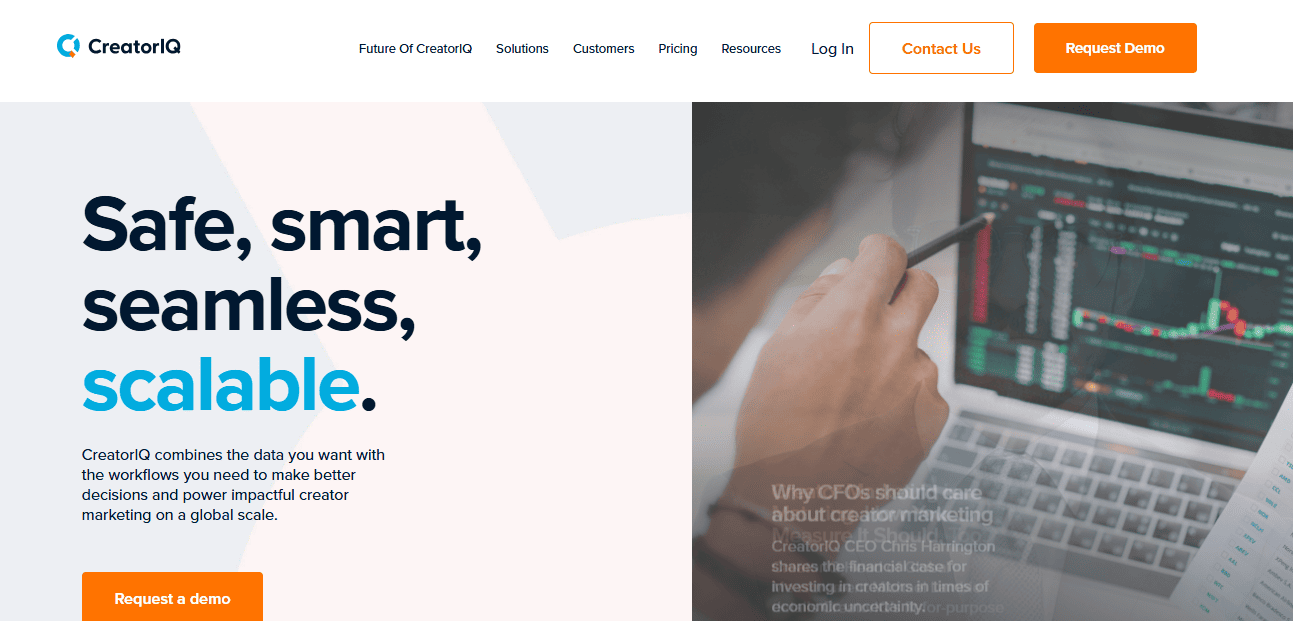
CreatorIQ ist die bevorzugte Plattform für Enterprise-Agenturen und globale Konzerne. Sie bietet fortgeschrittene Datenintegritäts-Tools, um Betrug und gefälschtes Engagement zu bekämpfen.
Ideal für: Globale Konzerne und große Agenturen, die erweiterte Brand-Safety und komplexes Vendor-Management benötigen.
Plattformabdeckung: Alle wichtigen Social-Media-Plattformen + tiefgreifender API-Zugang.
Preisgestaltung: Enterprise-level Jahresverträge.
Bewertungen: 4,7 / 5,0 (Capterra).
Benutzerfreundlichkeit
Als „Pro-Klasse"-Tool ist es für Power-User konzipiert. Es bietet umfangreiche Anpassungsmöglichkeiten und Berechtigungseinstellungen für große Teams, führt aber zu einer hohen technischen Hürde. Benutzer beschreiben die Funktionen als unglaublich, warnen aber, dass die Datenverwaltungsseite dicht sein kann.
Kundenbetreuung
CreatorIQ bietet erstklassigen Enterprise-Support, einschließlich dedizierter technischer Account-Manager. Rezensenten beschreiben das Client-Erlebnis häufig als „beeindruckend", mit Support-Teams, die die Anforderungen globaler Agenturen und großer Unternehmenskonformität gut kennen.
Besondere Merkmale
- SafeIQ Brand Safety: Nutzt KI zum Scannen der Creator-Vergangenheit und von Inhalten auf Brand-Safety-Verstöße.
- Enterprise-Auszahlungs-Engine: Speziell entwickelt, um komplexe Vendor-Setups und Corporate-Bürokratie für schnelle Creator-Zahlungen zu navigieren.
Vor- und Nachteile
Vorteile
- Enterprise-Sicherheit: Hochgradig sicher und konform mit globalen Unternehmensstandards.
- Umfassende Datenanalyse: Umfassendes Reporting zu Creator-Betrug und Zielgruppenqualität.
Nachteile
- Steile Lernkurve: Die Plattform ist hochgradig technisch und erfordert umfangreiches Onboarding.
Unsere Erkenntnisse
Seine Backend-Raffinesse macht es zu einem vertrauenswürdigen Partner für die weltweit größten Marken, besonders bei der Handhabung komplexer finanzieller Compliance.
6. Modash

Modash ist ein Favorit für Performance-Marketer, die schnell Tausende von Micro-Influencern überprüfen müssen, mit einer Datenbank von über 350 Millionen Profilen.
Am besten geeignet für: Kampagnen mit hohem Volumen für Micro-Influencer und Performance-Marketer, die massive Creator-Reichweite benötigen.
Plattformabdeckung: Instagram, TikTok, YouTube.
Preisgestaltung: 120–800+ $/Monat.
Bewertungen: 4,8 / 5,0 (G2).
Benutzerfreundlichkeit
Modash gilt allgemein als eine der intuitivsten und benutzerfreundlichsten Plattformen. Es konzentriert sich auf Geschwindigkeit – und ermöglicht Benutzern, Creator-Listen in Sekunden zu suchen, zu filtern und zu exportieren. Da es nicht erforderlich ist, dass sich Influencer anmelden oder einloggen, ist die Reibung sowohl für die Marke als auch für den Creator nahezu null.
Kundenunterstützung
Die Plattform ist für eine hochgradig reaktionsschnelle „kundenbesessene" Kultur bekannt. Der Support erfolgt über schnellen Live-Chat, und das Team wird häufig dafür gelobt, dass es benutzerbegehrte Funktionen und Upgrades fast wöchentlich implementiert.
Herausragende Funktionen
- Massive Datenbank: Mit über 350 Millionen Profilen können Sie überall auf der Welt Nischen-Creator finden.
- Analyse der Zielgruppenauthentizität: Prüft sofort auf gefälschte oder Bot-Follower, bevor Sie eine Kontaktaufnahme durchführen.
- Einmalige globale Auszahlungen: Ermöglicht es Marken, ihren gesamten globalen Roster (180+ Länder) mit einer einzigen Rechnung zu bezahlen.
Vor- und Nachteile
Vorteile
- Unglaubliche Reichweite: Zugang zu praktisch jedem Creator auf dem Planeten.
- Vereinfachte Auszahlungen: Macht internationale Zahlungen für Buchhaltungsteams viel einfacher.
Nachteile
- Fokus auf Micro-Influencer: Optimiert für hochvolumige Micro-Influencer-Kampagnen, die möglicherweise nicht für Marken geeignet sind, die einige hochwertige Celebrity-Partner suchen.
- Verwaltungsmittelsmann: Während die Plattform die Auszahlungen vereinfacht, verlassen sich Marken darauf, dass die Plattform alle individuellen Währungsumrechnungen handhabt.
Unsere Erkenntnisse
Modash vereinfacht die finanzielle Logistik erheblich für Buchhaltungsabteilungen, indem es Währungsumrechnungen und Massenübertragungen über ein System handhabt.
7. Upfluence

Upfluence spezialisiert sich auf „Live Capture"-Technologie und identifiziert, welche der tatsächlichen Kunden einer Marke großen sozialen Einfluss während des Einkaufs haben.
Am besten geeignet für: eCommerce-Marken, die ihre bestehende Kundenbasis in authentische Brand-Befürworter umwandeln möchten.
Plattformabdeckung: Instagram, TikTok, YouTube, Twitch, Twitter.
Preisgestaltung: Benutzerdefiniert basierend auf Volumen.
Bewertungen: 4,4 / 5,0 (Capterra).
Benutzerfreundlichkeit
Die Benutzeroberfläche wird als „vollständig und freundlich" beschrieben, besonders bei der Suche und Filterung von Influencern. Das „Tinder-ähnliche" Genehmigung-/Ablehnungssystem zur Überprüfung von Creatoren macht den Auswahlprozess effizient. Einige Benutzer finden jedoch die E-Mail-Automatisierung und das Campaign-Setup im Vergleich zu neueren UI-Designs etwas umständlich.
Kundenunterstützung
Upfluence erhält gemischte Bewertungen für den Support; während viele Benutzer ihren "großartigen Kundenservice" und die Bereitschaft loben, sich Zeit zu nehmen, um Funktionen zu erklären, haben andere die Kommunikation während des Vertragsverlängerungsprozesses kritisiert.
Herausragende Funktionen
- Kundenidentifikation zu Influencer: Synchronisiert eCommerce-Daten, um einflussreiche Käufer zu finden und zur Teilnahme an Affiliate-Programmen einzuladen.
- Amazon Attribution Integration: Ermöglicht Amazon-Verkäufern, die Influencer-Konversionen auf Amazon-Listings zu verfolgen.
- Social-Commerce-Tools: Direkte Integrationen mit Shopify, WooCommerce und BigCommerce.
Vor- und Nachteile
Vorteile
- Authentizität: Nutzt Influencer, die Ihre Produkte bereits kennen und lieben.
- Nischen-Support: Hervorragend für Marken, die sich auf Amazon-Storefronts konzentrieren.
Nachteile
- Legacy-Benutzeroberfläche: Einige Benutzer finden die Oberfläche weniger modern als neuere Konkurrenten.
- Jährliche Verpflichtung erforderlich: Keine monatliche Flexibilität.
Unsere Erkenntnisse
Durch die Umwandlung tatsächlicher Käufer in Affiliates schafft Upfluence hochgradig authentische Partnerschaften, die typischerweise zu höheren Konversionsraten führen.
8. LTK

LTK funktioniert als geschlossenes Ökosystem und bietet eine direkte Verbindung zu Käufern, die die LTK-App speziell zum Kauf von Creator-empfohlenen Produkten nutzen.
Am besten geeignet für: Mode- und Beauty-Marken, die hochgradig interessierte Käufer anvisieren.
Plattform-Abdeckung: LTK-App, Instagram, TikTok.
Preisgestaltung: Provisionsbasiert + Plattformgebühren.
Bewertungen: 4,6 / 5,0 (G2).
Benutzerfreundlichkeit
LTK ist für Bequemlichkeit konzipiert, besonders für Influencer und Verbraucher. Für Marken ist es benutzerfreundlich und lässt sich leicht mit anderer Software integrieren, um Bestellungen direkt zu verfolgen. Da es sich um ein „geprüftes" Netzwerk handelt, wird ein großer Teil der schweren Arbeit bei der Entdeckung durch die internen Standards der Plattform erledigt.
Kundenunterstützung
Der Support wird als „sehr hilfreich" beschrieben und fungiert oft als Erweiterung des Marketing-Teams der Marke. Sie bieten detaillierte Einblicke in Shopping-Daten und Performance-Benchmarks, um Marken dabei zu helfen, ihre kreative Strategie zu optimieren.
Herausragende Funktionen
- Shoppable Video Feed: Ein TikTok-ähnliches Erlebnis, optimiert für hochkonvertierende Videoinhalte.
- Direct Deposit Payouts: Ein überarbeitetes System für schnellere, direkte Auszahlungen auf das Bankenkonto von Creatorn.
- Proprietäre Benchmark-Daten: Zugriff auf Jahre von Shopping-Daten, um zu sehen, welche Preispunkte und Stile am besten konvertieren.
Vor- und Nachteile
Vorteile
- Hohe Konversion: Direkter Zugriff auf Millionen von Benutzern, die in der App speziell zum Einkaufen sind.
- Creator-Überprüfung: Jeder Creator auf der Plattform ist vorab für Performance überprüft.
Nachteile
- Geschlossene Plattform: Sie haben weniger Kontrolle über die direkte Beziehung außerhalb des LTK-Ökosystems.
Unsere Erkenntnisse
LTK ist ein Powerhouse für Attribution in Mode und Beauty dank seines geschlossenen Ökosystems, in dem Benutzer bereits in einer Shopping-Mentalität sind.
9. Shopify Collabs

Shopify Collabs ist der am leichtesten zugängliche Einstiegspunkt für anfangende Marken und befindet sich direkt im Shopify-Admin-Dashboard.
Am besten geeignet für: Kleine Marken und Anfänger, die eine einfache, integrierte Affiliate-Automatisierung ohne externe Plattformen wünschen.
Plattform-Abdeckung: Instagram, TikTok.
Preisgestaltung: Kostenlos zu installieren (Shopify nimmt einen Prozentsatz des Affiliate-Umsatzes).
Bewertungen: 4,2 / 5,0 (Shopify App Store).
Benutzerfreundlichkeit
Benutzer beschreiben die Benutzeroberfläche als „schön" und die Benutzererfahrung als „intuitiv". Das System eliminiert die Notwendigkeit manueller Dateneingaben, indem es Produkte und Verkaufsdaten direkt aus dem Shopify-Shop abruft. Es wird häufig als das am einfachsten einzurichtende Tool genannt, wobei einige Marken ihr gesamtes Affiliate-Programm in weniger als einem Tag starten.
Kundensupport
Shopify Collabs wird für den „besten Kundendienst im Software-Bereich" gelobt, mit aufmerksamen Teams und hilfreichen „Anleitungs"-Videos. Das Support-Team ist dafür bekannt, auf Feature-Anfragen zu reagieren, wie beispielsweise das Hinzufügen von Massennachrichtenfunktionen für Affiliates.
Herausragende Funktionen
- Native Store-Integration: Verwaltung von Influencer-Programmen, Bestand und Bestellungen über dasselbe Dashboard wie der Hauptshop.
- Produktspezifische Provisionen: Ermöglicht das Festlegen unterschiedlicher Sätze für bestimmte SKUs zum Schutz von Margen.
- Automatisierte Auszahlungen: Shopify führt die Provisionsauszahlungen an Creator automatisch durch.
Vor- und Nachteile
Vorteile
- Einfacher Zugang: Verbindet sich nahtlos mit Ihrem vorhandenen Produktkatalog und Bestellungen.
- Kosteneffizient: Niedrige Einstiegsbarriere für Marken, die Influencer-Marketing testen.
Nachteile
- Grundlegende Funktionsausstattung: Ihnen fehlen die erweiterten CRM- und Discovery-Funktionen von hochwertigen externen Plattformen.
- Plattformgebunden: Hauptsächlich nützlich nur für Marken, die bereits im Shopify-Ökosystem tätig sind.
Unsere Erkenntnisse
Es ist das ultimative Entry-Level-Tool, da es die Lernkurve von Drittanbieter-Plattformen für bestehende Shopify-Benutzer eliminiert.
10. Refersion

Refersion ist ein Schwergewicht für reines Affiliate-Tracking und konzentriert sich auf Präzision und komplexe Provisionsstrukturen statt auf glänzende CRM-Funktionen.
Am besten geeignet für: Finance- und Marketing-Teams, die 100% genaues Tracking und automatisierte Steuerkonformität benötigen.
Plattformabdeckung: Webbasiert (funktioniert mit jeder Social-Plattform).
Preisgestaltung: Beginnt bei etwa 249 $/Monat.
Bewertungen: 4,7 / 5,0 (Shopify App Store).
Benutzerfreundlichkeit
Refersion konzentriert sich auf Einfachheit und ein „Entwickler-freies" Setup. Obwohl es nicht so visuell attraktiv ist wie Influencer-Discovery-Tools, macht die intuitive Benutzeroberfläche die Verwaltung von Tausenden von Affiliate-Links und Provisionen für Verwaltungsteams äußerst effizient.
Kundensupport
Das Support-Team wird als „erstaunlich" beschrieben und bereit, „über die Grenzen hinaus" zu gehen. Sie bieten White-Glove-Onboarding, dedizierte Slack-Kanäle für Premium-Pläne und schnellen Chat-Support, um sicherzustellen, dass das Tracking immer zu 100% genau ist.
Herausragende Funktionen
- First-Party-Tracking-Domain: Vermeidet Datenlücken durch Cookie-Blocking-Technologie, um genaues Conversion-Tracking sicherzustellen.
- Automatisierte Steuerformulare: Erfasst automatisch W-9s und generiert 1099-Formulare für Creator.
- Post-Purchase-Kanal: Ermutigt Kunden, sich unmittelbar nach einem Kauf auf Ihrer Website als Affiliates zu registrieren.
Vor- und Nachteile
Vorteile
- Zuverlässigkeit: Der Goldstandard für genaue Umsatzzuordnung und Link-Tracking.
- Compliance: Nimmt die Kopfschmerzen bei Finanzberichten und Steuern weg.
Nachteile
- Funktionsorientiert: Bietet keine Creator-Discovery-Engine oder Messaging-Tools.
Unsere Erkenntnisse
Refersion zeichnet sich durch die administrative Seite des Affiliate-Marketing aus und ist ein Favorit von Finance-Teams, die sich um behördliche Compliance sorgen.
Abschließende Gedanken
Im Jahr 2026 gewinnen nicht die Marken mit den größten Budgets, sondern diejenigen mit den effizientesten Systemen. Die Abkehr von manuellen Arbeitsabläufen ist jetzt eine Anforderung. Durch die Implementierung eines Tools wie Influencer Hero kaufen Sie sich im Grunde Ihre Zeit zurück und ermöglichen es Ihrem Team, sich auf kreative Strategien zu konzentrieren, während die Software die schwere Arbeit des Trackings und der globalen Zahlungen übernimmt.
Ob Sie ein Boutique-Geschäft oder ein globales Unternehmen sind, wählen Sie ein Tool, das die "langweilige" Logistik automatisiert, um sicherzustellen, dass Ihre Creator zufrieden bleiben und Ihre ROI klar bleibt. Investieren Sie jetzt in Ihren Tech Stack, um sicherzustellen, dass Ihre Marke in einer zunehmend automatisierten Creator Economy wettbewerbsfähig bleibt.
Buchen Sie eine Demo mit Influencer Hero, um zu entdecken, wie Sie Ihre Auszahlungen automatisieren und Ihren Affiliate-Umsatz problemlos skalieren können.
Summary
This is some text inside of a div block.
This is some text inside of a div block.
Pricing/Month
Shopify Reviews
This is some text inside of a div block.
This is some text inside of a div block.
This is some text inside of a div block.
This is some text inside of a div block.
This is some text inside of a div block.
This is some text inside of a div block.
This is some text inside of a div block.
This is some text inside of a div block.
This is some text inside of a div block.
This is some text inside of a div block.
This is some text inside of a div block.
This is some text inside of a div block.
This is some text inside of a div block.
This is some text inside of a div block.
This is some text inside of a div block.
This is some text inside of a div block.
This is some text inside of a div block.
This is some text inside of a div block.
This is some text inside of a div block.
This is some text inside of a div block.
This is some text inside of a div block.
Read More

FAQs




Most Popular Blogs


Drive ROI With Influencer Marketing
Join 1,200+ brands and 150+ agencies scaling creator programs with Influencer Hero.