Live Webinar
Scaling Influencer ROI With Paid Media - The Whitelisting Playbook
.webp)


.png)


La plupart des marques D2C traitent le marketing d'influence comme un poste budgétaire — un canal parmi tant d'autres, testé occasionnellement, rarement optimisé. Cette marque l'a traité comme le moteur. Dès le départ, le marketing d'influence était leur stratégie principale d'acquisition de clients, et les résultats qui ont suivi offrent l'un des blueprints les plus clairs disponibles pour ce qu'un programme d'influence discipliné et basé sur une plateforme peut réellement accomplir.
Cette étude de cas est basée sur une véritable entreprise. La marque a choisi de rester anonyme pour protéger les données commerciales sensibles, mais les chiffres, la stratégie et la plateforme derrière tout cela sont tous réels.
Lors du lancement de la marque en 2020, leur approche initiale était entièrement manuelle. Les influenceurs ont été trouvés via les recherches Google et la fonctionnalité « comptes similaires » d'Instagram. La prise de contact se faisait un email à la fois, ou via les DM Instagram. Les performances ont été suivies dans une feuille de calcul.
Les résultats initiaux étaient suffisamment prometteurs pour justifier une augmentation — mais l'infrastructure n'a pas pu suivre. À mesure que la feuille de calcul augmentait, la vue d'ensemble s'effondrait. Suivre la communication, gérer les relations et attribuer les revenus à chaque influenceur devenait de plus en plus difficile. L'équipe savait qu'elle avait besoin d'une plateforme capable de gérer la prise de contact, la gestion des relations et le suivi des performances en un seul endroit.
Le défi était de trouver une plateforme qui ne coûtait pas 2 000 $ par mois. La plupart des plateformes d'influence en entreprise — Grin, CreatorIQ et autres — nécessitaient des engagements mensuels importants qui étaient hors de portée pour une marque autoproduite. C'est alors qu'ils ont découvert Influencer Hero, qui offrait les mêmes fonctionnalités principales à partir d'une fraction du prix.
La fondation stratégique de la croissance de cette marque était simple mais nécessitait de la discipline pour être exécutée : utiliser des campagnes d'affiliation à faible coût pour tester un grand nombre d'influenceurs, identifier ceux qui convertissent réellement, puis concentrer l'investissement sur ces performers lors de campagnes saisonnières à forte valeur.
La logique est enracinée dans la façon dont le marketing d'influence se distribue réellement. Les performances entre les créateurs suivent une distribution de Pareto — un petit pourcentage d'influencers génère une part disproportionnée des revenus. L'objectif dans la phase initiale n'est pas d'atteindre un ROAS parfait pour chaque collaboration. C'est de trouver les créateurs qui se situent dans cette minorité très performante aussi rapidement et efficacement que possible.
Le modèle de rémunération dans la phase de test était délibérément maigre : une commission d'affiliation de 10 %, une réduction de 10 % pour le code du créateur, et le produit offert gratuitement. Pas de frais fixes. La limite inférieure de la marque était limitée aux coûts des produits et de l'expédition ; le potentiel était illimité.
Même dans cette phase initiale, l'économie était solide. À partir des cinq premiers influencers :
| Influenceur | Unités vendues | Revenus générés |
|---|---|---|
| Influenceur 1 | 4 | $210 |
| Influenceur 2 | 52 | $2,750 |
| Influenceur 3 | 3 | $155 |
| Influenceur 4 | 0 | $0 |
| Influenceur 5 | 0 | $0 |
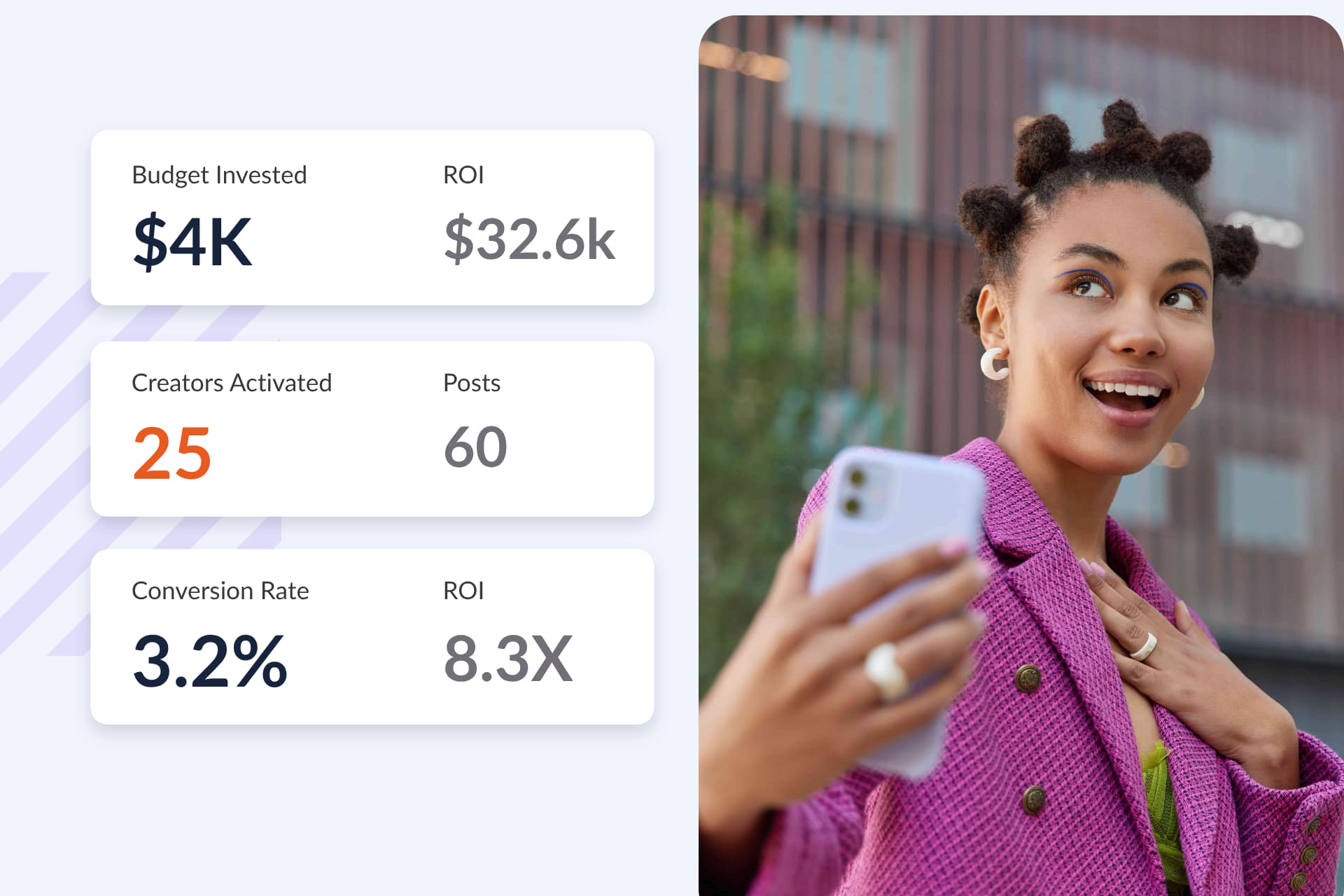
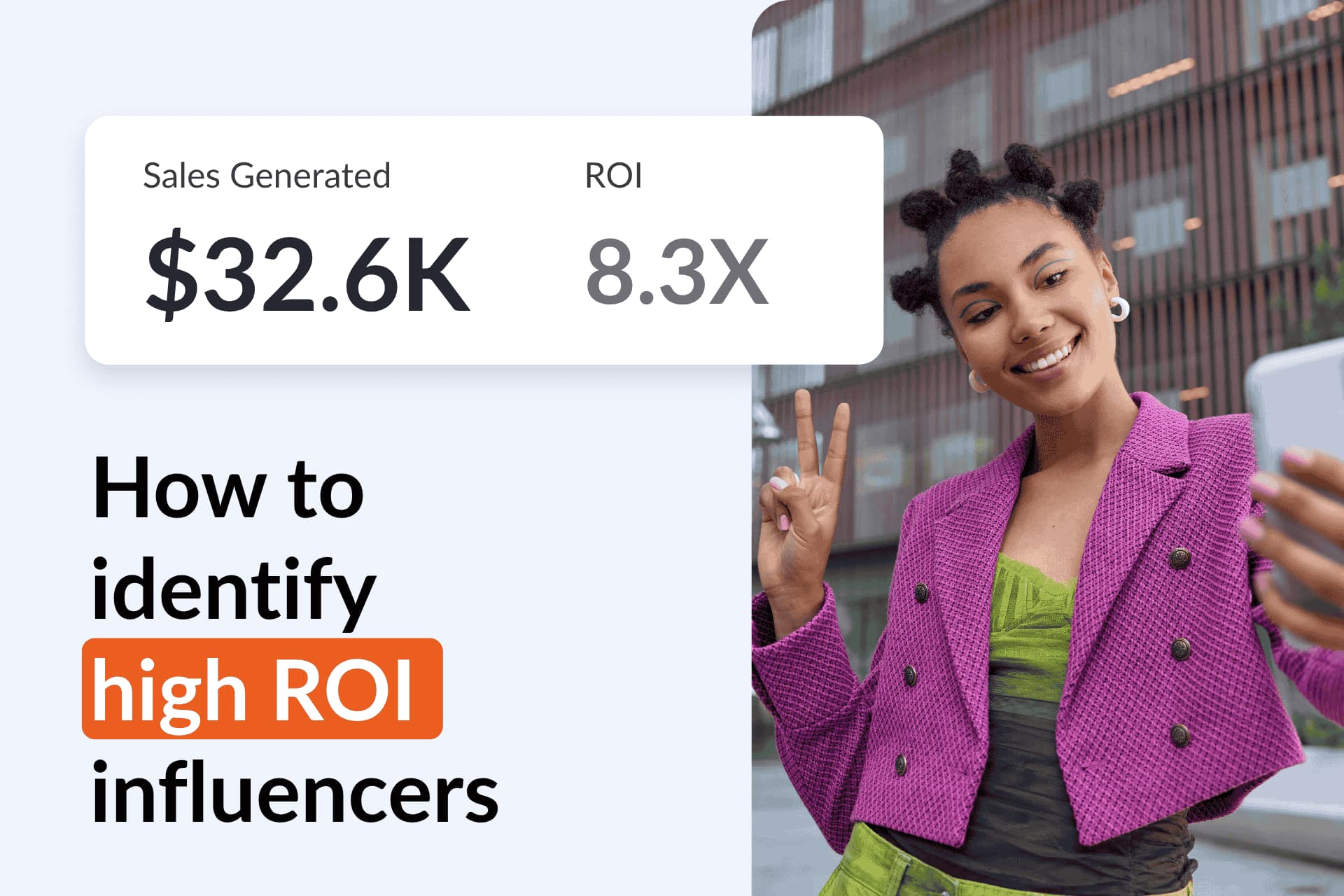
Revenus totaux : 3 115 $.Coût total (produit, expédition, commission d'affiliation) : 424 $. ROAS : 7,35X — provenant de cinq influenceurs, sans dépense fixe, au cours des premières semaines d'exploitation de la marque.
La variance dans ce tableau est l'essentiel. Deux des cinq influenceurs ont généré zéro revenu. L'un a généré la majorité. La stratégie consistait à exécuter ce test à grande échelle auprès de centaines de créateurs, à identifier les meilleurs performers et à construire autour d'eux.
%20(1).png)
Avec Influencer Hero en place, la marque a pu passer d'une prospection manuelle individuelle à un programme entièrement systématisé — atteignant des centaines d'influenceurs avec le même effort qui était auparavant consacré à quelques-uns.
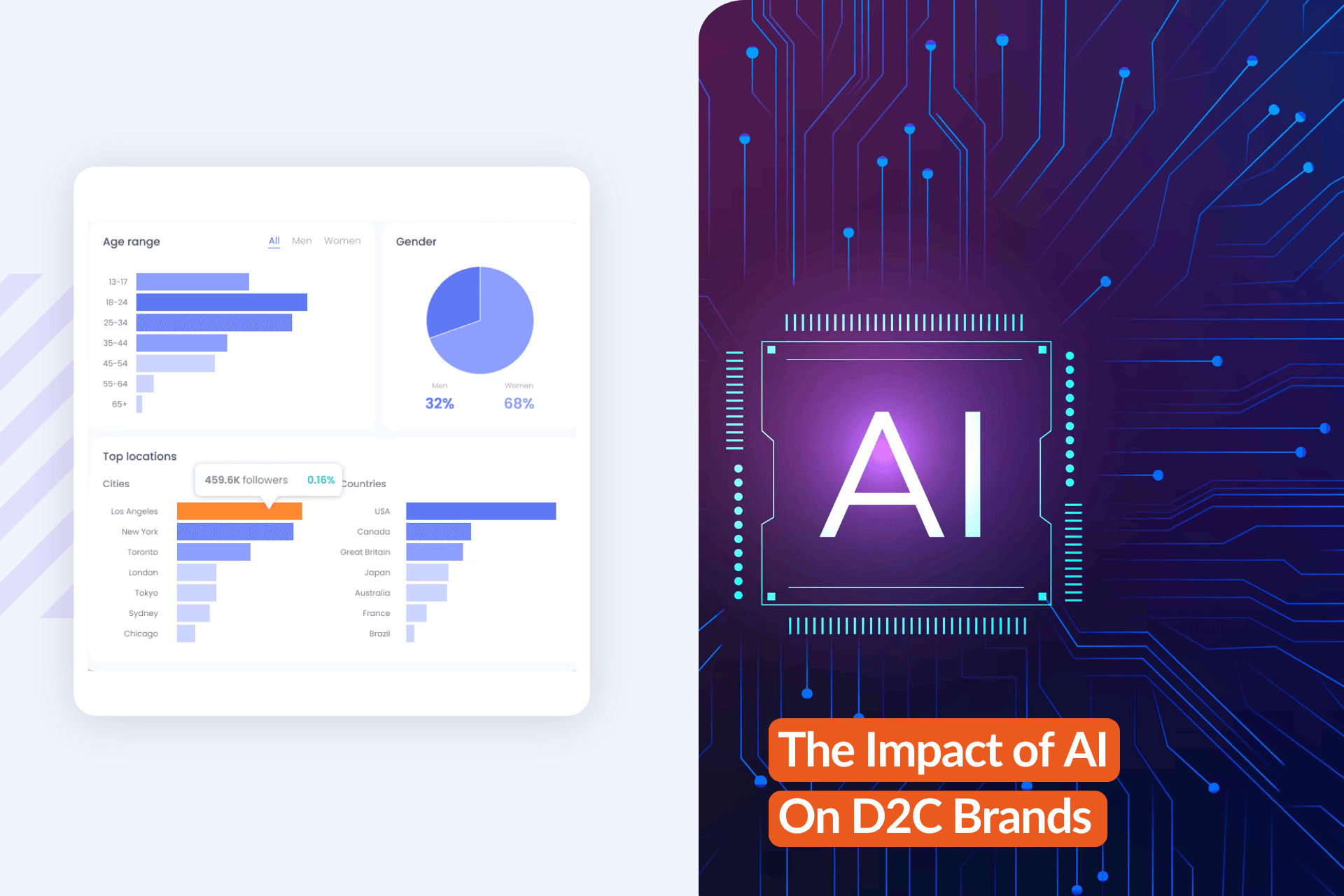
Les outils de recherche et de découverte d'Influencer Hero ont remplacé les recherches manuelles sur Google et Instagram qui caractérisaient l'approche initiale de la marque. Des filtres détaillés — localisation, données démographiques de l'audience, niche, taux d'engagement, profils similaires — ont permis à l'équipe de créer rapidement et régulièrement des listes de créateurs ciblées.
Au lieu d'envoyer des e-mails individuels, l'équipe a utilisé la fonctionnalité de campagne automatisée d'Influencer Hero pour déployer des séquences de prospection personnalisées avec relances automatisées. Les influenceurs reçoivent de gros volumes de messages ; les relances automatisées garantissaient qu'aucune opportunité n'était perdue en cas de non-réponse.
Avec la croissance du nombre de relations d'influenceurs actives se chiffrant en centaines, le CRM de style Kanban d'Influencer Hero a fourni une vue d'ensemble structurée de chaque collaboration — où chaque créateur se situait dans le pipeline, ce qui avait été convenu et ce qui était en attente. Sans cela, la gestion des relations à grande échelle aurait été opérationnellement impossible.
Chaque influenceur a été configuré avec un lien d'affiliation unique et un code de réduction, créés directement dans Influencer Hero et suivis automatiquement pour les conversions et les clics. Au moment de payer, la plateforme gérait le traitement — supprimant une autre couche de travail manuel du flux de travail de l'équipe.
Product dispatch to influencers was managed through Influencer Hero's gifting module, integrated directly with the brand's Shopify store, eliminating manual order creation at scale.
À mesure que les résultats s'accumulaient, les outils de reporting et d'analyse d'Influencer Hero ont permis d'identifier facilement les créateurs qui généraient réellement des revenus — et dans quelle proportion. Ces données sont devenues la base de chaque décision de campagne ultérieure.
En 2022 — deux ans après avoir commencé à utiliser Influencer Hero comme plateforme centrale — les métriques commerciales de la marque s'étaient transformées :
| Métrique | 2020 (Lancement) | 2022 |
|---|---|---|
| Valeur moyenne des commandes | $55 | $145 |
| Taux de conversion | 1,1 % | 2,3 % |
| Valeur vie client | $65 | $225 |
| Marge brute | 60 % | 65 % |
| Followers Instagram | 1 100 | 32 400 |
Les revenus annuels avaient atteint 1,2 M $ — construits presque entièrement grâce à un programme d'influenceurs qui a commencé avec cinq créateurs et une feuille de calcul.
L'un des points de données les plus frappants de cette étude de cas est la performance d'un seul influenceur très performant, identifié grâce au processus de test systématique de la marque et invité dans chaque campagne ultérieure. Ce seul créateur a généré près de 400 000 $ de revenus totaux au cours de la durée du partenariat. Rémunération totale versée : 22 000 $. ROAS : 17,5X.
C'est à quoi ressemble la distribution de Pareto en pratique — et pourquoi la phase de test existe. Vous ne pouvez pas prédire quels créateurs atteindront ces chiffres avant de travailler avec eux. Mais avec la bonne infrastructure de plateforme, vous pouvez tester largement, identifier rapidement et investir massivement dans ceux qui font leur preuve.
La stratégie de campagne saisonnière a atteint son apogée lors de la poussée BFCM de la marque, où 75 influenceurs très performants et 222 créateurs de niveau intermédiaire ont été activés simultanément. Le résultat : 475 584 $ de revenus en novembre et décembre, avec un ROAS moyen de 9,1X.
La distribution des revenus entre les segments de créateurs a confirmé le modèle de Pareto — les meilleurs performants ont contribué une part disproportionnée des revenus totaux, les créateurs de niveau intermédiaire et moins performants générant du volume mais ne pilotant pas la majorité des résultats. Pour les marques ayant des ressources limitées, cela signifie que la décision à plus fort impact est toujours : concentrer d'abord l'investissement sur vos meilleurs performants éprouvés.
Passer d'une poignée de créateurs gérés manuellement à des centaines de partenariats actifs — tout en maintenant une attribution précise et la rentabilité — n'est pas un problème de feuille de calcul. Cela nécessite une infrastructure.
À chaque étape de la croissance de cette marque, Influencer Hero a fourni l'épine dorsale opérationnelle qui a rendu la mise à l'échelle possible sans augmentation proportionnelle des effectifs ou de la complexité :
Sans données de performance fiables et infrastructure relationnelle, la décision de passer un créateur d'une collaboration de cadeaux à faible coût à un package saisonnier à haute valeur aurait été une supposition. Avec Influencer Hero, c'était un investissement appuyé par les données. Cette distinction est ce qui sépare un test de 3 K$ d'une campagne BFCM de 475 K$.
Cette étude de cas est une preuve de concept de ce qui est possible quand le marketing d'influence est traité comme un système plutôt que comme une tactique. La marque n'a pas eu de chance avec un message viral. Ils ont construit un moteur reproductible : tester largement, identifier les meilleurs intervenants, investir en eux saisonnièrement, et laisser la distribution de Pareto faire son travail.
Influencer Hero l'a rendu opérationnellement possible — des cinq premiers e-mails de prospection à la campagne BFCM de 475 K$ et au jalon de revenu annuel de 1,2 M$.
« En tant qu'entreprise de commerce électronique auto-financée, nous avons toujours dû travailler avec des budgets limités et nous n'aurions pas pu développer notre entreprise sans l'aide d'Influencer Hero. »
Prêt à construire votre propre programme d'influence ? Que vous commenciez de zéro ou que vous cherchiez à développer ce qui fonctionne déjà, Influencer Hero vous donne les outils pour le faire de manière systématique. Réservez une démonstration gratuite avec l'un de nos experts dès aujourd'hui.

Schedule a Demo with one of our media experts below.