
تسعير Tagbox والمراجعة: هل يستحق السعر؟

July 10, 2026
|
Published

July 30, 2026
|
Updated

5 min read
|
Reading

Influencer Performance Marketing Course | VOUCHER: IMC100

Malena García
Drive ROI With Influencers

Global Influencer Database
ALL-IN-ONE platform
CRM, Affiliate, UGC & More
تسعير Tagbox والمراجعات: هل هو يستحق التكلفة؟
يبدأ تسعير Tagbox من $0 مع خطة مجانية قابلة للاستخدام فعلاً، وتتراوح خطط الـ Widget المدفوعة من $19/شهر إلى $80/شهر، مع مستوى Enterprise مخصص فوق ذلك.
إنها واحدة من الأدوات الأكثر بأسعار معقولة في مساحة UGC والإثبات الاجتماعي، وهذا بالضبط السبب في أن العلامات التجارية تصل باستمرار إلى صفحة تسعيره. لكن "رخيص" و "مناسب لحالتك" ليسا نفس الشيء.
فيما يلي تفصيل كامل لكل مستوى وما تحصل عليه فعلاً وكيف يقارن بمنصة تسويق مؤثرين كاملة مثل Influencer Hero. استمر في القراءة للأرقام والتفاصيل الدقيقة.
تسعير Tagbox
مجاني
• تغذية واحدة
• 500 مشاهدة صفحة/شهر
• الوصول إلى منصات المراجعات (Google و Facebook و Yelp و Airbnb و Amazon)
الخطة المجانية حقيقية، وليست نسخة محدودة. تحصل على عنصر واجهة مستخدم واحد يعمل، واتصالات منصات المراجعات، و500 مشاهدة شهرية بدون بطاقة مطلوبة. المشكلة هي تكرار التحديث البطيء واختيار منصة محدود، لذا فهو الأفضل للاختبار أو صفحة منخفضة الحركة.
Standard
• ~$19/شهر
• 10 آلاف مشاهدة صفحة/شهر
• 15+ منصات اجتماعية ومراجعات
هنا يفتح Tagbox Twitter و LinkedIn و YouTube و TikTok و Pinterest وأكثر، بالإضافة إلى تحديث محتوى أسرع (ساعتان) وإزالة الإعلانات. إنه يناسب المتاجر الصغيرة وعلامات التجارة الإلكترونية ذات المتجر الواحد التي تريد تغذية واحدة مصقولة وتحديث تلقائي. تنطبق حدود المشاهدة، لذا ستتجاوز الصفحات عالية الحركة قدرتها بسرعة.
Pro Plus
• ~$40/شهر
• حدود عرض أعلى وتغذيات أكثر
• الاعتدال المتقدم والتخصيص
Pro Plus هو المنطقة المثالية لعلامات DTC النامية التي تقوم بتشغيل عناصر واجهة مستخدم متعددة عبر صفحات المنتج والهبوط. تحصل على المزيد من التغذيات والتخصيص الأعمق وتحكم اعتدال أفضل. إنه المستوى الأول الذي تحتاجه معظم متاجر التجارة الإلكترونية الجادة فعلاً.
Premium
• ~$80/شهر
• أكبر مخصص عرض قياسي
• تخصيص كامل والدعم الأولويات
Premium مبني للمواقع عالية الحركة والفرق التي تدير عدة حملات في وقت واحد. الارتفاع من Pro Plus يشتري في الأساس المزيد من المشاهدات والمزيد من التغذيات وأسرع الدعم. وراء هذا، أنت في منطقة Enterprise.
Enterprise
• تسعير مخصص
• الفواتير القائمة على الفاتورة
• أعلى الحدود وإدارة الحقوق والدعم المخصص
Enterprise يعتمد على الاقتباس ويستهدف العلامات التجارية الأكبر والوكالات التي تحتاج إلى إدارة حقوق UGC والإعداد الموجه باليد والحجم الذي لا يمكن للمستويات العامة تغطيته. الفواتير القائمة على الفاتورة متاحة فقط هنا.
تسعير API: يقدم Tagbox Widget API لسحب التغذيات برمجياً، يتم تجميعها عادةً في المستويات الأعلى ومستويات Enterprise بدلاً من التسعير المستقل. تجدر الإشارة إلى أن Influencer Hero يقدم أيضاً وصول API، لذا احتياجات API وحدها لا يجب أن تقرر منصتك.
نظرة عامة على Tagbox
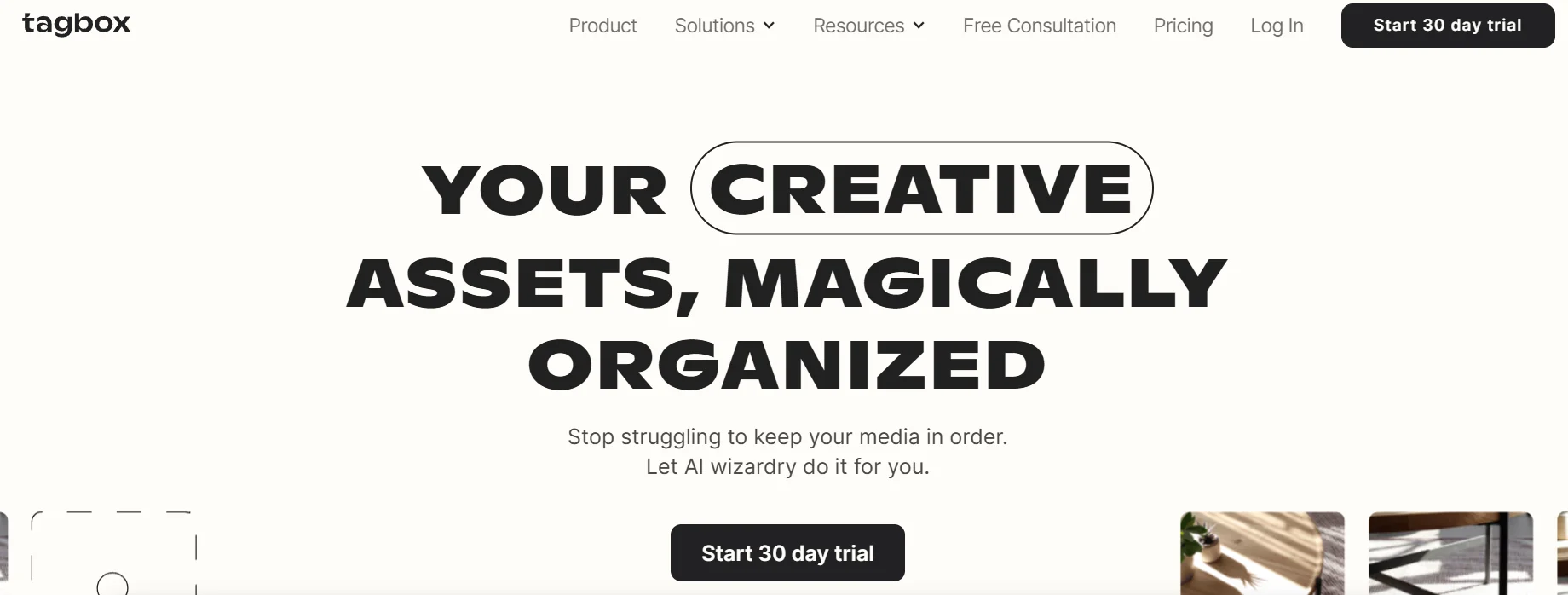
Tagbox (رسمياً Taggbox، الآن إعادة العلامة التجارية إلى Tagbox) هو منصة محتوى من إنتاج المستخدمين ومجمّع وسائط اجتماعية. يسحب المشاركات والمراجعات والصور ومقاطع الفيديو من 20+ منصة ويسمح للعلامات التجارية بدمج هذا المحتوى على المواقع والرسائل البريدية وشاشات الأحداث والإشارات الرقمية. يستخدمها أكثر من 250,000 منظمة، من مجموعات الفنادق مثل The Leela إلى علامات مثل Bose وحتى حملات Warner Bros.
وظيفتها الأساسية هي الإثبات الاجتماعي وعرض المحتوى، وليس تشغيل برامج المؤثرين. هذا التمييز مهم جداً عند مقارنتها بمنصات الوصول والإدارة.
أفضل ميزات Tagbox
• معارض UGC قابلة للشراء يسمح Tagbox بوضع علامات على المنتجات داخل صور وفيديوهات العملاء، مما يحول التغذية إلى مسار الدفع. هذه هي أقوى لعبة التجارة الإلكترونية الخاصة به، وتقارير العلامات التجارية عن رفع تحويل قابل للقياس من محتوى العملاء الحقيقي على صفحات المنتجات.
• دعم محتوى YouTube و TikTok بيض عنصر واجهة مستخدم YouTube قياسي، يقدم Tagbox Shoppable YouTube و Shoppable TikTok، لذا يمكن للعلامات التجارية الموجهة للفيديو سحب المحتوى طويل الشكل والقصير الشكل إلى سطح واحدة قابلة للشراء. هذه زاوية رفع حقيقية للعلامات التجارية الميالة إلى تجارة الفيديو.
• جدران وسائط اجتماعية للأحداث والإشارات هذا هو أوضح مميز Tagbox. إنه يدفع جدران اجتماعية مباشرة وإشارات رقمية للأحداث والأماكن وشاشات البيع بالتجزئة، مع الاعتدال في الوقت الفعلي والأسئلة والأجوبة والاستطلاعات، والتكامل مع أدوات الأحداث مثل Cvent و Zuddl وأنظمة الإشارات مثل ScreenCloud و OptiSigns.
• إدارة حقوق UGC تتعامل المنصة مع طلبات الإذن والترخيص حتى تتمكن الفرق من إعادة نشر محتوى العملاء بشكل قانوني. بالنسبة للعلامات التجارية القلقة بشأن استخدام صور العملاء بدون موافقة، فإن هذا يزيل عبء الامتثال الحقيقي.
• تكاملات واسعة يتصل Tagbox بـ Shopify و WordPress و Wix و Squarespace و Webflow و BigCommerce و Magento، بالإضافة إلى Klaviyo للبريد الإلكتروني و Salesforce على جانب CRM. بالنسبة لمعظم المواقع ومكدسات التجارة الإلكترونية، الدمج هو عمل نسخ والصق.
مراجعات Tagbox
Tagbox تحافظ على تصنيف قوي بـ 4.8/5 على G2 (أكثر من 86 تقييم) وحوالي 4.5/5 على Capterra. يثني المستخدمون باستمرار على سهولة الإعداد، وعمق تخصيص الأدوات، والدعم المتاح على مدار الساعة طوال الأسبوع.
الشكوى الأكثر شيوعاً هي حد استخدام قائم على المشاهدات في كل خطة مدفوعة، مما يعني أن التكاليف تزداد مع نمو حركة المرور، بالإضافة إلى عدد محدود من الأدوات المتضمنة لكل خطة. يلاحظ مراجع على G2 أنهم انتقلوا لأن التسعير "لم يتطابق مع مستوى الدعم أو الميزات." يذكر عدد قليل من المستخدمين أيضاً أن خوارزمية الاعتدال أحياناً تتجاوز اختيارهم للمنشورات المراد إبرازها.
على Reddit ومنتديات المراجعات، يميل الرأي نحو الإيجابية بشأن سهولة الاستخدام والفعاليات، لكن المشترين يشيرون بانتظام إلى أن الحدود المبنية على الاستخدام تجعل الميزانية غير متوقعة عند التوسع.
مقارنة Tagbox مع Influencer Hero من حيث التسعير
من حيث السعر وحده، Tagbox أرخص بكثير، ابتداءً من $19/شهر مقابل $649/شهر للـ Influencer Hero. لكن الفارق يعكس أداتين تؤديان وظائف مختلفة. قوة Tagbox تكمن في جمع وعرض المحتوى الموجود بالفعل لتوفير الإثبات الاجتماعي؛ فهي لم تُبنَ للعثور على المبدعين أو إجراء الحملات أو إدارتها.
يغطي Influencer Hero الجزء من سير العمل الذي لا يتناوله Tagbox. يتولى اكتشاف المؤثرين، والتواصل الآلي، وإدارة علاقات المؤثرين (CRM)، الهدايا وزراعة المنتجات، تتبع العمولات والرسوم، وتكامل Shopify، وتقارير ROI الشاملة.
إذا كان هدفك هو فعلاً تحديد المبدعين وتشغيل الحملات بدلاً من مجرد تضمين منشوراتهم، فإن نطاق العمليات هذا هو حيث يذهب السعر الأعلى.
الأفكار النهائية
Tagbox هي منصة UGC وإثبات اجتماعي بسعر جيد وتقييمات عالية. لتضمين محتوى العملاء، وبناء معارض قابلة للشراء، وتشغيل جدران الفعاليات، فإنها تؤدي الوظيفة بجزء بسيط مما تفرضه الأدوات الموجهة للمؤسسات، والخطة المجانية تسهل الاختبار.
حيث تقصر هو في برنامج المؤثرين نفسه. لن تساعدك في العثور على المبدعين، أو إدارة العلاقات، أو إرسال المنتجات، أو تتبع ROI التابعة. هذا هو الفجوة التي يملأها Influencer Hero كخيار أكثر اكتمالاً للعلامات التجارية التي تشغل الحملات من البداية إلى النهاية، مع الاكتشاف والتواصل وإدارة علاقات العملاء والتقارير في مكان واحد.
إذا كنت تريد أن ترى كيف تقارن منصة تسويق المؤثرين الكاملة بأداة عرض محتوى مثل Tagbox، احجز عرضاً توضيحياً وسنشرح لك كيف يعمل.
Summary
This is some text inside of a div block.
This is some text inside of a div block.
Pricing/Month
Shopify Reviews
This is some text inside of a div block.
This is some text inside of a div block.
This is some text inside of a div block.
This is some text inside of a div block.
This is some text inside of a div block.
This is some text inside of a div block.
This is some text inside of a div block.
This is some text inside of a div block.
This is some text inside of a div block.
This is some text inside of a div block.
This is some text inside of a div block.
This is some text inside of a div block.
This is some text inside of a div block.
This is some text inside of a div block.
This is some text inside of a div block.
This is some text inside of a div block.
This is some text inside of a div block.
This is some text inside of a div block.
This is some text inside of a div block.
This is some text inside of a div block.
This is some text inside of a div block.
Read More

FAQs




Most Popular Blogs


Ready to achieve 10X+ ROI?
Schedule a Demo with one of our media experts below.