Mejor Software de Marketing de Influencers para Tiendas Online

March 6, 2026
|
Publicado

October 19, 2026
|
Actualizado

14 minutes
|
Lectura

Curso de Marketing de Rendimiento con Influencers | CÓDIGO: IMC100

Lucía Zabala
I Author

Impulsa el ROI con influencers

Base de datos global de influencers
Plataforma TODO EN UNO
CRM, Afiliados, UGC y Más
Mejor software de marketing de influencers para tiendas online
Si diriges una tienda online, tu software de marketing de influencers debe conectarse directamente con cómo vendes. La mayoría de marcas DTC operan dentro de un ecosistema CMS y eCommerce más amplio — ya sea Shopify, WooCommerce, BigCommerce, o un escaparate personalizado. Esto significa que tu plataforma de influencers no puede funcionar de forma aislada respecto a los datos de tu tienda. Necesita soportar descubrimiento de influencers, gifting de productos, seguimiento de afiliados, y lo más importante, atribución clara de ingresos.
El objetivo no es solo gestionar creadores, es rastrear qué genera realmente ventas. Necesitas generar códigos de descuento, monitorear enlaces de afiliados, sincronizar pedidos, y entender ROI sin extraer informes de cinco herramientas diferentes. Esta guía desglosa el mejor software de marketing de influencers para tiendas online, específicamente para marcas que venden a través de su propio escaparate y desean un flujo de trabajo más conectado y medible.
- Influencer Hero
- GRIN
- Upfluence
- Modash
- Aspire
- CreatorIQ
- Traackr
- Impact
- Refersion
- Afluencer
Cómo evaluamos el software de marketing de influencers para tiendas online
Para crear esta lista, evaluamos plataformas de marketing de influencers en función de cuánto apoyan marcas de eCommerce utilizando tiendas online.
Los criterios se enfocaron tanto en compatibilidad de integración como en la capacidad de ejecutar campañas de influencers impulsadas por el desempeño a escala.
Criterios de evaluación
- Integración & compatibilidad con tiendas online: Cuán bien funciona cada plataforma con tiendas construidas en tiendas online, ya sea a través de integraciones nativas o flujos de trabajo compatibles que se adapten a tus operaciones de eCommerce existentes.
- Capacidades de campañas de influencers: El grado en que cada plataforma soporta casos de uso centrales del marketing de influencers, incluyendo descubrimiento de creadores, outreach, gestión de relaciones, campañas de gifting y seeding, y colaboraciones basadas en afiliados.
- Seguimiento de desempeño & informes: La capacidad de rastrear el desempeño a nivel de influencer y campaña, incluyendo conversiones, atribución de ingresos, y ROI, lo cual es esencial para equipos de eCommerce enfocados en resultados medibles.
- Automatización & eficiencia de flujos de trabajo: Cuán efectivamente la plataforma automatiza tareas que consumen tiempo, como outreach, gestión de campañas, seguimientos, e informes — especialmente importante para equipos pequeños que gestionan programas de influencers a escala.
- Facilidad de uso (UX/UI): La experiencia general del usuario, incluyendo diseño del dashboard, navegación, proceso de incorporación, y curva de aprendizaje para equipos que ya operan en tiendas online.
- Escalabilidad para marcas en crecimiento: Cuán bien la plataforma soporta el crecimiento, desde equipos pequeños ejecutando sus primeras campañas de influencers hasta marcas DTC establecidas que gestionan cientos o miles de creadores.
- Precios & flexibilidad de contrato: Transparencia de precios, disponibilidad de planes flexibles, y si la plataforma soporta programas en crecimiento sin forzar compromisos a largo plazo demasiado pronto.
- Soporte al cliente & incorporación: Disponibilidad y calidad de recursos de soporte, incluyendo asistencia de incorporación, documentación, tiempos de respuesta, y soporte continuo de éxito del cliente.
Mejor software de marketing de influencers para tiendas online
Si vendes a través de Shopify, WooCommerce, BigCommerce, o un escaparate personalizado, tu software de marketing de influencers necesita conectarse directamente con los datos de tu tienda. Esto significa sincronizar pedidos, rastrear códigos de descuento, gestionar gifting, y vincular ingresos de vuelta a creadores individuales, sin hojas de cálculo manuales.
A continuación se presenta una comparación rápida del mejor software de marketing de influencers para tiendas online. Esto te ofrece una visión general de alto nivel antes de que desglosemos cada plataforma en más detalle.
Comparación rápida: Mejor software de marketing de influencers para tiendas online
1. Influencer Hero
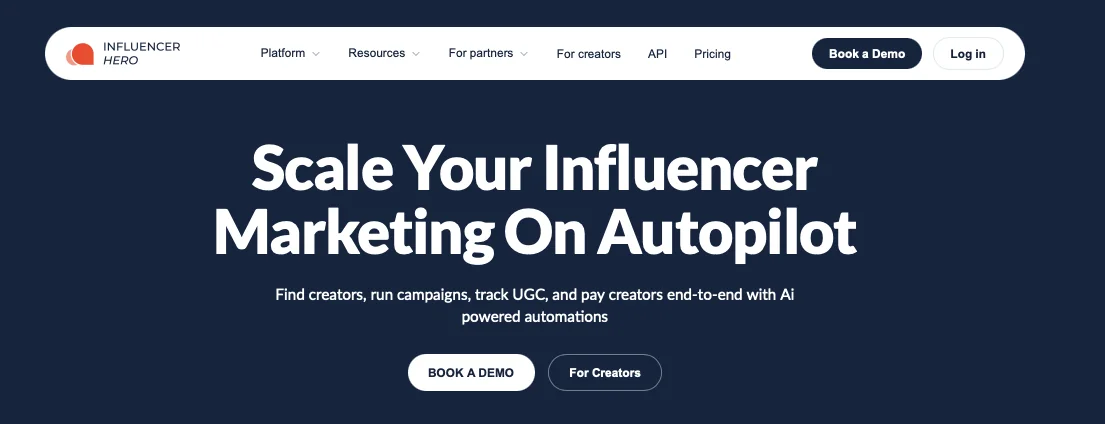
Influencer Hero es un CRM de marketing de influencers todo en uno diseñado específicamente para marcas eCommerce y DTC. Si buscas el mejor software de marketing de influencers para tiendas online, Influencer Hero está diseñado para conectarse directamente con tu tienda para que puedas gestionar creadores, envíos de productos, seguimiento de afiliados e atribución de ingresos en un único lugar.
Ideal Para
Marcas DTC, tiendas Shopify y WooCommerce, y agencias que desean descubrimiento de influencers, outreach, seeding de productos y seguimiento de ventas conectados directamente a su tienda online. Es especialmente sólido para marcas que se importan por un ROI medible, no solo por la cantidad de contenido.
Cómo Funciona con Tiendas Online
Influencer Hero se conecta directamente a tu tienda online para que las campañas de influencers estén vinculadas a ventas reales. Puedes generar códigos de descuento, rastrear enlaces de afiliados, sincronizar pedidos y monitorear los ingresos generados por creadores, todo desde un único dashboard.
El flujo de trabajo es simple: descubre creadores → envía outreach → gestiona envíos de productos → genera enlaces o códigos de rastreo → registra conversiones → calcula ROI.
También funciona con Creator Hero, lo que permite que tu catálogo de productos se sincronice en las tiendas de creadores. Esto significa que los influencers pueden promocionar y vender tus productos a través de sus propias páginas de tienda, mientras que todos los datos de desempeño se devuelven a Influencer Hero para un rastreo preciso de ingresos.
Precios y Compromiso
Influencer Hero ofrece planes flexibles con un compromiso de 3 meses, permitiendo que las marcas escalen según el volumen de campañas.
- Plan Standard: Comienza en $649/mes — Contacta hasta 1,000 creadores por mes
- Plan Pro: Comienza en $1,049/mes — Contacta hasta 5,000 creadores por mes
- Plan Business: Comienza en $2,490/mes — Contacta hasta 10,000 creadores por mes
- Plan Custom y Agency: Precios personalizados según las necesidades de la marca
Facilidad de Uso (UX/UI)
Influencer Hero es conocido por su dashboard intuitivo y limpio que mantiene la ejecución de campañas simple. Los flujos de trabajo automatizados reducen tareas repetitivas, y las plantillas de correo personalizables hacen que el outreach sea escalable sin sentirse manual. La interfaz está diseñada para que los equipos de marketing se muevan rápido sin necesidad de configuración técnica.
Atención al Cliente
La atención al cliente es uno de los diferenciales más fuertes de Influencer Hero. Todos los planes incluyen un account manager dedicado desde el primer día.
El soporte incluye:
- Chat en vivo de personas reales 24/7
- Soporte por email receptivo
- Un extenso Centro de Ayuda con guías escritas y tutoriales en video
- Consultas estratégicas opcionales para guiar el crecimiento
- Los usuarios del plan Pro reciben acceso a un canal privado de Slack para soporte más rápido y continuo
Características Clave
- Integración Nativa de Tienda (Shopify + WooCommerce): Conecta tu tienda directamente a las campañas de influencers. Los pedidos, códigos de descuento e ingresos de afiliados se sincronizan en tu dashboard, dándote atribución de ventas real sin exportaciones manuales.
- CRM Centrado en Campañas con Rastreo de Ingresos: Gestiona relaciones de influencers dentro de campañas estructuradas mientras rastrean el desempeño a nivel de creador. Los ingresos, conversiones y ROI están directamente vinculados al flujo de trabajo de la campaña.
- Flujos de Trabajo Automatizados de Envío y Seeding de Productos: Envía productos a creadores directamente desde tu tienda conectada. Rastrea el estado del envío e historial de envíos junto con el desempeño de la campaña, manteniendo el cumplimiento alineado con la ejecución de marketing.
- Automatización de Afiliados y Códigos de Descuento: Genera y gestiona códigos de descuento únicos y enlaces de afiliados a escala. Los datos de desempeño se conectan automáticamente a transacciones de tienda, haciendo los cálculos de pago directos.
- Outreach Masivo con Flujos de Trabajo AI: Contacta a miles de creadores usando secuencias de correo automatizadas mientras mantienes la personalización. Esto permite que las marcas escalen la adquisición sin perder el control sobre la mensajería.
Limitaciones de Influencer Hero
Para marcas nuevas en marketing de influencers, configurar rastreo, flujos de trabajo e integraciones puede requerir orientación inicial. Sin embargo, el equipo de onboarding y los account managers dedicados están muy involucrados en ayudar a las marcas a estructurar su configuración correctamente desde el inicio.
2. GRIN
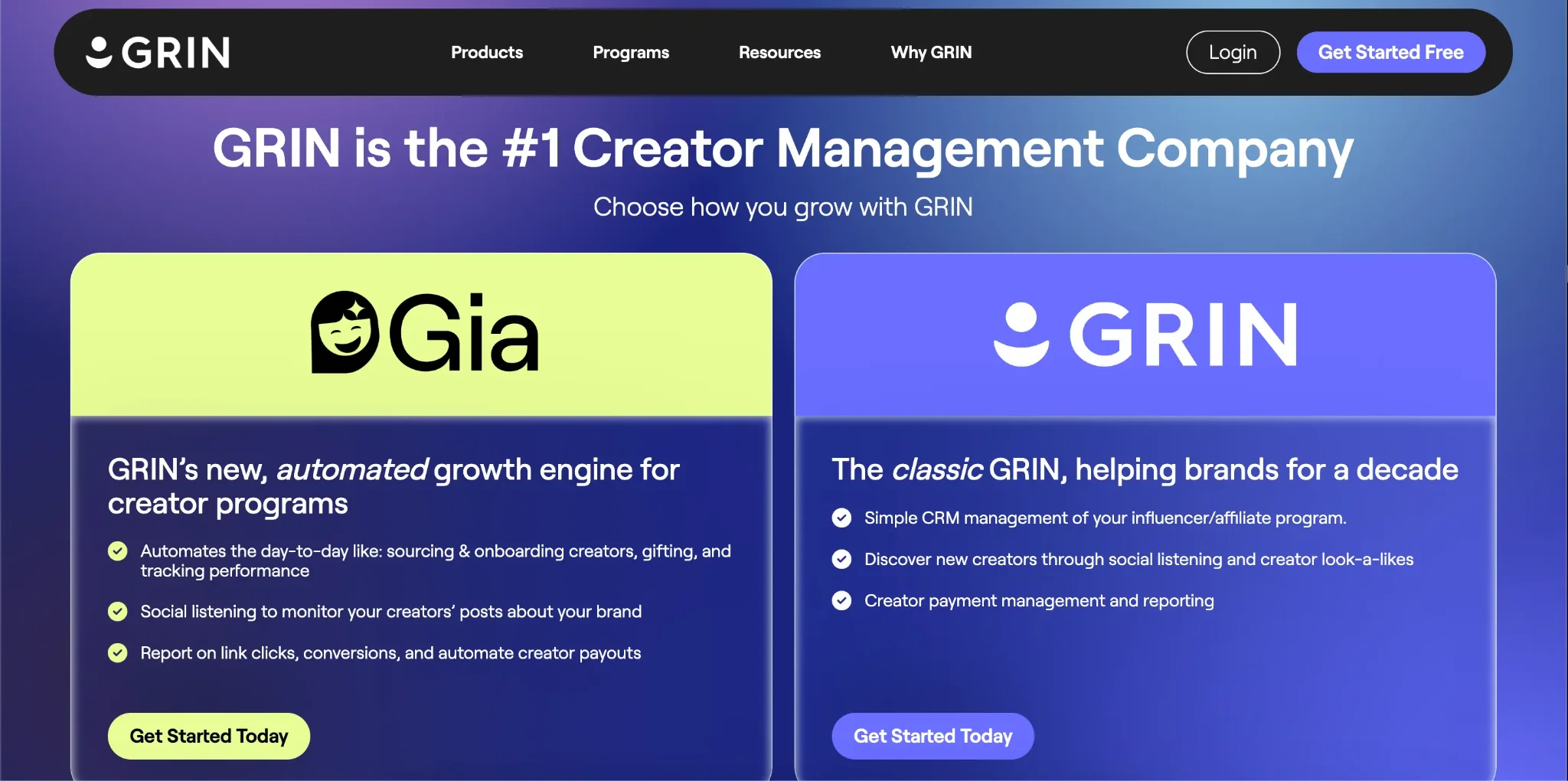
GRIN es una plataforma de marketing de influencers construida principalmente para marcas de eCommerce, con un fuerte enfoque en seeding de productos, relaciones con creadores y flujos de trabajo basados en Shopify. Se posiciona como un sistema de gestión de creadores diseñado para ayudar a las marcas a administrar programas de influencers a escala.
Ideal Para
Marcas de eCommerce medianas a grandes que ejecutan gifting de productos continuo, programas de embajadores y campañas impulsadas por UGC — especialmente las que invierten mucho en Shopify.
Cómo Funciona con Tiendas en Línea
GRIN se conecta directamente a tu tienda en línea, permitiendo que productos, códigos de descuento y datos de pedidos se sincronicen en campañas de influencers. En la práctica, las marcas la utilizan para enviar productos a creadores, generar enlaces de afiliados y rastrear ventas vinculadas a cada influencer.
El flujo de trabajo típicamente se ve así: importar productos de tu tienda → enviar productos para seeding → generar códigos o enlaces únicos → rastrear pedidos e ingresos dentro de la plataforma. Está diseñada para mantener alineados el cumplimiento y el seguimiento de influencers, lo cual es útil para marcas que ejecutan programas de gifting a gran escala.
Precios
- Comienza en $2,085 por mes
- Aproximadamente $25,000 por año
- Se requiere contrato anual
GRIN típicamente opera con compromisos anuales y se posiciona en la categoría de precios más alta para plataformas de influencers.
Facilidad de Uso (UX/UI)
Los usuarios generalmente describen GRIN como poderosa pero compleja. La interfaz ofrece funcionalidad profunda, lo cual puede ser útil para equipos avanzados, pero algunos revisores notan que la curva de aprendizaje es pronunciada — especialmente para equipos más pequeños.
La navegación está estructurada alrededor de campañas y flujos de trabajo, aunque algunos usuarios mencionan que la configuración y los reportes requieren tiempo de incorporación inicial para comprender completamente.
Atención al Cliente
Los comentarios sobre atención al cliente son mixtos pero generalmente positivos para cuentas más grandes. Muchos usuarios mencionan tener gerentes de cuenta dedicados y asistencia de incorporación, lo cual es útil durante la implementación.
Sin embargo, algunas marcas más pequeñas reportan tiempos de respuesta más lentos o atención que depende fuertemente del nivel de contrato.
Características Clave
- Integración de Seeding de Productos de Shopify: GRIN permite a las marcas extraer productos directamente de Shopify y enviarlos a creadores dentro de campañas. Esto mantiene el gifting de influencers vinculado directamente a los flujos de trabajo de inventario y cumplimiento de la tienda.
- Gestión de Enlaces de Afiliados y Códigos de Descuento: Las marcas pueden generar enlaces de afiliados únicos y códigos de descuento para cada creador. La atribución de ingresos está conectada a transacciones de la tienda, permitiendo a los equipos rastrear el rendimiento por influencer.
- Gestión Ilimitada de Creadores: GRIN promueve perfiles de creadores ilimitados dentro de su sistema. Esto respalda programas de embajadores grandes donde las marcas mantienen relaciones de creadores a largo plazo.
- Derechos de Medios y Biblioteca de Contenidos Integrados: La plataforma incluye gestión de derechos de medios y una biblioteca de contenidos para almacenamiento de UGC. Esto ayuda a las marcas a reutilizar contenido de influencers para anuncios y marketing por correo electrónico.
- Infraestructura de Pago por PayPal: GRIN ofrece herramientas de pago integradas para compensar creadores directamente. Esto simplifica el proceso de pago para marcas que administran un alto número de colaboraciones.
Limitaciones de GRIN
GRIN requiere un compromiso anual y tiene un precio de entrada más alto, lo cual puede no ser adecuado para marcas DTC más pequeñas o en etapas tempranas. Algunos usuarios también mencionan que aunque es fuerte para flujos de trabajo de Shopify, la personalización fuera de ese ecosistema puede sentirse más rígida en comparación con plataformas más enfocadas en automatización.
3. Upfluence
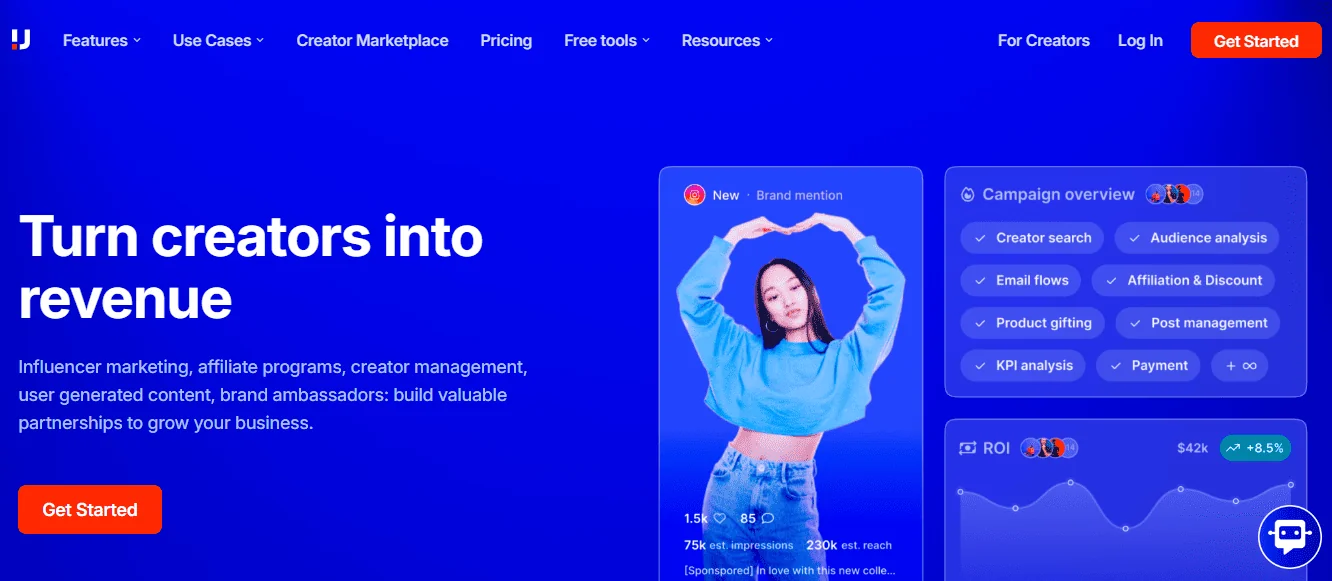
Upfluence es una plataforma de marketing de influencers construida alrededor de descubrimiento, outreach e integración de datos de eCommerce. Se posiciona como una herramienta que conecta campañas de influencers directamente con datos de tiendas, incluyendo listas de clientes e historial de pedidos, lo cual la hace particularmente relevante para marcas en línea.
Ideal Para
Marcas DTC y eCommerce que desean combinar descubrimiento de influencers con datos de clientes — especialmente marcas que venden en Shopify o Amazon que quieren identificar influencers dentro de su base de clientes existente.
Cómo Funciona con Tiendas en Línea
Upfluence se conecta a tu tienda en línea y extrae datos de clientes y ventas, permitiéndote identificar creadores que ya han comprado de ti. A partir de ahí, las marcas pueden gestionar outreach, enviar productos, generar códigos de descuento y rastrear ingresos vinculados a campañas de influencers.
El flujo de trabajo típicamente se ve así: sincronizar datos de la tienda → identificar creadores potenciales (incluyendo clientes) → gestionar outreach → generar enlaces de afiliados o códigos de descuento → rastrear ventas y ROI dentro de la plataforma. Está diseñada para conectar marketing de influencers y datos de clientes en lugar de tratarlos como canales separados.
Precios
- Alrededor de $2,000 por mes (estimación inicial)
- Los precios típicamente son personalizados y se basan en el tamaño de CRM y acceso a características
- Generalmente estructurado como un contrato anual
Upfluence no lista públicamente precios detallados por niveles, y los costos suelen escalar según la cantidad de influencers gestionados dentro del sistema.
Facilidad de Uso (UX/UI)
Los comentarios de usuarios sugieren que la interfaz es robusta pero puede parecer densa al principio. Como la plataforma combina CRM, descubrimiento de influencers y datos de eCommerce, los usuarios nuevos pueden necesitar tiempo de capacitación para comprender completamente los flujos de trabajo.
Una vez configurado, los usuarios reportan que el seguimiento de campañas y la búsqueda de influencers son relativamente directos, pero la personalización y el filtrado avanzado requieren práctica.
Atención al Cliente
Muchos usuarios mencionan una fuerte capacitación inicial y gestores de cuenta responsivos, especialmente para clientes de tamaño medio y empresarial. La orientación de implementación se destaca frecuentemente como útil al conectar datos de tiendas y configurar campañas.
Sin embargo, algunos comentarios señalan que los tiempos de respuesta pueden variar según el nivel de cuenta y el tamaño del contrato.
Características Principales
- Identificación de Cliente a Creator: Upfluence permite a las marcas identificar influencers dentro de su propia base de clientes. Esto es particularmente útil para marcas DTC que buscan convertir compradores leales en defensores de la marca.
- Integración con Shopify y Amazon: La plataforma se conecta directamente a los datos de tiendas y marketplaces. Esto permite seguimiento de ingresos, sincronización de productos y medición del rendimiento de campañas vinculado a transacciones reales.
- CRM Integrado para Gestión de Influencers: Los influencers se gestionan dentro de un entorno CRM estructurado. Las marcas pueden rastrear conversaciones, campañas, contratos y rendimiento en un único sistema.
- Seguimiento de Códigos de Afiliado y Descuento: Se pueden generar y rastrear enlaces de afiliado únicos y códigos promocionales. Los datos de ingresos se sincronizan nuevamente con la plataforma para reportes de ROI.
- Asistencia de Outreach Impulsada por IA: Upfluence incluye herramientas de mensajería asistida por IA para ayudar a automatizar la comunicación con influencers. Esto respalda el outreach a escala mientras mantiene la personalización.
Limitaciones de Upfluence
El precio puede escalar rápidamente según la cantidad de influencers almacenados en el CRM, lo que puede limitar la flexibilidad para marcas que experimentan con listas grandes de creadores. Algunos usuarios también mencionan que aunque la plataforma es fuerte en integración de datos de eCommerce, los flujos de trabajo de automatización pueden sentirse menos optimizados en comparación con herramientas CRM más enfocadas en campañas.
4. Modash
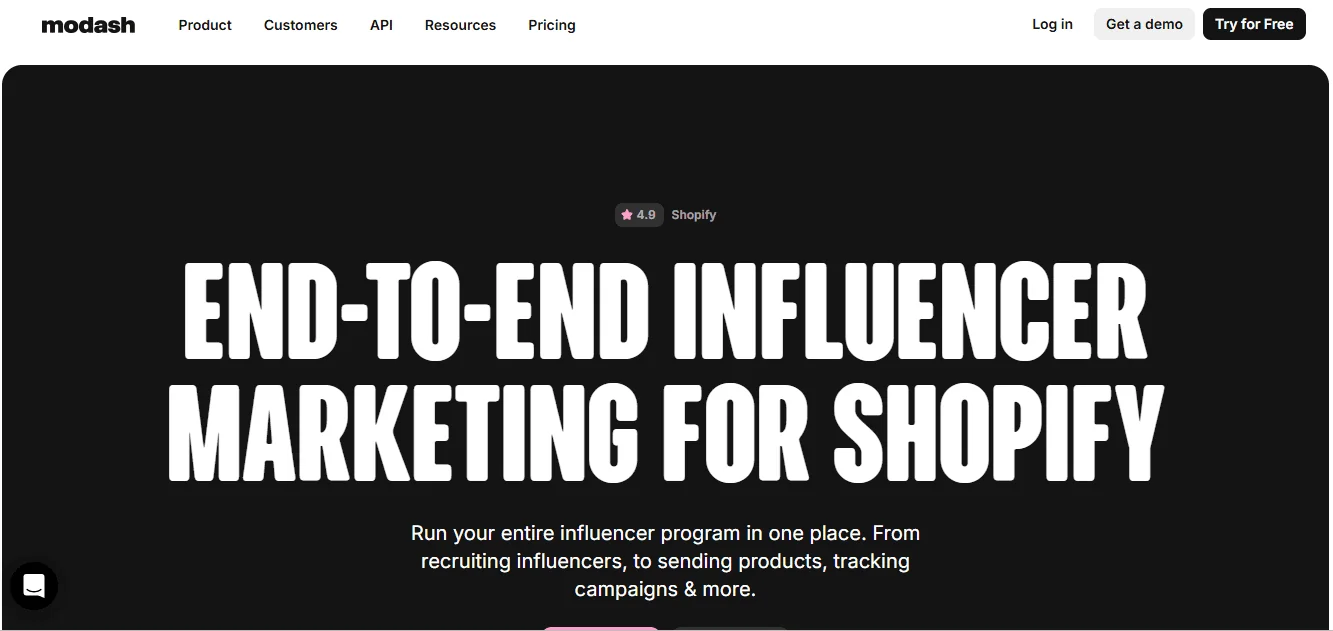
Modash es una plataforma de marketing de influencers enfocada fuertemente en descubrimiento de creadores y análisis de audiencia. Es conocida por su gran base de datos de creadores y filtrado enfocado en rendimiento, lo que la hace popular entre marcas que priorizan la selección de influencers basada en datos.
Mejor Para
Marcas de eCommerce y especialistas en marketing de rendimiento que desean capacidades de descubrimiento profundo y análisis sólido de audiencia antes de lanzar campañas de influencers, especialmente equipos reducidos enfocados en adquisición medible.
Cómo Funciona con Tiendas en Línea
Modash se integra con tiendas en línea para rastrear conversiones de campañas de influencers. Las marcas típicamente utilizan Modash para descubrir creadores, gestionar outreach, generar enlaces de afiliado o códigos de descuento, y luego monitorear los ingresos generados a través de esos enlaces rastreados.
El flujo de trabajo es generalmente: encontrar creadores → verificar datos de audiencia → lanzar colaboración → asignar enlaces de seguimiento → monitorear conversiones de tienda. Es más enfocado en descubrimiento, con seguimiento de tienda como capa adicional para medición de rendimiento.
Precios
Modash ofrece precios por niveles transparentes:
- Plan Essential: Comienza en $199/mes
- Plan Performance: Niveles superiores hasta $499+/mes
- Los planes anuales están disponibles (alrededor de $14,700/año para niveles superiores)
El precio escala según el acceso a características, asientos de usuario y límites de monitoreo de creadores.
Facilidad de Uso (UX/UI)
Los usuarios frecuentemente describen Modash como limpio y fácil de navegar, especialmente en comparación con plataformas más pesadas para empresas. La interfaz de descubrimiento se considera intuitiva, con filtrado fuerte y rendimiento de búsqueda rápido.
Como se enfoca principalmente en descubrimiento y análisis, el panel tiende a sentirse más ligero y menos desordenado que plataformas completas basadas en CRM.
Atención al Cliente
Los comentarios de clientes sobre el soporte son generalmente positivos, particularmente por la capacidad de respuesta y la capacitación útil. Los usuarios mencionan que el equipo de soporte es accesible y rápido para responder preguntas.
Sin embargo, como Modash es más de autoservicio en comparación con plataformas empresariales, la orientación estratégica puede ser menor que en plataformas que asignan gestores de cuenta dedicados.
Características Principales
- Base de Datos de Creadores de 350M+ (Sin Requerimiento de Inscripción): Modash ofrece una de las bases de datos de influencers más grandes disponibles. Como los creadores no necesitan inscribirse, las marcas pueden descubrir una amplia gama de posibles colaboradores más allá de los grupos tradicionales de mercados.
- Análisis Avanzado de Audiencia: La plataforma proporciona información detallada sobre demográficos de audiencia, autenticidad de engagement y afinidad con la marca. Esto ayuda a las marcas a reducir el riesgo de seguidores falsos y desalineación de audiencia.
- Búsqueda Visual Impulsada por IA: Las marcas pueden buscar creadores basándose en reconocimiento de imágenes y temas de contenido. Esto es útil para identificar creadores de nicho que se alineen visualmente con categorías de productos.
- Seguimiento de Influencers y Monitoreo de Desempeño: Modash permite el seguimiento de enlaces de afiliados y monitoreo de conversiones de tiendas en línea. La atribución de ingresos permite que las marcas midan el desempeño de ventas impulsadas por influencers.
- Capacidades de Alcance Masivo: La plataforma permite el alcance a múltiples creadores a escala. Si bien no es un sistema completo de automatización CRM, soporta comunicación basada en campañas.
Limitaciones de Modash
Modash se enfoca en descubrimiento pero es menos robusta en automatización CRM y gestión de flujos de trabajo comparada con plataformas centradas en campañas. Las marcas que ejecutan programas de gifting a gran escala o programas de afiliados complejos pueden necesitar procesos internos adicionales para gestionar operaciones más allá del descubrimiento de creadores y seguimiento.
5. Aspire
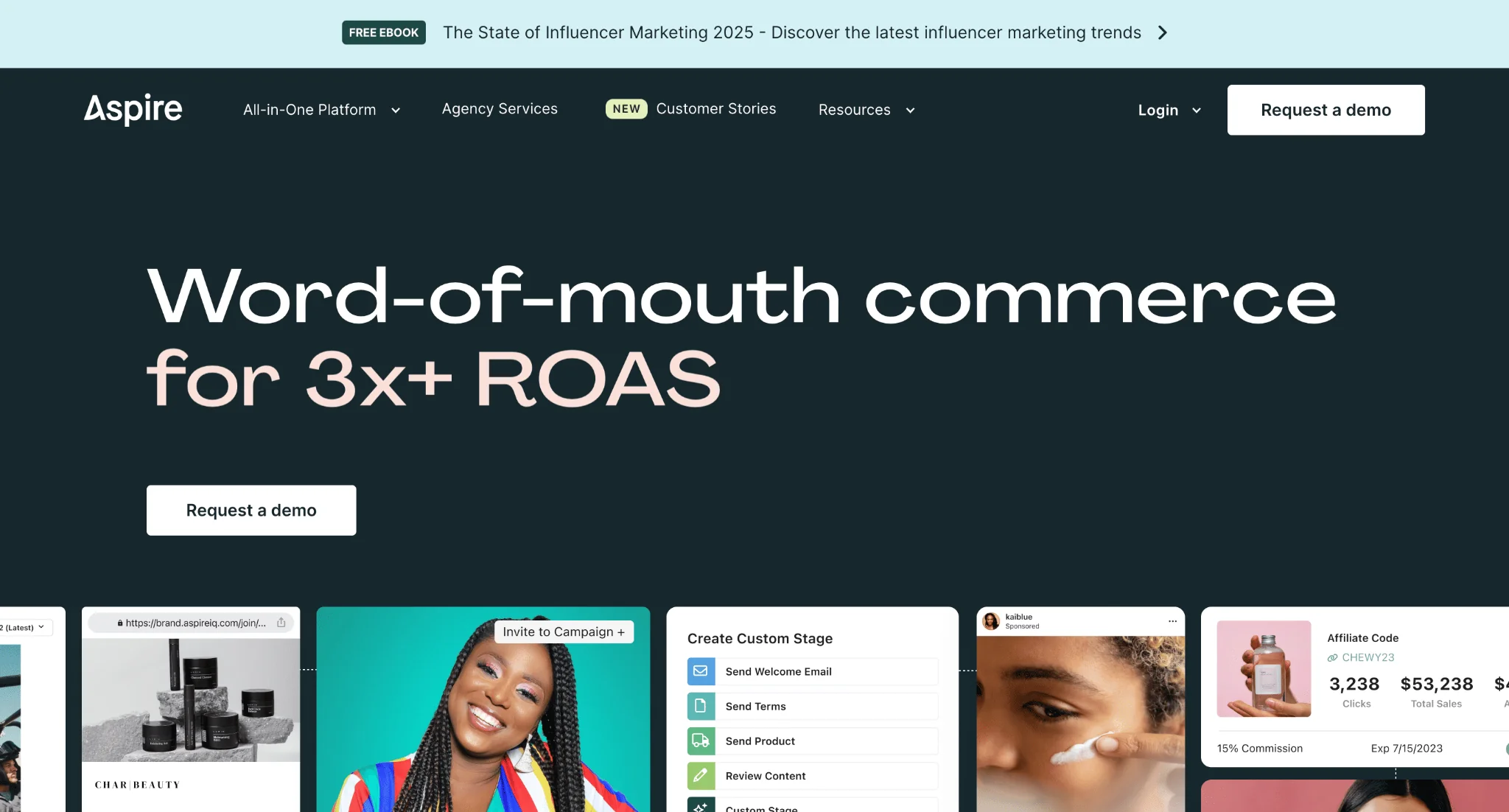
Aspire es una plataforma de marketing de influencers enfocada en sourcing de creadores, gestión de relaciones y programas de embajadores. Combina el descubrimiento de influencers con un mercado de creadores integrado, lo que la hace popular entre marcas que quieren tanto alcance saliente como aplicaciones entrantes.
Mejor Para
Marcas DTC y eCommerce que construyen programas de embajadores a largo plazo, comunidades de afiliados y pipelines de UGC — especialmente aquellas que desean que los creadores se postulen directamente a campañas.
Cómo Funciona con Tiendas en Línea
Aspire se integra con tiendas en línea para sincronizar productos, generar códigos de descuento y rastrear ventas impulsadas por influencers. Las marcas pueden incorporar productos en campañas, enviar artículos para gifting, asignar enlaces de afiliados y medir conversiones vinculadas a creadores específicos.
El flujo de trabajo típicamente se ve así: lanzar campaña → atraer aplicaciones entrantes de creadores o ejecutar alcance → enviar productos → asignar enlaces de rastreo o códigos → monitorear ingresos de tienda. Aspire es particularmente fuerte para marcas que desean una mezcla de aplicaciones entrantes y rastreo de afiliados estructurado.
Precios
Aspire no lista públicamente los niveles de precios completos. Basado en datos disponibles:
- Precio inicial estimado: Aproximadamente $2,000/mes
- Puede escalar a $5,000/mes o más dependiendo del volumen de creadores y características
- Típicamente estructurado como un contrato anual
Los precios se escalan según el número de creadores gestionados y el acceso a características.
Facilidad de Uso (UX/UI)
Los usuarios frecuentemente describen la interfaz de Aspire como moderna y visualmente limpia. Los paneles de campaña están estructurados de manera que facilita el seguimiento de etapas de creadores, envíos de contenido y aprobaciones.
Sin embargo, algunos revisores mencionan que la plataforma puede sentirse abrumadora en características, y la incorporación es útil para comprender completamente cómo estructurar campañas de manera eficiente.
Soporte al Cliente
La retroalimentación de clientes es generalmente positiva, con muchos usuarios destacando una incorporación útil y gerentes de cuenta dedicados. Las marcas que ejecutan programas más grandes frecuentemente mencionan soporte sólido durante la implementación.
Algunos equipos más pequeños notan que la orientación estratégica puede depender del tamaño del contrato y el nivel de servicio.
Características Clave
- Mercado de Creadores Entrante: Aspire permite que los creadores se postulen directamente a campañas de marca. Esto ayuda a las marcas a construir programas de embajadores y escalar la producción de contenido sin depender únicamente del alcance saliente.
- Integración con Shopify para Sincronización de Productos: Los productos de tu tienda se pueden incorporar directamente en campañas. Esto simplifica el gifting y mantiene el cumplimiento alineado con la gestión de influencers.
- Rastreo de Afiliados y Códigos de Descuento: Las marcas pueden asignar enlaces de afiliados únicos y códigos promocionales a creadores. Los datos de ventas se sincronizan nuevamente con los paneles de campaña, permitiendo la medición de desempeño vinculada a ingresos reales de tienda.
- Acceso a Datos Sociales de Primer Nivel: Aspire se integra directamente con ciertas plataformas sociales para acceder a datos de desempeño verificados. Esto ayuda a las marcas a tomar decisiones basadas en métricas de engagement más precisas.
- Flujos de Trabajo de UGC y Aprobación de Contenido: La plataforma incluye etapas de revisión y aprobación de contenido estructuradas. Esto es útil para marcas que ejecutan anuncios pagos o reutilizan contenido de influencers en múltiples canales.
Limitaciones de Aspire
Los precios de Aspire pueden escalar rápidamente conforme tu lista de creadores crece, lo que puede limitar la flexibilidad para marcas que prueban programas de influencers. Algunos usuarios también notan que mientras las aplicaciones entrantes son poderosas, la automatización saliente puede no ser tan avanzada como las plataformas enfocadas fuertemente en flujos de trabajo impulsados por CRM.
6. CreatorIQ
CreatorIQ es una plataforma empresarial de marketing con influencers diseñada para marcas globales que gestionan programas de creadores a gran escala. Se enfoca principalmente en gobernanza, cumplimiento normativo, precisión de reportes y colaboración entre equipos.
Ideal Para
Marcas eCommerce empresariales y compañías multinacionales que ejecutan campañas con influencers en múltiples mercados, equipos y regiones, especialmente aquellas que requieren procesos estrictos de reportes y cumplimiento normativo.
Cómo Funciona con Tiendas Online
CreatorIQ integra datos de la tienda y ventas en paneles de reportes de influencers, permitiendo a las marcas conectar el desempeño de creadores con resultados de ingresos. Generalmente lo utilizan organizaciones más grandes donde el marketing con influencers necesita alinearse con sistemas de marketing, finanzas y cumplimiento más amplios.
El flujo de trabajo típicamente se ve así: identificar creadores → gestionar contratos y aprobaciones → sincronizar datos de campañas con métricas de ventas → generar reportes estructurados de ROI. En lugar de enfocarse en ejecución rápida, CreatorIQ enfatiza la supervisión centralizada y la visibilidad entre departamentos en los ingresos generados por influencers.
Precios
CreatorIQ no publica precios públicos. Según puntos de referencia de la industria:
- Comienza alrededor de $35,000 por año
- Puede escalar hasta $200,000+ por año dependiendo del alcance
- Típicamente estructurado como un contrato empresarial anual
Está posicionado claramente en la categoría de precios empresarial.
Facilidad de Uso (UX/UI)
Los usuarios describen CreatorIQ como poderosa pero compleja. La plataforma ofrece herramientas de personalización y reportes profundas, pero muchos revisores mencionan una curva de aprendizaje, especialmente para equipos nuevos.
Debido a que está construida para casos de uso empresarial, la interfaz prioriza estructura y control sobre simplicidad.
Soporte al Cliente
El soporte al cliente generalmente recibe calificaciones altas entre usuarios empresariales. Muchas marcas mencionan gerentes de cuenta dedicados y programas de incorporación estructurados.
Sin embargo, porque opera a nivel empresarial, la calidad del soporte puede depender del tamaño del contrato y del nivel de cuenta.
Características Clave
- Reportes y Análisis de Nivel Empresarial: CreatorIQ ofrece paneles personalizables que conectan métricas de influencers con KPIs comerciales. Esto es particularmente útil para marcas que necesitan presentar datos de desempeño a equipos ejecutivos.
- Sincronización de Datos en Tiempo Real Basada en API: La plataforma se conecta a múltiples fuentes de datos, incluyendo sistemas eCommerce. Esto permite que los datos de desempeño fluyan hacia ambientes de reportes centralizados.
- Gestión de Cumplimiento Global y Pagos: CreatorIQ incluye flujos de trabajo de contratos, manejo de documentación fiscal y herramientas de procesamiento de pagos. Esto soporta marcas multinacionales operando en diferentes ambientes legales.
- Controles Avanzados de CRM y Flujo de Trabajo: Las relaciones con influencers se gestionan dentro de un ambiente CRM estructurado. Los equipos pueden asignar roles, aprobaciones y permisos entre departamentos.
- Herramientas de Aprobación de Contenido y Gobernanza de Marca: Los procesos de aprobación estructurados ayudan a mantener consistencia de marca y cumplimiento. Esto es especialmente útil para industrias reguladas.
Limitaciones de CreatorIQ
La estructura de precios y contrato anual de CreatorIQ puede no ser práctica para marcas DTC pequeñas a medianas. Algunos usuarios también reportan que mientras las capacidades de reportes son sólidas, la ejecución diaria de campañas puede sentirse menos ágil comparado con plataformas construidas específicamente para equipos eCommerce de rápido movimiento.
7. Traackr
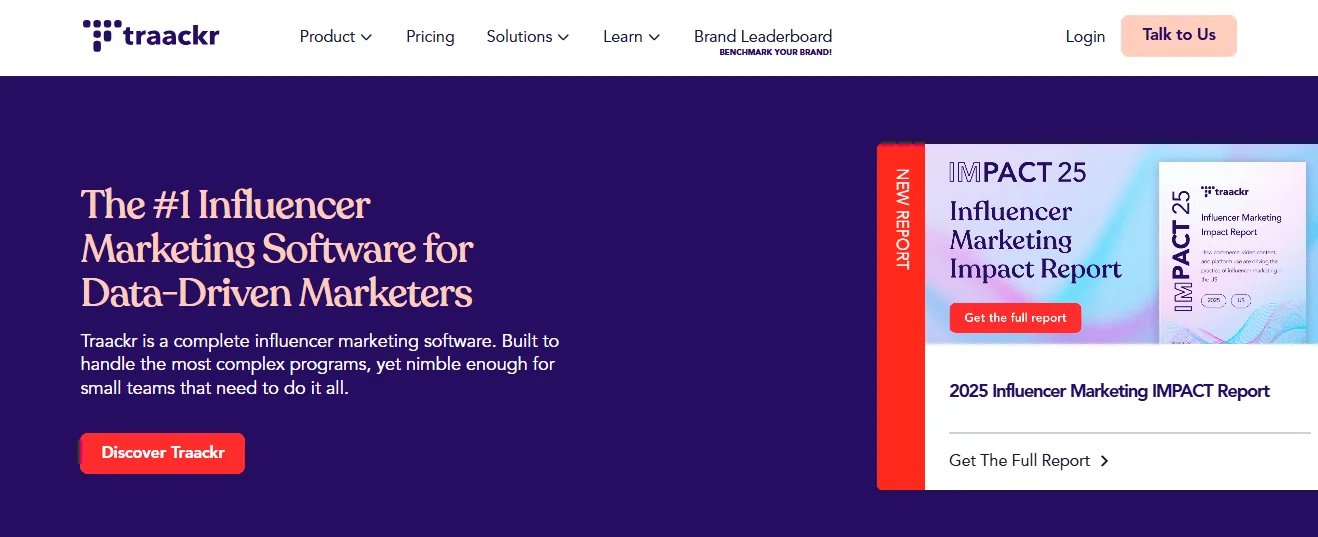
Traackr es una plataforma empresarial de marketing con influencers enfocada en benchmarking de desempeño, seguimiento de presupuesto y gestión de relaciones a largo plazo. Se posiciona como un sistema para medir el impacto de influencers en mercados en lugar de simplemente gestionar alcance.
Ideal Para
Marcas eCommerce empresariales y globales que desean medición estructurada del desempeño con influencers, benchmarking competitivo y visibilidad de presupuesto en múltiples regiones.
Cómo Funciona con Tiendas Online
Traackr conecta datos de desempeño de influencers con métricas de ingresos para ayudar a marcas a evaluar ROI y eficiencia de costos. En lugar de enfocarse en seeding de productos o alcance automatizado, típicamente se utiliza para rastrear cómo las inversiones en influencers se traducen en impacto de marca y desempeño de ventas.
El flujo de trabajo usualmente se ve así: identificar e incorporar creadores → rastrear desempeño de campaña → comparar resultados → analizar ROI y asignación de presupuesto. Para tiendas online, actúa más como una capa de medición y análisis que como una herramienta de ejecución práctica.
Precios
Traackr no publica precios públicos. Según puntos de referencia de 2025:
- Comienza alrededor de $32,500 por año
- Estructurado como un contrato empresarial anual
Los precios se escalan según los mercados, usuarios y alcance de informes.
Facilidad de Uso (UX/UI)
Los usuarios suelen describir Traackr como rico en datos y estructurado, pero no ligero. Los paneles están construidos para informes y análisis comparativos, lo que puede resultar abrumador para equipos más pequeños.
Los equipos que priorizan analítica aprecian la profundidad de los informes, pero algunos revisores mencionan que la navegación diaria puede resultar menos intuitiva en comparación con plataformas enfocadas en campañas.
Servicio al Cliente
Los usuarios empresariales generalmente reportan experiencias positivas con la incorporación y la gestión de cuentas estratégicas. El soporte de cuenta dedicado se incluye comúnmente en este nivel.
Sin embargo, como ocurre con la mayoría de herramientas empresariales, el nivel de soporte a menudo se correlaciona con el tamaño y alcance del contrato.
Funciones Clave
- Puntuación de Vitalidad de Marca (BVS): El sistema de puntuación propietario de Traackr ayuda a las marcas a medir el impacto de los influencers más allá de métricas superficiales. Evalúa la calidad del alcance, compromiso y alineación con la marca en todas las campañas.
- Seguimiento de Presupuesto y Gastos: La plataforma permite a las marcas monitorear el gasto en influencers en campañas y regiones. Esto es útil para marcas de eCommerce que asignan presupuestos de influencers en múltiples líneas de productos o mercados.
- Análisis Competitivo: Traackr permite a las marcas comparar el rendimiento de influencers contra competidores. Esto ayuda a los equipos a comprender la participación de voz y el posicionamiento relativo en el mercado.
- Seguimiento del Historial de Relaciones: Las interacciones de influencers y colaboraciones históricas se almacenan en un sistema centralizado. Esto respalda la construcción de relaciones a largo plazo en lugar de campañas aisladas.
- Informes de Rendimiento y Medición de ROI: Traackr conecta la actividad de influencers con métricas comerciales, ayudando a las marcas a analizar el retorno de inversión en campañas.
Limitaciones de Traackr
Traackr se enfoca mucho en analítica y análisis comparativos, pero menos en alcance automatizado, regalos o ejecución rápida de campañas. Para marcas DTC que necesitan integraciones Shopify prácticas y automatización de flujos de trabajo diarios, puede parecer más una capa de informes que un sistema operacional.
8. Impact
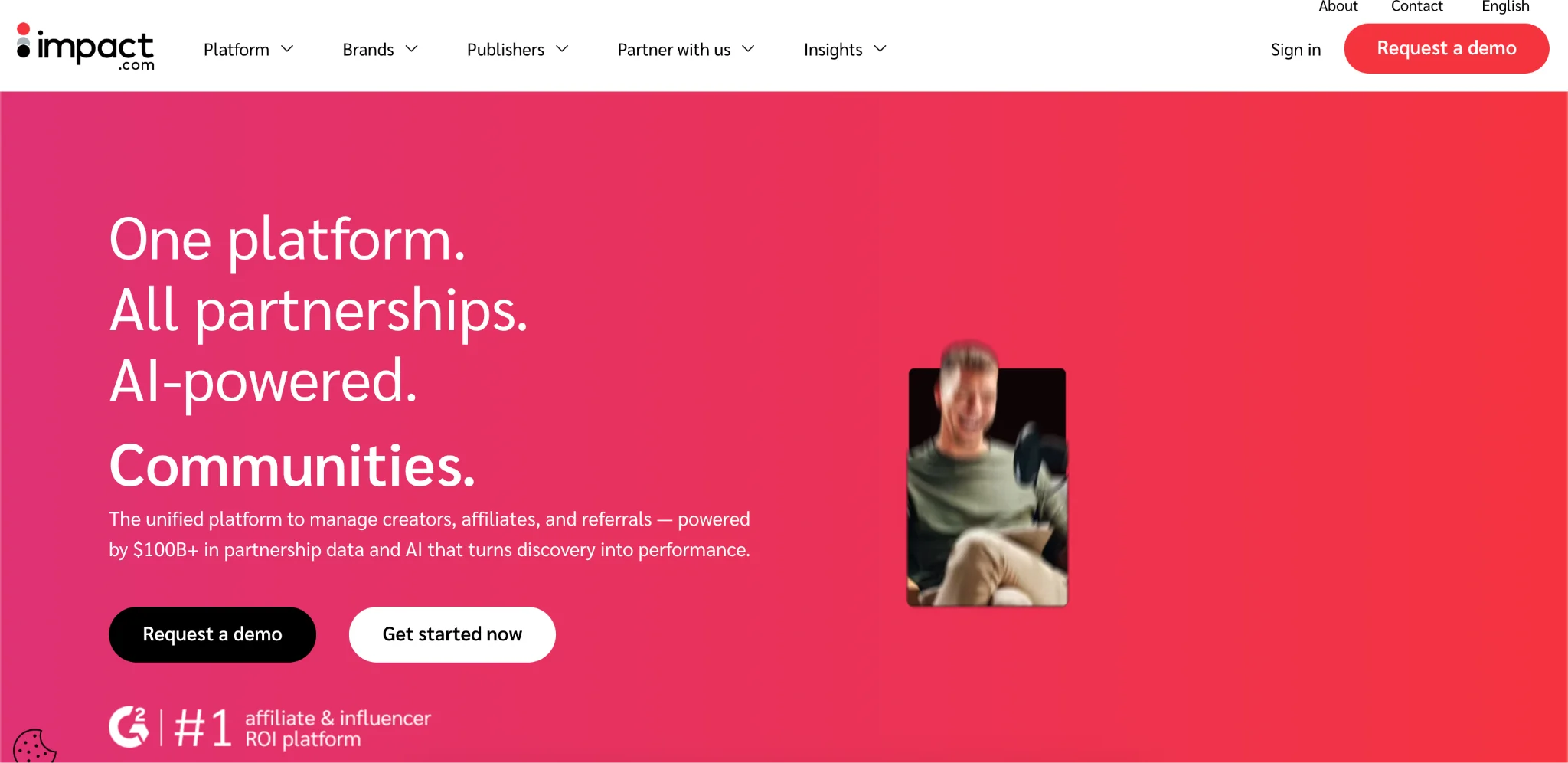
Impact.com es una plataforma de gestión de asociaciones que combina marketing de afiliados, asociaciones con influencers y programas de referencia más amplios en un solo sistema. Aunque no está construido exclusivamente como un CRM de influencers, es ampliamente utilizado por marcas de eCommerce que desean gestionar influencers junto con afiliados y otros socios de desempeño.
Mejor Para
Tiendas en línea de tamaño medio a empresarial que ejecutan programas de afiliados estructurados y desean que los influencers se gestionen como parte de un ecosistema más amplio de marketing de rendimiento.
Cómo Funciona con Tiendas en Línea
Impact.com se integra directamente con tiendas en línea para rastrear conversiones, ingresos y comisiones entre socios. En un contexto de influencers, las marcas generalmente incorporan creadores como afiliados, asignan enlaces de seguimiento y monitorean ventas dentro de la plataforma.
El flujo de trabajo frecuentemente se ve así: incorporar influencer como socio → generar enlaces de seguimiento → conectar datos de ventas de la tienda → automatizar pagos de comisiones → analizar contribución de ingresos. Se adapta bien a tiendas que ya tratan el marketing de influencers como un canal de rendimiento vinculado estrechamente a ingresos por afiliados.
Precios
Impact.com no publica públicamente niveles de precios detallados. Según puntos de referencia de la industria:
- Precios personalizados (enfocados en empresas)
- Típicamente estructurado como un contrato anual
- Los precios varían según el volumen de socios, volumen de transacciones y módulos de funciones
Se posiciona en un nivel de precios más alto en comparación con herramientas de influencers ligeras.
Facilidad de Uso (UX/UI)
Los usuarios a menudo describen Impact.com como potente pero complejo. El panel proporciona informes detallados y herramientas de automatización, aunque algunos revisores notan que la configuración requiere coordinación técnica.
Dado que está diseñado para una gestión de asociaciones más amplia, los equipos de influencers pueden encontrarlo menos optimizado para la ejecución diaria de campañas en comparación con plataformas de influencers dedicadas.
Servicio al Cliente
Los comentarios sobre servicio al cliente son generalmente positivos para clientes empresariales, particularmente en torno a la incorporación e implementación. Las marcas más grandes frecuentemente reciben gestión de cuentas estructurada y asistencia técnica.
Algunos usuarios mencionan que el tiempo de respuesta y la profundidad del soporte pueden depender del nivel del contrato y el tamaño de la empresa.
Funciones Clave
- Infraestructura de Seguimiento de Afiliados y Socios: Impact.com está construido alrededor del seguimiento robusto de ingresos impulsados por afiliados y socios. Los influencers pueden gestionarse como afiliados con estructuras de comisión automatizadas vinculadas directamente a las transacciones de la tienda.
- Gestión Automatizada de Comisiones y Pagos: La plataforma admite cálculos de comisiones y pagos automatizados. Esto reduce la conciliación manual para marcas de eCommerce que gestionan grandes programas de afiliados de influencers.
- Gestión de Asociaciones Multicanal: Más allá de los influencers, las marcas pueden gestionar afiliados, embajadores y otros socios dentro de un único sistema. Esto centraliza los informes de rendimiento en múltiples canales de adquisición.
- Modelado Avanzado de Atribución: Impact.com ofrece seguimiento de atribución detallado, ayudando a las marcas a entender cómo los puntos de contacto de influencers contribuyen a las conversiones dentro de recorridos de clientes más amplios.
- Informes y Análisis Escalables: Las herramientas de informes de nivel empresarial permiten a las marcas rastrear ingresos, rendimiento de socios y costos de comisión en paneles estructurados.
Limitaciones de Impact.com
Impact.com no está diseñado específicamente para el descubrimiento de influencers o la gestión de relaciones, por lo que las marcas pueden necesitar herramientas adicionales para identificar creadores y gestionar el outreach. Algunos usuarios también informan que la implementación puede requerir muchos recursos, especialmente para equipos más pequeños sin soporte técnico dedicado.
9. Refersion
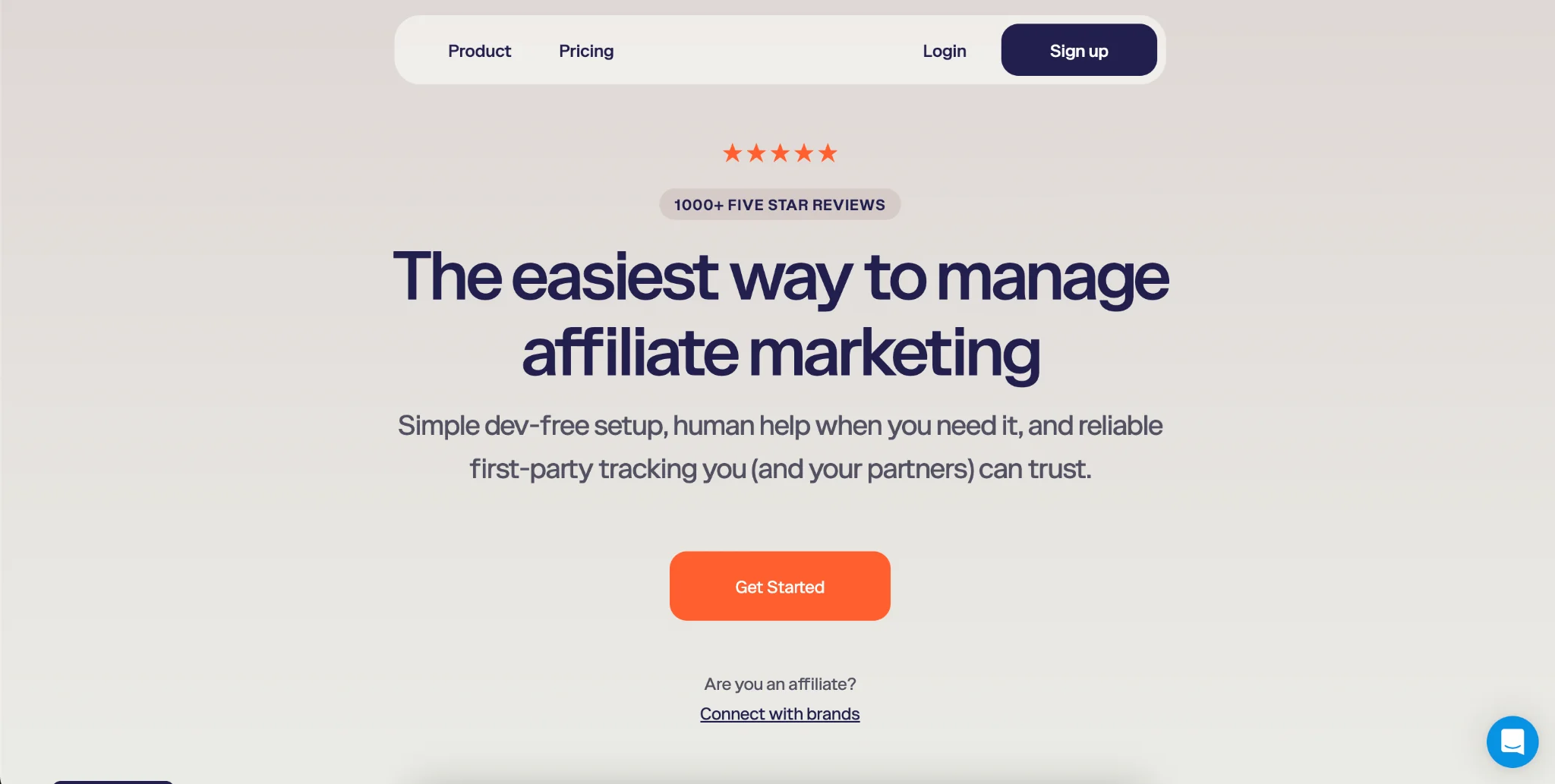
Refersion es una plataforma de marketing de afiliados diseñada específicamente para marcas de eCommerce. Aunque no es un CRM de influencers completo, muchas tiendas en línea utilizan Refersion para gestionar programas de afiliados de influencers, rastrear ventas de referencia y automatizar comisiones directamente a través de su tienda.
Ideal Para
Marcas de Shopify, WooCommerce y BigCommerce que ejecutan principalmente campañas de influencers a través de enlaces de afiliados y códigos de descuento en lugar de flujos de outreach estructurados o regalos.
Cómo Funciona con Tiendas en Línea
Refersion se conecta directamente a tu tienda en línea para rastrear ventas de referencia y pagos de comisiones. Los influencers se incorporan como afiliados, reciben enlaces de seguimiento únicos o códigos, y su rendimiento se mide en función de las transacciones reales de la tienda.
El flujo de trabajo típico se ve así: invitar a influencer → asignar enlace de afiliado o código → rastrear conversiones de la tienda → automatizar pagos de comisiones. Se adapta naturalmente a marcas que tratan el marketing de influencers como un canal de afiliados basado en rendimiento en lugar de un flujo de trabajo de CRM impulsado por campañas.
Precios
Refersion ofrece precios escalonados (comúnmente estructurados como planes mensuales):
- Plan Professional: Comienza alrededor de $99/mes
- Los niveles superiores escalan según el volumen de pedidos y las características
- Precios empresariales disponibles
- Facturación mensual, con descuentos anuales opcionales
Los precios a menudo dependen del volumen de pedidos y las necesidades de seguimiento de comisiones.
Facilidad de Uso (UX/UI)
Los usuarios frecuentemente describen Refersion como directo y fácil de configurar, especialmente para tiendas Shopify. El panel se centra en el rendimiento de afiliados, lo que lo hace simple para equipos que principalmente rastrean comisiones.
Sin embargo, porque es de afiliados primero, los usuarios notan que carece de la profundidad de gestión de campañas de plataformas de influencers dedicadas.
Atención al Cliente
Las reseñas de clientes a menudo mencionan soporte por correo electrónico receptivo y documentación útil de incorporación. Muchos usuarios de Shopify informan de experiencias de integración relativamente fluidas.
Algunos usuarios indican que la solución de problemas más avanzada puede requerir esperar una respuesta de soporte, dependiendo del nivel del plan.
Características Clave
- Integración Directa de la Tienda: Refersion se conecta directamente con plataformas principales de eCommerce para rastrear automáticamente las ventas de referencia. Los pedidos se atribuyen al afiliado correcto sin conciliación manual.
- Seguimiento y Pagos de Comisiones Automatizados: Las comisiones se calculan en función de las transacciones de la tienda. Las marcas pueden automatizar procesos de pago, reduciendo la carga administrativa.
- Portal de Afiliados para Creadores: Los influencers reciben acceso a su propio portal para rastrear clics, ventas y ganancias. Esto mejora la transparencia y reduce solicitudes de informes recíprocos.
- Atribución de Códigos de Cupón: Se pueden asignar códigos promocionales únicos a afiliados. Las ventas generadas a través de esos códigos se rastrean de nuevo al influencer correspondiente.
- Panel de Informes de Rendimiento: Refersion proporciona informes enfocados en clics, conversiones, ingresos y costos de comisión. Esto respalda el seguimiento de ROI para campañas de influencers impulsadas por afiliados.
Limitaciones de Refersion
Refersion está diseñado para el seguimiento de afiliados, no para descubrimiento de influencers, outreach o flujos de trabajo de regalos. Las marcas que desean funcionalidad completa de CRM de influencers típicamente necesitan herramientas adicionales para gestionar relaciones con creadores y ejecución de campañas.
10. Afluencer
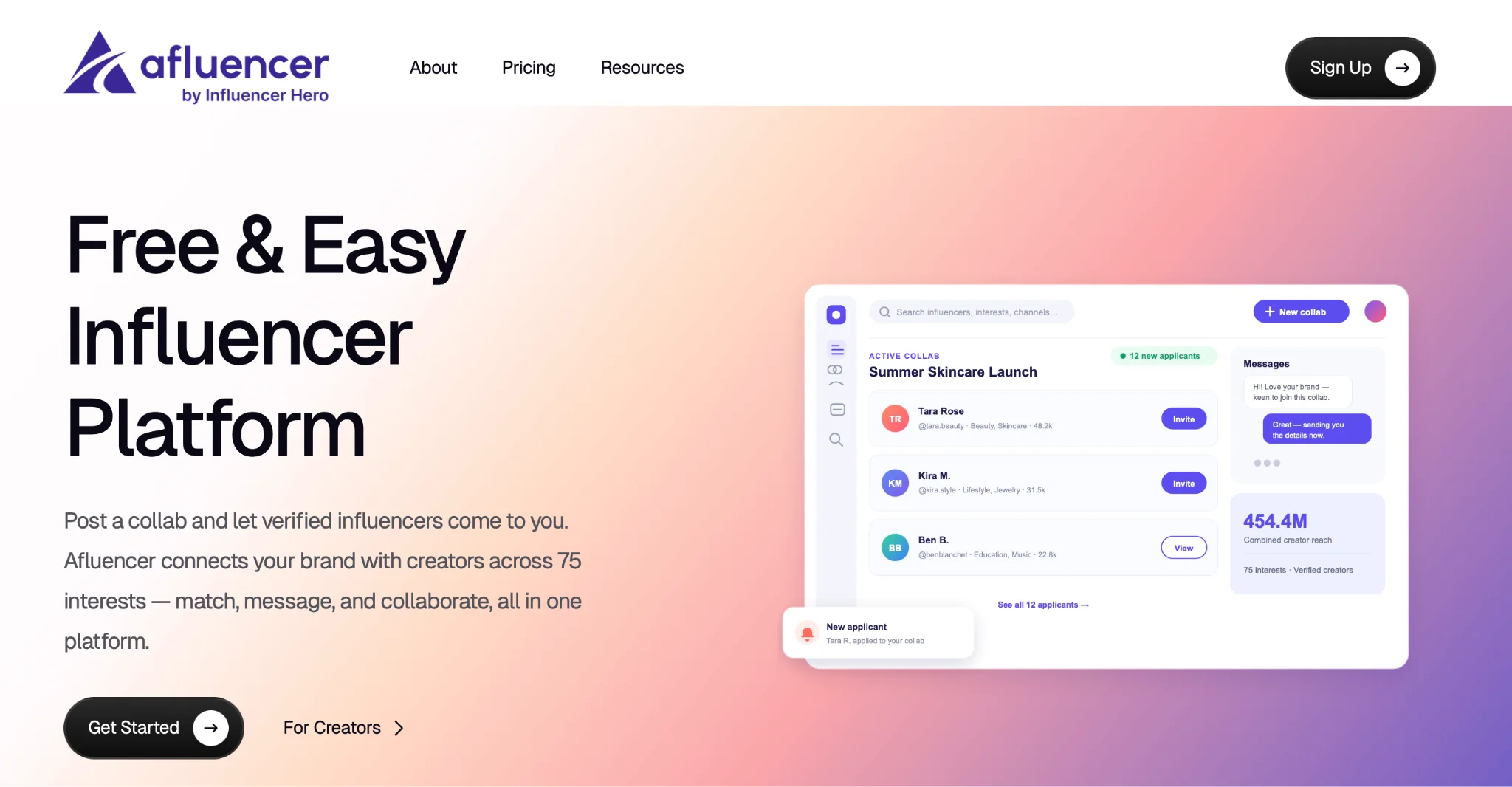
Afluencer es una plataforma de marketing de influencers estilo marketplace que conecta marcas y creadores directamente a través de una red integrada. Es comúnmente utilizada por marcas de eCommerce más pequeñas que buscan encontrar influencers rápidamente sin gestionar un sistema CRM complejo.
Mejor Para
Marcas pequeñas y medianas de Shopify y BigCommerce que desean una forma simple de conectar con influencers y ejecutar colaboraciones de productos sin automatización pesada o infraestructura de nivel empresarial.
Cómo Funciona con Tiendas Online
Afluencer se integra con tiendas online principalmente a través de su modelo de marketplace y aplicación. Las marcas cotizan oportunidades de colaboración, los influencers se postulan y las campañas se gestionan dentro de la plataforma. Los códigos de descuento y el seguimiento de afiliados se pueden utilizar para medir el desempeño de la tienda.
El flujo de trabajo típico se ve así: crear un listado de colaboración → recibir solicitudes de influencers → aprobar creadores → enviar productos o asignar códigos de descuento → rastrear ventas desde enlaces de afiliados. Se adapta a marcas que prefieren aplicaciones entrantes en lugar de flujos de trabajo de prospección saliente.
Precios
Afluencer ofrece precios escalonados (típicamente planes mensuales):
- Plan Básico: Comienza alrededor de $49/mes
- Planes Pro y Superiores: Precios más altos dependiendo de las características y visibilidad
- Modelo de suscripción mensual
- Sin contrato anual a largo plazo requerido para planes de nivel de entrada
Los precios escalan según el acceso a funciones del marketplace y visibilidad de campañas.
Facilidad de Uso (UX/UI)
Los usuarios a menudo describen Afluencer como fácil de navegar y amigable para principiantes. El diseño del marketplace hace que sea simple para las marcas explorar perfiles y publicar oportunidades de colaboración.
Dado que se enfoca en coincidencias en lugar de automatización completa de campañas, la interfaz tiende a sentirse más ligera en comparación con plataformas empresariales.
Atención al Cliente
Los comentarios de los clientes son generalmente positivos, especialmente entre marcas más pequeñas. Los usuarios mencionan incorporación útil y comunicación receptiva por correo electrónico.
Dado que funciona más como una plataforma de marketplace, el soporte generalmente se centra en el uso de la plataforma en lugar de consultoría estratégica profunda.
Características Clave
- Modelo de Marketplace de Influencers: Las marcas pueden listar campañas y recibir solicitudes directamente de influencers. Esto reduce la necesidad de prospección saliente.
- Integración de Aplicación Shopify: Afluencer ofrece opciones de integración para marcas basadas en Shopify. Esto respalda el seguimiento de afiliados y la gestión de colaboraciones dentro de un ecosistema de tienda familiar.
- Coincidencia Basada en Perfiles: Los influencers crean perfiles detallados, permitiendo a las marcas evaluar el tamaño de la audiencia, nicho y participación antes de aprobar colaboraciones.
- Seguimiento de Códigos de Descuento y Afiliados: Las marcas pueden asignar códigos de descuento o enlaces de afiliados a influencers. Las conversiones de tienda se rastrean entonces según estos enlaces.
- Panel de Control de Gestión de Colaboraciones: La plataforma incluye herramientas para gestionar colaboraciones activas, comunicación y seguimiento de estado dentro de campañas.
Limitaciones de Afluencer
Afluencer se enfoca en la coincidencia de marketplace en lugar de automatización avanzada de CRM o prospección a gran escala. Las marcas que ejecutan programas de marketing de influencers de alto volumen o estructuras de afiliados complejas pueden encontrar que su flujo de trabajo es demasiado ligero para escalar más allá de colaboraciones iniciales.
Cómo Elegir el Software de Marketing de Influencers Adecuado para Tiendas Online
La plataforma correcta depende de cómo el marketing de influencers apoye los objetivos de ingresos de tu tienda online.
- Para seguimiento de embudo completo y medición de ROI: Elige una plataforma que conecte campañas de influencers directamente a ventas de tienda, códigos de descuento e ingresos de afiliados. Si el marketing de influencers es un canal de crecimiento para tu tienda online, necesitarás una atribución clara de ingresos, no solo datos de participación.
- Para descubrimiento e outreach de influencers: Si tu enfoque principal es encontrar y contactar creadores, las plataformas pesadas en descubrimiento con grandes bases de datos y filtrado fuerte pueden ser suficientes. Solo ten en cuenta que es posible que necesites herramientas adicionales para un seguimiento de ventas más profundo.
- Para programas de regalos o afiliados a escala: Las marcas que envían grandes volúmenes de productos o gestionan muchos códigos de afiliados deben priorizar plataformas que se sincronicen con pedidos de tienda y automaticen el seguimiento de comisiones.
- Para un flujo de trabajo de eCommerce todo en uno: Si deseas descubrimiento, outreach, envío de regalos y seguimiento de ingresos alineados dentro de un sistema, busca una plataforma construida específicamente alrededor de flujos de trabajo de tiendas online para mantener todo conectado y medible.
Conclusiones Finales
Elegir el mejor software de marketing de influencers para tiendas online se reduce a qué tan estrechamente la plataforma se conecta con tu motor de ingresos. Para marcas DTC que venden a través de Shopify, WooCommerce o tiendas similares, el valor real proviene de mantener el descubrimiento de influencers, outreach, envío de regalos, seguimiento de afiliados y atribución de ingresos conectados en un único flujo de trabajo.
Si tu objetivo es tratar el marketing de influencers como un canal de crecimiento medible, Influencer Hero destaca como el mejor software para la integración de tiendas en línea. Está diseñado específicamente para flujos de trabajo de eCommerce, ayudando a las marcas a rastrear ventas reales, gestionar creadores de manera eficiente y escalar el rendimiento sin añadir complejidad operativa.
Si te gustaría ver cómo se adapta a tu stack actual, puedes reservar una demostración.
Resumen
Este es un texto dentro de un bloque div.
Este es un texto dentro de un bloque div.
Tarifa/Mes
Opiniones de Shopify
Este es un texto dentro de un bloque div.
Este es un texto dentro de un bloque div.
Este es un texto dentro de un bloque div.
Este es un texto dentro de un bloque div.
Este es un texto dentro de un bloque div.
Este es un texto dentro de un bloque div.
Este es un texto dentro de un bloque div.
Este es un texto dentro de un bloque div.
Este es un texto dentro de un bloque div.
Este es un texto dentro de un bloque div.
Este es un texto dentro de un bloque div.
Este es un texto dentro de un bloque div.
Este es un texto dentro de un bloque div.
Este es un texto dentro de un bloque div.
Este es un texto dentro de un bloque div.
Este es un texto dentro de un bloque div.
Este es un texto dentro de un bloque div.
Este es un texto dentro de un bloque div.
Este es un texto dentro de un bloque div.
Este es un texto dentro de un bloque div.
Este es un texto dentro de un bloque div.
Leer más

Preguntas frecuentes





Blogs más populares


Impulsa tu ROI con Marketing de Influencers
Únete a más de 1.200 marcas y 150+ agencias que escalan sus programas de creadores con Influencer Hero.