

August 29, 2025

10 Min
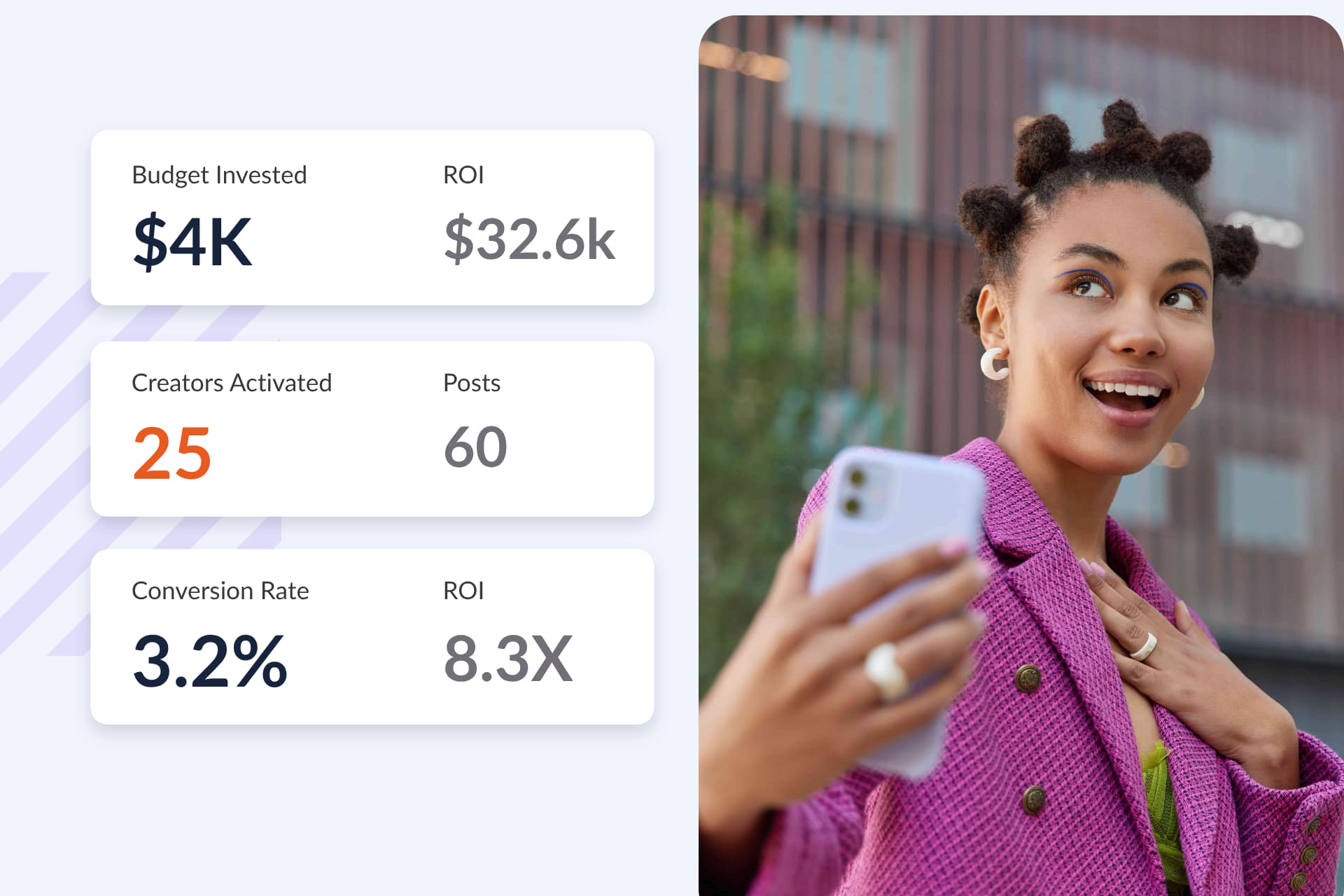
Case Study: How Beau Bottles Drove $82K in Sales and Viral UGC Using Influencer Hero





Influencer marketing continues to grow as one of the most effective channels for driving awareness and revenue, but choosing the right creators is what ultimately determines campaign success. With fake followers, low-quality audiences, and mismatched partnerships still common, brands need reliable influencer vetting tools to make confident, data-driven decisions.
Platforms like Influencer Hero, HypeAuditor, Modash, and CreatorIQ help brands go beyond surface-level metrics by analyzing audience authenticity, engagement quality, and overall creator fit. These tools enable teams to identify high-performing influencers while minimizing risk and wasted budget.
Whether you're a fast-growing DTC brand or an enterprise marketing team, the right vetting platform can help you improve campaign performance, protect your brand reputation, and scale influencer partnerships with confidence. In this guide, we’ll break down the top influencer vetting tools to help you find creators who truly deliver results.
Top 10 Influencer Vetting Tools:
Influencer CRM platforms have become essential for brands that want to build, scale, and optimize creator relationships. Especially for teams running high-volume influencer campaigns, the right CRM can be the difference between disorganized outreach and a fully streamlined, revenue-driving system. Here are the key factors to consider:
To identify the top influencer vetting tools, we focused on the capabilities that directly impact a brand’s ability to identify high-quality creators, minimize risk, and drive measurable campaign results. Each platform was assessed based on the following criteria:
We prioritized tools that go beyond basic metrics, offering features like fake follower detection, audience authenticity insights, engagement quality analysis, and brand fit indicators to ensure creators are both real and relevant.
The quality of vetting depends on the data behind it. We evaluated how robust and reliable each platform’s data is, including audience demographics, performance history, and consistency across social platforms.
Vetting doesn’t happen in isolation. We assessed how easily each tool fits into influencer workflows, including discovery, outreach, and campaign management, as well as overall ease of use and onboarding experience.
We looked at how well each platform supports scaling influencer programs, including automation features, bulk analysis, and the ability to vet hundreds or thousands of creators efficiently.
Finally, we considered whether each tool delivers strong value relative to its cost, taking into account feature depth, flexibility, and suitability for different business sizes—from startups to enterprise teams.
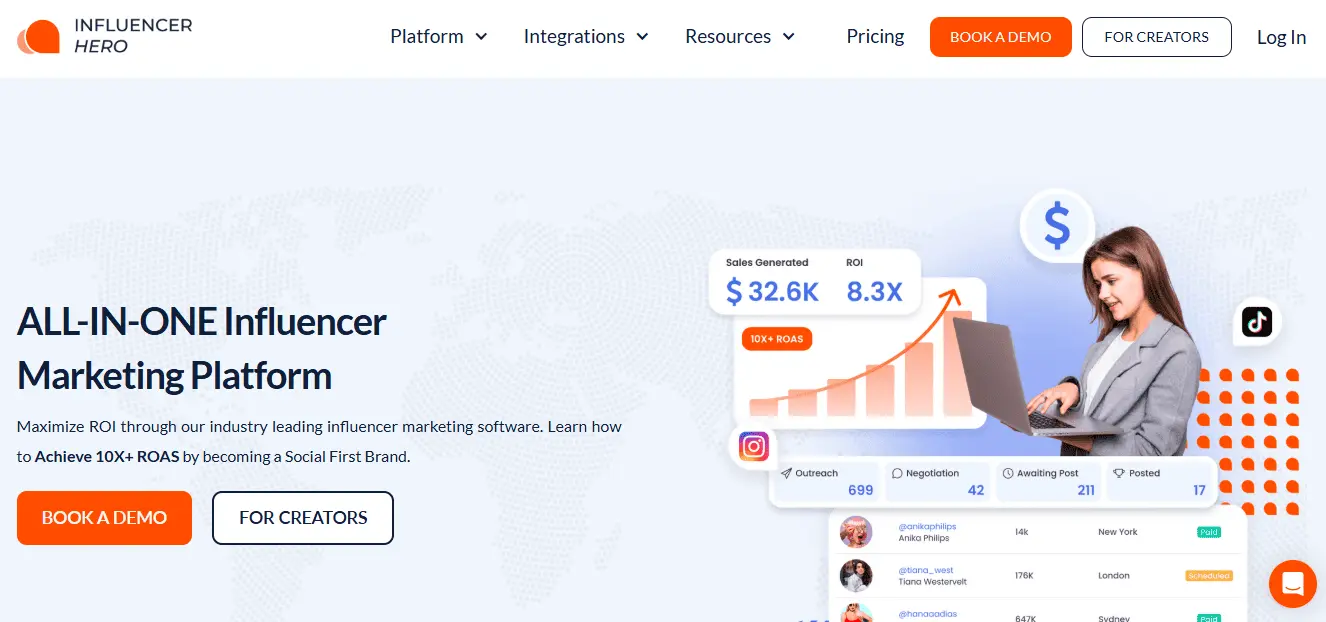
Influencer Hero is one of the best influencer marketing softwares for vetting influencers. Brands and agencies can easily identify high-quality creators, minimize risk, and scale campaigns efficiently. Built with DTC and eCommerce teams in mind, the platform goes beyond basic vetting by combining audience analysis, fraud detection, CRM workflows, and automation into a single system.
Rather than treating vetting as a one-time step, Influencer Hero integrates it across the entire influencer lifecycle—from discovery and outreach to performance tracking and brand safety monitoring.
Pricing:
Best For: Growing DTC and eCommerce brands running high-volume influencer campaigns
Influencer Hero also offers bulk outreach email sequences, campaign automation workflows, and centralized influencer relationship tracking. It is designed as a full end-to-end influencer marketing system rather than a simple vetting tool.
Influencer Hero stands out by combining influencer vetting with execution and automation in a single platform. While many tools focus only on audience quality or fraud detection, it extends vetting into campaign workflows and performance tracking.
For growing brands managing large creator programs, this makes it one of the most complete solutions for scaling influencer marketing while maintaining control, visibility, and ROI.

HypeAuditor is a data-driven influencer vetting platform built for brands that prioritize audience authenticity, fraud detection, and deep analytics. It is widely used by agencies and enterprise teams that need detailed insights into influencer audiences before committing to partnerships.
The platform focuses heavily on pre-campaign vetting, helping brands evaluate whether an influencer’s audience is real, relevant, and aligned with campaign goals through advanced AI-powered analysis.
Pricing:
Best For: Brands and agencies focused on fraud detection and data-driven influencer vetting
HypeAuditor also offers influencer discovery, campaign tracking, and benchmarking tools, but its core strength remains its deep analytics and auditing capabilities rather than workflow execution.
HypeAuditor is one of the strongest platforms for brands that want to minimize risk and validate influencer quality with precision. Its depth in analytics makes it ideal for teams that rely heavily on data before making partnership decisions.
However, it is less suited for brands looking for an all-in-one workflow solution, as it lacks strong CRM, outreach, and automation features. It works best as a specialized vetting tool rather than a complete influencer marketing platform.
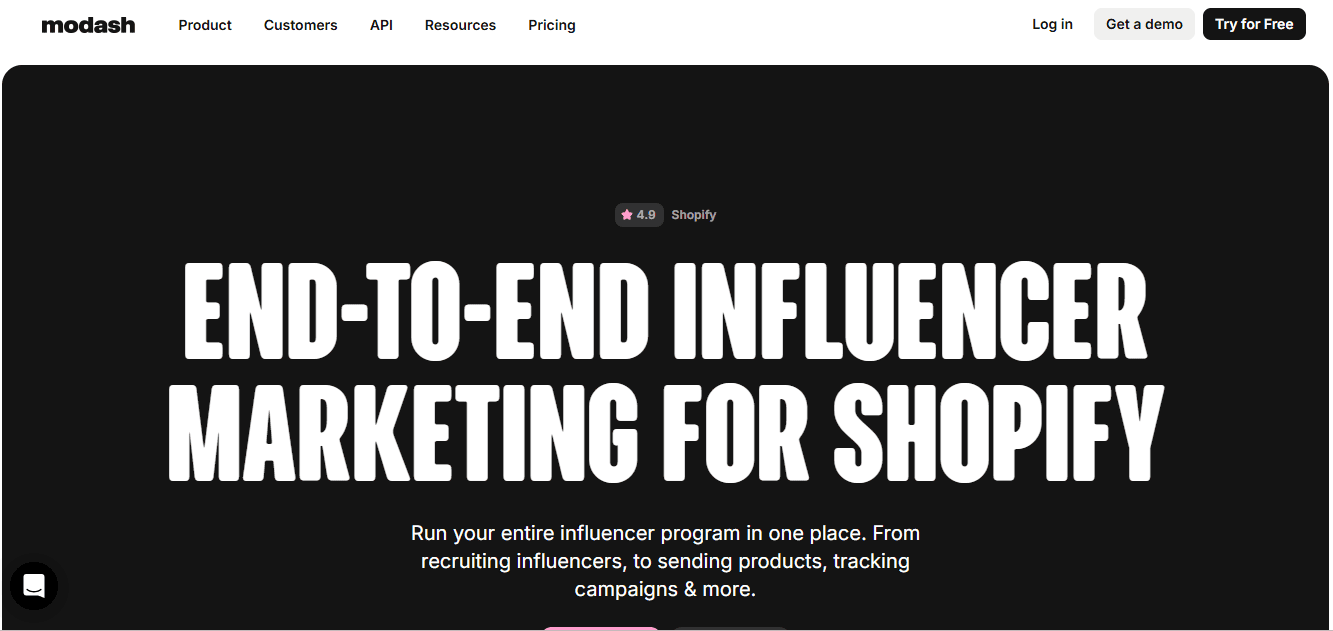
Modash is a discovery-focused influencer platform designed for brands that want to find and vet creators at scale using a massive global database. It is particularly popular among DTC brands that prioritize efficient influencer sourcing across multiple markets.
The platform leverages publicly available data to give brands access to hundreds of millions of creator profiles, making it one of the most powerful tools for large-scale discovery and initial vetting.
Pricing:
Best For: Brands looking for large-scale influencer discovery with solid vetting capabilities
Modash includes outreach tools, affiliate workflows, and Shopify integrations, but it is primarily designed as a discovery and vetting platform rather than a full CRM system.
Modash stands out as one of the best tools for discovery-led vetting at scale. Its database and search capabilities make it easy to find relevant influencers across markets and niches.
While it offers solid audience insights and fraud detection, it lacks deeper workflow automation and brand safety features. It’s best suited for teams that already have systems in place for managing outreach and campaigns.

Upfluence is an all-in-one influencer marketing platform that combines discovery, vetting, CRM, and affiliate marketing capabilities. It is especially well-suited for eCommerce brands that want to connect influencer marketing directly to revenue and customer data.
The platform integrates influencer vetting with campaign execution, allowing brands to identify creators, manage relationships, and track performance within a unified system.
Pricing:
Best For: eCommerce brands running influencer and affiliate marketing programs
Upfluence includes strong affiliate tracking, Shopify and Amazon integrations, and campaign management tools, making it a hybrid between a vetting platform and a full influencer marketing solution.
Upfluence is a strong choice for brands that want to link influencer vetting directly to sales performance. Its integration with eCommerce systems makes it particularly valuable for tracking ROI and scaling affiliate-driven campaigns.
While it doesn’t offer the same depth in fraud detection as specialized vetting platforms, it provides a more complete workflow for brands that want to manage discovery, relationships, and monetization in one place.

CreatorIQ is an enterprise-level influencer marketing platform built for global brands that require structured workflows, high data accuracy, and deep integrations. It is designed to support large-scale creator programs with a strong focus on compliance, reporting, and cross-team collaboration.
The platform stands out for its API-based data access and ability to manage complex influencer ecosystems across multiple regions.
Pricing:
Best For: Enterprise brands managing global influencer programs
CreatorIQ offers advanced workflow tools including content approvals, campaign tracking, and collaboration features for large teams. It also provides customizable reporting dashboards that can be shared across stakeholders without friction. Combined with dedicated account support, it delivers a premium experience tailored for enterprise needs.
CreatorIQ is best suited for enterprise organizations that prioritize data accuracy, compliance, and scalability. Its structured workflows and deep integrations make it powerful but less flexible for smaller teams. For global brands, it remains one of the most robust influencer CRM solutions available.

Later is a hybrid platform that combines influencer marketing with social media management and content planning. It is particularly strong for brands that want to align influencer campaigns with their broader content strategy, especially on visually-driven platforms like Instagram and TikTok.
It offers both self-serve tools and managed services, making it flexible depending on campaign complexity.
Pricing:
Best For: Brands combining influencer marketing with content planning
Later combines influencer marketing with content scheduling and planning tools in one platform. It also supports Shopify integrations for gifting and affiliate tracking, making it suitable for performance campaigns. Its hybrid model allows brands to choose between self-serve workflows or fully managed services.
Later is ideal for brands that want to integrate influencer marketing into their content operations. Its structured workflows and safety features make it reliable, though onboarding time and pricing may be limiting. It’s best suited for teams prioritizing planning and consistency.
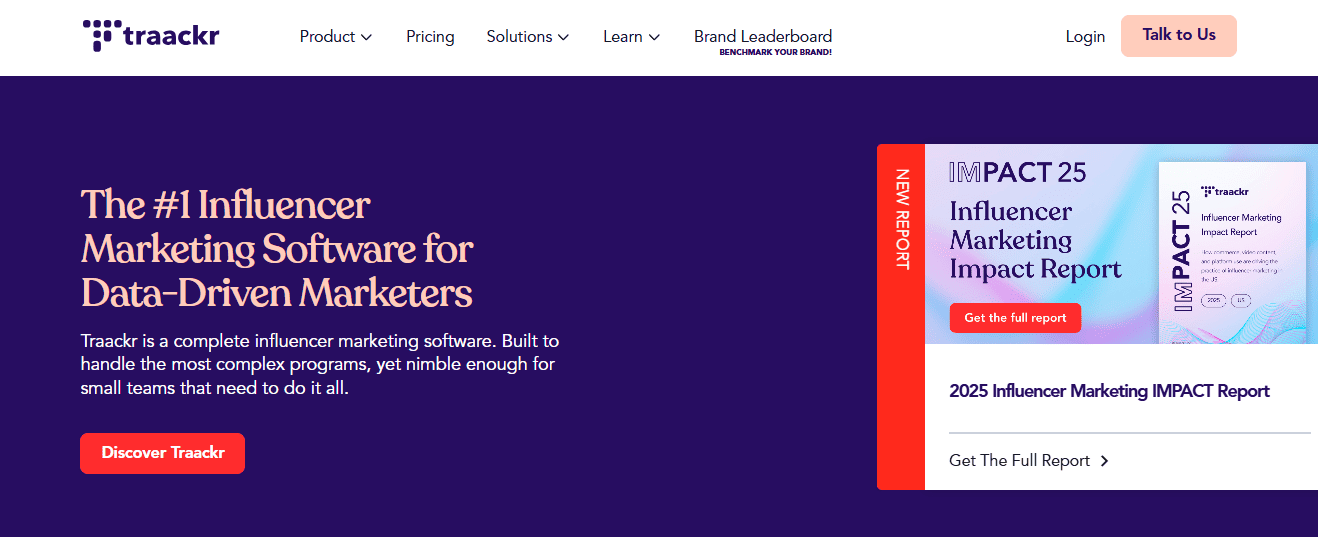
Traackr is a data-focused influencer marketing platform built for performance measurement and budget optimization. It helps brands evaluate influencer impact using detailed metrics and benchmarking tools.
The platform is particularly valuable for teams that prioritize ROI and data-driven decision-making.
Pricing:
Best For: Brands focused on ROI and performance benchmarking
Traackr specializes in budget allocation and performance optimization, helping brands decide how much to invest in each creator. It also includes tools for campaign tracking, payments, and influencer applications. Combined with its analytics-first approach, it provides strong support for performance-driven teams.
Traackr is ideal for data-driven teams that prioritize measurable performance and budget efficiency. Its analytics capabilities are among the strongest in the market, though it requires experience to fully leverage. It’s best suited for larger organizations with dedicated influencer marketing resources.

Aspire is a creator marketplace-driven platform focused on building long-term influencer relationships and scaling UGC campaigns. It combines inbound creator applications with discovery tools, making it ideal for brands prioritizing community-driven marketing.
The platform is particularly effective for ambassador programs and ongoing collaborations.
Pricing:
Best For: Brands focused on UGC and ambassador programs
Aspire stands out for its strong UGC workflows, including content approvals, licensing, and creator storefronts. It also integrates gifting and affiliate tracking through Shopify, enabling performance-driven campaigns. Combined with its marketplace model, it helps brands scale while maintaining authenticity.
Aspire is a strong fit for brands that prioritize long-term creator relationships and UGC production. Its marketplace approach reduces outreach friction and improves collaboration quality. While not the most analytics-heavy platform, it excels in community-driven influencer marketing.

GRIN is an eCommerce-focused influencer marketing platform built to manage creator relationships, product seeding, and affiliate programs. It is widely used by DTC brands that want to connect influencer activity directly to revenue.
The platform emphasizes ownership of creator relationships and first-party data.
Pricing:
Best For: DTC brands scaling influencer programs tied to revenue
GRIN offers deep eCommerce integrations that support product seeding, affiliate tracking, and payments in one place. It also includes creator portals that streamline communication and content submissions. Combined with its CRM capabilities, it provides a centralized workflow for managing influencer programs.
GRIN is a strong option for DTC brands that want to tie influencer marketing directly to revenue. Its strength lies in workflow consolidation and integrations rather than discovery. For brands scaling owned creator relationships, it remains a solid choice.
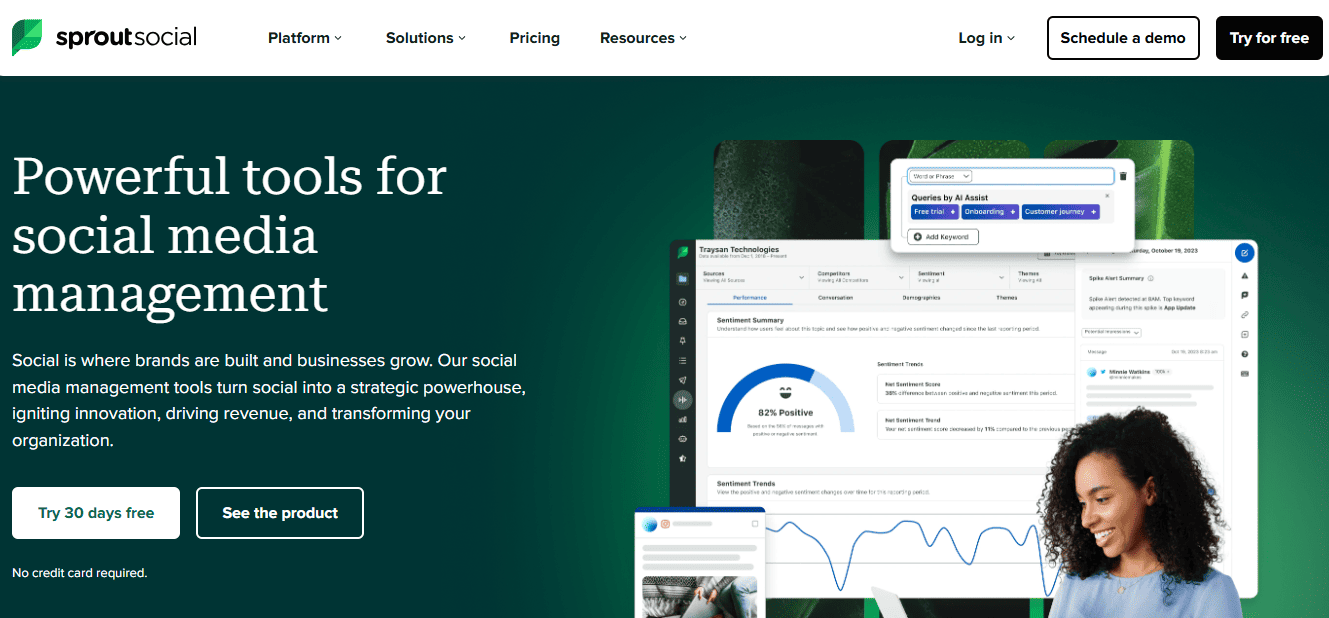
Sprout Social is a social media management platform that has expanded into influencer marketing through analytics, social listening, and reporting tools. It is best suited for teams that want to combine influencer efforts with broader social media strategies.
The platform focuses heavily on data, publishing workflows, and audience insights.
Pricing:
Best For: Teams combining influencer marketing with social media management
Sprout Social combines influencer insights with broader social media management tools like publishing, scheduling, and reporting. It also offers one of the strongest social listening capabilities available. This makes it valuable for brands seeking a unified view of social and influencer performance.
Sprout Social is best used as a complementary tool for influencer marketing rather than a standalone CRM. Its analytics and listening capabilities are best-in-class, but it lacks dedicated influencer workflow features. It’s ideal for teams integrating influencer marketing into a broader social strategy.
Choosing the right influencer vetting tool is essential for brands that want to maximize ROI and avoid costly mistakes. The best platforms go beyond surface-level metrics, helping teams identify authentic creators, analyze audience quality, and ensure strong alignment with campaign goals.
While many tools offer basic analytics, the most effective vetting solutions provide deeper insights into audience authenticity, engagement quality, and brand safety. This becomes even more important as influencer programs scale, where manually reviewing creators is no longer feasible.
For brands looking for a complete solution beyond just vetting, Influencer Hero stands out by combining influencer discovery, CRM, automation, and performance tracking in one platform. It enables teams to not only vet creators effectively but also manage and scale campaigns seamlessly. Book a demo with Influencer Hero to streamline your influencer marketing from selection to ROI.


An influencer vetting tool is a platform that helps brands evaluate creators before starting collaborations. It analyzes audience authenticity, engagement quality, demographics, and content to determine whether an influencer is a good fit for a campaign.
The most important metrics include audience authenticity, engagement rate, audience demographics, and historical performance. Brands should also consider brand safety signals and content alignment to avoid reputational risks.
Most platforms use AI and data analysis to identify suspicious patterns such as sudden follower spikes, low-quality engagement, and bot-like activity. These tools assign audience quality scores to help brands quickly assess authenticity.
Some advanced platforms provide predictive analytics based on past performance and audience data. While not 100% accurate, these insights help brands estimate potential ROI and select higher-performing creators.
Influencer vetting tools focus specifically on analyzing and qualifying creators before partnerships. Influencer marketing platforms, on the other hand, typically include additional features like outreach, campaign management, payments, and reporting for executing campaigns end-to-end.
Schedule a Demo with one of our media experts below.