
August 29, 2025

10 Min
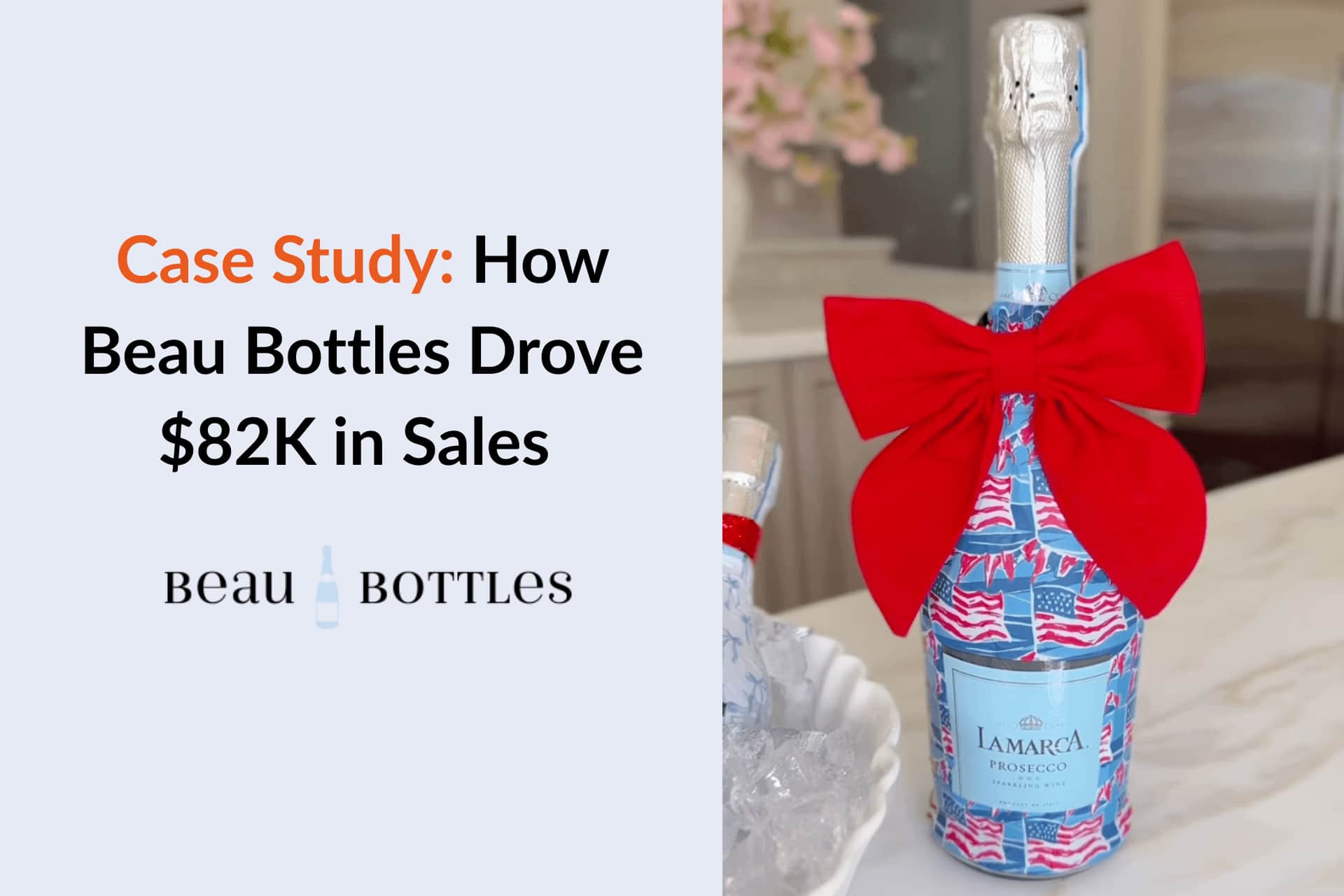
Case Study: How Beau Bottles Drove $82K in Sales and Viral UGC Using Influencer Hero
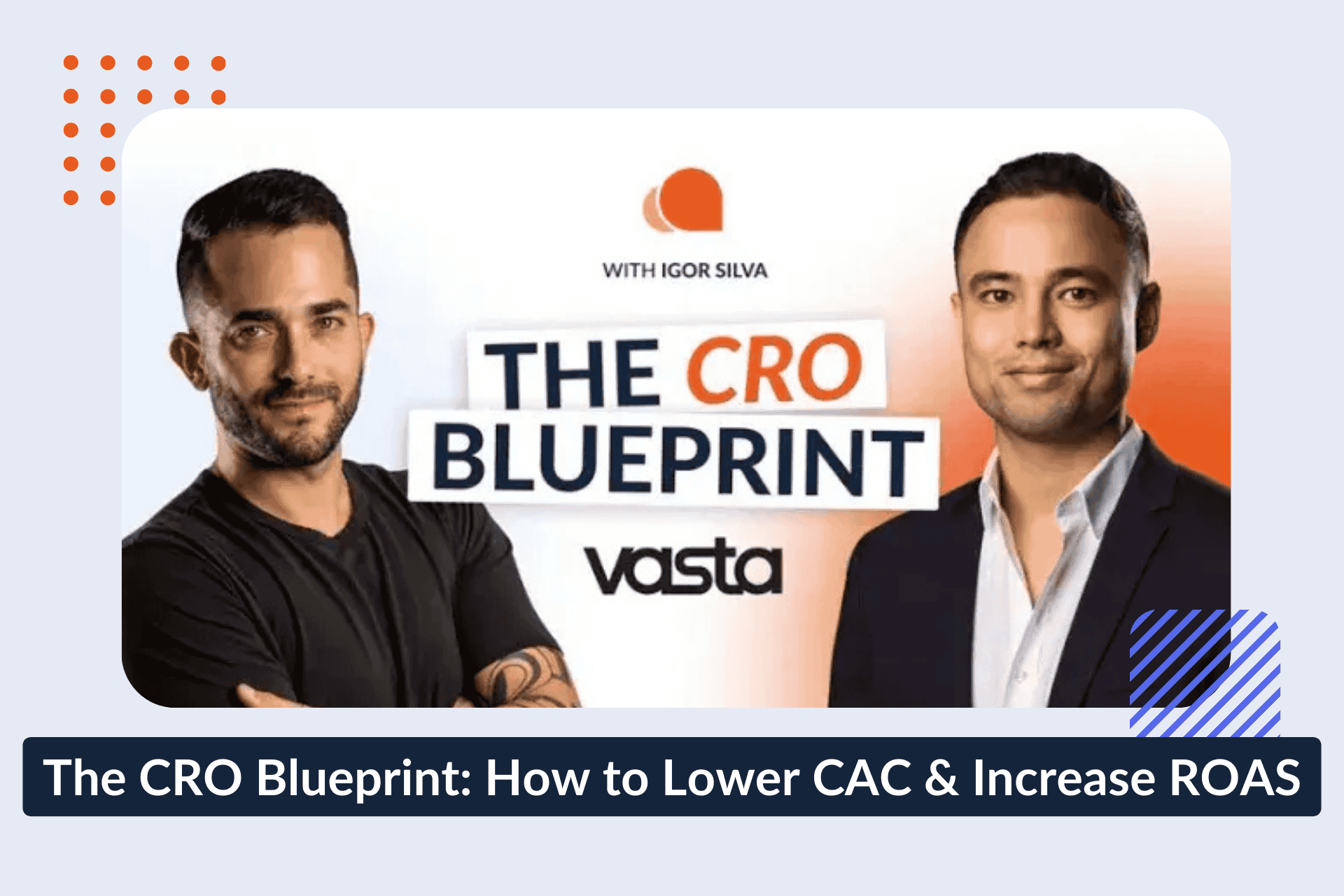




In 2025, most e-commerce brands focus on getting more traffic. However, scaling ad spend without a solid foundation often leads to what Igor Silva, founder of Vasta, calls "pouring water into a leaky bucket" in our Influencer Hero podcast episode. As customer acquisition costs (CAC) continue to rise, the brands that thrive are not necessarily those with the biggest budgets, but those that master Conversion Rate Optimization (CRO) to make every click work harder.
Conversion Rate Optimization is more than just changing button colors; it is a discipline rooted in behavioral psychology, UX patterns, and hypothesis-driven testing. By focusing on what happens after the click, brands can significantly improve profit margins and extend customer lifetime value (LTV) without increasing their media spend. This article outlines the essential CRO blueprint for Shopify brands looking to turn existing traffic into a predictable revenue engine.
Here’s the full webinar for a more complete experience!
Before diving into technical tests, it is essential to understand if your brand is ready for a full-scale CRO program.
Igor Silva recommends focusing on three primary areas to maximize the impact of your optimization efforts:
The job of the homepage is to direct users to the right solution, not necessarily to close the sale immediately.
This is where "the money talk" happens.
The closer a customer gets to the checkout, the more you must remove distractions.
Successful conversion rate optimization is a continuous cycle rather than a one-time fix. The process must always begin with deep research to identify where potential customers are dropping off.
A critical component of the CRO blueprint is maximizing the value of every converted customer through strategic upsells. Igor Silva highlights that many brands fail by pushing too many offers before the initial purchase, which increases friction and often leads to cart abandonment.
To combat this, he recommends utilizing one-click post-purchase technology. These offers appear only after the transaction is complete; since the credit card details are already securely stored, the customer can add a complementary product to their order with a single click, eliminating the risk of losing the original sale while significantly boosting the Average Order Value (AOV).
This approach enables a powerful "Break-Even" strategy that transforms how a brand scales. By building a robust backend of upsells and downsells, brands can afford to simply break even on their front-end customer acquisition costs. This financial cushion allows them to outspend competitors on advertising and dominate the market, knowing that the real profitability is captured through the automated sequence that follows the initial click.
One of the most effective ways to lower CAC is to replace a direct-to-product-page ad strategy with an advertorial.
An advertorial is a long-form, blog-style landing page that focuses on storytelling and education. It bridges the gap between a "problem-aware" customer and your solution, allowing you to hit different marketing angles that a standard product page cannot. While it adds an extra step to the funnel, the increased education often results in much higher conversion rates and AOV.
Mastering the CRO blueprint is about shifting from simply "buying traffic" to owning the entire customer journey. As Igor Silva demonstrated, successful scaling requires a scientific approach to removing friction and justifying value at every touchpoint. By plugging the "leaks" in your funnel with data-backed strategies, rather than intuition, you create a resilient foundation that can withstand rising acquisition costs and outperform the competition.
Ultimately, the goal is to turn your store into a predictable revenue engine. Start with high-impact wins like improving site speed, adding social proof, and leveraging post-purchase upsells to boost your AOV.
Want more expert insights to scale your brand? Check out our YouTube channel and hit the subscribe button. We regularly post deep dives with industry experts like Igor to help you stay ahead of the e-commerce curve!


UX focus on making a site easy to use, while CRO focuses on driving specific actions, like purchases. CRO uses data and psychology to ensure a better user experience translates directly into more revenue.
CRO increases the percentage of visitors who buy from you. When more of your existing traffic converts, you get more customers for the same ad spend, effectively lowering your cost per acquisition.
Ideally, you need at least 50,000 monthly visits for A/B tests to be accurate. We typically look for brands with $3M in annual revenue and an AOV of $70+ to ensure a high return on investment.
Yes. Improving load speed by just one second can lead to a 20% increase in revenue. E-commerce sites should aim to load in under 3 seconds to prevent customers from bouncing.
Advertorials use storytelling to educate "problem-aware" customers before they hit the product page. This pre-selling bridge often results in much higher conversion rates and higher AOVs than sending traffic directly to a store.
Schedule a Demo with one of our media experts below.