
Influurの料金と評判2026

May 26, 2026
|
Published

August 21, 2026
|
Updated

10 minutes
|
Reading

Influencer Performance Marketing Course | VOUCHER: IMC100

Malena Garcia
I Author

Drive ROI With Influencers

Global Influencer Database
ALL-IN-ONE platform
CRM, Affiliate, UGC & More
Influurの料金と2026年の評判:本当にコスト相応の価値がある?
Influurの料金体系はほとんどのインフルエンサーマーケティングプラットフォームと異なります。月額SaaS料金ではなく、キャンペーン予算の一定割合を請求します——セルフサービスは最低1インフルエンサーあたり$100で13%から始まり、マネージドサービスは最低$3,000予算で20%以上です。
この手数料モデルは、単発キャンペーンを実施する場合は低コストに感じられます。ただし、本格的なインフルエンサープログラムを構築する場合には、スケーリングが必ずしもスムーズではありません。
以下は、Influurがブランドにどのように料金を請求するか、実際に含まれる内容、レビュアーが指摘している点、そしてSaaS代替案との比較の完全な内訳です。
2026年のInfluur料金
ブランド向けの月額購読はありません。キャンペーンごとに支払う仕組みで、手数料はクリエイターに支払う金額の上に計算されます。セルフサービスの場合、料金はデモの後ろに隠されていません——アプリから登録して、ブリーフを投稿し、従量課金で利用できます。
セルフサービス
- キャンペーン予算に対するInfluur手数料13%
- インフルエンサーあたりの最小手数料$100
- 支払いごとに適用される取引手数料
Influurを最も安く使用する方法です。ブリーフをアップロードし、クリエイターがアプリを通じて応募し、協力する相手を選択して、Influurのエスクローで支払います。小規模ブランドやインフルエンサーマーケティングを初めてテストする企業に最適です。制限事項:モバイルファーストアプリ内で自分ですべてを管理する必要があり、アウトリーチエンジン、CRM、スケールに対応する高度なレポーティング層がありません。
エージェンシー / マネージドサービス
- キャンペーン予算に対するInfluur手数料20%以上
- $3,000キャンペーン予算の最小額
- Influurチームが戦略、クリエイター選定、コンテンツ、レポーティングを担当
これはソフトウェアプロダクトというよりも、本格的なエージェンシー契約に近い内容です。Influurがキャンペーンを構築し、約30,000のネットワークからクリエイターを選定し、コンテンツ承認を管理し、結果レポートを提供します。キャンペーン実行を任せたいブランドや、社内にインフルエンサーチームがない企業に最適です。制限事項:サービスに対して支払う仕組みであり、クリエイターデータベースなど、自社で保有する内部機能を構築していません。
Influur Pulse
- 音楽業界(アーティスト、レーベル、リリース)向けに構築
- カスタム料金——公開されていません
- 執筆時点では近日対応予定
音楽マーケティングをターゲットとするプラットフォームの業界特化版です。公開料金はまだありません——見積もりを取得するにはInfluurに直接連絡する必要があります。
クリエイター側の手数料
供給側を形作るため、把握しておく価値があります。Influurはクリエイターに対し、即座に支払いを希望する場合15%の即時支払い手数料を請求し(標準的な支払いウィンドウで待つのではなく)、メディアキットや分析などのツール用のオプション月額$30プレミアム購読を提供しています。また同社はすべてのブランドトランザクションに対して20%~25%のサービス手数料を差し引きます。これはInfluurが取引をどのように分類するかに応じて、セルフサービスおよびマネージドサービスの数値と重なります。
API料金:Influurはブランド向けAPIの料金を公開していないようで、公開APIを提供していないようです。クリエイターデータへのプログラマティックアクセス、キャンペーン自動化、または既存のmartech スタックとの統合が必要な場合は、このギャップを考慮する必要があります。Influencer Heroはより高いティアプランでブランドに必要なAPIアクセスを提供しています。
Influur概要
Influurはマイアミを拠点とするインフルエンサーマーケティングマーケットプレイスで、約30,000人のクリエイターネットワークとブランドをつなぎ、米国とラテンアメリカでの強力なカバレッジを備えています。2020年に設立され、主にブランドがブリーフを投稿し、クリエイターが応募するモバイルファースト型アプリとして運営されています。このプロダクトは、SaaS契約にコミットせずにインフルエンサーアクティベーションをテストしたい小規模ブランドやマーケティングチーム、または最初からスクラッチで本格的なプログラムを構築したくない企業向けに設計されています。
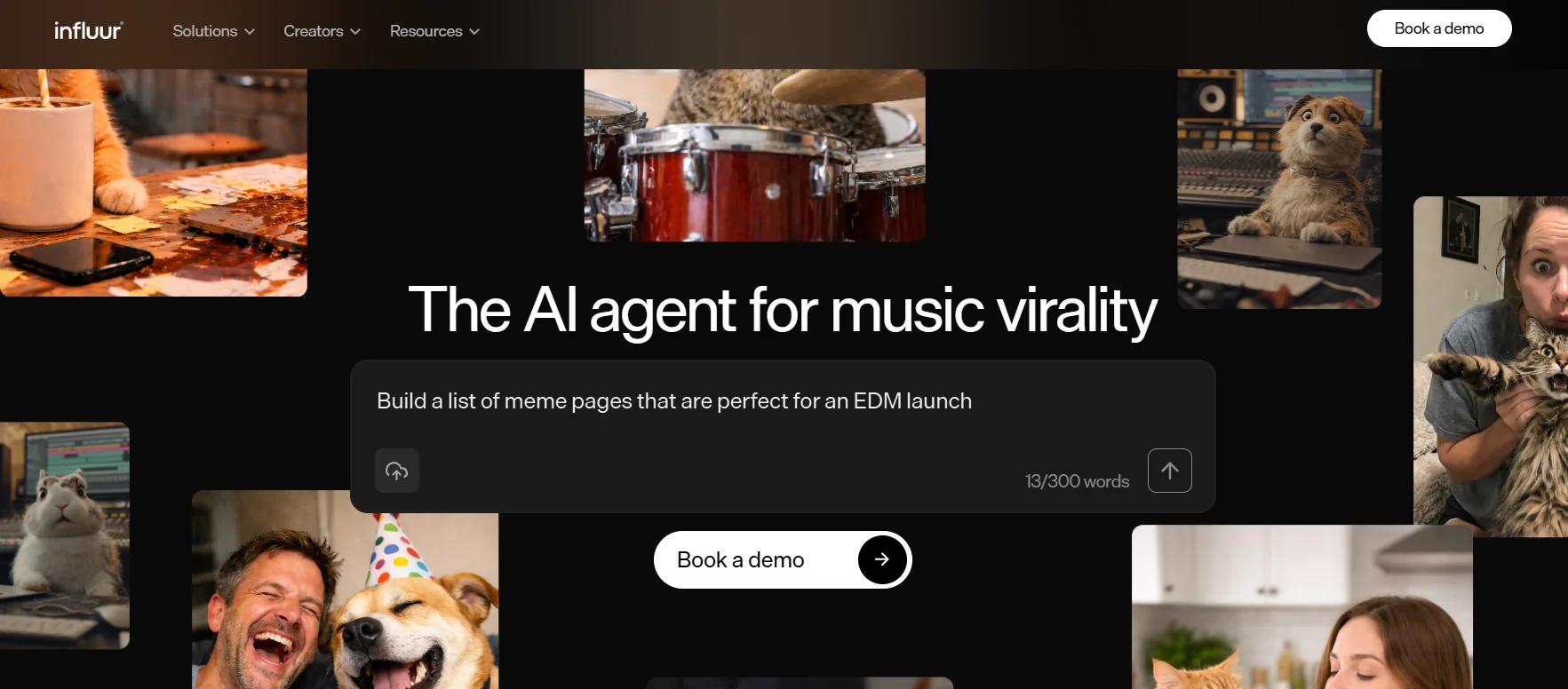
Influurの最高の機能
- モバイルファースト対応のキャンペーン作成 ブランドワークフロー全体がアプリ内で完結します。ブリーフを投稿して応募を受け取り、クリエイターとチャットし、スマートフォンからコンテンツを承認できます。このカテゴリでは珍しい機能です(ほとんどの競合製品はデスクトップ中心)。ソロマーケターや小規模チームがキャンペーンを移動中に実行するのに最適です。
- エスクロー方式の決済 ブランドは事前にキャンペーンに資金を提供し、Influurはクリエイターがコンテンツを納品するまで資金を保持します。これは、インフルエンサーが投稿から60~120日後に支払いを待つという長年の問題を解決します。ブランド側にとっても、請求書の追跡や複数国にわたるクリエイター支払いロジスティクスの管理が不要になります。
- 米国とラテンアメリカのクリエイターカバレッジ Influurはほとんどの米国製プラットフォームよりもLATAM市場での深さが強く、スペイン語話者をターゲットにするブランドや国境を越えたキャンペーンを実行するブランドにとって重要です。メキシコベースのブランドは、IVAが処理されたローカル請求も受け取ります。
- アルゴリズムベースのクリエイターマッチング キャンペーンを投稿すると、Influurのアルゴリズムはニッチ、オーディエンス、コンテンツスタイルに基づいてブリーフに適合するクリエイターを表示します。ブランドは投稿から数分以内に応募を受け取ることを報告していますが、これはほとんどのディスカバリープラットフォームのアウトリーチサイクルより高速です。
- マネージドサービス層 キャンペーンを自分で実行したくないブランドのために、エージェンシー層は戦略立案、選定、コンテンツ、レポーティングをエンドツーエンドで処理します。これはマーケットプレイススタイルのプラットフォームでは珍しく、ほとんどの小規模競合製品が持たないサービスです。
Influurのレビュー
InfluurはG2で5件のレビューから平均4.2/5を獲得しています。サンプルサイズが小さいので、それを踏まえて解釈してください。レビュアーはアプリのUIとキャンペーン立ち上げのスピード、カスタマーサポートの対応の速さを一貫して称賛しています。
繰り返される苦情は技術的なものです。インフルエンサーのソーシャルメディアデータが古い場合があり、アプリの不具合が時々発生しています。G2のレビュアーの1人はこう述べています。「インフルエンサーのソーシャルメディアデータが100%最新でないことがあります。アプリには時々バグがあってブロックされることがありますが、カスタマーサポートはいつも対応してくれます。」 別のレビュアーは最小予算の構成を指摘しています。「彼らが設定すべきでない最小予算がある。」
アプリストアのレビューも同様のパターンを示しています。製品はシンプルなキャンペーンには機能しますが、規模が大きくなるとバグが増え、デスクトップ機能の欠如が頻繁に言及されます。Redditやクリエイターフォーラムはブランドセンチメントよりもクリエイター側の体験に傾いており、規模での詳細なブランドレビューを見つけるのは困難です。
InfluurとInfluencer Heroの価格比較
2つのプラットフォームは同じ軸で価格設定されていません。これが比較全体のポイントです。Influurは実行するすべてのキャンペーンに手数料を請求します。クリエイターに$10,000を費やす場合、セルフサービスを通じてInfluurに約$1,300を支払います。Influencer Heroはクリエイターに費やした金額に関わらず毎月定額料金を請求するため、プログラムがスケールしても費用は予測可能なままです。Influurは開始するのには安いですが、Influencer Heroは一貫したキャンペーンを実行しているときはより安いです。
より大きなギャップは運用範囲です。Influurはマーケットプレイス型です。ブリーフを入力すれば、応募が返ってくる。支払いはエスクロー経由です。一方、Influencer Heroはブランドが継続的なプログラムを運用することを想定して構築されています。インフルエンサー検索(4億5000万以上のクリエイター対象)、自動メール配信、関係管理のための完全CRM、ギフティングワークフロー、アフィリエイトおよびディスカウントコード追跡、Shopify統合、UGCキャプチャ、そしてROIレポーティングがすべて1つのワークフローに統合されています。
目的が数キャンペーンを立ち上げて終わらせることなら、Influurが合っています。アンバサダーを含む常時稼働のクリエイタープログラムを構築し、パフォーマンスを追跡し、実際に所有するクリエイターデータベースを持ちたいのであれば、SaaSモデルのほうがそうした業務に適しています。
まとめ
Influurの価格設定はカテゴリ内でも最も手軽なエントリーポイントの1つです。月額料金なし、年間契約なし、最低$100でクリエイターをテストできます。実際の予算をコミットすることなく試験運用できます。LATAM地域のクリエイターをテストするか、時々キャンペーンを実行するブランドであれば、手数料体系は公正であり、モバイルファーストのワークフローにより多くの管理上のオーバーヘッドが削減されます。
スケールを試みると、トレードオフが明らかになります。13%の手数料はキャンペーンごとに複合的に増加し、プラットフォームにはアウトリーチ、CRM、ギフティングワークフロー、アフィリエイト追跡が含まれず、スタック内の他のツールと統合するAPIがありません。テスト段階を超えて本格的なインフルエンサープログラムを運用したいブランドにとっては、Influencer HeroのようなSaaSは予測可能なコストと完全な運用範囲を提供します。
Influencer Heroがエンドツーエンドのインフルエンサーマーケティングを1つのワークフロー内でどのように実行するかを知りたい場合は、 デモを予約してください。
Summary
This is some text inside of a div block.
This is some text inside of a div block.
Pricing/Month
Shopify Reviews
This is some text inside of a div block.
This is some text inside of a div block.
This is some text inside of a div block.
This is some text inside of a div block.
This is some text inside of a div block.
This is some text inside of a div block.
This is some text inside of a div block.
This is some text inside of a div block.
This is some text inside of a div block.
This is some text inside of a div block.
This is some text inside of a div block.
This is some text inside of a div block.
This is some text inside of a div block.
This is some text inside of a div block.
This is some text inside of a div block.
This is some text inside of a div block.
This is some text inside of a div block.
This is some text inside of a div block.
This is some text inside of a div block.
This is some text inside of a div block.
This is some text inside of a div block.
Read More

FAQs



Most Popular Blogs


Drive ROI With Influencer Marketing
Join 1,200+ brands and 150+ agencies scaling creator programs with Influencer Hero.