
Top 10 Social Cat Alternatives in 2026: Features, Pricing and Review

Top 10 Social Cat Alternatives in 2026: Features, Pricing and Review

See Which Influencers Follow Your Instagram
They are 8X more likely to work with you
ACCESS FREE LIST

Top 10 Social Cat Alternatives in 2026: Features, Pricing and Review

Social Cat has built a genuinely useful product for one job: getting small, product-based brands their first micro-influencer content without a big budget. Plans start at $99 a month, every creator is manually vetted, content usage rights come included on all plans, and its marketplace holds 500,000+ creators, mostly in the 1K to 50K follower range.

The limits show up fast once a program grows. There is no Shopify, WooCommerce or Amazon integration, so gifting, shipment tracking and sales attribution can't be automated. There is no post-campaign reporting, meaning you can't tell which gifted post drove which sale. Brands also report creators failing to deliver promised content, plus billing disputes that ended in account lockouts.

This guide compares the top 10 Social Cat alternatives in 2026 on pricing, features, commitment and what each one actually fixes.

  • Influencer Hero
  • Modash
  • Upfluence
  • GRIN
  • HypeAuditor
  • Sprout Social
  • CreatorIQ
  • Aspire
  • Traackr
  • Later


Why Look For Social Cat Alternatives in 2026

Social Cat works well for its intended user: a small product-based brand seeding content with micro-influencers. Four things push brands to look elsewhere.

Low-Quality or Missing Deliverables

The most common complaint is gifted creators who accept a product and never post, or post content well below what was agreed. Manual vetting reduces the fake-follower problem but doesn't guarantee follow-through, and with gifted collaborations there's limited leverage once the product has shipped. Budget for a percentage of sends that produce nothing.

Billing Disputes and Account Lockouts

Users have reported unexpected charges and, more seriously, losing access to their accounts after disputing billing. Losing your campaign history and creator relationships mid-program is a materially different risk from simply overpaying, and it's worth understanding the cancellation terms before you commit.

No eCommerce Integrations or ROI Reporting

Social Cat connects to Meta and TikTok for creator metrics and nothing else. There's no Shopify, WooCommerce or Amazon integration, so product seeding, shipment tracking and revenue attribution all stay manual. There's also no post-campaign reporting on ROI, conversions or engagement, which means you're running the channel without knowing what it returns. Our gifting platforms roundup compares tools that automate this properly.

Narrow Scope Beyond Gifted Micro-Campaigns

Coverage stops at Instagram and TikTok, the creator pool skews to 1K to 50K followers, geographic availability is limited, and service businesses get little value because there's no product to seed. There's no AI-assisted discovery, no CRM depth for managing dozens of relationships, and no Chrome extension. Once you're running consistent campaigns across more platforms, you hit the ceiling.


Criteria For Suggesting Social Cat Alternatives in 2026

To compare the different platforms, we focused on central criteria that all must meet:
  • Social Media Platform Coverage: The extent to which each platform supports major networks such as Instagram, YouTube, TikTok, Facebook and Pinterest.
  • Reviews: Ratings and recurring feedback themes from G2, Capterra and Trustpilot.
  • Pricing and Commitments: The real cost and whether you are locked into an annual contract or can leave month to month.
  • Ease of Use (UX/UI): Dashboard design, navigation and onboarding time, especially for small teams without dedicated support.
  • Customer Support: Availability and responsiveness of live chat, email and onboarding assistance, and resolution speed for billing issues.
  • Key Features: Influencer discovery, outreach, CRM, reporting, gifting, UGC and content collection, affiliate and payments, storefronts, application pages and AI capabilities.
  • eCommerce Integrations: Whether the platform connects to your store to automate seeding and attribute revenue, which is Social Cat's clearest gap.


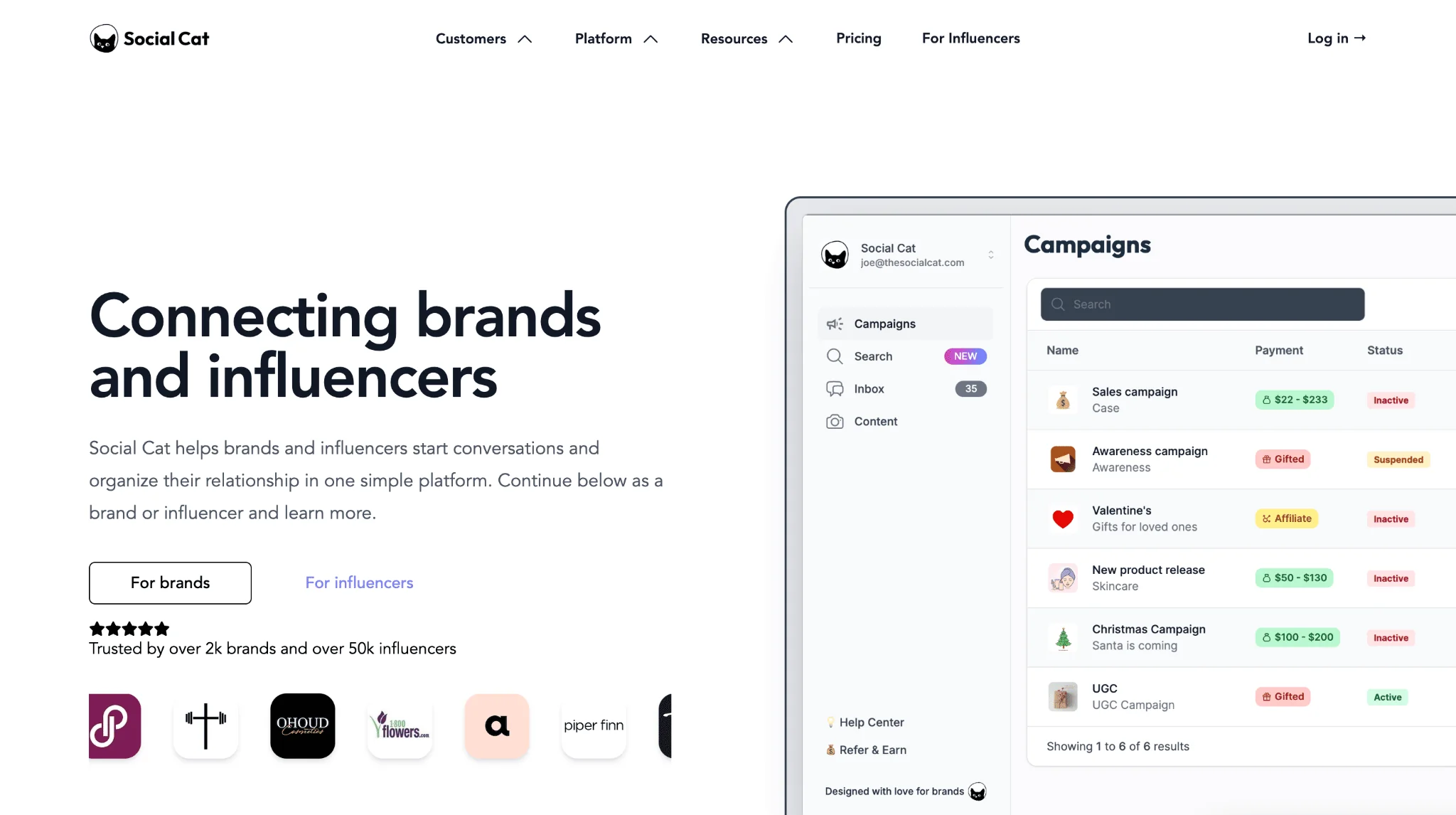
Social Cat Overview in 2026

Social Cat overview - Social Cat alternatives 2026

Social Cat is an influencer marketing platform focused on product-for-content collaborations. Brands list products they'll send free to creators, creators apply, get approved, receive the product and post. Discovery, agreement and tracking all happen inside the platform. It's used heavily by skincare, fashion, food, supplement and consumer electronics brands seeding content with micro-influencers.

Best For: Small to medium product-based brands starting or scaling influencer marketing without needing enterprise tooling.

Platform Coverage: Instagram and TikTok only, focused on micro and nano influencers for visual-first campaigns. The marketplace holds 500,000+ creators, skewing toward the 1K to 50K follower range.

Pricing & Commitment: Essentials $99/month for small businesses launching a brand, Performance $199/month for brands focused on UGC and scaling outreach, and Pro $299/month for brands running consistent collaborations. Pro covers up to 30 creators a month, 500 invites, unlimited campaigns, 10 team members, priority support and premium features including Replace Matches and Top Brand Badge. A 7-day free trial is available, but there is no permanent free plan and no free standalone tools. Our Social Cat pricing review breaks down each tier.

Reviews: 4.3 / 5.0 (Trustpilot)

User Experience (UX/UI): Beginner-friendly, with a clean interface built for manual collaboration management and campaign creation.

Customer Service: Email support on all plans, with priority support for Pro users.
Best Features

  • Campaign Builder and Influencer Applications: Create campaigns and let pre-vetted influencers apply directly, removing cold outreach entirely.
  • Manual Creator Vetting: Every influencer is reviewed before approval, which meaningfully reduces the fake-follower problem common to open marketplaces.
  • Advanced Discovery Filters: Search Instagram and TikTok creators by engagement rate, location and niche, or proactively invite them.
  • In-App Messaging and Contracting: Communication, deliverables and contracts handled inside the platform.
  • Content Usage Rights on All Plans: Full licensing included, so you can legally reuse creator content in ads and on product pages.
  • Three Collaboration Types: Gifted product-for-content, paid collaborations where creators charge roughly $25 to $500, and affiliate-style partnerships.

Pros and Cons

ProsCons
Genuinely Affordable: $99/month entry with a 7-day trial, one of the cheapest ways into influencer marketing.No eCommerce Integrations: No Shopify, WooCommerce or Amazon, so seeding and attribution stay manual.
Content Rights Included: Full licensing on every plan, which most platforms charge extra for.No Post-Campaign Reporting: No ROI, conversion or engagement analytics after a campaign runs.
Manually Vetted Pool: 500,000+ creators reviewed before approval, no data scraping.Delivery Risk on Gifted Sends: Reported cases of creators taking product and not posting.
Easy to Use: Simple, intuitive interface ideal for small teams and beginners.Billing Disputes and Lockouts: Users report unexpected charges and losing account access after disputing.
Three Collaboration Types: Gifted, paid and affiliate campaigns all supported natively.Two Platforms Only: Instagram and TikTok, with limited geographic availability.
Creators Apply to You: The application model removes cold outreach from the workflow.No AI or CRM Depth: No smart matching, no automation and basic relationship tracking only.


10 Alternatives to Social Cat for Effective Influencer Marketing in 2026

PlatformStarting PriceCommitmenteCommerce AttributionBest For
Social Cat$99/monthMonthlyNoneSmall brands seeding gifted UGC
Influencer Hero$649/monthMonthlyShopify, WooCommerce, Magento, AmazonEnd-to-end campaign management
Modash$199/month annuallyMonthly or annualShopifyOpen-web discovery at a small-brand price
Upfluence$478/month module12 monthsShopify, AmazonRevenue attribution across marketplaces
GRINFree, then $200/monthMonthlyShopify, WooCommerce, MagentoDTC product seeding at scale
HypeAuditorFree, then ~$299/monthAnnualAny stack via JavaScriptFraud detection and audience vetting
Sprout Social$1,599/seat/month12 monthsLimitedTeams already on Sprout
CreatorIQ~$30,000/yearAnnualManual setupEnterprise data governance
Aspire~$2,299/month12 monthsShopifyInbound marketplace and UGC licensing
Traackr~$32,500/yearAnnualShopifySpend optimisation and benchmarking
LaterCustom, from ~$25,000/yearAnnualVia MavelyPredictive AI and social-first enterprise


1. Influencer Hero

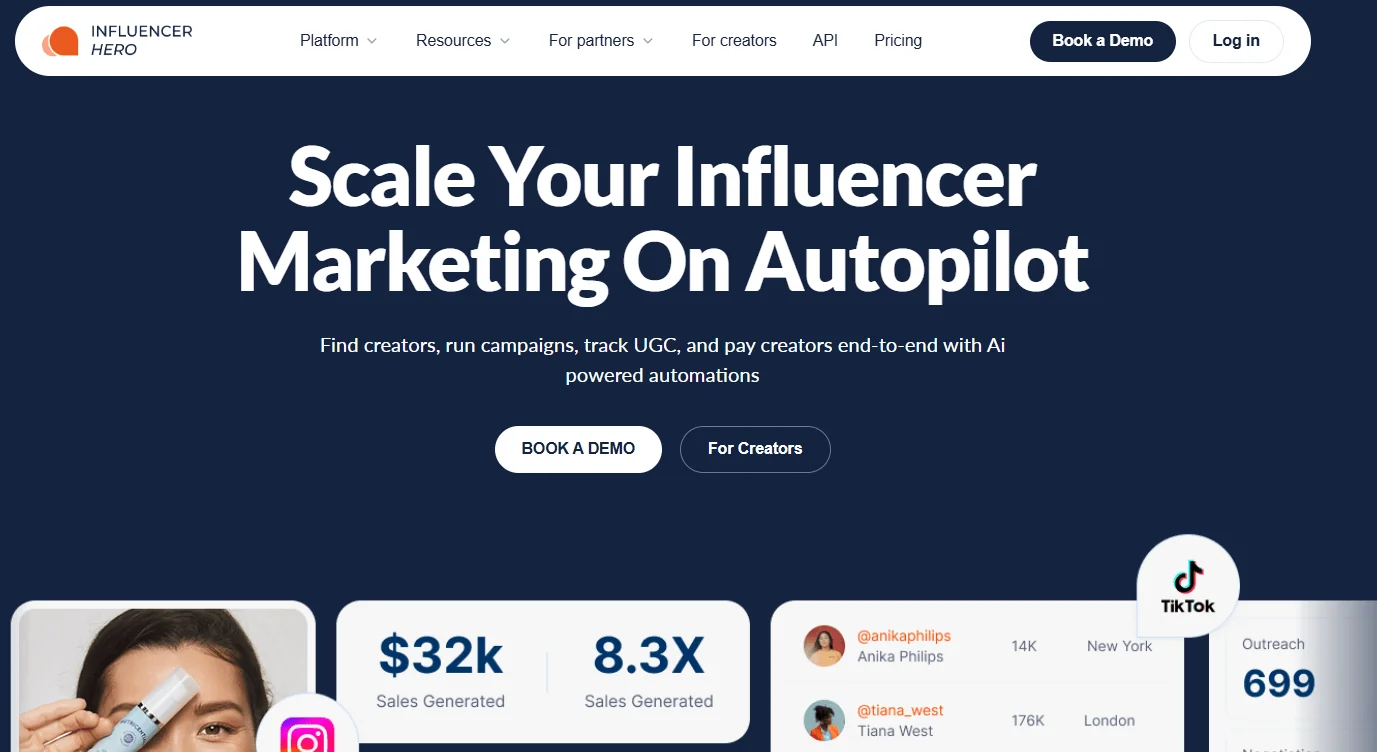
Influencer Hero overview - Social Cat alternatives 2026

Influencer Hero is an all-in-one influencer marketing platform covering discovery, outreach, CRM, gifting, affiliate, UGC, creator storefronts, application pages and reporting from one dashboard. Where Social Cat stops at the collaboration, Influencer Hero carries through to attributed revenue.

Best For: Brands that have outgrown gifted micro-campaigns and want the full workflow with real ROI tracking.

Platform Coverage: Instagram, TikTok, YouTube, Facebook, Pinterest, Snapchat, X and Twitch, with a 450M+ creator database.

Pricing & Commitment: Standard $649/month for up to 1,000 creator contacts, Pro $1,049/month for up to 5,000, Business $2,490/month for up to 10,000, plus custom and agency plans. Published openly, billed monthly, no annual lock-in and no onboarding fees.

Reviews: 5.0 / 5.0 (Capterra)

Best Features

  • 450M+ Creator Database: Open-web search across eight platforms with fake-follower detection and lookalike search, against Social Cat's 500,000 opt-in pool on two platforms.
  • Automated Gifting With Store Sync: Dispatch products from the CRM to Shopify, WooCommerce, Magento or BigCommerce, creating a $0 order so inventory updates without skewing sales analytics, with tracking numbers pulled back automatically.
  • Full ROI Reporting: Discount codes, affiliate links and revenue attributed per creator, which Social Cat cannot do at all.
  • AI Outreach and CRM: Multi-step sequences from your own domain with follow-ups built from the original thread, plus pipelines and content approval with unlimited revision rounds.
  • Creator Storefronts and Application Pages: Branded shops and inbound forms, with payouts at 0.1% to 0.5% fees.

Pros and Cons

ProsCons
Real eCommerce Attribution: Four store platforms plus Amazon, fixing Social Cat's biggest gap.Six Times the Entry Price: $649/month against Social Cat's $99, a real jump for a small brand.
450M+ Database, Eight Platforms: No opt-in gate and no two-platform ceiling.No Free Trial: Social Cat offers 7 days; access here starts with a demo.
Full ROI Reporting: Revenue attributed per creator, which Social Cat has none of.Learning Curve: Far more surface area than a simple marketplace, so onboarding is hands-on.
Monthly Billing, Published Pricing: No annual contract and no surprise charges.Not an Application Marketplace: You source creators rather than waiting for them to apply.
Dedicated Account Manager: From day one, plus 24/7 live support rather than email only.Built for Volume: A brand sending five gifted products a month won't use most of it.

Social Cat vs Influencer Hero

The clearest difference is what happens after the creator posts. Social Cat has no eCommerce integration and no post-campaign reporting, so you're guessing which gifted send drove which sale. Influencer Hero connects to Shopify, WooCommerce, Magento and Amazon, automates the gifting itself, and attributes revenue per creator.

Reach is the second gap. Social Cat's 500,000 opt-in creators across Instagram and TikTok is a curated pool; Influencer Hero indexes 450M+ profiles across eight platforms, so you can pursue specific creators rather than choosing from applicants.

Social Cat is still the better first step for a brand testing gifted UGC at $99 a month. Once campaigns are consistent and you need to prove ROI, the gap becomes the whole argument. Book a Demo to see it on your own store.
2. Modash

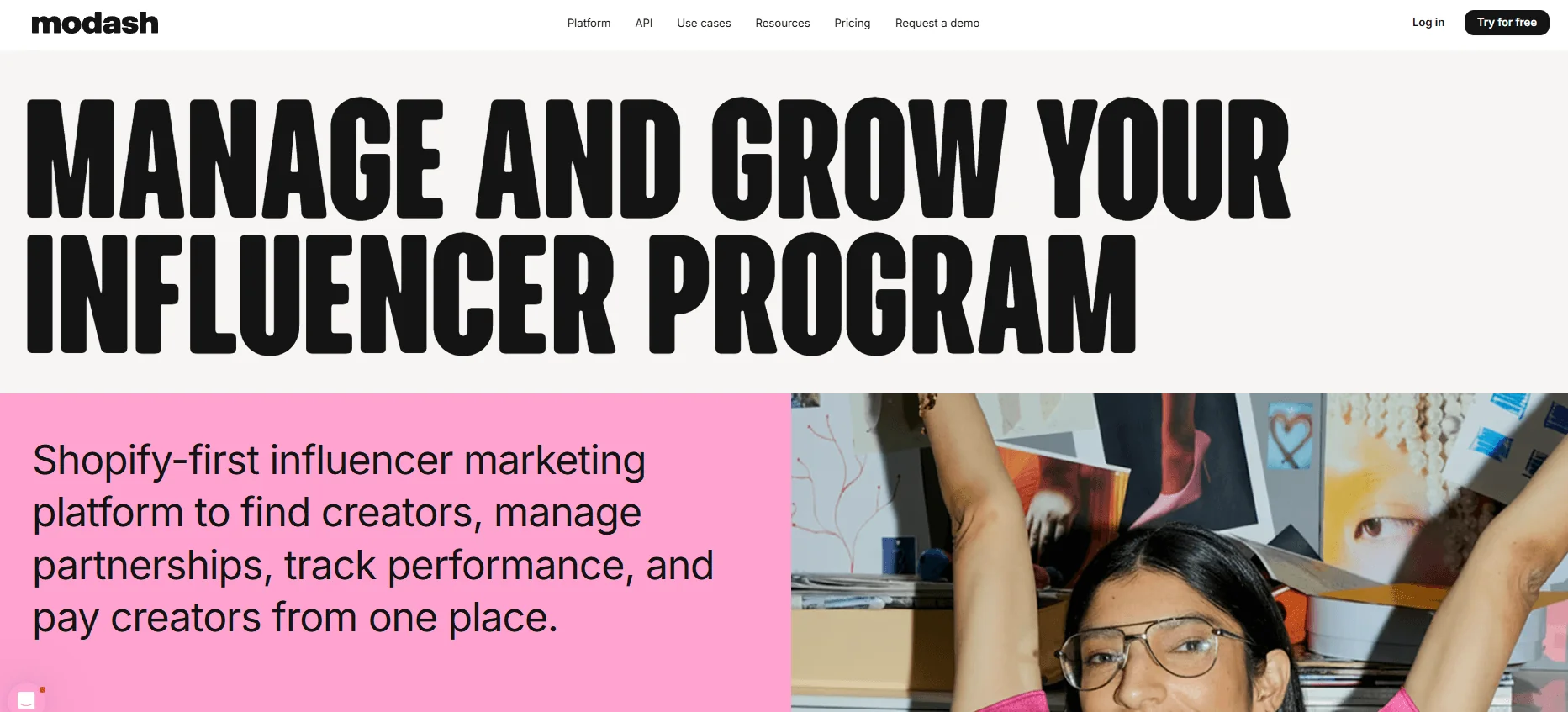
Modash overview - Social Cat alternatives 2026

Modash is a discovery-first platform built around a 350M+ creator database across Instagram, TikTok and YouTube, with no opt-in requirement. It's the closest alternative to Social Cat on price while offering vastly more reach.

Best For: Small teams whose main constraint is the size of Social Cat's creator pool rather than its price.

Platform Coverage: Instagram, TikTok and YouTube, with limited profile recognition for X and Snapchat.

Pricing & Commitment: Essentials $199/month billed annually, or $299 monthly. Performance $499/month annually, or $599 monthly, adding the Shopify integration and creator payouts with no fee up to $10,000 a year. Enterprise custom. 14-day free trial with no credit card.

Reviews: 4.9 / 5.0 (Capterra)

Best Features

  • 350M+ Creator Database: Seven hundred times Social Cat's pool, with audience-quality analysis on every profile.
  • Verified Email Outreach: Contact any creator directly rather than waiting for applications.
  • AI-Powered Discovery: Natural language queries or image uploads to find matching creators.
  • Find Your Fans: Surfaces creators already following and engaging with your brand.
  • Shopify Integration: Discount codes, gifting workflows and affiliate tracking with real-time sales attribution.

Pros and Cons

ProsCons
Closest on Price: $199/month annually, only twice Social Cat's entry for 700x the creators.No Application Marketplace: You do the outreach; creators don't apply to you.
Shopify Attribution: Real sales tracking, which Social Cat cannot do.No Content Rights Included: Usage rights are negotiated per creator, unlike Social Cat's blanket licensing.
14-Day Free Trial: Twice Social Cat's trial length, with no card required.Shopify Only: No WooCommerce, Magento or Amazon.
Authenticity Data Built In: Automated fake-follower analysis rather than manual vetting.Three Platforms: Wider than Social Cat but narrower than the leaders.
4.9 Rating: Consistently praised for a clean, fast interface.Monthly Costs 50% More: The $199 headline assumes annual billing.

Social Cat vs Modash

These two sit at opposite ends of the same problem. Social Cat gives you a small, manually vetted pool that applies to you. Modash gives you 350M+ profiles you search and contact yourself, with automated authenticity scoring instead of human review.

At $199 a month billed annually, Modash costs roughly twice Social Cat's entry for vastly more reach plus Shopify attribution. What you give up is the application model and blanket content rights, so you'll be doing more outreach and negotiating usage rights per deal.
3. Upfluence

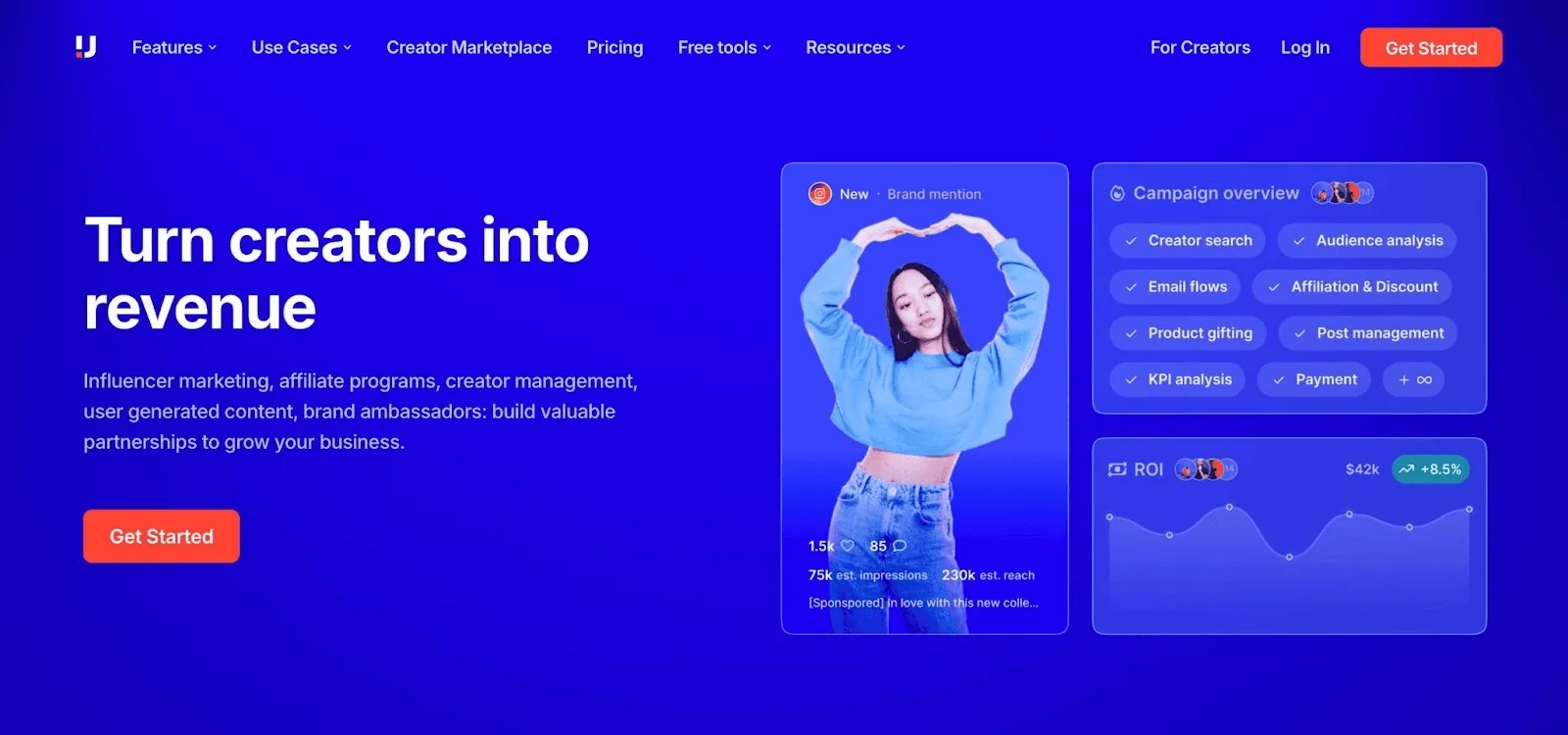
Upfluence overview - Social Cat alternatives 2026

Upfluence is an all-in-one platform built around eCommerce revenue attribution, with native Shopify and Amazon integrations and a customer-to-creator matching feature that identifies buyers who already have audience reach.

Best For: eCommerce brands that need to answer which creator drove which sale, especially those selling on Amazon.

Platform Coverage: Instagram, TikTok, YouTube, X, Twitch, Pinterest and WordPress blogs, with a 12M+ creator database.

Pricing & Commitment: Modular. The Search and Contact module starts at $478/month, with a full setup covering search, campaign management and Upfluence Pay at roughly $1,276/month for one seat, about $16,007/year. A required onboarding fee applies and the minimum contract is 12 months. Our Upfluence pricing review has the breakdown.

Reviews: 4.3 / 5.0 (Capterra)

Best Features

  • Customer-to-Creator Matching: Scans your customer base for buyers with audience reach, usually 1% to 3% of your list.
  • Native Amazon Integration: Rare in the category and unavailable at any Social Cat tier.
  • Jaice AI Assistant: Handles creator selection, messaging and follow-up personalisation at scale.
  • Built-In Payments and Compliance: Multi-currency payouts, KYC verification, tax forms and invoicing.
  • Social Listening: Track brand mentions, competitor activity and trending topics.

Pros and Cons

ProsCons
Amazon Plus Shopify: Revenue attribution across both, the exact question Social Cat can't answer.12-Month Minimum: Annual contract against Social Cat's month-to-month terms.
Customer-to-Creator Matching: Finds partners hiding in your own order history.Real Cost Is ~$16,000/Year: Around thirteen times Social Cat's annual cost.
Multi-Currency Payouts: KYC and tax compliance for international creators.Onboarding Fee: A required one-time cost on top of the contract.
Seven Platforms: Including blogs, well past Social Cat's two.Smallest Database Here: 12M+ profiles, below Modash and HypeAuditor.
Modular Pricing: Buy the layers you need rather than one all-in plan.Steep Learning Curve: The opposite of Social Cat's beginner-friendly design.

Social Cat vs Upfluence

Social Cat doesn't track revenue attribution per creator, so you have no idea which gifted post drove which sale. Upfluence is built around exactly that question, with native Shopify and Amazon integrations plus customer-to-creator matching that turns existing buyers into partners.

The commitment is a different world though. Upfluence requires 12 months with an onboarding fee and a realistic setup near $16,000 a year, against Social Cat's $99 a month cancellable anytime. This makes sense once attribution matters more than affordability.
4. GRIN

GRIN overview - Social Cat alternatives 2026

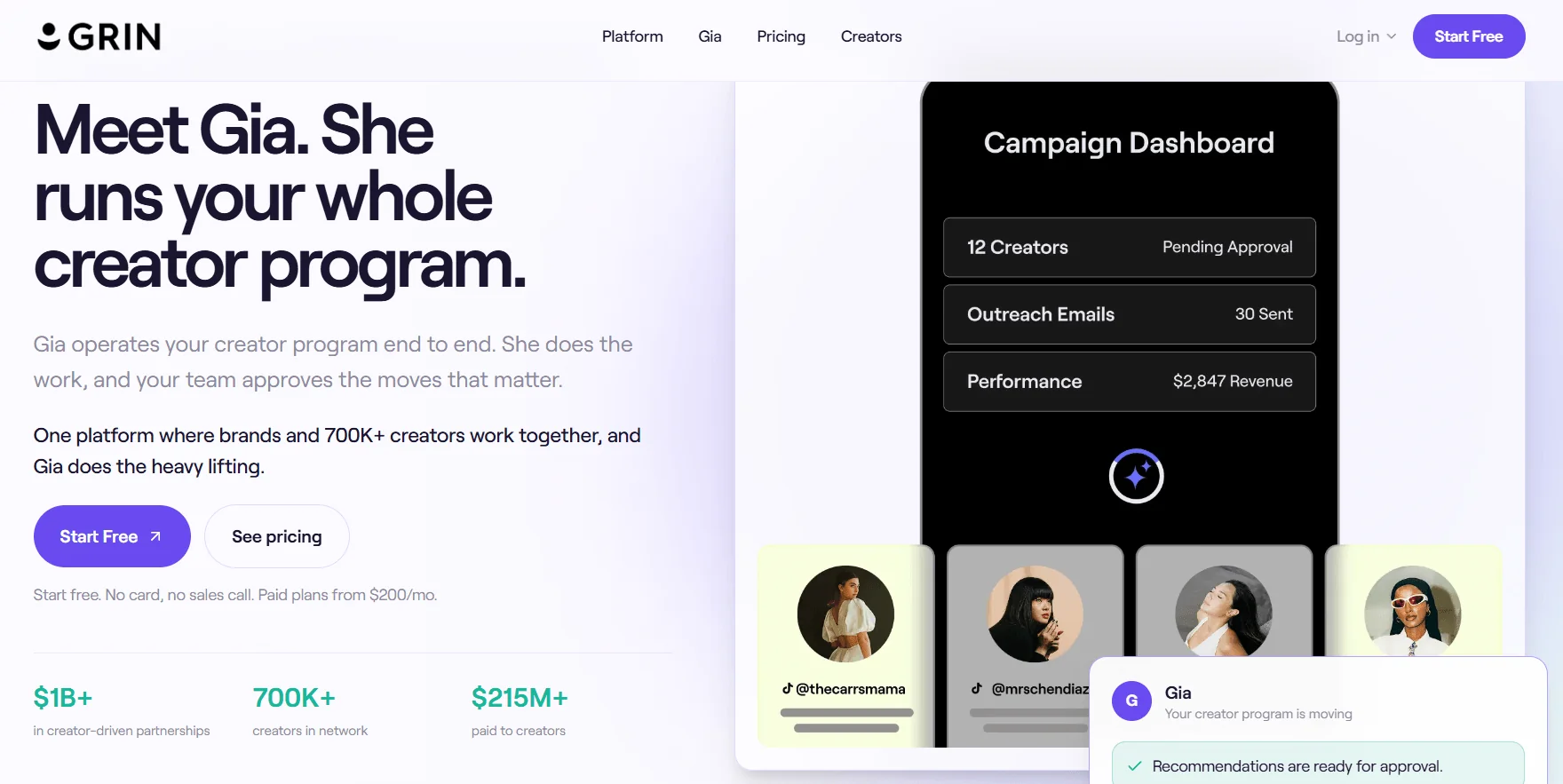
GRIN is a creator management platform built specifically for DTC eCommerce, used by SKIMS, Warby Parker and Rhode. It covers discovery, outreach, gifting, affiliate and full ROI reporting with deep Shopify, WooCommerce and Magento integrations.

Its 2026 pricing overhaul replaced custom-quoted annual contracts with five published self-serve tiers billed monthly, including a genuinely free plan, which makes it far more accessible to a Social Cat user than it used to be.

Best For: DTC brands that want Social Cat's gifting model but automated against their store, with real reporting.

Platform Coverage: Instagram, TikTok, YouTube, X, Twitch and Snapchat, with a 190M+ creator database.

Pricing & Commitment: Free at $0 with 200 monthly Gia credits, Starter $200/month with 2,000 credits, Growth $500/month for up to 100 active creators, Scale $1,000/month for up to 250, and Complete $1,500/month for up to 500. Month to month, no annual commitment and no required sales call.

Reviews: 4.5 / 5.0 (G2, 483 reviews) and 4.7 / 5.0 (Capterra)

Best Features

  • Automated Product Seeding: Send products from the platform with inventory sync and shipment tracking, the manual work Social Cat leaves to you.
  • Gia AI Assistant: Sources creators, drafts outreach and benchmarks fair compensation from GRIN's own campaign data.
  • Three eCommerce Integrations: Shopify, WooCommerce and Magento for discount codes, commission tracking and revenue attribution.
  • Content Library with Rights Management: Automatic capture and reuse permissions.
  • Free Tier: A $0 plan with no card and no sales call, cheaper than Social Cat's entry.

Pros and Cons

ProsCons
Free Tier Beats $99: You can start below Social Cat's entry price and still get real tooling.CRM Starts at $500: The $200 Starter plan buys AI assistance, not the creator workspace.
Automated Seeding: Inventory sync and shipment tracking rather than manual sends.Active-Creator Caps: Limited to 100, 250 or 500 active creators by tier.
Three Store Platforms: Revenue attribution Social Cat has none of.Credit Overage: Heavy Gia use adds metered charges.
190M+ Database: Open-web discovery instead of a 500,000-creator opt-in pool.Search Quality Complaints: Duplicate profiles and stale data reported.
Month-to-Month: Same flexibility as Social Cat, with no sales call.More Complex: A real learning curve after Social Cat's simplicity.

Social Cat vs GRIN

GRIN does what Social Cat does, plus the automation. Both run gifting programs, but GRIN syncs to your store to dispatch products, pull tracking numbers, generate discount codes and attribute revenue, while Social Cat leaves all of that manual.

Its 2026 repricing changed the accessibility question completely. GRIN now has a free tier and month-to-month billing, so a Social Cat user can test it for nothing. The caveat is that the creator workspace starts at the $500 Growth plan, so a like-for-like comparison isn't $0 against $99. Our GRIN alternatives guide covers the field.
5. HypeAuditor

HypeAuditor overview - Social Cat alternatives 2026

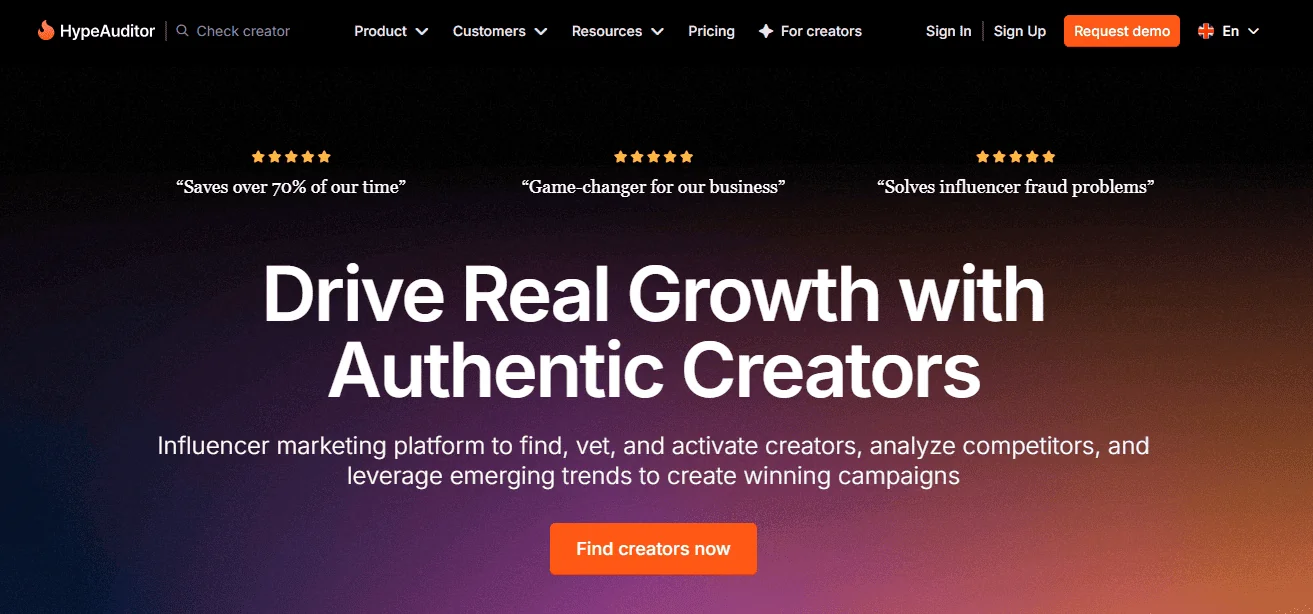
HypeAuditor is the category's authenticity watchdog, with fraud detection frequently cited around 95.5% accuracy across 227M+ creator profiles. Where Social Cat vets creators manually, HypeAuditor does it with data at a scale no human review can match.

Best For: Teams that want to verify audience quality before sending product, at any scale.

Platform Coverage: Instagram, TikTok, YouTube, Twitch, X and Snapchat.

Pricing & Commitment: A free tier covers media plans and campaign management, alongside 40+ free audit tools. Basic starts around $299/month billed annually, Pro around $499/month, with Enterprise quoted on data volume and seats. See the field in our HypeAuditor alternatives breakdown.

Reviews: 4.8 / 5.0 (Capterra)

Best Features

  • Account Quality Score: The category benchmark for spotting fake followers and engagement pods.
  • 227M+ Profile Database: Filterable by account quality, niche, keywords and verification status.
  • AI Scout: Describe your campaign and get a ranked shortlist of around 50 creators in seconds.
  • JavaScript Sales Tracking: Works across any ecommerce setup, so attribution isn't limited to Shopify.
  • Custom-Branded Application Pages: Inbound creator applications, replicating what Social Cat users like about the marketplace model.

Pros and Cons

ProsCons
Free Tier and 40+ Free Tools: Vet creators at zero cost, cheaper than Social Cat's entry.No Gifting Workflow: No product seeding or shipment management.
Data-Driven Vetting: Automated authenticity scoring at a scale manual review can't reach.Annual Billing: The ~$299 Basic price assumes a year up front.
Attribution on Any Stack: JavaScript tracking works beyond Shopify.No Content Rights Included: Unlike Social Cat's blanket licensing on all plans.
227M+ Profiles, Six Platforms: Far past Social Cat's two-platform pool.Usage Caps: Plans limit analyses and exports rather than features.
Application Pages: Keeps the inbound model Social Cat users are used to.Learning Curve: More depth than a beginner-focused marketplace.

Social Cat vs HypeAuditor

Both address creator quality, but differently. Social Cat manually reviews every influencer before approval, which works within a 500,000-creator pool. HypeAuditor scores audience authenticity automatically across 227M+ profiles, so you can vet anyone, not just platform members.

That's directly relevant to Social Cat's delivery-risk problem: better vetting up front reduces the odds of sending product to someone who won't deliver. HypeAuditor doesn't handle gifting logistics though, so it complements a seeding workflow rather than replacing one.
6. Sprout Social

Sprout Social overview - Social Cat alternatives 2026

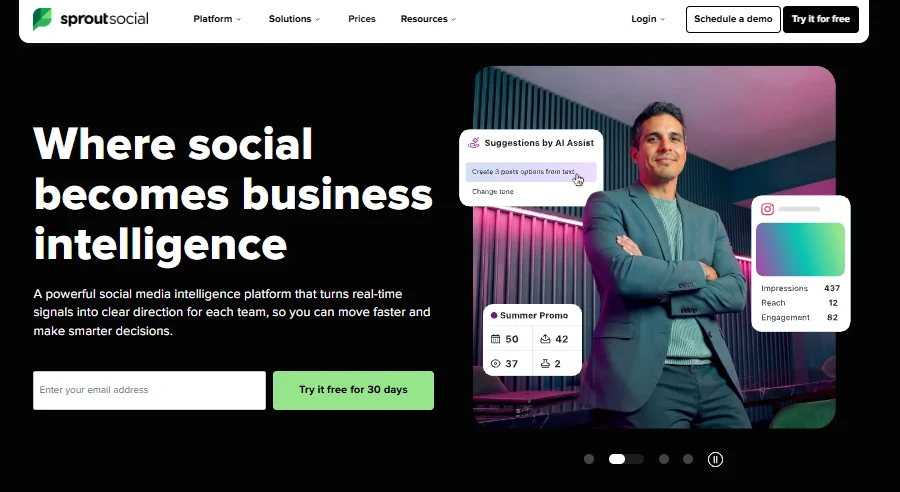
Sprout Social's influencer product, built on its 2023 Tagger acquisition and now fully integrated, sits inside a much larger social media management suite. Tagger no longer exists as a standalone product, which matters if you're reading older reviews.

Best For: Social media teams that need scheduling, listening and influencer campaigns in one environment.

Platform Coverage: Instagram, TikTok, YouTube, Facebook, X, LinkedIn, Pinterest and Threads across the wider suite.

Pricing & Commitment: The influencer module starts at $1,599/month per user, with each additional seat at $600/month, sold separately from the core Sprout platform priced from $199 per seat per month. Annual contracts with auto-renewal and a 30-day cancellation window.

Reviews: 4.5 / 5.0 (Capterra)

Best Features

  • Brand Fit and Safety Scoring: AI evaluates creator alignment and flags risky profiles before you contract.
  • Content Approval Workflows: Review and approve creator content before it publishes.
  • EMV and Benchmarking Reports: Earned media value and competitor comparison, the reporting Social Cat lacks entirely.
  • Recruit: Branded landing pages for inbound creator applications with automated vetting.
  • Unified Social Stack: Influencer data beside publishing, listening and engagement.

Pros and Cons

ProsCons
Eight Networks: Including LinkedIn and Threads, four times Social Cat's coverage.Sixteen Times the Price: $1,599 per seat against Social Cat's $99.
Full EMV Reporting: The post-campaign analytics Social Cat has none of.$600 Per Extra Seat: A two-person team costs over $26,000 a year.
Brand Safety Scoring: AI vetting before contracting a creator.No Gifting Automation: No product seeding or store sync.
Content Approvals: Review posts before publication, reducing deliverable risk.12-Month Auto-Renewal: A 30-day cancellation window versus month-to-month.
One Vendor: Influencer work alongside your whole social operation.Sold Separately: Priced on top of the core Sprout platform, not bundled.

Social Cat vs Sprout Social

Sprout brings the reporting layer Social Cat completely lacks: earned media value, competitor benchmarking and content approval workflows that let you review posts before they go live, which directly addresses the deliverable-quality problem.

At $1,599 per seat per month it costs sixteen times Social Cat's entry plan on an annual contract, and it has no gifting automation. This only makes sense when your team already runs social operations in Sprout.
7. CreatorIQ

CreatorIQ overview - Social Cat alternatives 2026

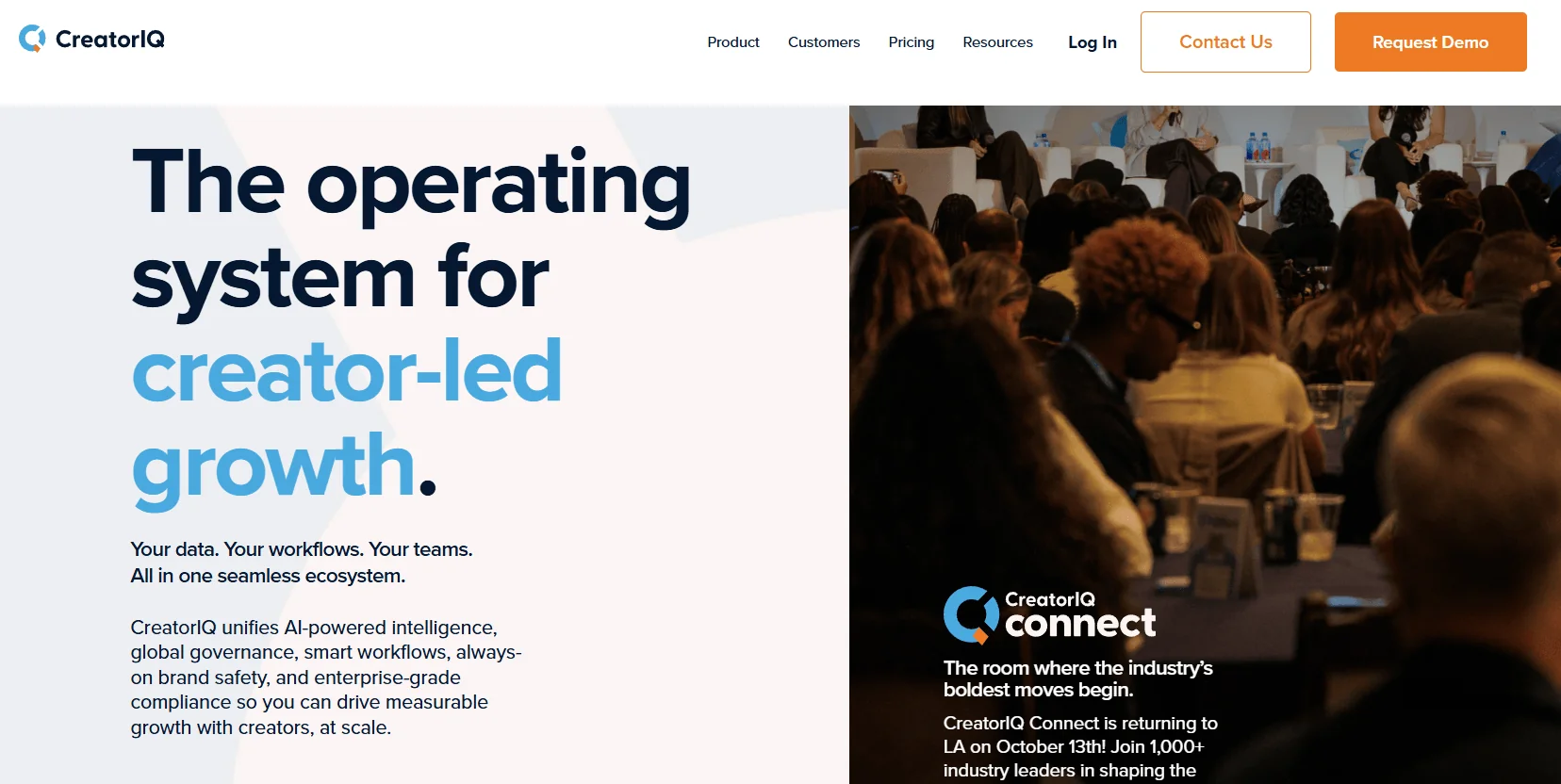
CreatorIQ is an enterprise platform built for global brands that need data governance, customisable workflows and detailed analytics across markets. It runs creator programs for Disney, Unilever, Ralph Lauren, Nestlé and Sephora.

Best For: Enterprise brands with compliance requirements and multi-market programs.

Platform Coverage: Instagram, TikTok, YouTube, Facebook, Pinterest, Twitch and X.

Pricing & Commitment: No public rates. Third-party transaction data puts annual contracts from around $30,000, with a median near $39,250. Annual only, no monthly billing, no free plan and no self-serve trial, with roughly two months to implement. Our CreatorIQ alternatives guide covers the category.

Reviews: 4.6 / 5.0 (G2)

Best Features

  • Live API-Driven Metrics: Direct connections to TikTok, Meta and YouTube for compliant, verified reporting.
  • AI-Driven Discovery: Granular niche search with filters and natural-language queries.
  • Automated Bulk Outreach: Personalised emails, campaign briefs and alias domains.
  • Payments in 60+ Currencies: Across 80-plus markets with tax compliance built in.
  • ExchangeIQ API: Pushes creator data into the wider marketing stack.

Pros and Cons

ProsCons
Verified API Metrics: Live platform data rather than self-reported screenshots.~$30,000/Year Floor: Around twenty-five times Social Cat's annual cost.
60+ Payout Currencies: Across 80-plus markets with compliance handled.Manual Affiliate Tracking: Conversion tracking requires setup outside the platform.
White-Glove Support: Dedicated implementation and success managers.Annual Only, No Trial: You sign before you know whether it fits.
Enterprise Governance: Auditable metrics for regulated, multi-market programs.Two-Month Implementation: Against Social Cat's same-day setup.
Seven Platforms: Broad global coverage.Wrong Fit for SMBs: Built for global teams, not a small product brand.

Social Cat vs CreatorIQ

These barely compete. Social Cat gets a small brand seeding product within a day for $99 a month. CreatorIQ gives a global enterprise auditable, API-verified metrics and payouts across 80-plus markets, starting around $30,000 a year with two months to implement.

If you're evaluating Social Cat, CreatorIQ almost certainly isn't your next step. It's here because it represents the far end of what "influencer platform" can mean.
8. Aspire

Aspire overview - Social Cat alternatives 2026

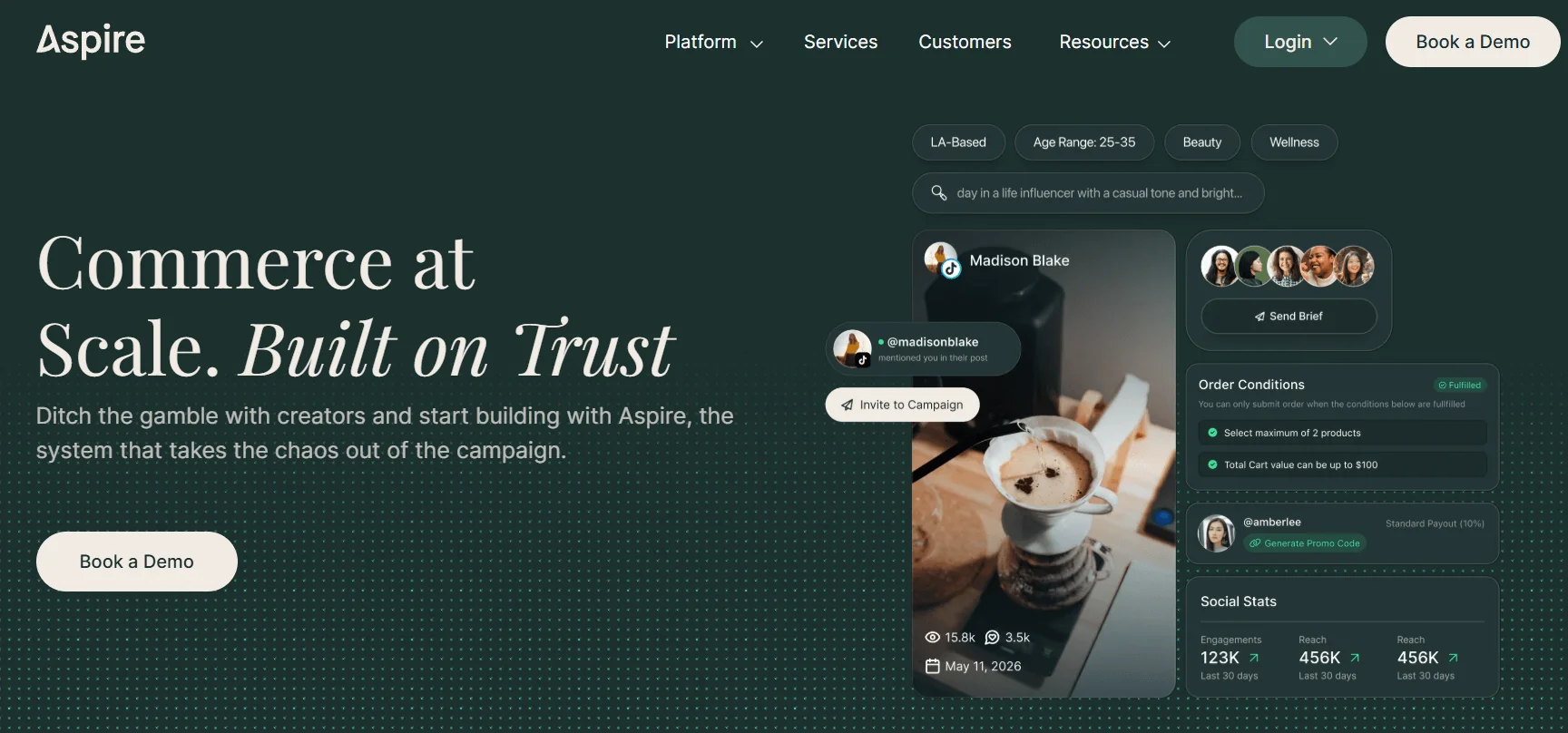
Aspire pairs outbound creator search with an inbound marketplace of over a million creators who apply to campaigns, plus CreatorStores and built-in UGC licensing. It has paid out more than $150M to creators across 900+ customers.

Best For: Brands that like Social Cat's application model but need it roughly ten times larger, with real workflow depth.

Platform Coverage: Instagram, TikTok, YouTube, Facebook and Pinterest.

Pricing & Commitment: Quote-based, typically starting around $2,299/month on a required annual agreement plus a one-time onboarding fee. Pricing is per user. No free trial. Our Aspire alternatives guide compares the marketplace options.

Reviews: 4.0 / 5.0 (Capterra)

Best Features

  • Dual Discovery Model: Outbound search plus a 1M+ inbound marketplace, the same model as Social Cat at roughly twice the scale.
  • Creator Portal: The 2026 addition surfacing pricing expectations, collaboration preferences and partnership history before outreach.
  • UGC Licensing with Term Sheets: Digital agreements securing reuse rights for paid-ad repurposing.
  • CreatorStores: Branded shoppable storefronts giving creators a reason to keep promoting.
  • Shopify Gifting and Affiliate: Promo codes, gifting carts, affiliate tracking and payouts in one place.

Pros and Cons

ProsCons
Same Model, Bigger Pool: 1M+ creators apply to you, roughly twice Social Cat's marketplace.Twenty-Three Times the Price: ~$2,299/month against $99, on annual terms.
Creator Portal Transparency: Rates and partnership history visible before you commit product.Onboarding Fee: A one-time cost before the subscription starts.
UGC Licensing Built In: Digital term sheets, going further than blanket rights.Per-Seat Pricing: Costs climb as the team grows.
Shopify Gifting and Attribution: Automated seeding with revenue tracking.No Free Trial: Significant budget committed before testing.
Proven at Scale: $150M+ paid to creators across 900+ brands.4.0 Rating: The lowest of the alternatives here, though above the category floor.

Social Cat vs Aspire

Aspire is Social Cat's model at scale. Both let creators apply to your campaigns rather than making you cold-source, but Aspire's marketplace is roughly twice the size, adds outbound search on top, and its Creator Portal shows rates and partnership history before you send product, which directly reduces the delivery-risk problem.

The price is the barrier: around $2,299 a month on annual terms plus onboarding, against $99 month-to-month. This is a step you take once gifted campaigns are working and you need them to scale.
9. Traackr

Traackr overview - Social Cat alternatives 2026

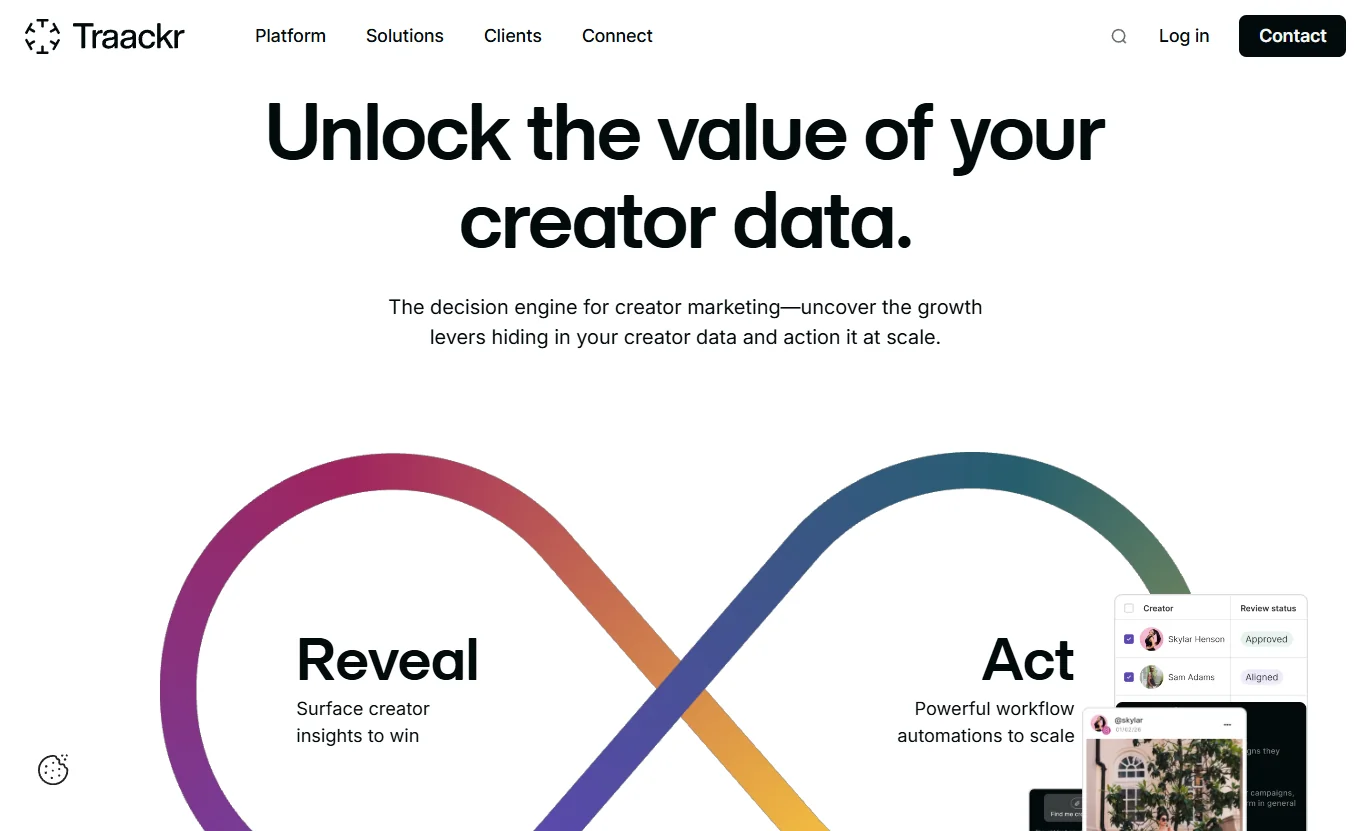
Traackr focuses on optimising influencer spend and benchmarking performance across regions and campaigns, with a global database of 6M+ creators and its proprietary Brand Vitality Score.

Best For: Brands that want to measure influencer spend efficiency against competitors across markets.

Platform Coverage: Instagram, TikTok, YouTube, Facebook, Pinterest, X, Snapchat, Twitch and LinkedIn.

Pricing & Commitment: Begins at $32,500 annually on the Standard plan, with custom plans from $55,000 or more. Annual commitment required. Our Traackr alternatives guide compares the field.

Reviews: 4.3 / 5.0 (G2)

Best Features

  • Brand Vitality Score: A proprietary metric combining visibility, trust and impact for competitor benchmarking.
  • Budget Planning Tools: Predictive insights and historical data to allocate spend and forecast ROI.
  • Detailed Cost Metrics: Cost-per-click, cost-per-engagement and cost-per-view at campaign level.
  • Automated Outreach: Message templates, scheduled follow-ups and branded application pages.
  • Nine-Platform Coverage: The broadest social footprint on this list, including LinkedIn.

Pros and Cons

ProsCons
Nine Platforms Including LinkedIn: The widest coverage in this comparison.~$32,500/Year Entry: Around twenty-seven times Social Cat's annual cost.
Brand Vitality Score: Competitive benchmarking Social Cat has no version of.Performance Issues: Users report lag and slow syncing.
Budget Forecasting: Predictive spend allocation from historical data.Data Accuracy Concerns: Audience demographics can be inconsistent.
Cost-Per Metrics: CPC, CPE and CPV for comparing creators on efficiency.Weak Micro-Influencer Depth: The exact segment Social Cat serves best.
Dedicated Support: Personalised onboarding and quarterly reviews.Steep Learning Curve: Requires real training time.

Social Cat vs Traackr

Traackr answers a question Social Cat users don't usually have yet: is our influencer spend efficient compared with competitors? Brand Vitality Score, cost-per-metric reporting and budget forecasting are built for portfolio-level decisions across markets.

At roughly $32,500 a year it's the most expensive option here, and its micro-influencer depth is thin, which is precisely the segment Social Cat serves. For most Social Cat users this is the wrong tool at the wrong price.
10. Later

Later overview - Social Cat alternatives 2026

Later, after absorbing Mavrck and Mavely, now operates across influencer marketing, social media management and creator monetisation. Its 2026 headline feature is EdgeAI, a predictive intelligence layer trained on 16M+ creators, 136B annual impressions and $2B+ in verified influencer-driven purchases.

Best For: Enterprise social-first teams that want predictive forecasting before committing budget.

Platform Coverage: Instagram, TikTok, YouTube, Facebook, Pinterest, X, Snapchat and LinkedIn.

Pricing & Commitment: Custom enterprise pricing with a sales call required. The Influence product reportedly starts around $25,000/year and scales past $100,000 for global access. Onboarding typically runs 4 to 6 weeks. Our Later alternatives guide covers the category.

Reviews: 4.4 / 5.0 (Capterra)

Best Features

  • EdgeAI Predictive Engine: Forecasts creator mixes and budgets pre-launch from verified purchase data.
  • Incentive Advisor: Shows what creators are actually paid, so you can set fair rates.
  • Mavely Affiliate Ecosystem: Closes the loop on creator monetisation and attribution.
  • Brand Safety Screening: Every profile checked for fake followers and flagged content.
  • Unified Social Suite: Influencer work sits beside scheduling and link-in-bio.

Pros and Cons

ProsCons
Predictive Forecasting: Estimate results before spending, which Social Cat can't do at all.~$25,000/Year Floor: Around twenty-one times Social Cat's annual cost.
$2B+ in Verified Purchases: A genuine data moat behind the recommendations.Opaque Pricing: Nothing published, so budgeting needs a sales call.
Incentive Advisor: Real payment benchmarks so you don't guess at rates.4 to 6 Weeks Onboarding: Against Social Cat's same-day start.
Eight Platforms: Including LinkedIn, four times Social Cat's coverage.Opt-In Index: Not open-web discovery, the same constraint Social Cat has.
Mavely Attribution: Real revenue tracking through the affiliate ecosystem.Enterprise Lean: Not accessible for small product brands.

Social Cat vs Later

Later's EdgeAI forecasting is the opposite of Social Cat's approach. Social Cat asks you to send product and hope; Later predicts which creators and budgets will perform before you commit, using billions of verified purchase signals.

The two share one limitation, which is an opt-in creator index rather than open-web discovery. But at roughly $25,000 a year with 4 to 6 weeks of onboarding, Later is an enterprise decision, not a next step up from $99 a month.


Final Thoughts

Social Cat is genuinely good at what it was built for. For a small product-based brand wanting vetted micro-influencers, content rights included and a $99 entry price, very little competes on simplicity or cost.

The reasons to move are structural rather than about quality. There's no Shopify, WooCommerce or Amazon integration, so gifting and attribution stay manual. There's no post-campaign reporting, so you can't prove what the channel returns. Coverage stops at Instagram and TikTok, and gifted collaborations carry real delivery risk with limited recourse.

For brands that want Social Cat's simplicity with real automation and attribution behind it, Influencer Hero is the strongest all-round alternative in 2026. It covers 450M+ creators across eight platforms, automates gifting against Shopify, WooCommerce, Magento and Amazon with tracking synced back, attributes revenue per creator, and bills monthly from $649 with no lock-in.

Ready to see how it handles your next seeding campaign? Book a Demo with the Influencer Hero team.

Summary
This is some text inside of a div block.
Pricing/Month
Shopify Reviews
This is some text inside of a div block.
Read More
This is some text inside of a div block.
FAQs
How much does Social Cat cost?
Social Cat runs three plans: Essentials at $99/month for small businesses launching, Performance at $199/month for brands scaling UGC and outreach, and Pro at $299/month for consistent collaborations. Pro covers up to 30 creators a month, 500 invites, unlimited campaigns, 10 team members and priority support. There's a 7-day free trial but no permanent free plan. Product costs sit on top, since the model is product-for-content.
Does Social Cat integrate with Shopify?
No. Social Cat connects to Meta and TikTok for creator metrics only. There's no Shopify, WooCommerce or Amazon integration, so product seeding, shipment tracking and sales attribution can't be automated inside the platform. Brands needing that typically move to Influencer Hero, GRIN or Upfluence, all of which sync directly with your store.
Why do brands look for Social Cat alternatives?
Three reasons come up most. Gifted creators sometimes accept product and don't deliver, with limited recourse once it's shipped. Users have reported billing disputes that ended in account lockouts. And the platform has no eCommerce integrations or post-campaign reporting, so you can't tell which collaboration drove revenue.
Which Social Cat alternative is best for small budgets?
GRIN and HypeAuditor both have genuinely free tiers, so you can start below Social Cat's $99 entry. Modash starts at $199/month billed annually with a 14-day free trial and gives you 350M+ creators against Social Cat's 500,000. All three offer real discovery rather than an opt-in pool.
Which alternative keeps the marketplace model where creators apply to me?
Aspire is the closest match, with a 1M+ inbound marketplace roughly twice Social Cat's size, plus outbound search and a Creator Portal showing rates and partnership history before you commit. HypeAuditor and Influencer Hero both offer branded application pages that let creators apply to your campaigns directly, at a much lower price than Aspire's annual commitment.
Does Influencer Hero support micro and nano influencers like Social Cat?

Yes, Influencer Hero supports outreach to micro and nano influencers across platforms like Instagram, TikTok, and YouTube. It also lets brands segment creators by niche, location, and engagement, similar to Social Cat, while adding automation tools that streamline the process as you scale.

Which platform has the widest social media coverage?

While Social Cat focuses on Instagram and TikTok, Influencer Hero supports Instagram, YouTube, TikTok, Facebook, Pinterest, and Twitter. This multi-platform reach is ideal for brands with diverse channel strategies

Is Influencer Hero better than Social Cat for scaling campaigns?

While Social Cat is great for getting started with gifting collaborations, it lacks the automation and analytics needed for high-volume outreach. Influencer Hero includes advanced CRM, AI-powered outreach, and multi-platform support.

Do any Social Cat alternatives offer built-in affiliate tracking?

Several alternatives in the list, including Influencer Hero, Aspire, and Upfluence, offer built-in affiliate tracking. These tools allow brands to manage commission structures, track conversions, and integrate with platforms like Shopify for seamless performance monitoring.

Which Social Cat alternative has the best customer support?

Influencer Hero is frequently highlighted for its top-tier support. It offers 24/7 live chat, email assistance, a dedicated account manager from day one, and even private Slack channels for faster resolution, outperforming many others in this category.

Impact of AI on D2C Brands

Most Popular Blogs

Ready to achieve 10X+ ROI?

Schedule a Demo with one of our media experts below.