
Mejor Software de Marketing de Influencers para Magento

February 27, 2026
|
Publicado

October 12, 2026
|
Actualizado

14 minutes
|
Lectura

Curso de Marketing de Rendimiento con Influencers | CÓDIGO: IMC100

Lucía Zabala
I Author

Impulsa el ROI con influencers

Base de datos global de influencers
Plataforma TODO EN UNO
CRM, Afiliados, UGC y Más
Mejor software de marketing de influencers para Magento
Cuando diriges una marca en Magento (Adobe Commerce), tu stack tecnológico está construido para escala y personalización. Pero a medida que tu programa de creators crece, gestionar todo mediante hojas de cálculo y correos electrónicos manuales rápidamente se convierte en un cuello de botella.
Para avanzar más rápido, las marcas DTC y los especialistas en eCommerce necesitan un flujo de trabajo que se conecte directamente con su tienda. Ya sea encontrar los creators adecuados, automatizar el envío de productos, rastrear ventas de afiliados o medir el ROI en tiempo real, la integración correcta marca la diferencia entre un caos manual y un canal de alto rendimiento.
En esta guía, hemos recopilado el mejor software de marketing de influencers para Magento que te ayuda a cerrar la brecha entre el engagement en redes sociales e ingresos reales.
Criterios de evaluación
- Integración y compatibilidad con Magento: Qué tan bien funciona cada plataforma con tiendas construidas en Magento, ya sea a través de integraciones nativas o flujos de trabajo compatibles que se adapten a tus operaciones eCommerce existentes.
- Capacidades de campañas de influencers: En qué medida cada plataforma apoya casos de uso de marketing de influencers, incluyendo descubrimiento de creators, outreach, gestión de relaciones, campañas de gifting y seeding, y colaboraciones basadas en afiliados.
- Seguimiento de rendimiento e informes: La capacidad de rastrear el rendimiento a nivel de influencer y campaña, incluyendo conversiones, atribución de ingresos y ROI, lo que es esencial para equipos eCommerce enfocados en resultados medibles.
- Automatización y eficiencia de flujos de trabajo: Qué tan efectivamente la plataforma automatiza tareas que consumen tiempo, como outreach, gestión de campañas, seguimientos e informes, especialmente importante para equipos reducidos que gestionan programas de influencers a escala.
- Facilidad de uso (UX/UI): La experiencia general del usuario, incluyendo diseño del panel de control, navegación, proceso de onboarding y curva de aprendizaje para equipos que ya operan en Magento.
- Escalabilidad para marcas en crecimiento: Qué tan bien la plataforma soporta el crecimiento, desde equipos pequeños ejecutando sus primeras campañas de influencers hasta marcas DTC establecidas gestionando cientos o miles de creators.
- Precios y flexibilidad de contratos: Transparencia en los precios, disponibilidad de planes flexibles y si la plataforma apoya programas en crecimiento sin obligar a compromisos a largo plazo demasiado temprano.
- Soporte al cliente y onboarding: Disponibilidad y calidad de recursos de soporte, incluyendo asistencia de onboarding, documentación, tiempos de respuesta y soporte continuo de éxito del cliente.
Tabla comparativa de plataformas
Cuando estás evaluando herramientas de marketing de influencers para tu tienda Magento, es útil ver cómo se compara cada plataforma de un vistazo.
1. Influencer Hero

Influencer Hero es una plataforma CRM todo en uno para influencer marketing, diseñada para marcas de ecommerce D2C que priorizan ingresos, no métricas de vanidad. Para marcas que buscan el mejor software de influencer marketing para Magento, Influencer Hero destaca al conectar campañas de influencers directamente con datos de ventas a nivel de tienda, seguimiento de afiliados y valor de vida del cliente.
Ideal Para:
Marcas D2C y equipos de ecommerce que ejecutan programas de influencers o afiliados en Magento y buscan atribución de ingresos clara, alcance automatizado, y gestión de campañas escalable sin depender de hojas de cálculo o herramientas desconectadas.
Cómo Funciona con Magento:
La integración de Influencer Hero + Magento conecta tus flujos de trabajo de influencers directamente a los datos de pedidos y clientes de tu tienda.
A nivel de flujo de trabajo, así es cómo se ajusta a una arquitectura basada en Magento:
- Creas enlaces rastreables y códigos de descuento específicos para influencers dentro de Influencer Hero.
- Los influencers promocionan páginas de productos Magento, colecciones o landing pages.
- Los clics, pedidos completados e ingresos de Magento se sincronizan automáticamente con Influencer Hero.
- Las ventas se atribuyen a creators y campañas específicas.
- Las comisiones y pagos se calculan en función de ingresos verificados de la tienda, no de estimaciones.
En lugar de alternar entre dashboards de Magento y herramientas de influencers, tu equipo ve el desempeño de campañas, AOV, compras repetidas e ingresos totales en una única capa de informes unificada.
Esto hace posible evaluar el impacto del influencer a nivel de comercio, donde las ventas realmente ocurren, no solo a nivel de engagement en redes sociales.
Precios y Compromiso:
Influencer Hero ofrece planes flexibles basados en volumen de alcance y necesidades de marca, con un compromiso mínimo de 3 meses en todos los planes.
- Plan Standard: Desde $649/mes – Contacta hasta 1,000 creators por mes.
- Plan Pro: Desde $1,049/mes – Contacta hasta 5,000 creators por mes.
- Plan Business: Desde $2,490/mes – Contacta hasta 10,000 creators por mes.
- Custom & Agencia: Precios personalizados adaptados al tamaño de marca, volumen de campañas y complejidad del flujo de trabajo.
Facilidad de Uso (UX/UI):
Influencer Hero es conocida por su dashboard intuitivo centrado en campañas que mantiene descubrimiento de influencers, alcance, seguimiento e informes en una interfaz ágil y unificada. Los flujos de trabajo automatizados, acciones en lote y plantillas de email personalizables reducen el trabajo manual, mientras que dashboards de ingresos claros facilitan que marcas Magento conecten la actividad de creators con el desempeño real de ventas.
Atención al Cliente:
La atención al cliente es una de las mayores fortalezas de Influencer Hero.
- Chat en vivo con personas reales 24/7
- Atención por email receptiva
- Centro de Ayuda extenso con guías escritas y tutoriales en video
- Account manager dedicado desde el primer día en todos los planes
- Consultas de estrategia opcionales para guiar el crecimiento
- Los usuarios del plan Pro reciben acceso a un canal Slack privado para soporte continuo y más rápido
Esto es particularmente valioso para marcas Magento que configuran flujos de trabajo de atribución por primera vez.
Características Clave:
- Atribución de Ingresos Magento: Rastrea clics, pedidos e ingresos y atribúyelos a influencers y campañas específicas. Esto permite a marcas evaluar el desempeño usando datos verificados de tienda, incluyendo AOV y compras repetidas, en lugar de solo clics en enlaces.
- Gestión de Códigos de Descuento y Enlaces Específicos para Influencers: Genera y asigna enlaces rastreables y códigos de descuento Magento únicos por creator. El uso de códigos y el desempeño de enlaces se sincronizan automáticamente, eliminando la reconciliación manual entre promociones de influencers y ventas de tienda.
- Seguimiento Automatizado de Afiliados y Comisiones: Calcula comisiones basadas en pedidos Magento validados. Esto soporta programas de estilo afiliado a escala y asegura pagos precisos y sin errores vinculados a transacciones reales.
- Coincidencia Cliente-a-Creator: Identifica influencers que ya son clientes de Magento al hacer coincidir datos de pedidos y correos electrónicos. Esto permite marcas priorizar creators auténticos y analizar cómo se desempeñan los clientes-influencers en comparación con alcance en frío.
- CRM Centrado en Campañas con Automatización de Alcance: Gestiona relaciones de influencers, alcance en lote, seguimientos y seguimiento de campañas dentro de un CRM estructurado. La automatización nativa de email reduce la comunicación manual mientras mantiene todas las conversaciones de creators vinculadas a datos de campaña e ingresos.
Limitaciones de Influencer Hero:
La Configuración Inicial Puede Requerir Orientación Estratégica: Aunque la integración en sí sigue un proceso guiado, marcas nuevas en atribución de influencers basada en ingresos pueden necesitar soporte de onboarding para estructurar enlaces de seguimiento, modelos de comisión y flujos de trabajo adecuadamente. El equipo de Customer Success proporciona asistencia práctica para asegurar una configuración fluida.
2. GRIN
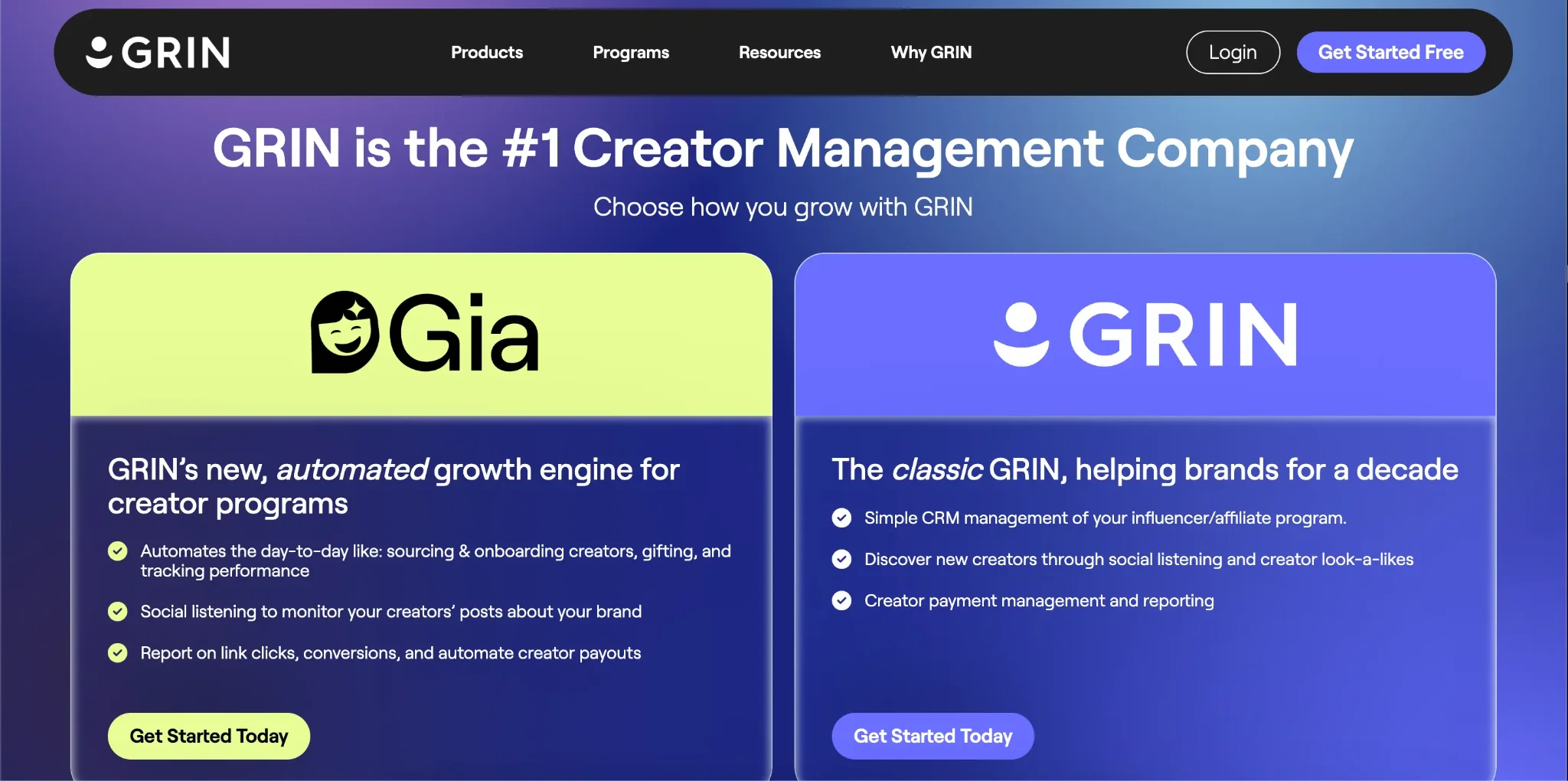
GRIN es una plataforma de marketing de influencers construida principalmente para marcas de ecommerce que desean gestionar relaciones con creators, envío de productos, seguimiento de afiliados y derechos de contenido en un único sistema. Es especialmente conocida por sus sólidos flujos de trabajo con Shopify, pero las marcas de Magento también pueden usar GRIN para centralizar operaciones de influencers y vincular el rendimiento nuevamente a los ingresos de la tienda.
Mejor para:
Marcas de ecommerce de mercado medio y empresariales que ejecutan programas estructurados de influencers o embajadores, especialmente aquellas que priorizan el seeding de productos, la gestión de derechos de UGC y las asociaciones duraderas con creators.
Cómo funciona con Magento:
Para marcas de Magento, GRIN generalmente se ajusta a la pila como la capa de gestión de influencers y flujos de trabajo, mientras que Magento sigue siendo el sistema de registro para productos, pedidos y datos de clientes.
A nivel de flujo de trabajo:
- Los influencers reciben enlaces rastreables y códigos de descuento conectados a páginas de productos de Magento.
- Los pedidos generados a través de esos enlaces o códigos se rastrean y se atribuyen nuevamente a los creators.
- El rendimiento de campaña e informes de ingresos se revisan dentro de GRIN.
- Los equipos gestionan envíos de productos, comunicación con creators y recopilación de contenido desde un único panel de control.
Magento continúa impulsando el pago, los registros de clientes e historial de pedidos, mientras que GRIN maneja la gestión de relaciones y el seguimiento del rendimiento de influencers sobre esos datos de comercio.
Precios:
- Plan gratuito
- Lite: $399/mes
- Essentials: $699/mes
- Growth: $1,149/mes
- Complete: $1,799/mes
Facilidad de uso (UX/UI):
Los usuarios suelen describir GRIN como repleto de funciones y robusto, aunque a veces complejo debido a su profundidad. Muchos equipos de ecommerce aprecian el panel de control centralizado y los flujos de trabajo integrados para gestión de envíos y creators. Sin embargo, algunos usuarios mencionan una curva de aprendizaje durante la incorporación, especialmente para equipos nuevos en sistemas CRM de influencers.
Atención al cliente:
Los comentarios de clientes sobre el soporte de GRIN son generalmente positivos, y muchos usuarios destacan gerentes de cuenta receptivos y orientación en la incorporación. Dicho esto, algunas reseñas señalan que los tiempos de respuesta pueden variar según el nivel de plan y el nivel de contrato. Los clientes empresariales generalmente reportan experiencias de soporte más sólidas y prácticas.
Funciones clave:
- Flujos de trabajo de seeding y cumplimiento de productos: GRIN permite a las marcas enviar productos directamente a influencers a través de flujos de trabajo de cumplimiento integrados. Esto es particularmente útil para marcas de ecommerce que ejecutan campañas de envío a gran escala donde el seguimiento del inventario de productos y envíos es esencial.
- Gestión de derechos de medios integrada: La plataforma permite a las marcas asegurar, almacenar y gestionar derechos de uso para contenido generado por influencers. Esto ayuda a los equipos a reutilizar UGC para anuncios pagados, marketing por correo electrónico y páginas de productos sin perder un seguimiento de los permisos.
- Gestión de relaciones con creators (CRM): GRIN centraliza la comunicación con influencers, contratos, historial de campañas y seguimiento de rendimiento. Esto es especialmente útil para marcas que construyen programas de embajadores a largo plazo en lugar de ejecutar campañas puntuales.
- Seguimiento de afiliados y códigos de descuento: Las marcas de Magento pueden generar enlaces rastreables y códigos de descuento para atribuir ventas a creators. El seguimiento de ingresos respalda asociaciones basadas en rendimiento y modelos de compensación basados en comisiones.
- Gran base de datos de creators con opción de participación (200M+ perfiles): GRIN ofrece acceso a una red sustancial de influencers que han optado por participar, haciendo que el descubrimiento y la divulgación sean más simplificados dentro de la plataforma.
Limitaciones de la plataforma:
Costo históricamente más alto y compromiso anual: GRIN a menudo se considera más caro que plataformas nuevas, particularmente para marcas D2C en crecimiento. La estructura de contrato anual puede limitar la flexibilidad para marcas que prueban programas de influencers.
Menos flujos de trabajo nativos de Magento que enfocados en Shopify: Aunque compatible con Magento, GRIN es ampliamente conocida por su fuerte integración con Shopify. Las marcas de Magento pueden requerir más alineación de configuración para optimizar flujos de trabajo en comparación con los comerciantes que priorizan Shopify.
3. Storyclash

Storyclash es una plataforma de marketing de influencers e inteligencia social enfocada en el seguimiento de contenido en tiempo real, visibilidad de medios ganados y evaluación comparativa competitiva. A diferencia de las herramientas de influencers centradas en CRM, Storyclash se inclina más hacia analítica y monitoreo de contenido, lo que la hace atractiva para marcas que desean una visibilidad más profunda de cómo funciona el contenido de influencers en todas las plataformas sociales.
Para marcas de Magento que evalúan el mejor software de marketing de influencers para Magento, Storyclash generalmente juega más un papel de inteligencia de rendimiento que un motor de atribución de comercio completo.
Mejor para:
Marcas de mercado medio y empresariales que priorizan el seguimiento de contenido de influencers, monitoreo de medios ganados y evaluación comparativa competitiva — especialmente equipos que ya tienen un backend de ecommerce como Magento pero desean mayor visibilidad en tendencias de rendimiento social.
Cómo funciona con Magento:
Storyclash se integra en un stack basado en Magento como la capa de análisis social e inteligencia de contenidos, mientras que Magento sigue siendo el sistema de registro para datos de ventas y clientes.
A nivel de flujo de trabajo:
- Los influencers publican contenido que promociona páginas de productos de Magento.
- Storyclash rastrea y analiza las publicaciones de influencers en redes sociales en tiempo real.
- Los equipos de marketing supervisan el engagement, el alcance, el sentimiento y la actividad de competidores.
- La atribución de ingresos se revisa dentro de Magento u otra herramienta de afiliación, no de forma nativa dentro de Storyclash.
En resumen, Storyclash ayuda a las marcas de Magento a entender qué contenido y creators generan visibilidad y engagement, mientras que el seguimiento a nivel comercial normalmente ocurre de forma independiente.
Precios:
- Starter: €499/month
- Growth: €999/month
- Scale: €1,899/month
- Enterprise: A medida
Facilidad de uso (UX/UI):
Los usuarios frecuentemente describen Storyclash como visualmente limpio y enfocado en datos, con dashboards robustos para rastrear contenido de influencers en tiempo real. La interfaz suele elogiarse por hacer que los datos de desempeño sean fáciles de asimilar, especialmente al comparar campañas o competidores. Sin embargo, algunos usuarios señalan que la profundidad del análisis puede resultar abrumadora al principio, particularmente para equipos sin roles dedicados a datos.
Soporte al cliente:
Las reseñas de clientes comúnmente destacan una incorporación útil y account managers atentos. Muchos usuarios informan que Storyclash proporciona una excelente orientación durante la implementación y la configuración de campañas. Dicho esto, como ocurre con la mayoría de plataformas orientadas a empresas, las experiencias de soporte pueden variar según el tamaño del contrato y el nivel del plan.
Características clave:
- Rastreo de contenido de influencers en tiempo real: Storyclash detecta y rastrea automáticamente publicaciones de influencers que mencionan tu marca o competidores en las principales plataformas sociales. Esto permite a las marcas de Magento supervisar la actividad de campañas conforme sucede, en lugar de depender únicamente de reportes manuales de creators.
- Valor de medios ganados (EMV) y benchmarking de desempeño: La plataforma calcula métricas de medios ganados y permite a las marcas comparar el desempeño de influencers contra benchmarks de la industria. Esto ayuda a los equipos de marketing a evaluar el impacto del contenido más allá de likes y clics simples.
- Inteligencia de influencers competitivos: Storyclash permite a las marcas ver qué influencers están trabajando con competidores y cómo se desempeñan sus campañas. Para marcas de Magento en nichos competitivos, esto proporciona información valiosa para la estrategia de partnerships.
- Análisis de audiencia y sentimiento: La herramienta ofrece desgloses de audiencia y rastreo de sentimiento para evaluar la seguridad de marca y la alineación de audiencias. Esto respalda una selección más inteligente de influencers antes de lanzar campañas vinculadas a impulsos de productos de Magento.
- Monitoreo multiplataforma: Storyclash rastrea actividad en múltiples redes sociales, consolidando datos de desempeño de influencers en un solo lugar. Esto es útil para marcas que ejecutan campañas omnicanal que impulsan tráfico de regreso a páginas de destino de Magento.
Limitaciones de la plataforma:
Atribución de ingresos limitada de forma nativa para Magento: Aunque es fuerte en análisis, Storyclash no reemplaza de forma nativa el rastreo de afiliación o la atribución profunda a nivel de Magento. Las marcas típicamente necesitan una herramienta adicional para conectar la actividad de influencers directamente con datos a nivel de pedido.
Más enfocado en análisis que en flujo de trabajo: Los equipos que buscan automatización de alcance integrada, CRM de influencers o gestión de pagos de afiliación pueden encontrar que Storyclash es menos completo en comparación con CRMs completos de influencer marketing.
4. Impact.com

Impact.com es una plataforma de automatización de partnerships diseñada para gestionar afiliados, influencers, socios de medios y otras relaciones estratégicas a escala. Aunque no es exclusivamente un CRM de influencers, es ampliamente utilizada por marcas de ecommerce que desean rastreo de nivel empresarial, gestión de contratos y automatización de comisiones.
Para marcas de Magento que exploran el mejor software de influencer marketing para Magento, impact.com se considera frecuentemente cuando el rastreo tipo afiliación y los programas de partnerships escalables son una prioridad.
Mejor para:
Marcas de Magento de mercado medio y empresa que ejecutan programas estructurados de afiliación, embajador o influencer basados en desempeño que requieren rastreo avanzado, comisiones automatizadas y gestión del ciclo de vida del partner.
Cómo funciona con Magento:
En un stack basado en Magento, impact.com típicamente actúa como el motor de rastreo de partnerships y comisiones colocado sobre tu tienda de ecommerce.
A nivel de flujo de trabajo:
- Magento sigue siendo el sistema de registro para productos, pedidos y datos de clientes.
- Impact.com genera enlaces rastreables e IDs de afiliación para influencers y partners.
- Los pedidos completados en Magento se rastrean y se atribuyen a través de la infraestructura de rastreo de impact.
- Las comisiones se calculan automáticamente basadas en transacciones validadas.
- Los equipos de finanzas y marketing gestionan pagos, contratos y desempeño del partner dentro de impact.com.
Para marcas Magento que ejecutan programas de creators basados en rendimiento, esta configuración permite la atribución de ingresos y pagos automatizados sin depender de reconciliaciones manuales.
Precios:
- Starter: $30/mo
- Essentials: $500/mo
- Pro: $2,500/mo
- Enterprise: A medida
Facilidad de uso (UX/UI):
Las reseñas de usuarios suelen describir impact.com como potente pero complejo. El panel de control ofrece informes profundos y herramientas de automatización, pero los nuevos usuarios a veces reportan una curva de aprendizaje debido a la amplitud de funciones. Una vez configurado, muchos equipos aprecian la visibilidad del desempeño de socios y el seguimiento financiero.
Atención al cliente:
La retroalimentación sobre el servicio al cliente es generalmente positiva, especialmente para clientes empresariales con gestores de cuenta dedicados. Los usuarios destacan frecuentemente recursos de incorporación sólidos y procesos de implementación estructurados. Sin embargo, los equipos más pequeños a veces notan que la respuesta del soporte puede variar según el nivel de contrato.
Funciones principales:
- Seguimiento avanzado de afiliados y socios: impact.com proporciona infraestructura sólida de seguimiento que atribuye las ventas de Magento a socios individuales a través de enlaces de seguimiento únicos e identificadores. Esto respalda programas de influencers basados en rendimiento donde las comisiones dependen de ingresos verificados.
- Gestión automatizada de comisiones y pagos: La plataforma calcula comisiones basadas en reglas predefinidas y transacciones validadas. Esto reduce el trabajo contable manual y garantiza que los influencers y afiliados reciban pagos precisos y puntuales.
- Gestión del ciclo de vida de contratos y socios: impact.com centraliza contratos, términos de pago y documentación de cumplimiento. Para marcas Magento que trabajan con creators y afiliados globales, esto ayuda a optimizar la supervisión legal y financiera.
- Soporte multicanal de asociaciones: Más allá de influencers, la plataforma respalda afiliados, embajadores de marca, socios de referencia y editores de medios. Esto la hace útil para marcas que ejecutan estrategias de asociación híbridas vinculadas a ingresos de Magento.
- Informes y pronósticos de nivel empresarial: impact.com ofrece paneles de informes granulares que rastrean el desempeño de socios, la contribución de ingresos y la rentabilidad de campañas. Esto respalda presupuestos basados en datos y decisiones de escalado de asociaciones.
Limitaciones de la plataforma:
No está construida como un CRM centrado en creators: Aunque es sólida en seguimiento y pagos, impact.com se enfoca menos en la gestión de relaciones con influencers, automatización de alcance u flujos de trabajo de contenido en comparación con plataformas específicas para influencers.
Configuración compleja y orientación empresarial: Debido a su amplitud de funciones y opciones de personalización, la implementación puede requerir tiempo y coordinación. Las marcas Magento más pequeñas pueden encontrar la plataforma más compleja y costosa de lo necesario para programas de influencers en etapa inicial.
5. HypeAuditor
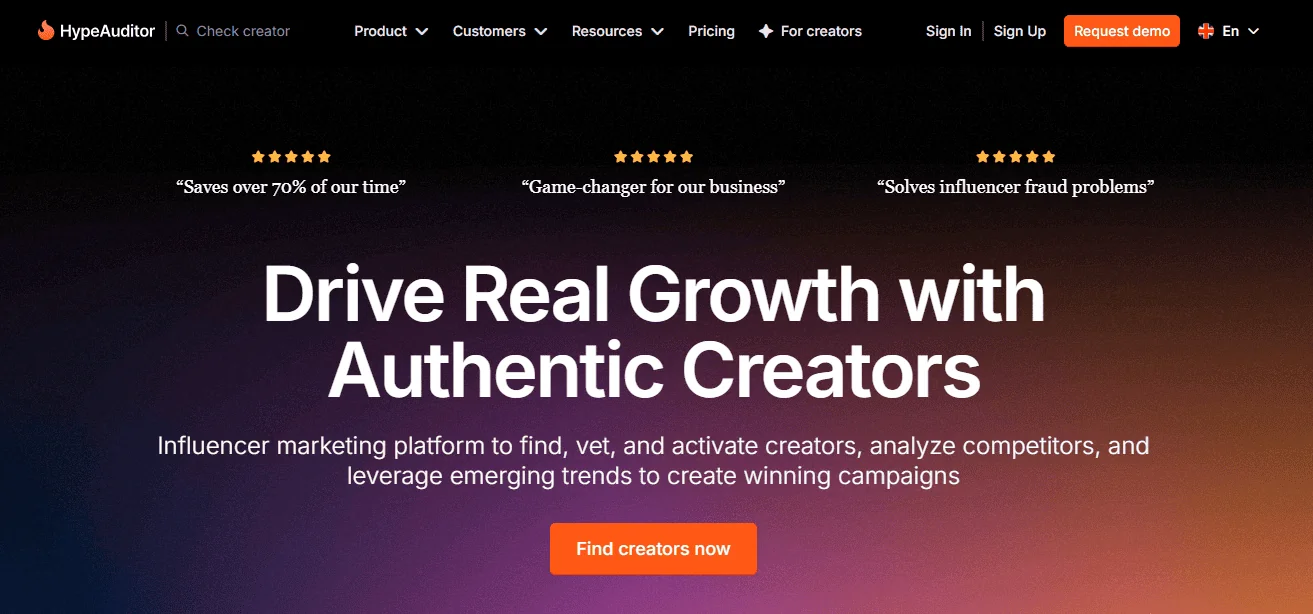
HypeAuditor es una plataforma de análisis de influencers y calidad de audiencia enfocada en puntuación de autenticidad, detección de fraude y evaluación de rendimiento. A diferencia de los CRM de influencers que priorizan el alcance y la automatización del flujo de trabajo, HypeAuditor es conocido principalmente por ayudar a las marcas a validar audiencias de creators antes de invertir presupuesto.
Para marcas Magento que evalúan el mejor software de marketing de influencers para Magento, HypeAuditor generalmente actúa como una capa de verificación y análisis en lugar de una plataforma completa de ejecución de campañas.
Ideal para:
Marcas de mercado medio y empresariales que desean minimizar el riesgo de fraude de influencers, validar la calidad de la audiencia y tomar decisiones de selección de creators basadas en datos antes de lanzar campañas basadas en Magento.
Cómo funciona con Magento:
En una pila basada en Magento, HypeAuditor funciona como la capa de verificación y análisis de influencers antes de la ejecución de la campaña.
A nivel de flujo de trabajo:
- Los equipos de marketing utilizan HypeAuditor para analizar la autenticidad del influencer, la demografía de la audiencia y la calidad del engagement.
- Los creators aprobados se incorporan luego a tu CRM de influencers o sistema de afiliados.
- Los influencers promocionan páginas de productos Magento usando enlaces rastreables o códigos de descuento.
- La atribución de ingresos y el seguimiento de pedidos ocurren dentro de Magento o en una plataforma de afiliados separada.
En resumen, HypeAuditor ayuda a las marcas Magento a elegir a los creators correctos desde el inicio, reduciendo gastos desperdiciados antes de que el tráfico llegue a la página de pago.
Precios:
HypeAuditor utiliza precios personalizados, típicamente estructurados en contratos anuales. Ofrece una prueba gratuita de 24–48 horas y sus precios no se divulgan, alrededor de $10,000 - $60,000/año.
Facilidad de uso (UX/UI):
Los usuarios frecuentemente describen HypeAuditor como rico en datos y altamente analítico. El panel de control generalmente se considera limpio y estructurado, pero algunos usuarios notan que la profundidad de métricas puede resultar abrumadora para equipos más pequeños. Las marcas con especialistas en marketing de rendimiento o analistas de datos tienden a apreciar el nivel de detalle proporcionado.
Atención al cliente:
Los comentarios de clientes frecuentemente destacan el soporte de incorporación receptivo y gestores de cuenta expertos. Los clientes empresariales típicamente reportan una orientación sólida durante la configuración e interpretación de datos. Sin embargo, los equipos más pequeños a veces mencionan que el acceso a soporte premium puede depender del nivel de contrato.
Características Clave:
- Autenticidad de Audiencia y Detección de Fraude: HypeAuditor es ampliamente reconocido por su sistema de puntuación de autenticidad, que evalúa seguidores falsos, engagement sospechoso y actividad de bots. Esto ayuda a las marcas de Magento a evitar pagar a influencers cuya calidad de audiencia no se convertirá en clientes reales.
- Análisis Avanzado de Datos Demográficos de Audiencia: La plataforma proporciona desglose detallados de edad, género, ubicación e intereses de la audiencia. Las marcas de Magento pueden usar esto para asegurar que las audiencias de influencers se alineen con los perfiles de clientes objetivo antes de dirigir tráfico a páginas de productos.
- Comparativas de Rendimiento de Influencers: HypeAuditor compara el rendimiento de influencers contra promedios de la industria y campañas de competidores. Esto permite a los equipos de marketing identificar creators que superan los benchmarks de categoría antes de asignar presupuesto de campaña.
- Información de Campañas de Competidores: Las marcas pueden monitorear asociaciones con influencers de competidores y analizar el rendimiento estimado de campañas. Esto proporciona visión estratégica sobre qué creators están activos dentro de tu nicho en Magento.
- Descubrimiento de Influencers Impulsado por IA: La plataforma incluye filtros de búsqueda y recomendaciones impulsadas por IA para ayudar a las marcas a encontrar influencers basados en calidad de audiencia y relevancia de nicho.
Limitaciones de la Plataforma:
Gestión Limitada de Campañas y Ingresos Nativos: HypeAuditor es principalmente una herramienta de análisis y verificación. Las marcas de Magento necesitarán una plataforma adicional para manejar automatización de contactos, seguimiento de afiliados, gestión de códigos de descuento y pagos de comisiones.
Precios a Nivel Empresarial: La estructura de precios anuales puede ser alta para marcas D2C más pequeñas. Los equipos enfocados principalmente en ejecución en lugar de profundidad analítica pueden encontrar la inversión más pesada de lo necesario.
6. Modash
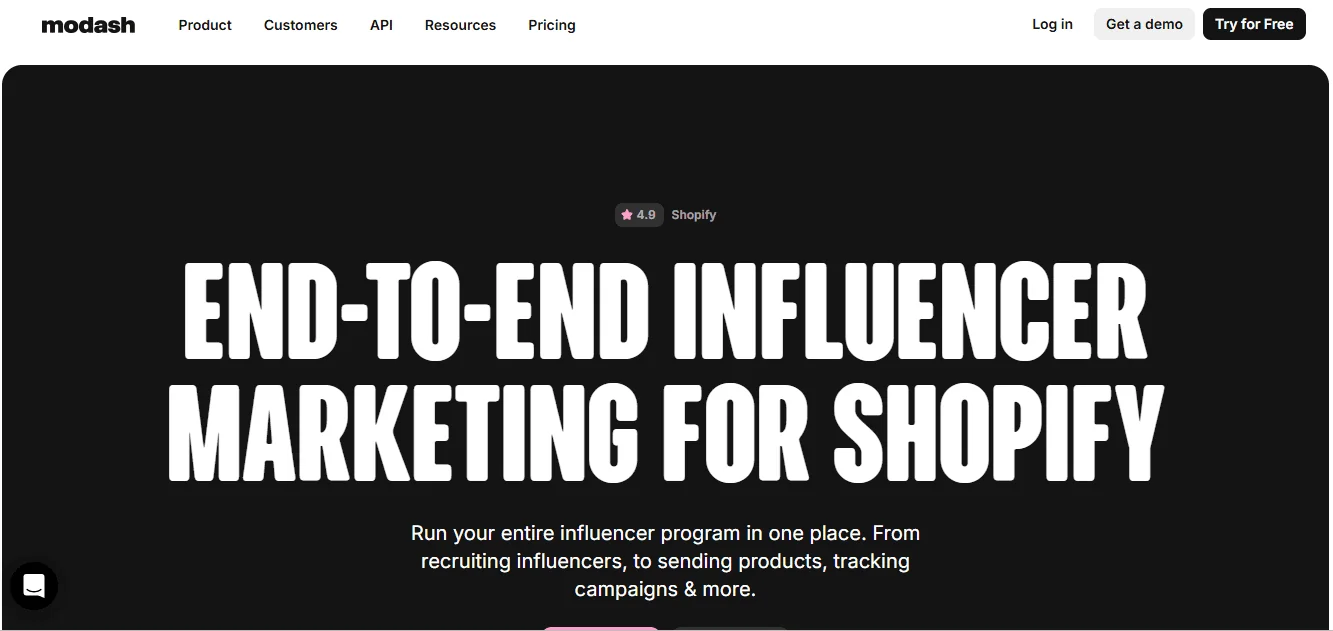
Modash es una plataforma de descubrimiento de influencers y seguimiento de campañas conocida por su amplia base de datos de creators y análisis enfocados en rendimiento. Se posiciona como una solución data-first, ayudando a las marcas a encontrar y evaluar creators a escala.
Para marcas de Magento que exploran el mejor software de marketing de influencers para Magento, Modash típicamente funciona como el motor de descubrimiento y evaluación, mientras que Magento permanece como la fuente de verdad para ingresos y seguimiento de pedidos.
Mejor Ajuste Para:
Marcas D2C y equipos de ecommerce que priorizan el descubrimiento de influencers a gran escala, análisis de audiencia y selección de creators basada en datos — especialmente aquellos que ejecutan campañas basadas en rendimiento vinculadas al revenue de Magento.
Cómo Funciona con Magento:
En un stack basado en Magento, Modash típicamente funciona como la capa de descubrimiento y monitoreo de campañas.
A nivel de flujo de trabajo:
- Los equipos de marketing usan Modash para buscar en su base de datos de creators y filtrar por datos demográficos de audiencia, tasa de engagement y nicho.
- Los influencers seleccionados reciben enlaces rastreables o códigos de descuento que apuntan a páginas de productos o de destino en Magento.
- El tráfico y las conversiones se rastrean a través de Magento (o un sistema de afiliados conectado).
- Los datos de rendimiento de Modash y Magento se revisan para evaluar el ROI de la campaña.
Modash ayuda a las marcas de Magento a encontrar los creators correctos y evaluar métricas de rendimiento, mientras que Magento maneja el checkout, registros de clientes e ingresos a nivel de pedidos.
Precios:
- Essentials: $199/mo
- Performance: $499/mo
- Enterprise: $14,700/year
Modash generalmente se posiciona como una alternativa más asequible y enfocada en descubrimiento a plataformas empresariales.
Facilidad de Uso (UX/UI):
Los usuarios frecuentemente describen Modash como intuitiva y directa, particularmente para búsqueda y filtrado de influencers. La interfaz es frecuentemente elogiada por facilitar la aplicación de filtros detallados sin parecer excesivamente técnica. En comparación con plataformas empresariales pesadas, muchos usuarios reportan que Modash tiene una curva de aprendizaje más corta.
Soporte al Cliente:
Las reseñas de clientes comúnmente destacan equipos de soporte receptivos y útiles, especialmente durante la incorporación. Los usuarios frecuentemente mencionan documentación clara y disposición del equipo para responder preguntas relacionadas con el producto. Como con la mayoría de herramientas SaaS, la profundidad del soporte puede variar por nivel de plan, pero el sentimiento general es positivo.
Características Clave:
- Base de datos de 350M+ creators (sin registro requerido): Modash proporciona acceso a una enorme base de datos de influencers en las principales plataformas sociales. Como los creators no necesitan registrarse, las marcas pueden descubrir influencers no explotados más allá de las limitaciones de los marketplaces tradicionales.
- Filtros avanzados de audiencia e interacción: La plataforma permite a las marcas filtrar creators por ubicación, datos demográficos de la audiencia, tasa de interacción y nicho. Esto ayuda a las marcas Magento a garantizar que las audiencias de los influencers se alineen con los segmentos de clientes objetivo antes de dirigir tráfico a las páginas de productos.
- Búsqueda visual impulsada por IA: Modash incluye herramientas de reconocimiento de imágenes que ayudan a las marcas a encontrar influencers basándose en temas de contenido visual. Esto es especialmente útil para marcas de ecommerce que venden productos orientados a lo visual.
- Monitoreo de campañas y seguimiento de desempeño: Las marcas pueden realizar un seguimiento de publicaciones de influencers, interacción y desempeño de contenido dentro de la plataforma. Mientras que Magento maneja el seguimiento de ingresos, Modash proporciona visibilidad de la actividad de campaña en la parte superior del embudo.
- Compatibilidad con seguimiento de enlaces y afiliados: Modash admite el seguimiento de enlaces y monitoreo de campañas, permitiendo que las marcas Magento conecten la actividad de influencers con métricas de desempeño.
Limitaciones de la plataforma:
automatización de alcance limitada: En comparación con CRMs completos de influencers, Modash ofrece menos funciones de automatización de correo electrónico y gestión de flujos de trabajo integradas. Las marcas pueden necesitar un CRM adicional o una herramienta de alcance para escalar la comunicación.
La atribución de ingresos depende de sistemas externos: Si bien Modash ayuda con el descubrimiento y el seguimiento de campañas, la atribución profunda a nivel de pedido y la automatización de comisiones generalmente requieren Magento o una integración de plataforma de afiliados separada.
7. Aspire

Aspire (anteriormente AspireIQ) es una plataforma de marketing de influencers y UGC diseñada para ayudar a las marcas a construir comunidades de creators a largo plazo, gestionar campañas y escalar programas de embajadores. Es particularmente conocida por su marketplace de creators entrantes y flujos de trabajo de campañas estructurados.
Para marcas Magento que investigan el mejor software de marketing de influencers para Magento, Aspire a menudo se posiciona como una plataforma orientada a relaciones que complementa el seguimiento de ingresos de ecommerce.
Ideal para:
Marcas de ecommerce de mercado medio y empresariales enfocadas en construir programas de embajadores, gestionar solicitudes de creators entrantes y escalar la producción de UGC junto con las ventas impulsadas por Magento.
Cómo funciona con Magento:
En un stack basado en Magento, Aspire actúa típicamente como la capa de relación con influencers y gestión de campañas, mientras que Magento maneja checkout, pedidos y datos de clientes.
A nivel de flujo de trabajo:
- Las marcas reclutan creators a través del marketplace de Aspire o herramientas de descubrimiento de alcance externo.
- Los influencers reciben enlaces rastreables o códigos de descuento que dirigen tráfico a páginas de productos o landing de Magento.
- Los pedidos se procesan dentro de Magento, y los datos de ingresos se conectan nuevamente a los informes de campañas.
- Los equipos gestionan aprobaciones de contenido, logística de regalos y revisión de desempeño dentro de Aspire.
Aspire ayuda a las marcas Magento a optimizar la incorporación de creators, colaboración y flujos de trabajo de campañas, mientras que Magento sigue siendo la fuente única de verdad para la atribución de ingresos.
Precio:
Aspire funciona con un modelo de contrato anual escalonado, con precios personalizados según el volumen de creators y acceso a funciones.
Su precio no está publicado, aproximadamente $2,000 - $5,000/mes.
Facilidad de uso (UX/UI):
Los usuarios frecuentemente describen Aspire como bien organizado y orientado al flujo de trabajo, particularmente para gestionar campañas de influencers multietapa. Muchos aprecian el panel centralizado para comunicación, aprobaciones de contenido y seguimiento de campañas. Sin embargo, algunas reseñas notan que la plataforma puede parecer repleta de funciones al principio, especialmente para equipos más pequeños.
Soporte al cliente:
Las reseñas de clientes frecuentemente destacan la incorporación estructurada y el soporte dedicado de cuenta, especialmente para clientes de mercado medio y empresariales. Los usuarios mencionan orientación de implementación útil y check-ins regulares durante la configuración de campañas. Como con muchas plataformas enfocadas en empresas, la experiencia de soporte puede depender del nivel de contrato.
Funcionalidades clave:
- Mercado de Creators por Solicitud: Aspire permite a las marcas crear páginas de solicitud donde los influencers pueden postularse directamente a campañas. Esto es particularmente útil para marcas Magento que construyen programas de embajadores y consiguen creators de forma orgánica en lugar de depender únicamente del alcance saliente.
- Flujos de Trabajo de Campaña Estructurados: La plataforma incluye herramientas integradas para gestionar contratos, aprobaciones, entregables y plazos. Esto respalda equipos que ejecutan campañas complejas de influencers vinculadas a lanzamientos de productos Magento.
- Gestión de UGC y Biblioteca de Contenidos: Aspire centraliza el contenido generado por influencers y ayuda a gestionar derechos de uso. Las marcas Magento pueden reutilizar contenido aprobado en páginas de productos, anuncios y campañas de email sin perder el seguimiento de permisos.
- Seguimiento de Afiliados y Desempeño: Aspire respalda asociaciones basadas en desempeño mediante el seguimiento de enlaces y códigos de descuento. Los ingresos generados a través de Magento se pueden asociar con creators específicos para colaboraciones basadas en comisiones.
- Acceso a Datos de Plataforma de Primera Parte: Aspire se integra con plataformas sociales para proporcionar datos de desempeño directo, ayudando a marcas a evaluar la efectividad del influencer más allá de métricas superficiales.
Limitaciones de la Plataforma:
Mayor Costo para Marcas en Crecimiento: Con precios que a menudo comienzan en bajos miles por mes y estructurados como contratos anuales, Aspire puede ser prohibitivo para marcas Magento en etapa temprana.
Menor Énfasis en Atribución Profunda de Comercio: Aunque Aspire respalda seguimiento de afiliados, la generación de reportes a nivel Magento puede requerir configuración adicional o integración en comparación con plataformas construidas específicamente alrededor de atribución de comercio electrónico.
8. CreatorIQ

CreatorIQ es una plataforma empresarial de marketing de influencers construida para marcas globales que necesitan gobernanza avanzada, colaboración entre departamentos e informes impulsados por API. A menudo es utilizada por grandes organizaciones que ejecutan programas de influencers en múltiples regiones y unidades de negocio.
Para marcas Magento evaluando el mejor software de marketing de influencers para Magento, CreatorIQ se considera típicamente cuando el marketing de influencers necesita alinearse con estándares de datos, cumplimiento e informes a nivel empresarial.
La Mejor Opción Para:
Marcas de comercio electrónico empresariales y globales que ejecutan programas de influencers en múltiples mercados y requieren gobernanza estricta, flujos de trabajo de aprobación e informes centralizados vinculados a datos de ingresos de Magento.
Cómo Funciona con Magento:
En un stack basado en Magento, CreatorIQ típicamente funciona como la capa de gobernanza y reportes de campaña, mientras que Magento sigue siendo la fuente única de verdad para pedidos y datos de clientes.
A nivel de flujo de trabajo:
- Los equipos de marketing incorporan y gestionan creators dentro de CreatorIQ.
- Los influencers promocionan páginas de productos Magento usando enlaces rastreables o identificadores de estilo afiliado.
- Los datos de pedidos e ingresos de Magento se conectan a través de integraciones o flujos de trabajo de API.
- El desempeño de campaña y creator se analiza dentro de paneles de CreatorIQ.
Esta configuración permite que marcas Magento empresariales conecten actividad de influencers a desempeño de comercio mientras mantienen supervisión interna de cumplimiento, aprobaciones y financiera.
Precios:
CreatorIQ opera bajo un modelo de contrato anual estricto, con precios no divulgados, alrededor de $35,000 a $200,000/año.
Facilidad de Uso (UX/UI):
Los usuarios a menudo describen CreatorIQ como potente pero pesado a nivel empresarial. El panel de control proporciona informes detallados y flujos de trabajo estructurados, que los equipos más grandes aprecian. Sin embargo, algunos equipos más pequeños reportan una curva de aprendizaje más pronunciada debido a la profundidad y complejidad de la plataforma.
Soporte al Cliente:
Los clientes empresariales frecuentemente mencionan gerentes de cuenta dedicados y procesos de incorporación estructurados. El soporte generalmente se describe como profesional y minucioso, especialmente durante la implementación. Dicho esto, algunos usuarios señalan que los procesos a nivel empresarial pueden significar tiempos de respuesta más largos para cambios de configuración.
Características Clave:
- Gobernanza empresarial y flujos de aprobación: CreatorIQ incluye procesos de aprobación estructurados, seguimiento de cumplimiento normativo y sistemas de revisión interna. Esto es particularmente útil para marcas Magento que operan en múltiples departamentos o sectores regulados.
- Reportes basados en API e integración de datos: La plataforma ofrece capacidades robustas de API, permitiendo a las marcas conectar datos de influencers con sistemas de comercio electrónico como Magento. Esto respalda dashboards de rendimiento centralizados y reportes avanzados de inteligencia empresarial.
- Gestión global de pagos y cumplimiento: CreatorIQ soporta pagos en múltiples monedas y documentación de cumplimiento global para creators. Esto es valioso para marcas Magento empresariales que ejecutan campañas de influencers transfronterizas.
- CRM avanzado de creators: La plataforma centraliza perfiles de creators, colaboraciones históricas, contratos y métricas de rendimiento. Esto respalda la gestión de relaciones a largo plazo a escala.
- Seguimiento de campañas en múltiples mercados: CreatorIQ permite a las marcas monitorear campañas de influencers en diferentes regiones y equipos, manteniendo estándares de reportes consistentes mientras vincula los resultados al rendimiento de ingresos de Magento.
Limitaciones de la plataforma:
Costo alto y orientación empresarial: Con precios que típicamente comienzan en decenas de miles de dólares anuales, CreatorIQ suele estar fuera del alcance de marcas Magento más pequeñas o medianas.
Implementación compleja: Debido a sus integraciones de nivel empresarial y características de gobernanza, la implementación puede requerir coordinación entre equipos de marketing, IT y finanzas, lo que hace que la configuración sea más compleja que las plataformas más ligeras.
9. Influencity

Influencity es una plataforma de marketing de influencers enfocada en descubrimiento de creators, análisis de audiencia y gestión de campañas. Se posiciona como una solución flexible y basada en datos para marcas y agencias que desean capacidades de filtrado sólidas y reportes de rendimiento sin llegar a ser completamente empresarial.
Para marcas Magento evaluando el mejor software de marketing de influencers para Magento, Influencity típicamente actúa como la capa de descubrimiento y seguimiento de campañas, mientras que Magento sigue siendo la fuente de verdad para ingresos.
Lo mejor para:
Marcas D2C en crecimiento y agencias que desean descubrimiento de influencers escalable, análisis detallado de audiencia y seguimiento de campañas estructurado para respaldar ventas impulsadas por Magento.
Cómo funciona con Magento:
En un stack basado en Magento, Influencity funciona como la capa de búsqueda de influencers, validación y gestión de campañas.
A nivel de flujo de trabajo:
- Los equipos descubren influencers utilizando filtros avanzados de audiencia y datos demográficos.
- Los influencers promocionan productos Magento o páginas de destino utilizando enlaces de seguimiento o códigos de descuento.
- Los pedidos e ingresos se registran dentro de Magento.
- Los datos de rendimiento de Magento (a través de enlaces de seguimiento o sistemas de afiliados) se revisan junto con métricas de campañas dentro de Influencity.
Magento maneja checkout, registros de clientes y seguimiento de valor de vida útil, mientras que Influencity respalda la selección de influencers, coordinación de campañas y análisis de rendimiento.
Precios:
Influencity ofrece planes mensuales alrededor de $200 a $400 dependiendo del conjunto de características.
- Starter: Perfecto para equipos pequeños nuevos en marketing de influencers, comenzando en $199/mes. Incluye características básicas, acceso a Instagram y prueba gratuita de 14 días.
- Business: A $499/mes, este plan añade TikTok, YouTube, 500 créditos mensuales, información de superposición de audiencias y soporte prioritario. Ideal para equipos en crecimiento que gestionan múltiples campañas.
- Elite: Diseñado para agencias o equipos grandes, este plan de $799/mes ofrece 1,000 créditos, soporte dedicado de éxito del cliente y herramientas de nivel empresarial. Confiado por más de 1,000 empresas en todo el mundo.
Facilidad de uso (UX/UI):
Los usuarios frecuentemente describen a Influencity como limpio e intuitivo, particularmente cuando se aplican filtros de audiencia detallados. El dashboard generalmente se considera fácil de navegar, incluso para equipos pequeños. Algunos usuarios notan que el rango de filtros y herramientas de análisis puede tomar tiempo para dominar completamente.
Soporte al cliente:
Las reseñas de clientes frecuentemente destacan soporte receptivo y recursos de incorporación útiles. Muchos usuarios aprecian la disponibilidad de chat en vivo y documentación de ayuda estructurada. Como en la mayoría de las plataformas SaaS, la profundidad del soporte puede variar dependiendo del nivel de suscripción.
Características principales:
- Filtrado y Segmentación Avanzada de Audiencias: Influencity permite a las marcas filtrar creators por datos demográficos detallados de audiencia, intereses, ubicación y métricas de engagement. Esto ayuda a las marcas de Magento a asegurar que las audiencias de los influencers se alineen estrechamente con los perfiles de clientes objetivo antes de dirigir tráfico a las páginas de productos.
- Panel de Control de Campañas: La plataforma centraliza el seguimiento de campañas, listas de influencers e informes de rendimiento. Esto respalda a las marcas de Magento que ejecutan múltiples campañas simultáneamente mientras monitorean qué creators generan un impacto medible.
- Seguimiento de Relaciones con Influencers: Influencity incluye características estilo CRM para rastrear conversaciones, notas e historial de colaboraciones. Esto ayuda a las marcas a mantener relaciones a largo plazo con creators de alto rendimiento.
- Análisis de Competencia y Mercado: La plataforma ofrece herramientas de evaluación comparativa que permiten a las marcas analizar la actividad de influencers competidores y tendencias de rendimiento de campañas. Las marcas de Magento pueden usar estos datos para refinar su estrategia de asociación.
- Herramientas de Exportación de Datos e Informes: Influencity proporciona informes personalizables y exportaciones de datos, permitiendo que los equipos combinen analíticas de influencers con datos de ingresos de Magento para análisis interno de ROI.
Limitaciones de la Plataforma:
Automatización Limitada de Ingresos y Comisiones Nativas: Aunque es sólida en analíticas y descubrimiento, Influencity depende de Magento o herramientas de terceros para atribución profunda de ingresos y pagos de comisiones automatizados.
Gobierno Empresarial Menos Desarrollado Comparado con Plataformas Más Grandes: Para marcas globales que requieren flujos de cumplimiento extensos y aprobaciones entre departamentos, Influencity puede parecer menos robusta comparada con soluciones enfocadas en empresas.
10. Upfluence
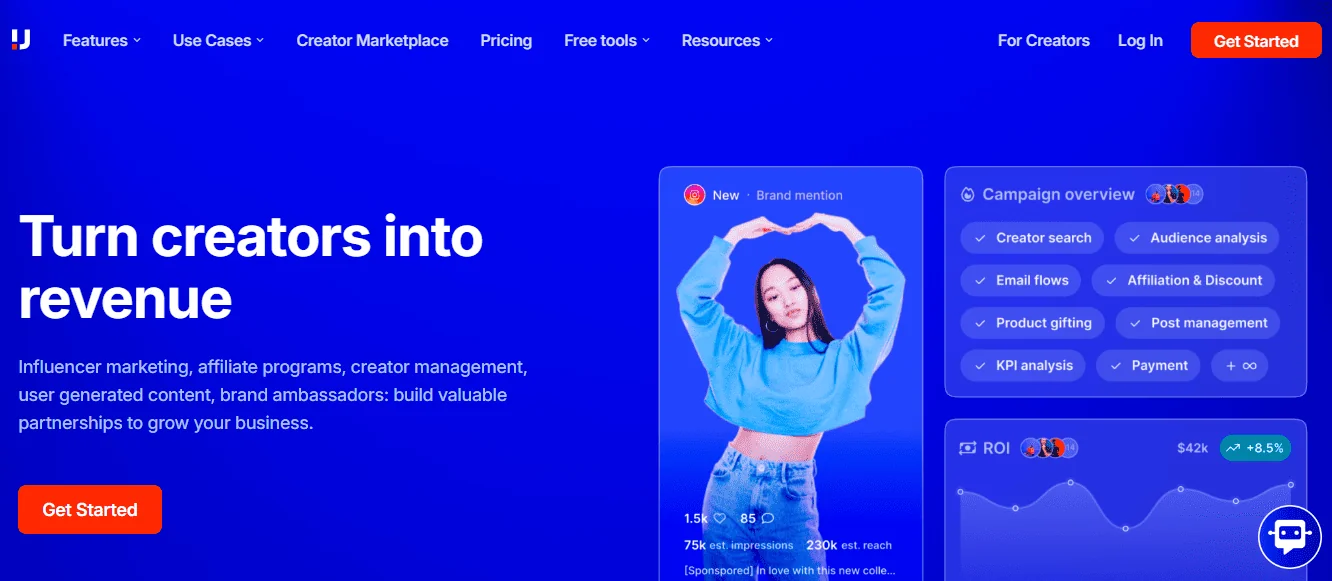
Upfluence es una plataforma de marketing de influencers y gestión de afiliados construida pensando en integraciones de ecommerce sólidas. Es particularmente conocida por su capacidad para identificar influencers dentro de la base de clientes existente de una marca y por sus conexiones con ecosistemas Shopify y Amazon.
Para marcas de Magento evaluando el mejor software de marketing de influencers para Magento, Upfluence ofrece una combinación de descubrimiento de influencers, flujos de trabajo CRM y seguimiento de estilo afiliado.
Mejor Para:
Marcas de ecommerce que ejecutan programas de influencers y afiliados y desean conectar el marketing de creators directamente con datos de tienda — especialmente equipos interesados en identificar clientes que ya son influencers.
Cómo Funciona con Magento:
En una pila basada en Magento, Upfluence actúa típicamente como la capa de descubrimiento de influencers y CRM, conectada a datos de órdenes y clientes de tu tienda.
A nivel de flujo de trabajo:
- Las tiendas Magento almacenan datos de clientes y órdenes como de costumbre.
- Upfluence sincroniza datos de ecommerce para identificar clientes que también podrían ser influencers.
- Los equipos de marketing reclutan influencers, asignan enlaces rastreables o códigos de descuento, y gestionan campañas dentro de Upfluence.
- Las ventas generadas a través de Magento se atribuyen nuevamente a creators para seguimiento de rendimiento y gestión de comisiones.
Esta configuración permite a las marcas de Magento cerrar la brecha entre descubrimiento de influencers y atribución de ingresos sin reconciliar manualmente datos de tienda.
Precio:
Upfluence opera bajo un modelo de contrato anual con precio facturado mensualmente. Su precio no es público, alrededor de $2,000/mes. Las marcas deben solicitar una demostración para una cotización personalizada.
Facilidad de Uso (UX/UI):
Los usuarios frecuentemente describen Upfluence como rica en características con un enfoque ecommerce fuerte. La interfaz generalmente se considera estructurada y práctica para gestionar tuberías de influencers. Sin embargo, algunos comentarios señalan que la plataforma puede parecer compleja al principio debido al rango de características e integraciones de datos.
Soporte al Cliente:
La retroalimentación de clientes frecuentemente destaca la incorporación útil e implementación guiada, especialmente para integraciones de ecommerce. Muchos usuarios reportan gerentes de cuenta responsivos durante la configuración. Algunos comentarios indican que la capacidad de respuesta del soporte continuo puede depender del nivel del plan y tamaño del contrato.
Características Principales:
- Identificación de Cliente a Influencer: Upfluence puede analizar datos de clientes de Magento para identificar personas que ya compran en tu tienda y también tienen perfiles de influencer. Esto permite a las marcas priorizar defensores auténticos y potencialmente mejorar las tasas de conversión.
- Seguimiento de Afiliados Centrado en Ecommerce: La plataforma admite enlaces específicos de influencers y códigos de descuento que se conectan directamente a las ventas de la tienda. Las marcas de Magento pueden atribuir ingresos a los creators y gestionar asociaciones basadas en comisiones.
- CRM de Influencers Integrado: Upfluence centraliza los detalles de contacto de influencers, el historial de comunicaciones y el desempeño de campañas. Esto respalda la construcción de relaciones a largo plazo en lugar de colaboraciones puntuales.
- Base de Datos de Marketplace y Descubrimiento: Las marcas pueden buscar influencers usando filtros basados en nicho, datos demográficos de audiencia, tasas de engagement y presencia en plataformas. Esto respalda la contratación estratégica de creators alineada con categorías de productos de Magento.
- Capacidades de Integración con Amazon y Multicanal: Además de integraciones de tiendas de ecommerce, Upfluence admite flujos de trabajo de Amazon. Esto puede ser valioso para marcas de Magento que también venden en marketplaces.
Limitaciones de la Plataforma:
Los Precios Pueden Escalar con el Tamaño del CRM: Algunos usuarios reportan que los costos aumentan según la cantidad de influencers almacenados en el CRM, lo que puede impactar la escalabilidad de programas de rápido crecimiento.
Compromiso de Contrato Anual: La plataforma típicamente requiere acuerdos anuales, lo que puede reducir la flexibilidad para marcas que experimentan con marketing de influencers por primera vez.
Cómo Elegir el Software de Marketing de Influencers Correcto para Magento
- Para seguimiento de todo el embudo y claridad de ROI: Si deseas medir el impacto del influencer directamente dentro de Magento, incluyendo ingresos, AOV y compras repetidas, elige una plataforma construida alrededor de atribución a nivel de comercio, no solo métricas de engagement.
- Para descubrimiento de influencers y alcance de campañas: Si tu enfoque principal es encontrar creators e lanzar campañas, plataformas orientadas al descubrimiento con filtros de audiencia sólidos y herramientas de alcance pueden ser suficientes. Magento puede manejar el seguimiento de ventas por separado.
- Para programas de regalos o afiliados a escala: Las marcas que envían productos o ejecutan programas basados en comisiones deben priorizar herramientas que simplifiquen la creación de enlaces, códigos de descuento y cálculos de pagos vinculados a pedidos de Magento.
- Para crecimiento a largo plazo impulsado por desempeño: Si el marketing de influencers es un canal de adquisición central para tu tienda Magento, una plataforma unificada que conecte descubrimiento, campañas y seguimiento de ingresos en un flujo de trabajo es típicamente el enfoque más eficiente.
Reflexiones Finales
Elegir el mejor software de marketing de influencers para Magento se reduce a qué tan estrechamente deseas vincular la actividad del influencer al desempeño real del ecommerce. Algunas plataformas son más fuertes en descubrimiento y análisis de audiencia, mientras que otras se enfocan en automatización de afiliados o gobernanza empresarial. Para marcas de Magento, el factor clave es si las campañas de influencers se conectan directamente a datos a nivel de tienda, para que puedas medir ingresos, calidad del cliente y ROI a largo plazo, no solo clics y engagement.
Atribuir ingresos al creator correcto es solo la mitad de la batalla. Para entender cómo los puntos de contacto del influencer interactúan con canales pagos, orgánicos y de correo electrónico, necesitarás una visión más amplia—estas herramientas de atribución de marketing principales pueden darte esa perspectiva de todo el viaje.
Si tu objetivo es seguimiento de todo el embudo, flujos de trabajo simplificados y crecimiento impulsado por desempeño dentro de Magento, Influencer Hero destaca como la solución más completa para integración nativa y atribución de ingresos. Prueba cómo funciona hoy y reserva una demostración aquí.
Resumen
Este es un texto dentro de un bloque div.
Este es un texto dentro de un bloque div.
Tarifa/Mes
Opiniones de Shopify
Este es un texto dentro de un bloque div.
Este es un texto dentro de un bloque div.
Este es un texto dentro de un bloque div.
Este es un texto dentro de un bloque div.
Este es un texto dentro de un bloque div.
Este es un texto dentro de un bloque div.
Este es un texto dentro de un bloque div.
Este es un texto dentro de un bloque div.
Este es un texto dentro de un bloque div.
Este es un texto dentro de un bloque div.
Este es un texto dentro de un bloque div.
Este es un texto dentro de un bloque div.
Este es un texto dentro de un bloque div.
Este es un texto dentro de un bloque div.
Este es un texto dentro de un bloque div.
Este es un texto dentro de un bloque div.
Este es un texto dentro de un bloque div.
Este es un texto dentro de un bloque div.
Este es un texto dentro de un bloque div.
Este es un texto dentro de un bloque div.
Este es un texto dentro de un bloque div.
Leer más

Preguntas frecuentes
¿Cuál es el mejor software de marketing de influencers para Magento?

El mejor software de marketing de influencers para Magento es uno que conecta las campañas de influencers directamente con los ingresos a nivel de tienda, pedidos y datos de clientes. Aunque plataformas como Upfluence, GRIN e impact.com ofrecen integraciones de comercio electrónico, Influencer Hero es a menudo preferido por marcas D2C que buscan descubrimiento unificado, alcance, seguimiento de afiliados y atribución de ingresos de Magento en un único sistema.
¿Puede Magento rastrear las ventas de influencers y los códigos de descuento?
Sí, Magento puede rastrear las ventas de influencers utilizando enlaces de referencia y códigos de cupón. Sin embargo, para atribuir adecuadamente los ingresos a creators individuales y campañas, las marcas típicamente utilizan una plataforma dedicada de marketing de influencers como Influencer Hero, Upfluence o impact.com para automatizar el seguimiento, los reportes y los cálculos de comisiones.
¿Necesito una herramienta de afiliados separada si uso Magento para el marketing de influencers?
Depende de la estructura de su programa. Si está ejecutando programas basados en el desempeño o de embajadores, probablemente necesitará una plataforma que maneje el seguimiento de afiliados y pagos. Herramientas como Influencer Hero, impact.com y Upfluence se integran con Magento para gestionar comisiones, automatizar el seguimiento de enlaces y reducir la reconciliación manual.
¿Qué características debo buscar en un software de influencers para Magento?
Las marcas de Magento deben priorizar:
- Atribución de ingresos vinculada a pedidos reales
- Seguimiento de códigos de descuento y enlaces
- Automatización de CRM y outreach
- Informes sobre AOV y compras repetidas
- Flujos de trabajo escalables de affiliate o gifting
Plataformas como Influencer Hero se enfocan fuertemente en atribución a nivel de ecommerce, mientras que otras como Modash o HypeAuditor pueden inclinarse más hacia discovery y analytics.
¿Es Magento adecuado para escalar programas de influencers o embajadores?
Sí. Magento es ampliamente utilizado por marcas de comercio electrónico de nivel medio y empresarial porque proporciona propiedad total de los datos de pedidos y clientes. Cuando se combina con una plataforma de marketing de influencers como Influencer Hero, GRIN o Upfluence, Magento puede soportar programas escalables de influencers, afiliados y embajadores con seguimiento preciso de ingresos e informes de desempeño.





Blogs más populares


Impulsa tu ROI con Marketing de Influencers
Únete a más de 1.200 marcas y 150+ agencias que escalan sus programas de creators con Influencer Hero.