
Affaticamento creativo: quando rinnovare i tuoi annunci

August 7, 2026
|
Published

August 8, 2026
|
Updated

10 minutes
|
Reading

Influencer Performance Marketing Course | VOUCHER: IMC100

Gabriela Molina
I Author

Table of Contents
- Cos'è l'Affaticamento Creativo?
- Come l'Affaticamento Creativo Influisce sulle Prestazioni della Campagna
- Affaticamento Creativo vs Affaticamento del Pubblico
- Perché Accade l'Affaticamento Creativo
- Quando Dovresti Aggiornare la Tua Creative Pubblicitaria
- Come Aggiornare la Tua Creative Pubblicitaria
- Crea un Sistema di Aggiornamento Creativo
- Conclusione
- Domande Frequenti
Drive ROI With Influencers

Global Influencer Database
ALL-IN-ONE platform
CRM, Affiliate, UGC & More
Stanchezza Creativa: Quando Aggiornare i Tuoi Annunci
Lanci un nuovo annuncio e i risultati sono eccellenti. I tassi di clic sono forti, i tassi di conversione migliorano e il tuo ritorno sulla spesa pubblicitaria si muove nella giusta direzione.
Poi le performance iniziano a calare. Il pubblico non è cambiato, l'offerta è la stessa e la landing page continua a convertire.
Allora cosa è successo?
In molti casi, la risposta è stanchezza creativa dell'annuncio. Il tuo pubblico ha visto lo stesso creativo troppe volte e non cattura più l'attenzione.
Sapere quando aggiornare il tuo creativo pubblicitario è importante. Se aggiorni troppo presto, potresti sostituire un asset che ha ancora valore. Se aspetti troppo a lungo, il crescente costo per acquisizione e le performance pubblicitarie più deboli possono danneggiare i risultati della campagna.
La sfida è che non esiste un calendario di aggiornamento universale. Il timing giusto dipende dal tuo pubblico, dal budget, dalla piattaforma e dalla tua strategia creativa.
Questa guida ti mostrerà come:
- Riconoscere i primi segni di stanchezza creativa
- Comprendere i fattori che la causano
- Sapere quando è il momento di aggiornare i tuoi annunci
- Costruire un processo di test creativo ripetibile che estende le performance della campagna
Cos'è la Stanchezza Creativa?
La stanchezza creativa è il graduale declino nella capacità di un creativo pubblicitario di catturare l'attenzione e ottenere risultati dopo che lo stesso pubblico l'ha visto ripetutamente. Man mano che le persone si familiarizzano con i visivi, i messaggi o il formato, hanno meno probabilità di interagire o agire.
La campagna, l'offerta e il targeting del pubblico possono rimanere invariati. È il creativo pubblicitario stesso che perde attenzione e potere persuasivo.
Come la Stanchezza Creativa Influisce sulle Performance della Campagna
La stanchezza creativa può influenzare ogni fase della tua campagna pubblicitaria. Man mano che le persone smettono di rispondere allo stesso creativo pubblicitario, l'engagement diminuisce e le performance diventano meno efficienti.
I segni comuni includono:
- Tassi di clic più bassi
- Costo per clic (CPC) più elevato
- Costo per acquisizione (CPA) in aumento
- Tassi di conversione più bassi
- Ritorno ridotto sulla spesa pubblicitaria (ROAS)
- Tassi di engagement più bassi
- Tasso di completamento video più breve e tempo di visualizzazione
- Meno commenti significativi, condivisioni o reazioni
Ricorda, una singola metrica debole non significa automaticamente che il tuo creativo è stanco. Cerca uno schema coerente su più metriche di performance prima di decidere che è il momento di aggiornare il tuo creativo.
Stanchezza Creativa vs Stanchezza del Pubblico
La stanchezza creativa e la stanchezza del pubblico possono sembrare molto simili perché entrambe portano a performance di campagna più deboli. La differenza è da dove inizia il problema. Una proviene dal creativo, mentre l'altra proviene dal pubblico. Sapere quale delle due stai affrontando ti aiuta a scegliere la soluzione giusta.
È facile confondere i due perché possono produrre trend di performance simili negli annunci. Un creativo nuovo può migliorare i risultati per un breve periodo, ma non risolverà una campagna dove il pubblico ha già raggiunto la saturazione del pubblico.
Quindi, il primo passo è identificare dove il declino inizia veramente.
Perché Avviene la Stanchezza Creativa
Anche i creative asset più forti hanno una durata limitata. Non significa che siano realizzati male. Le persone semplicemente reagiscono diversamente dopo aver visto lo stesso messaggio più volte.
Una volta compreso il motivo, diventa più facile decidere quando aggiornare un creative e quando non è necessario.
1. L'esposizione ripetuta riduce l'attenzione
Le prime volte che qualcuno vede il tuo annuncio, sembra nuovo. L'aggancio cattura l'attenzione e le immagini incoraggiano le persone a smettere di scorrere. Dopo un'esposizione ripetuta al pubblico, quella reazione inizia a scemare.
Le persone iniziano a riconoscere aperture, immagini e copy pubblicitari familiari. Invece di prestare attenzione, scorrono perché già sanno cosa aspettarsi.
Una ricerca pubblicata sul Journal of Advertising Research ha rilevato che l'attenzione diminuisce con l'esposizione ripetuta agli annunci. E il calo diventa ancora più marcato quando lo stesso annuncio appare in brevi periodi di tempo.
Questo non significa che la ripetizione sia sempre dannosa. Vedere un annuncio più volte può migliorare il brand recall nelle fasi iniziali di una campagna. Il problema inizia quando le impressioni aggiuntive smettono di creare interesse e iniziano a confondersi con tutto il resto nel feed.
A quel punto, il tuo creative non è necessariamente diventato scarso. Ha semplicemente acquisito troppa familiarità per catturare l'attenzione.
2. Varietà creativa limitata
Le campagne raggiungono l'affaticamento del creative pubblicitario prima quando ogni asset ha lo stesso aspetto o suono. Il tuo pubblico potrebbe iniziare a trattare annunci diversi come lo stesso messaggio quando utilizzano ripetutamente gli stessi:
- Aggancio
- Creator
- Stile visivo
- Formato
- Offerta
- Scena iniziale
- Call to action
Cambiare solo il titolo o la didascalia raramente crea una varietà sufficiente. Quando la scena iniziale, il messaggio e il concetto generale rimangono gli stessi, le persone riconoscono il pattern e perdono interesse prima di interagire con l'annuncio.
Anche le piattaforme cercano varietà creativa. L'Andromeda Update di Meta ha introdotto segnali di somiglianza creativa che identificano annunci con immagini o messaggi altamente simili.
Piccole modifiche che ti sembrano diverse potrebbero comunque essere raggruppate come simili, il che può limitare quanta attenzione nuova ricevono quegli annunci.
L'affaticamento creativo si manifesta più velocemente quando ogni variazione segue lo stesso pattern, anche se i dettagli superficiali cambiano.
3. La scalabilità accelera l'affaticamento
Un creative che performa bene con un budget ridotto potrebbe non offrire gli stessi risultati al crescere della campagna. Una spesa maggiore di solito significa più impressioni pubblicitarie, il che aumenta l'esposizione del pubblico in un periodo più breve.
Lo stesso vale per la dimensione del pubblico. I segmenti di pubblico più piccoli o altamente mirati possono raggiungere una frequenza pubblicitaria elevata molto prima di un pubblico più ampio. Di conseguenza, le persone vedono lo stesso creative più frequentemente, rendendo l'affaticamento più evidente.
Una scalabilità aggressiva può anche accorciare il tempo tra il lancio e l'affaticamento. Un creative che sembrava un vincente durante la fase di apprendimento potrebbe iniziare a perdere momentum una volta che la distribuzione si espande su una quota maggiore del tuo pubblico.
Questo non significa che la scalabilità causa sempre affaticamento del creative pubblicitario.
I creative forti possono continuare a performare bene con livelli di spesa più elevati. La scalabilità semplicemente rivela l'affaticamento prima perché più persone vedono lo stesso creative in un periodo più breve, il che rende i cambiamenti di performance più facili da individuare.
Quando dovresti aggiornare il tuo creative pubblicitario?
Non c'è una timeline perfetta per aggiornare il creative pubblicitario. Molti brand usano tre o quattro settimane come punto di partenza, ma la durata effettiva del creative varia. Alcuni annunci performano per mesi, mentre altri perdono momentum in pochi giorni.
Evita timeline di aggiornamento fisse
Regole come "sostituisci ogni annuncio dopo due settimane" ignorano il modo in cui funzionano le diverse campagne.
I tempi di aggiornamento possono variare in base a:
- Budget e spesa giornaliera
- Dimensioni del pubblico
- Piattaforma
- Obiettivo della campagna
- Diversità creativa
- Temperatura del pubblico
- Ciclo di acquisto
- Performance storica
Il formato pubblicitario può anche influenzare la velocità con cui dovresti rivedere le performance del creative. Le linee guida per i professionisti da AdLibrary suggeriscono le seguenti finestre di revisione:
Nota: Queste sono finestre di revisione, non scadenze di sostituzione. Una campagna Reels ad alto budget rivolto a un pubblico ristretto potrebbe affaticarsi in pochi giorni, mentre un'immagine statica mostrata a un pubblico ampio con spesa inferiore può rimanere efficace per diverse settimane.
Misura i segnali quantitativi
Le tue metriche di performance dovrebbero indicarti quando un annuncio ha bisogno di attenzione. Esamina diversi segnali insieme, inclusi:
- Tasso di clic
- Costo per clic
- Costo per acquisizione
- Tasso di conversione
- Ritorno sulla spesa pubblicitaria
- Frequenza annuncio
- Tasso di aggancio del video
- Tasso di completamento video
Guarda il pattern dietro i numeri.
La frequenza degli annunci in aumento con un tasso di clic in calo può indicare che la creatività sta perdendo attenzione. Un tasso di clic stabile con un CPA in aumento potrebbe puntare all'offerta, alla landing page o al processo di conversione invece.
Un calo su diversi asset creativi può suggerire saturazione del pubblico piuttosto che una sola creatività affaticata. Un solo giorno scarso non è inoltre una ragione sufficiente per sostituire un annuncio.
Confronta ogni creatività rispetto alla sua performance storica. Questo ti dà un punto di riferimento più utile rispetto a un benchmark di performance universale.
Osserva i segnali qualitativi
I dashboard di performance mostrano solo parte della situazione. La risposta del pubblico può rivelare cambiamenti prima che le tue principali metriche pubblicitarie diminuiscano drasticamente.
Presta attenzione a:
- Commenti di qualità inferiore
- Feedback ripetitivo o liquidatorio
- Meno salvataggi e condivisioni
- Tempo di visualizzazione inferiore durante i secondi di apertura
- Meno interazioni da nuovi utenti
- Commenti che suggeriscono esposizione ripetuta
- Nuovi annunci che attirano più attenzione rispetto a vincitori consolidati
Questi segnali diventano molto più facili da individuare quando combini il feedback del pubblico con i dati della piattaforma.
Meta fornisce insights dettagliati a livello creativo che possono aiutarti a rilevare il declino dell'engagement in anticipo.
Se gestisci più campagne, set di annunci e asset creativi, può diventare dispendioso in termini di tempo rivedere tali trend costantemente. Un'agenzia Meta ads può aiutare a collegare i dati di performance ai test creativi continui.
Come aggiornare la tua creatività pubblicitaria
Un annuncio affaticato non sempre ha bisogno di una sostituzione completa. L'idea di base potrebbe ancora funzionare, quindi inizia con piccoli cambiamenti prima di passare a un nuovo concetto.
Aggiorna i vincitori esistenti
Testa uno o due aggiornamenti per volta:
- Un aggancio di apertura più forte
- Una scena iniziale diversa
- Un nuovo titolo
- Un invito all'azione rivisto
- Nuovo testo sullo schermo
- Un creator diverso o dimostrazione del prodotto
I piccoli cambiamenti controllati rendono più facile vedere cosa ha migliorato la performance. Le modifiche ampie sull'aggancio, il formato, l'offerta e la landing page possono nascondere la vera causa di qualsiasi miglioramento.
Consiglio professionale: Dai alla creatività aggiornata tempo sufficiente per raccogliere dati utili. Un solo giorno debole non è motivo di sostituire un concetto che ha avuto buone prestazioni nel tempo.
Testa nuovi concetti creativi
Le piccole modifiche potrebbero smettere di funzionare quando l'idea originale ha perso il suo impatto. A quel punto, testa una nuova direzione attraverso:
- Storie di clienti
- Dimostrazioni di prodotto
- Contenuti del fondatore
- Testimonianze
- Confronti
- Contenuti educativi
- Gestione delle obiezioni
Un nuovo hook sulla stessa testimonianza è una variazione. Un confronto basato su una preoccupazione diversa del cliente è un nuovo concetto.
Olivida fornisce un buon esempio. Dopo che i suoi annunci Meta tradizionali hanno faticato a generare risultati redditizi, il brand ha riproposto contenuti generati da influencer per campagne a pagamento, aumentando l'acquisizione cold ROAS da 1.1X a 2.6X.
Lo case study di Olivida su Influencer Hero mostra come il contenuto dei creator può introdurre una direzione creativa fresca aggiungendo al contempo social proof.

La ricerca più ampia punta nella stessa direzione. Meta riporta che le campagne con formati diversi e tipi di messaggi variati hanno registrato fino a un miglioramento del 32% nel CPA e un aumento del 9% nel tasso di conversione. Questo mostra perché la vera varietà creativa è più importante degli editing che sembrano quasi identici.
Pro tip: Non dare per scontato che ogni calo provenga dal creative. Assicurati di rivedere la tua offerta, la landing page, il pubblico e il tracking prima di sostituire un concetto forte.
Costruisci un Sistema di Refresh Creativo
La fatica creativa diventa più facile da gestire quando ti prepari prima che una campagna sia in diretta. Pianifica diverse versioni dei tuoi hook, angoli di messaging, scene di apertura, creator, formati, headline e call to action. Questo ti dà alternative pronte quando un annuncio esistente inizia a perdere slancio.
Ad esempio, OGEE ha utilizzato annunci statici, carousel di prodotti e video guidati da creator durante la sua campagna natalizia. Ogni formato supportava la stessa offerta stagionale dando a diversi segmenti di pubblico un altro modo per rispondere.
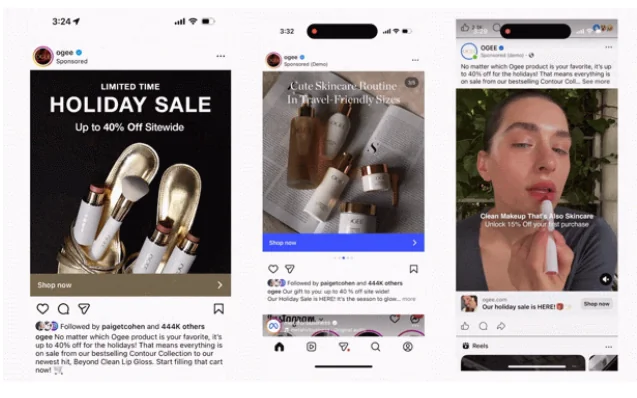
Non esiste un numero fisso di variazioni che si adatta a ogni campagna. Il tuo budget, la dimensione del pubblico, la spesa giornaliera e la capacità di produzione dovrebbero guidare quanti asset prepari.
Ogni campagna dovrebbe anche migliorare il prossimo ciclo creativo. Chiediti:
- Quali hook hanno catturato l'attenzione più velocemente?
- Quali creator hanno costruito più fiducia?
- Quale messaggio ha abbassato il CPA?
- Quale formato ha generato un engagement significativo?
- Quali obiezioni sono apparse nei commenti?
- Quali concetti hanno funzionato su diversi segmenti di pubblico?
- Quali pattern creativi hanno continuato a fallire?
Queste decisioni diventano più facili quando i dati di creator e campagna si trovano nello stesso posto. Un dashboard di reporting e analytics per influencer può aiutarti a confrontare i creator per visualizzazioni, click, referral, vendite e ROAS, così i performer più forti possono informare il tuo prossimo creative brief.
Usa le risposte per migliorare i tuoi creative brief, script, selezione dei creator, priorità di messaging e futuri A/B test. Mantieni un semplice registro di ciò che ha funzionato, di ciò che ha fallito e di ciò che merita un'altra variazione.
Questo crea un ciclo ripetibile:
Lancio → Misurazione → Apprendimento → Refresh → Test di nuovo
Conclusione
La fatica creativa è una parte normale della pubblicità a pagamento. La chiave è rispondere a veri trend di performance e comportamenti del pubblico invece di seguire una pianificazione di refresh fissa.
I team forti migliorano le esecuzioni vincenti, testano nuovi concetti e documentano quello che imparano. Un sistema creativo ripetibile ti aiuta a reagire prima, sprecare meno budget e mantenere le performance della campagna stabili per più tempo.
Se produrre un flusso costante di creative di alta qualità sta diventando un collo di bottiglia, lavorare con un partner affidabile di produzione creativa può aiutarti a continuare a testare senza sovraccaricare il tuo team interno.
Summary
This is some text inside of a div block.
This is some text inside of a div block.
Pricing/Month
Shopify Reviews
This is some text inside of a div block.
This is some text inside of a div block.
This is some text inside of a div block.
This is some text inside of a div block.
This is some text inside of a div block.
This is some text inside of a div block.
This is some text inside of a div block.
This is some text inside of a div block.
This is some text inside of a div block.
This is some text inside of a div block.
This is some text inside of a div block.
This is some text inside of a div block.
This is some text inside of a div block.
This is some text inside of a div block.
This is some text inside of a div block.
This is some text inside of a div block.
This is some text inside of a div block.
This is some text inside of a div block.
This is some text inside of a div block.
This is some text inside of a div block.
This is some text inside of a div block.
Read More

FAQs




Most Popular Blogs


Ready to achieve 10X+ ROI?
Schedule a Demo with one of our media experts below.