
Top 10 Influencer Reporting & Analytics Tools
March 20, 2026
|
Published

July 30, 2026
|
Updated

|
Reading

Influencer Performance Marketing Course | VOUCHER: IMC100

Lucía Zabala
I Author
Drive ROI With Influencers

Global Influencer Database
ALL-IN-ONE platform
CRM, Affiliate, UGC & More
Top 10 Influencer Reporting & Analytics Tools
Das moderne Influencer Marketing hat sich von einfachen Eitelkeitskennzahlen zu einem rigorosen Fokus auf prädiktive ROI und Echtzeit-Verkaufsattribution verschoben. Im Jahr 2026 müssen die führenden Reporting-Tools die Lücke zwischen Social Engagement und Ertrag schließen, um wachsende Budgets zu rechtfertigen.
Erfolgreiche Marken verlassen sich nicht mehr auf manuelle Anstrengungen, um ihre globale Auswirkung über fragmentierte Plattformen hinweg zu verfolgen. Die folgenden Tools nutzen KI-gestützte Betrugserkennung und direkte E-Commerce-Integrationen, um eine klare, automatisierte Ansicht der Kampagnenleistung zu bieten.
Hier sind die Top 10 Tools, die wir heute erkunden werden:
Was Sie in einem Reporting-Tool suchen sollten
Im Jahr 2026 ist ein Reporting-Tool, das nur Likes und Kommentare zählt, im Grunde ein aufgemotztes Tabellenkalkulationsprogramm. Um wirklich zu skalieren, muss Ihr Analytics-Stack über oberflächliche Daten hinausgehen und verwertbare Erkenntnisse bieten, die Inhalte von Creatorn mit Geschäftswachstum verbinden.
Bei der Bewertung einer Plattform sollten Sie diese vier Säulen des modernen Influencer Reportings priorisieren:
- First-Party-Daten & API-Integrität: Mit strengeren Datenschutzgesetzen werden „gekratzte" Daten zunehmend ungenau. Stellen Sie sicher, dass Ihr Tool direkte API-Integrationen mit Plattformen wie TikTok, Instagram und YouTube hat, um verifizierte, Echtzeit-Metriken direkt aus der Quelle abzurufen.
- Vollständige Funnel-Attribution: Die besten Tools zeigen nicht nur Reichweite; sie verfolgen die gesamte Customer Journey. Suchen Sie nach einer nahtlosen Synchronisierung mit E-Commerce-Backends (Shopify, Amazon, WooCommerce), um die Kundenakquisitionskosten (CAC) und den durchschnittlichen Bestellwert (AOV) pro Creator zu überwachen.
- KI-gestützte Audience-Audits: Authentizität ist die ultimative Währung. Ihr Tool sollte eine fortgeschrittene Betrugserkennung aufweisen, die verdächtiges Follower-Wachstum oder „Bot-lastige" Engagement kennzeichnet und sicherstellt, dass Ihr Budget nicht für nicht-menschliche Zielgruppen verschwendet wird.
- Sentiment- und Brand-Safety-Analyse: Hohes Engagement kann manchmal negativ sein. Fortgeschrittene Tools nutzen jetzt Natural Language Processing (NLP), um Kommentare als positiv, neutral oder negativ zu kategorisieren und bieten einen qualitativen Bericht darüber, wie sich Ihre Zielgruppe wirklich zu Ihrer Marke fühlt.
Auswahlkriterien: Wie wir die besten Reporting- und Analytics-Tools bewertet haben
Die Wahl des richtigen Data Stacks sollte sich nicht wie Ratespiele anfühlen. Wir haben das Feld eingegrenzt, indem wir uns auf fünf wesentliche Säulen konzentrierten, die eine leistungsstarke Analyseumgebung definieren.
Datenintegration & Konnektivität
Wir haben Tools priorisiert, die native Konnektoren zu verschiedenen Quellen wie Snowflake, BigQuery und SaaS-APIs bieten. Eine erstklassige Plattform muss Daten nahtlos erfassen, ohne dass ständige manuelle Pipeline-Wartung oder großer technischer Aufwand erforderlich ist.
Visualisierung & Anpassung
Reporting handelt von Klarheit. Wir bewerteten Plattformen basierend auf ihrer visuellen Flexibilität und suchten nach erweiterten Diagrammoptionen und interaktiven Funktionen, die Rohdaten in verwertbare Narrationen umwandeln.
Skalierbarkeit und Leistung
Geschwindigkeit ist nicht verhandelbar. Wir testeten, wie jedes Tool mit großen Datenmengen und gleichzeitigen Benutzern umgeht, um sicherzustellen, dass Dashboards durch effizientes Caching und optimierte Abfrageverarbeitung reaktionsschnell bleiben, selbst wenn Ihre Daten wachsen.
Benutzerfreundlichkeit
Die besten Tools schließen die Lücke zwischen Datenexperten und Geschäftsbenutzern. Wir suchten nach intuitiven Drag-and-Drop-Oberflächen, die Selbstbedienungserkennung für nicht-technische Teamkollegen ermöglichen, während sie gleichzeitig robuste Umgebungen für fortgeschrittene Benutzer bieten.
Sicherheit und Governance
Datenintegrität und Schutz sind von größter Bedeutung. Unsere Auswahl konzentriert sich auf Tools mit Enterprise-Grade-Sicherheit, einschließlich Row-Level Security (RLS), SOC2-Compliance und klarem Permission Management, um sensible Informationen in die richtigen Hände zu legen.
Top 10 Influencer Reporting & Analytics Tools
Influencer Hero

Influencer Hero ist eine kampagnenorientierte Influencer-Marketing-Plattform für DTC- und eCommerce-Marken, die strukturierte Automatisierung und ROI-Transparenz wünschen. Sie kombiniert Discovery, Outreach, Gifting, Affiliate-Tracking, UGC-Erfassung und Zahlungen in ein straffes CRM-gestütztes System.
Am besten geeignet für: Wachsende DTC-Marken und eCommerce-Teams, die strukturierte Influencer-Programme skalieren.
Plattformabdeckung: Instagram, TikTok, YouTube, Facebook, Pinterest, Snapchat, X (Twitter), Twitch.
Preise: 649–2.490 USD/Monat + benutzerdefinierte Pläne.
Bewertungen: 5,0 / 5,0 (Capterra).
Benutzerfreundlichkeit
Die Plattform ist um visuelle Kampagnen-Boards und Massenautomatisierung herum aufgebaut und macht sie intuitiv für umfangreiche Outreach-Kampagnen. Teams, die Hunderte oder Tausende von Creators verwalten, profitieren von ihren strukturierten Workflows und dem Drag-and-Drop-System.
Kundenunterstützung
Influencer Hero bietet reaktiven Live-Chat, Onboarding-Sitzungen und praktische Unterstützung. Kundenfeedback hebt proaktive Beratung und schnelle Lösungszeiten hervor.
Herausragende Funktionen
- Attribution über den gesamten Funnel: Echtzeit-Synchronisierung mit eCommerce-Plattformen zur Verfolgung von ROAS, CAC und AOV direkt für den spezifischen Creator und die Kampagne.
- Automatische Content-Erfassung: Erkennt und archiviert automatisch alle markierten Stories, Reels und Posts und stellt sicher, dass keine Inhalte für die Berichterstellung verloren gehen.
- Influencer-Konkurrenzenbericht: Personalisierte Analyse, die von Experten zusammengestellt wird und zeigt, wie Ihre Influencer- und Social-Performance im Vergleich zu Ihren Top-Konkurrenten abschneidet.
- Earned Media Value (EMV): Quantifiziert den finanziellen Wert der organischen Exposition und bietet eine Dollarmetrik für Markenbekanntheitsgrad und Engagement.
- Affiliate- & Revenue-Dashboard: Ein dediziertes Portal zur Überwachung der Echtzeit-Nutzung von Gutscheincodes, Affiliate-Link-Performance und automatisierte Provisionsauszahlungen.
Vor- & Nachteile
Vorteile
CRM-Automatisierungstiefe: Strukturierter und skalierbarer als tabellenkalkulationsbasierte Workflows.
Multi-Plattform-Unterstützung: Deckt 8 große soziale Netzwerke in einem System ab.
Starkes ROI-Tracking: Klare Umsatzzuordnung pro Creator und Kampagne
Nachteile
Begrenzte Enterprise-Social-Listening: Nicht so PR-fokussiert wie umfangreiche Enterprise-Tools.
Unsere Erkenntnisse
Influencer Hero ist auf operative Effizienz und Performance-Skalierung ausgelegt und nicht auf PR-orientierte Markenbekanntheitsprogramme. Es zeichnet sich dadurch aus, dass das Ziel einer Marke messbarer ROI, Wachstum der Affiliate-Einnahmen und automatisierte Outreach im großen Maßstab ist. Für eCommerce-Teams, die strukturierte Systeme ohne jährliche Kosten von 30.000 bis 100.000 USD wünschen, bietet es eines der stärksten Kosten-Leistungs-Verhältnisse auf dem Markt. Marken, die jedoch tiefe Konkurrenzanalysen oder komplexe multinationalen Governance benötigen, könnten Enterprise-Tools besser geeignet finden.
2. GRIN
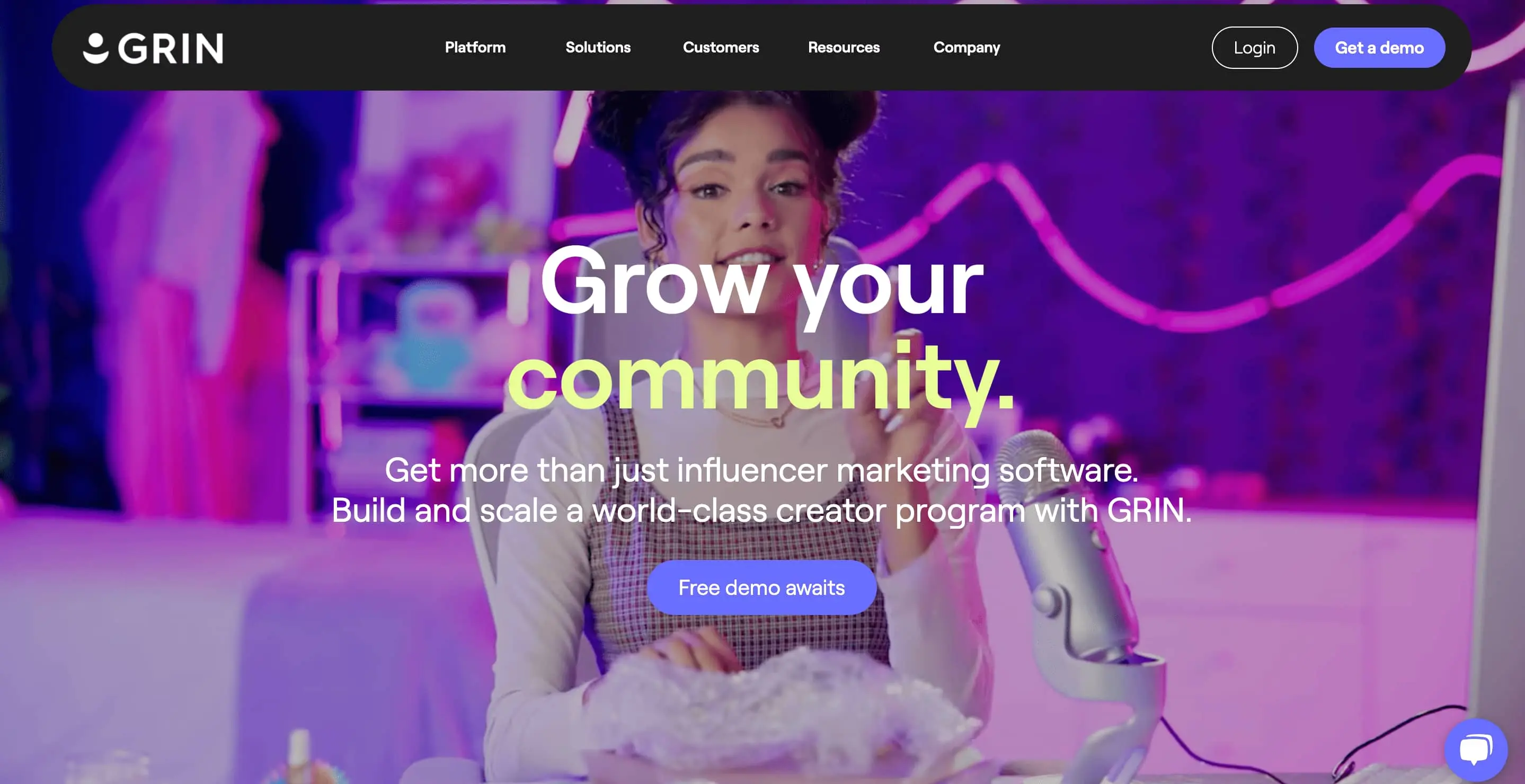
GRIN ist eine umfassende Influencer-Marketing-Plattform für DTC- und eCommerce-Marken, die auf Creator-Beziehungen und UGC-Besitz fokussieren. Sie zentralisiert Influencer-Discovery, Affiliate-Tracking, Zahlungen und Content-Management in einem Shopify-integrierten Ökosystem.
Am besten geeignet für: Mittelständische bis große eCommerce-Marken, die langfristige Creator-Partnerschaften wünschen.
Plattformabdeckung: Instagram, TikTok, YouTube, X (Twitter), Twitch, Snapchat.
Preise: Beginnt bei ~25.000 USD/Jahr (12-Monate Vertragslaufzeit).
Bewertungen: 4,5 / 5,0 (G2).
Benutzerfreundlichkeit
GRIN ist funktionsreich und leistungsstark, erfordert aber ein Onboarding, um seine CRM- und KI-Tools vollständig zu nutzen. Größere Teams profitieren am meisten von seinen strukturierten Workflows.
Kundenunterstützung
GRIN bietet Implementierungs-Manager und dedizierte Success-Teams. Enterprise-Level-Support ist ein großer Verkaufsvorteil für Langzeit-Kunden.
Besondere Funktionen
- GRIN Intelligent Assistant (Gia): KI-gestützte Creator-Vorschläge und Workflow-Optimierung.
- Activation Benchmarking: Setzt Leistungsmeilensteine basierend auf Branchenstandards fest, sodass Sie Ihre Kampagnenergebnisse in Echtzeit mit ähnlichen Marken vergleichen können.
- Automatisiertes ROI-Tracking: Attributiert Verkäufe, Anmeldungen und Konversionen direkt zu spezifischen Creatorn durch Integration mit Ihrem eCommerce-Backend (Shopify, Magento usw.).
- Creator-Vitalitätsberichte: Zentralisiert Programm-, Kampagnen- und einzelne Creator-Daten in einem einzigen Dashboard, um leistungsstarke langfristige Partner zu identifizieren.
- Echtzeit-Engagement-Analytics: Ruft automatisch Live-Metriken ab – einschließlich Reichweite, Impressionen und Follower-Wachstum –, um manuelle Dateneingaben zu vermeiden.
Vor- und Nachteile
Vorteile
Unbegrenzte Skalierung: Keine Beschränkung bei Influencer-Partnerschaften.
Starke UGC-Rechte-Kontrolle: Integrierte Medien-Wiederverwendungsvereinbarungen.
Tiefe Shopify-Integration: Optimiert für DTC-Umsatzverfolgung.
Nachteile
Hohe Einstiegskosten: Beginnt bei 25.000 US-Dollar pro Jahr.
Keine nativen Paid-Ads-Tools: Beinhaltet kein integriertes Content-Boosting.
Unsere Erkenntnisse
GRIN zeichnet sich durch den Aufbau langfristiger Ambassador-Ökosysteme aus, nicht durch einmalige Kampagnen. Seine UGC-Rechteverwaltung und unbegrenzte Partnerschaften sind große Vorteile für die Skalierung von DTC-Marken, die stark auf Creator-Content angewiesen sind. Der Kompromiss ist die Preisbarrierefreiheit – kleinere Marken können die jährliche Verpflichtung möglicherweise schwer rechtfertigen, es sei denn, Influencer-Marketing ist bereits ein primärer Wachstumschannel.
-
3. CreatorIQ

CreatorIQ ist eine Enterprise-Grade-Influencer-Marketing-Plattform für globale Marken, die komplexe Programme auf mehreren Märkten verwalten. Sie legt Wert auf Datengenauigkeit, Compliance und Executive-Level-Reporting.
Ideal für: Globale Enterprise-Marken.
Plattform-Abdeckung: Instagram, TikTok, YouTube, Facebook, Pinterest, Twitch, X (Twitter).
Preisgestaltung: 35.000–200.000 USD/Jahr (nur jährlich).
Benutzerfreundlichkeit
CreatorIQ ist datenintensiv und für strukturierte Teams mit Stakeholder-Workflows konzipiert. Es erfordert Training, wird aber nach der Konfiguration leistungsstark.
Kundenunterstützung
Dedizierte Implementierungs-Manager und strategische Beratung sind inbegriffen. Enterprise-Kunden erhalten laufende Planung und Performance-Anleitung.
Besondere Funktionen
- Semantic AI Search: Granulare Filterung mit Keywords, Zielgruppenmerkmalen und Content-Themen.
Earned Media Value (EMV) Analysis: Verwendet proprietäre KI, um die finanzielle Gesamtauswirkung von Creator-Content zu berechnen und Marken global nach ihrem digitalen Einfluss zu bewerten. - SafeIQ Brand Safety Scoring: Eine KI-native Infrastruktur, die Jahre von historischen Inhalten überprüft, um Risiken im Zusammenhang mit Hassreden, sensiblen Themen oder „NSFW"-Bildern zu kennzeichnen.
- The Creator Graph: Ein massives Intelligenz-System, das täglich über 123 Millionen Beiträge verarbeitet, um prädiktive Performance-Insights und Trend-Forecasting bereitzustellen.
- Unified Paid & Organic Reporting: Überbrückt die Lücke zwischen gesponserten Kampagnendaten und organischen Markenerwähnungen für einen ganzheitlichen Überblick über Ihren gesamten Social-Media-Fußabdruck.
Vor- und Nachteile
Vorteile
Enterprise-Analyse-Tiefe: API-gestütztes Echtzeit-Reporting.
Global Governance Tools: Gebaut für Multi-Market-Koordination.
Executive-Reporting-Dashboards: Konzipiert für Sichtbarkeit auf Board-Ebene.
Nachteile
Hohe Jahreskosten: Der Einstiegsplan beginnt bei 35.000 USD pro Jahr.
Zusatzkosten: Creator Connect erfordert zusätzliche 15.000 USD pro Jahr.
Unsere Erkenntnisse
CreatorIQ ist für Skalierbarkeit, Governance und Datentransparenz konzipiert. Es geht weniger um schnelle Kontaktaufnahme und mehr um globale Markenkontrolle und Executive Reporting. Große Organisationen mit mehreren Interessengruppen, Märkten und Compliance-Anforderungen profitieren am meisten, während kleinere Teams es möglicherweise als überentwickelt für ihre Anforderungen empfinden.
4. Archive
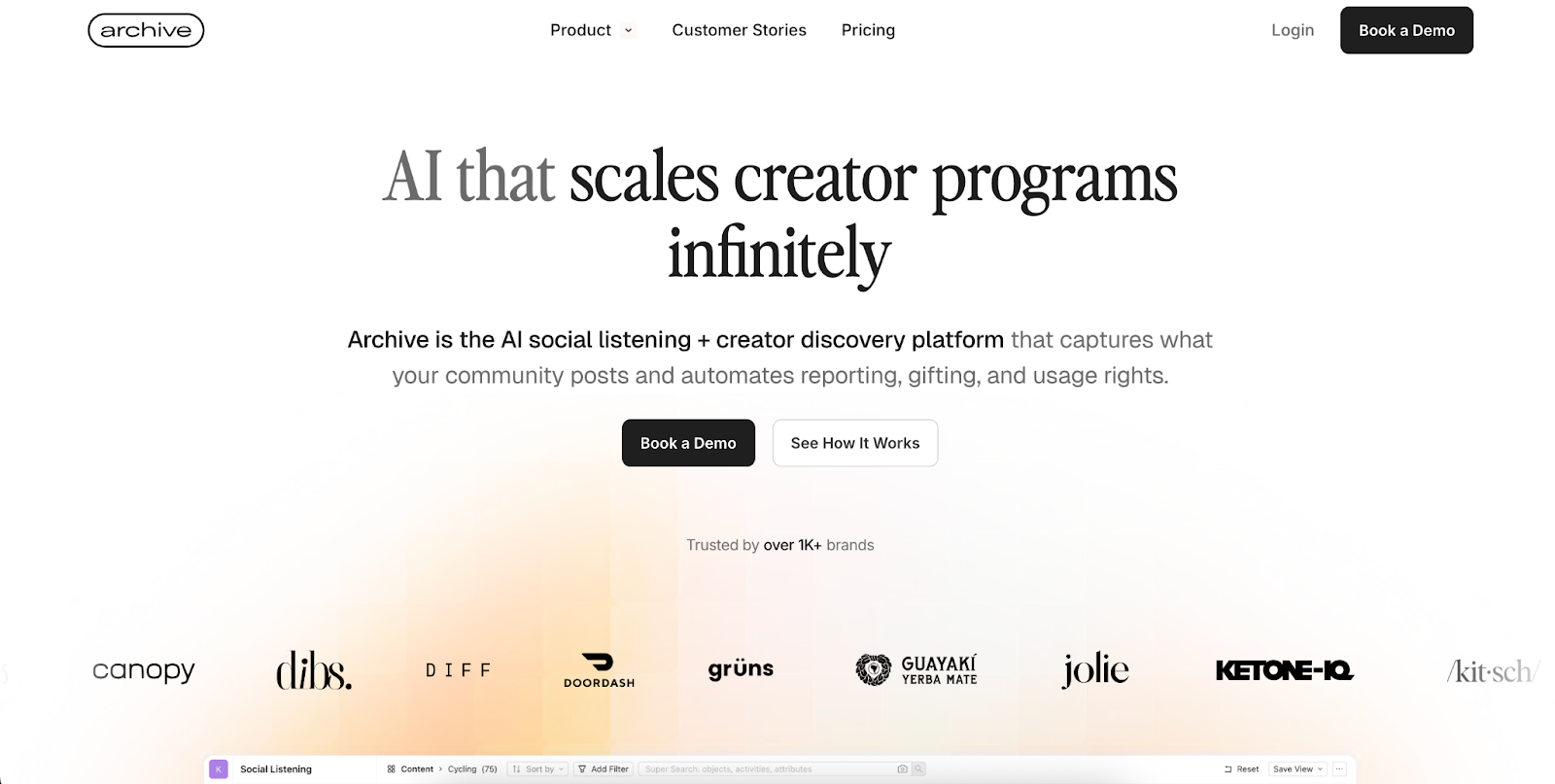
Archive ist ein inhaltsgestütztes Influencer-Marketing-Tool, das speziell für die Verfolgung, Speicherung und Analyse von Creator-generierten Inhalten entwickelt wurde. Anstatt als vollständige Outreach-CRM zu funktionieren, spezialisiert es sich auf automatisierte UGC-Erfassung und Wettbewerbsüberwachung von Inhalten.
Ideal für: Marken, die die Verfolgung von Influencer-Inhalten und Wettbewerbsbenchmarking der Outreach-Automatisierung vorziehen.
Plattformabdeckung: Hauptsächlich Instagram und TikTok (Fokus auf Inhaltsüberwachung).
Preisgestaltung: Benutzerdefinierte Preisgestaltung (nicht öffentlich aufgelistet).
Bewertungen: Starker Ruf in der Nische der Inhaltsverfolgungs-Kategorie.
Benutzerfreundlichkeit
Archive bietet eine saubere, minimale Benutzeroberfläche, die sich auf Inhaltsvisibilität anstelle von Kampagnen-Workflows konzentriert. Es ist unkompliziert für Marketing-Teams, die eine einsatzbereite Überwachung ohne CRM-Komplexität möchten.
Kundenunterstützung
Der Support folgt einem Standard-SaaS-Modell mit Onboarding-Unterstützung und laufendem Help-Desk-Zugang. Benutzer berichten über zuverlässigen Support, aber nicht auf Enterprise-Ebene mit strategischer Beratung.
Herausragende Funktionen
- Automatisierte Inhaltserfassung: Erfasst und speichert automatisch Influencer-Posts, die mit Ihrer Marke verknüpft sind.
- Wettbewerbsüberwachung: Verfolgen Sie Wettbewerber-Kooperationen und Trends bei markengebundenen Inhalten.
- Intelligente KI-Felder: Nutzt KI, um gespeicherte Inhalte automatisch mit spezifischen Produktnamen, Kampagnienkategorien und Stimmungswerten zu taggen für durchsuchbare Daten.
- Shoppable UGC-Analytik: Verfolgt den direkt generierten Umsatz aus „Shoppable Feeds" auf Ihrer Website und zeigt, wie archivierte Influencer-Inhalte Besucher konvertieren.
- Creator-Rangliste: Ordnet jede Person, die Ihre Marke getaggt hat, nach ihren Leistungskennzahlen, um Ihnen dabei zu helfen, organische Befürworter zu identifizieren und sie in bezahlte Rollen zu überführen.
Vor- und Nachteile
Vorteile
Inhaltsvisibilität im Fokus: Stärker bei der Verfolgung von Influencer-Inhalten als die meisten CRM-first-Plattformen.
Wettbewerbsintelligenz: Hilft Marken, die Creator-Partnerschaften ihrer Wettbewerber zu verstehen.
Nachteile
Keine nativen Outreach-Tools: Keine integrierten Influencer-Messaging- oder E-Mail-Automatisierungsfunktionen.
Keine Affiliate- oder Gifting-Workflows: Nicht für Attribution oder Produktseeding-Verwaltung entwickelt.
Unsere Erkenntnisse
Archive ist am besten als Zusatztool positioniert anstelle einer primären Influencer-Marketing-Plattform. Marken, die bereits Kampagnen anderswo durchführen, können Archive nutzen, um Inhalte zu zentralisieren, Wettbewerber zu benchmarken und die Berichterstattungseffizienz zu verbessern. Teams, die Entdeckung, Outreach, Zahlungen oder Affiliate-Automatisierung suchen, müssen es jedoch mit einer vollständigen Influencer-CRM-Lösung kombinieren.
5. HypeAuditor
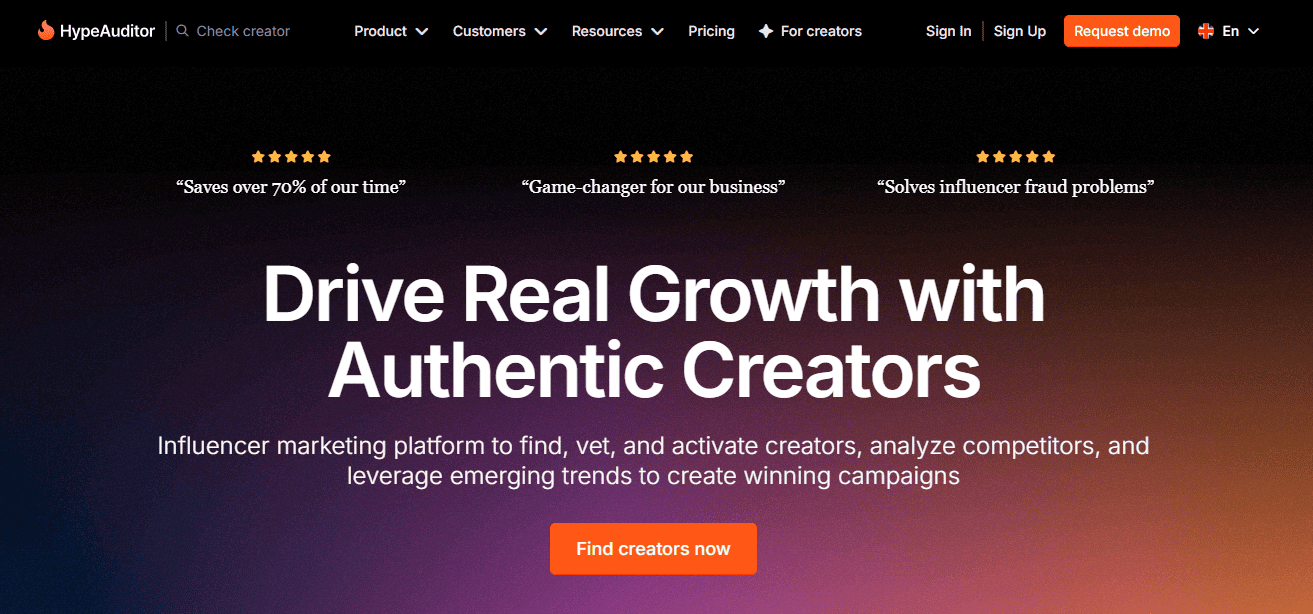
HypeAuditor ist eine analytisch orientierte Influencer-Marketing-Plattform, die sich auf Authentizitätsprüfung, Zielgruppenanalyse und Markensicherheit konzentriert. Sie ist weit verbreitet für ihre Betrugserkennung und Influencer-Überprüfungsfunktionen bekannt.
Ideal für: Marken, die Influencer-Authentizität, Zielgruppenqualität und Risikominderung priorisieren.
Plattformabdeckung: Instagram, TikTok, YouTube, Twitch, X (Twitter), Snapchat.
Preisgestaltung: Benutzerdefinierte Preisgestaltung; 24–48 Stunden kostenlose Testversion verfügbar.
Bewertungen: Starker Ruf für Analytik-Genauigkeit.
Benutzerfreundlichkeit
Die Benutzeroberfläche ist datenreich und filterintensiv und für Teams konzipiert, die tiefe Zielgruppenanalytik schätzen. Obwohl leistungsstark, kann die Menge der Metriken eine leichte Lernkurve für Erstnutzer schaffen.
Kundenunterstützung
HypeAuditor bietet Demo-Onboarding, Schulungsmaterialien und Account-Support. Die Support-Qualität ist konsistent, obwohl sie weniger beratungsorientiert ist als bei unternehmensorientierten Plattformen.
Herausragende Funktionen
- Audience Quality Score (AQS): Eine 1–100-Metrik, die die Authentizität der Follower eines Creators bewertet, indem sie „Bot-lastige" Engagements und verdächtige Wachstumsmuster kennzeichnet.
- Pre-Launch Performance Forecast: Nutzt historische Daten, um die Reichweite und das Engagement vorherzusagen, das ein bestimmter Creator wahrscheinlich erreichen wird, bevor Sie einen Vertrag unterzeichnen.
- Competitor Media Budget Estimates: Analysiert Kampagnen rivalisierender Marken, um ihre Influencer-Ausgaben, Reichweite und die spezifischen Creator zu schätzen, auf die sie abzielen.
- Global Market Trends Research: Bietet On-Demand-Berichte zu nischenspezifischen Benchmarks und zeigt, wie sich die Engagement-Raten über verschiedene Länder und Plattformen hinweg verschieben.
Vor- und Nachteile
Vorteile
Best-in-Class Betrugserkennung: Stärkere Authentizitätsmetriken als die meisten CRM-fokussierten Tools.
Tiefe Audience-Insights: Umfangreiche demografische und Affinitätsdaten.
Nachteile
Begrenzte CRM-Workflow-Automatisierung: Nicht um strukturierte Outreach-Pipelines aufgebaut.
Weniger ROI-Attributionstiefe: Affiliate-Tracking ist nicht der primäre Fokus.
Unsere Erkenntnisse
HypeAuditor glänzt, wenn Markensicherheit und Authentizität nicht verhandelbar sind. Es ist besonders wertvoll für Branchen wie Finanzen, Gesundheit und Enterprise-Einzelhandel, in denen die Glaubwürdigkeit von Influencern direkt die Markenreputation beeinflusst. Als Kampagnenausführungs-Engine fehlt ihm jedoch die Workflow-Automatisierungstiefe von CRM-zentrierten Plattformen.
6. Traackr
Traackr ist eine unternehmensorientierte Influencer-Marketing-Plattform, die sich auf ROI-Optimierung, Benchmarking und globales Programmmanagement konzentriert. Sie positioniert sich als Performance-Intelligence-System statt als leichtes Outreach-Tool.
Am besten geeignet für: Unternehmensmarken, die tiefes ROI-Tracking und Multi-Market-Koordination benötigen.
Plattform-Abdeckung: Instagram, TikTok, YouTube, Facebook, Pinterest, X (Twitter), LinkedIn, Snapchat, Twitch.
Preisgestaltung: Beginnt bei 32.500 $/Jahr (nur jährlich).
Bewertungen: 4,3 / 5,0 (G2).
Benutzerfreundlichkeit
Traackr ist hochgradig ausgereift und für strukturierte globale Teams entwickelt. Obwohl die Bedienung nach dem Onboarding intuitiv ist, erfordert die Tiefe der Berichte und des Benchmarkings eine Schulung.
Kundenunterstützung
Enterprise-Kunden erhalten High-Touch-Onboarding und dedizierte Account Manager. Strategische Beratung und technischer Support sind Schlüsselkomponenten des Angebots.
Herausragende Funktionen
- Brand Vitality Score (BVS): Eine proprietäre Metrik, die den „Puls" Ihrer Marke quantifiziert, indem sie Sichtbarkeit, Audience-Vertrauen und Auswirkungen im Vergleich zu Ihren Konkurrenten misst.
- Budget Optimization Calculator: Empfiehlt ideale Ausgabenniveaus für jeden Creator basierend auf ihrem historischen Cost-per-Engagement (CPE) und Cost-per-View (CPV).
- Enterprise-Grade Compliance Tracking: Überwacht automatisch Influencer-Posts auf FTC-Disclosure-Compliance und Brand-Safety-Verstöße über globale Märkte hinweg.
- Cross-Market Benchmarking: Vergleicht Ihre Leistung über verschiedene Regionen und Sprachen und bietet einen standardisierten Rahmen für globale Berichterstattung.
Vor- und Nachteile
Vorteile
Enterprise Benchmarking Tiefe: Starke Einblicke in die Wettbewerbsleistung.
Globale Skalierbarkeit: Entwickelt für Multi-Country-Kampagnen.
Nachteile
Hohe Preis-Hürde: Einstiegspreis beginnt bei 32.500 $ pro Jahr
Komplexe Oberfläche: Erweiterte Funktionen erfordern Onboarding und Schulung.
Unsere Erkenntnisse
Traackr ist für Organisationen entwickelt, die Influencer Marketing als Data-Science-Disziplin betreiben. Es glänzt bei Benchmarking, Budget-Allokations-Optimierung und Executive-Level-Berichterstattung. Für kleinere Teams können jedoch die Kosten und die Komplexität die Vorteile überwiegen, es sei denn, Influencer Marketing ist bereits ein reifer Kanal innerhalb der Organisation.
7. Modash

Modash ist eine auf Discovery spezialisierte Influencer-Marketing-Plattform, die auf Skalierbarkeit und Affiliate-Automatisierung ausgerichtet ist. Sie bietet Zugriff auf über 350 Millionen öffentliche Creator-Profile ohne dass Opt-in-Datenbanken erforderlich sind.
Am besten geeignet für: Marken, die eine umfangreiche Creator-Entdeckung und Shopify-basierte Affiliate-Skalierung anstreben.
Plattformabdeckung: Instagram, TikTok, YouTube.
Preisgestaltung: $199–$499/Monat (jährliche Abrechnung).
Bewertungen: Starker Ruf für Discovery-Tools.
Benutzerfreundlichkeit
Modash bietet eine saubere und fokussierte Benutzeroberfläche mit Schwerpunkt auf Suche, Filterung und Outreach-Verwaltung. Die Arbeitsabläufe sind optimiert und ermöglichen einfache Übergänge von der Entdeckung zum Kontakt.
Kundenbetreuung
Die Plattform bietet Onboarding-Unterstützung und reaktionsschnelle Hilfe. Benutzer heben häufig hilfreiche Anleitung beim Kampagnen-Setup hervor.
Besondere Funktionen
- Brand Collaborations API: Erfasst Echtzeit-Daten von Millionen Creatorn über Instagram, TikTok und YouTube, um genaue Nachverfolgung von gesponserten Beiträgen und Aufrufen bereitzustellen.
- Performance vs. Volume Analysis: Erweiterte Diagramme, die monatliches Beitragsvolumen gegen Gesamtaufrufe vergleichen und Teams helfen, zu ermitteln, welche Monate die höchste Content-Effizienz erzielen.
- Influencer Average View Tiers: Segmentiert Ihre Creator-Partner nach durchschnittlichen Aufrufen pro Beitrag (nicht nur Follower-Zahl), um eine genauere Vorhersage der Kampagnenwirkung und Preisgestaltung zu ermöglichen.
- Global Market Penetration: Detaillierte geografische Berichte, die Ihre Influencer-Aktivität nach Land und Stadt aufschlüsseln und sicherstellen, dass Ihre Reichweite mit Ihren wichtigsten Vertriebsgebieten übereinstimmt.
Vor- und Nachteile
Vorteile
Massive Discovery-Skalierung: Breiterer Zugriff als reine Opt-in-Plattformen.
Starke Affiliate-Automatisierung: Entwickelt für umsatzgesteuerte Kampagnen.
Nachteile
Begrenzte eCommerce-Integrationen: Nur Integration mit Shopify.
Keine integrierte UGC-Lizenzierung: Inhaltswiederverwendung muss manuell über Verträge gehandhabt werden.
Unsere Erkenntnisse
Modash ist besonders stark für Marken, die Breite bei der Entdeckung und leistungsbasierte Influencer-Programme priorisieren. Die AI-Visual-Suche gehört zu den innovativsten in der Kategorie. Allerdings könnten Marken, die eine tiefere CRM-Governance oder UGC-Lizenzierungsinfrastruktur anstreben, feststellen, dass es eher Discovery-fokussiert als operativ umfassend ist.
8. Aspire
Aspire ist eine End-to-End-Influencer-Marketing-Plattform, bekannt für ihre Integrationen von First-Party-Social-Daten und einen Inbound-Creator-Marketplace. Sie verbindet strukturierte Workflow-Automatisierung mit starken Creator-Rekrutierungsfähigkeiten.
Am besten geeignet für: Marken, die Inbound-Creator-Anwendungen kombiniert mit Workflow-Automatisierung anstreben.
Plattformabdeckung: Instagram, TikTok, YouTube.
Preisgestaltung: Beginnend bei ca. $2.300/Monat (anpassbare Ebenen).
Benutzerfreundlichkeit
Der Workflow von Aspire ist strukturiert, aber intuitiv, sobald Kampagnen konfiguriert sind. Automatische Nachverfolgungen und Content-Genehmigungstools vereinfachen die Kampagnenausführung.
Kundenbetreuung
Aspire weist während des Onboarding einen Implementierungs-Manager und danach einen dedizierten Success-Manager zu. Support wird häufig als Stärke hervorgehoben.
Besondere Funktionen
- Word-of-Mouth Attribution: Eine spezialisierte Berichtssuite, die den Übergang von organischen Erwähnungen zu zugeordneten Verkäufen verfolgt und sich auf die langfristige ROI von Brand-Botschaftern konzentriert.
- TikTok Shop Analytics: Direkte Integration mit TikTok Shop zur Überwachung von Echtzeit-Produktverkäufen, verkauften Einheiten und Umsatz, die von bestimmten Creatorn innerhalb der Plattform generiert werden.
- UGC Licensing & Ad Performance: Verfolgt die Effizienz von Creator-Inhalten, die als bezahlte Anzeigen umgenutzt werden, und berichtet über Metrik-Verbesserungen wie 4x niedrigere CPC oder 40% bessere CPM.
- Anpassbare Performance-Dashboards:Visuelle Berichte auf hoher Ebene für Stakeholder, die Impressionen, Engagement und Verkaufsdaten in einer teilbaren „Campaign Health"-Ansicht zusammenfassen.
- Shopify Gifting Integration: Nahtlose Verfolgung der Produkterfüllung.
Vor- und Nachteile
Vorteile
Starke eingehende Rekrutierung: Reduziert den Aufwand für kalte Kontaktaufnahme.
Zuverlässige Datengenauigkeit: First-Party-Plattformintegrationen erhöhen das Vertrauen in die Metriken.
Nachteile
Höhere Preise im Mid-Market-Segment: Kann für kleinere Marken teuer sein.
Begrenzte Plattformvielfalt: Konzentriert sich hauptsächlich auf große visuelle Plattformen.
Unsere Erkenntnisse
Aspire balanciert Enterprise-Level-Zuverlässigkeit mit marktplatzgesteuerten Sourcing aus. Es reduziert prospecting-Bemühungen durch direkte Bewerbungen von Creator. Für Marken, die Rekrutierungsskalierbarkeit und strukturierte Workflows priorisieren, bietet es eine überzeugende Mischung aus Automatisierung und eingehender Zusammenarbeit.
9. Upfluence

Upfluence ist eine All-in-One-Influencer-Marketing-Plattform mit starken Shopify- und Amazon-Integrationen. Sie konzentriert sich darauf, bestehende Kunden in Brand-Advocate zu verwandeln.
Am besten geeignet für: Shopify- und Amazon-Verkäufer, die sich auf ROI-Attribution konzentrieren.
Plattformabdeckung: Instagram, TikTok, YouTube, X, Twitch, Pinterest, WordPress.
Preise: ~1.276 USD/Monat (jährlicher Vertrag erforderlich).
Benutzerfreundlichkeit
Upfluence ist robust, erfordert aber möglicherweise ein Onboarding, um alle Funktionen vollständig zu nutzen. Die Benutzeroberfläche balanciert CRM-Verwaltung mit Affiliate-Tracking-Tools aus.
Kundenbetreuung
Die Plattform bietet Onboarding-Unterstützung und strategische Beratung. Die Vertragsrigidität schränkt jedoch die Flexibilität für Kurzzeitnutzer ein.
Herausragende Funktionen
- Amazon Attribution Integration: Eine einzigartige Analyseschnittstelle, die Influencer-Inhalte direkt mit den in Ihren Amazon-Store-Listings generierten Umsätzen verbindet.
- Social Listening & Mention Monitoring: Verfolgt Brand-Hashtags und Erwähnungen, um zu identifizieren, welche organischen Gespräche den meisten Traffic treiben und „den Unterschied machen".
- Lifecycle Sales Metrics: Geht über einmalige Kampagnenstatistiken hinaus, um Customer Lifetime Value (CLV) und Average Order Value (AOV) von Creator-verwiesenen Kunden zu berichten.
- Automatisierte Gutschein- & Link-Verfolgung: Generiert und überwacht eindeutige Promo-Codes in Shopify, WooCommerce und Magento und bietet einen sofortigen Überblick über die Konversionsraten pro Partner.
Vor- und Nachteile
Vorteile
Starke Amazon-Integration: Robuster als die meisten Konkurrenten.
End-to-End ROI-Verfolgung: Verkaufsattribution durch Shopify und Amazon.
Nachteile
Jährliche Verpflichtung erforderlich: Keine monatliche Flexibilität.
Begrenzte Vertragsflexibilität: Weniger anpassbar für kurzfristige Kampagnen.
Unsere Erkenntnisse
Upfluence ist besonders attraktiv für Marken, die stark auf Amazon-Umsatzverfolgung angewiesen sind. Seine Fähigkeit, treue Kunden in Influencer umzuwandeln, schafft eine starke ROI-Geschichte. Allerdings machen die jährliche Vertragsverpflichtung und die Preisstruktur sie besser geeignet für etablierte Marken mit vorhersehbaren Influencer-Budgets.
10. Sprout Social
.webp)
Die Influencer-Marketing-Lösung von Sprout Social integriert Creator-Entdeckung und Campaign-Tracking in sein breiteres Social-Media-Management-Ökosystem. Sie ist für Marken konzipiert, die bereits in Enterprise-Social-Analytics eingebunden sind.
Am besten geeignet für: Marken, die Influencer-Marketing in ein breiteres Social Reporting integrieren möchten.
Plattformabdeckung: Instagram, TikTok, YouTube.
Preise: 1.599 USD pro Benutzer/Monat (mindestens 12 Monate).
Benutzerfreundlichkeit
Sprout bietet ein professionelles und strukturiertes Dashboard, das sich für erfahrene Marketing-Teams eignet. Die Reporting-Benutzeroberfläche ist besonders poliert und für Führungskräfte bereit.
Kundenunterstützung
Unterstützung und Onboarding auf Unternehmensebene sind enthalten. Ein dedizierter Account Manager sorgt für konsistente Beratung.
Herausragende Funktionen
- Einheitliche Reporting für bezahlte und organische Inhalte: Ein Side-by-Side-Analyse-Tool, das zwischen Ihren beworbenen Influencer-Beiträgen und organischer Leistung unterscheidet, um die gesamte Social-Impact zu verdeutlichen.
- KI-gestützte Brand-Fit-Bewertung: Verwendet „Tagger"-Technologie, um eine quantitative Bewertung zu liefern, wie gut die Inhalte eines Influencers mit der historischen Leistung und den Werten Ihrer Marke übereinstimmen.
- Sentiment- und Konversationsanalyse: Nutzt fortschrittliche NLP, um Kommentare zu Influencer-Beiträgen als positiv, neutral oder negativ zu kategorisieren und einen qualitativen Bericht zur Wahrnehmung des Publikums zu liefern.
- Netzwerkübergreifende Profilberichte: Hochgradig aggregierte Berichte, die Ihr gesamtes Influencer-Wachstum und die Engagement-Rate über Instagram, TikTok, Facebook, LinkedIn und Pinterest in einer Ansicht bewerten.
Vor- und Nachteile
Vorteile
Erweiterte Brand-Sicherheitskontrollen: Starke Filter- und Compliance-Tools.
Integriertes Social-Ökosystem: Einheitliche Berichterstattung über Influencer und organische Social-Media-Aktivitäten.
Nachteile
Hohe Preise pro Benutzer: Beginnt bei 1.599 USD pro Benutzer monatlich.
Nur Jahresvertrag: Keine monatliche Plan-Flexibilität.
Unsere Einblicke
Sprout Social ist am meisten für Marken interessant, die bereits die breitere Social Suite nutzen. Seine Influencer-Funktionalität fügt sich nahtlos in Executive-Reporting-Workflows ein und ermöglicht nahtlose kanalübergreifende Sichtbarkeit. Für Influencer-zentrierte Teams, die jedoch tiefere CRM-Automatisierung oder Affiliate-Infrastruktur benötigen, bieten spezialisierte Influencer-Plattformen möglicherweise eine größere Spezialisierung bei niedrigerem Preis.
Schlussbemerkungen
Zusammenfassend erfordert die Navigation im Influencer Marketing 2026, über oberflächliche Engagement-Metriken hinauszugehen und sich auf echte geschäftliche Auswirkungen und Publikumsauthentizität zu konzentrieren. Die Auswahl des richtigen Tools hängt von Ihren spezifischen Zielen ab, unabhängig davon, ob Sie ein Unternehmen sind, das globale Benchmarks anstrebt, oder eine wachsende Marke, die direkte Sales Attribution priorisiert.
Für diejenigen, die sich auf die Skalierung eines leistungsstarken Programms konzentrieren, bleibt Influencer Hero eine Top-Wahl, indem komplexe Social-Daten in klare, umsatzgesteuerte Erkenntnisse umgewandelt werden. Durch die Kombination dieser erweiterten Analysen mit einem strategischen Ansatz für Creator-Beziehungen kann Ihre Marke vom einfachen „Durchführen" von Influencer Marketing zum Meistern davon als vorhersehbare Wachstums-Engine übergehen.
Summary
This is some text inside of a div block.
This is some text inside of a div block.
Pricing/Month
Shopify Reviews
This is some text inside of a div block.
This is some text inside of a div block.
This is some text inside of a div block.
This is some text inside of a div block.
This is some text inside of a div block.
This is some text inside of a div block.
This is some text inside of a div block.
This is some text inside of a div block.
This is some text inside of a div block.
This is some text inside of a div block.
This is some text inside of a div block.
This is some text inside of a div block.
This is some text inside of a div block.
This is some text inside of a div block.
This is some text inside of a div block.
This is some text inside of a div block.
This is some text inside of a div block.
This is some text inside of a div block.
This is some text inside of a div block.
This is some text inside of a div block.
This is some text inside of a div block.
Read More

FAQs
Wie messe ich genau den Influencer ROI im Jahr 2026?

Im Jahr 2026 gehen Sie über oberflächliche Kennzahlen hinaus, indem Sie Tools nutzen, die direkte E-Commerce-Integrationen bieten, um „geschlossene" Umsatzströme zu verfolgen. Plattformen wie Influencer Hero ermöglichen es Ihnen, den genauen Umsatzbetrag pro Creator zu sehen, indem Sie sich direkt mit Ihrem Shopify- oder Amazon-Shop verbinden.
Kann ich gefälschte Follower und Engagement vor der Einstellung eines Influencers erkennen?
Ja, fortgeschrittene Überprüfungswerkzeuge verwenden jetzt KI, um eine Audience Quality Score basierend auf Follower-Wachstumsmustern und Kommentar-Authentizität zuzuweisen. Die meisten erstklassigen Plattformen, einschließlich Influencer Hero, verfügen über einen integrierten Betrugserkennung, um sicherzustellen, dass Sie nicht für Bot-inflationierten Reichweite bezahlen.
Was ist der Unterschied zwischen Reach und Impressions in der Berichterstattung?
Reichweite bezieht sich auf die Gesamtzahl der einzelnen Personen, die den Inhalt gesehen haben, während Impressionen die Gesamtzahl der Male zählen, wie oft der Inhalt angezeigt wurde. Hochleistungs-Tools helfen Ihnen, das „Reach-to-Sales"-Verhältnis zu analysieren, um festzustellen, welche Creator tatsächlich einen überzeugenden Einfluss auf ihr einzigartiges Publikum haben.
Wie kann ich "ephemeral" Content wie Instagram Stories verfolgen?
Da Stories nach 24 Stunden verschwinden, benötigen Sie ein Tool mit automatisierter „Story Capture", die Inhalte und deren Metriken in Echtzeit archiviert. Dies stellt sicher, dass Ihre endgültigen Kampagnenberichte alle Erwähnungen und Link-Klicks enthalten, auch nachdem der ursprüngliche Beitrag abgelaufen ist.
Ist es möglich, Influencer-Zahlungen basierend auf der Leistung zu automatisieren?
Die meisten modernen Reporting-Tools enthalten heute ein Zahlungsmodul, das Auszahlungen basierend auf bestimmten Meilensteinen wie Verkäufen oder Content-Genehmigung auslöst. Influencer Hero beispielsweise zentralisiert dies, indem Sie sowohl die analytische Berichterstellung als auch die eigentlichen Creator-Auszahlungen in einem Dashboard verwalten können.





Most Popular Blogs


Ready to achieve 10X+ ROI?
Schedule a Demo with one of our media experts below.