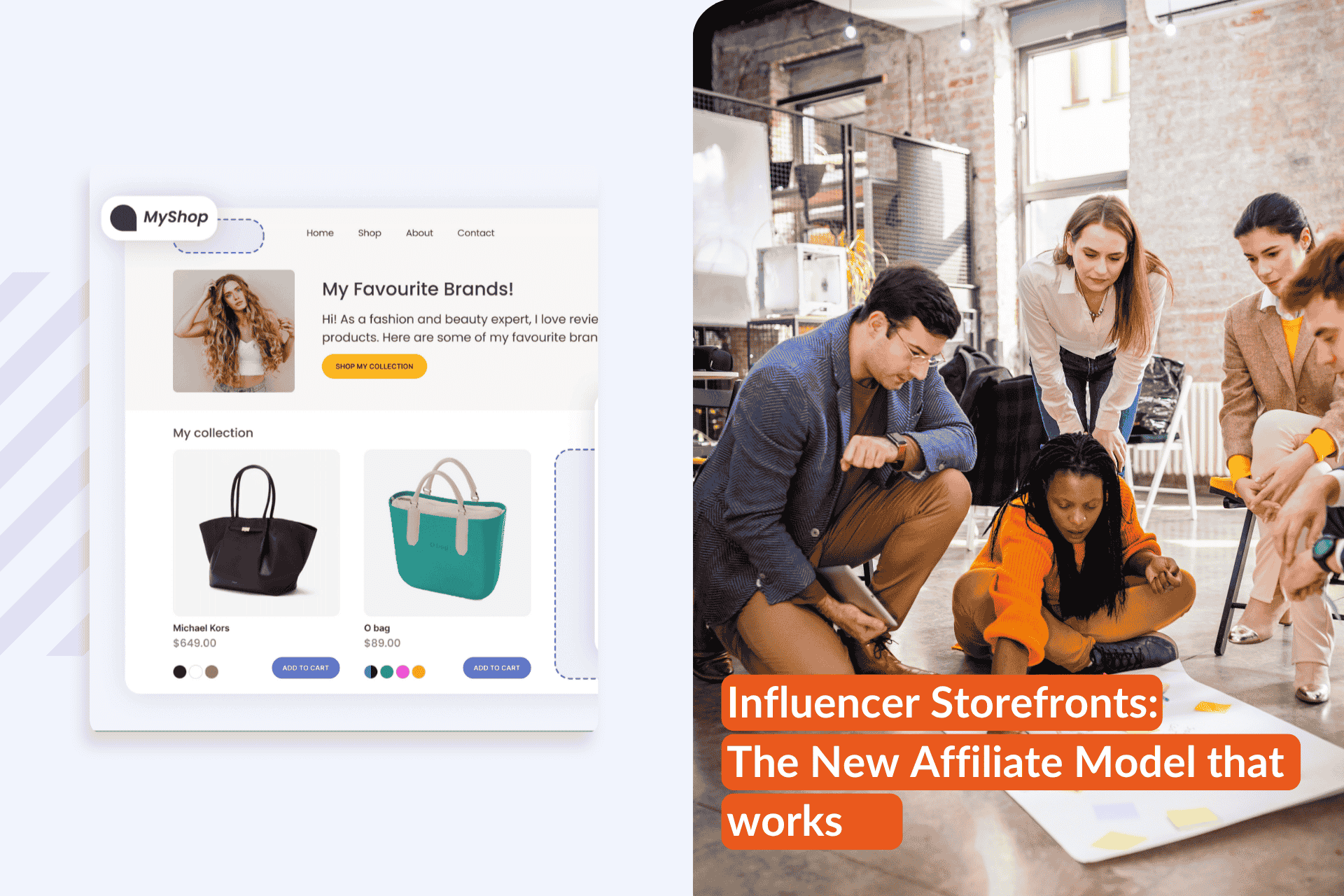
Influencer Storefronts: The New Affiliate Model that works

March 25, 2026
|
Published

June 16, 2026
|
Updated

14 Min
|
Reading

Influencer Performance Marketing Course | VOUCHER: IMC100

Malena Gacia
| Author

Drive ROI With Influencers

Global Influencer Database
ALL-IN-ONE platform
CRM, Affiliate, UGC & More
Influencer Storefronts: The New Affiliate Model that works
Today, brands are under increasing pressure to prove ROI, track performance accurately, and scale creator partnerships without adding operational complexity. This shift has led to the rise of influencer storefronts,centralized, always-on destinations where creators showcase products in a way that drives continuous discovery and conversion.
Instead of relying on fragmented promotion across social platforms, storefronts bring structure and consistency to affiliate marketing. By combining curated product experiences with trackable performance data, platforms like Amazon and Influencer Hero are enabling brands to turn influencer collaborations into scalable, revenue-generating systems.
In this article, we’ll break down how influencer storefronts work, why they outperform traditional affiliate models, and how your brand can use them to drive long-term growth.
What Are Influencer Storefronts?
Influencer storefronts are personalized, creator-owned digital shops where influencers curate and showcase products they genuinely recommend, all in one centralized destination. Instead of sharing scattered affiliate links across posts, stories, or bios, you can bring everything together into a single, branded hub that your audience can easily browse and shop from.
At their core, influencer storefronts transform traditional affiliate marketing into a more cohesive and conversion-focused experience. By combining product discovery, trust, and seamless purchasing in one place, you not only simplify the user journey but also create a stronger connection between your content and the products you promote—ultimately driving higher engagement and more consistent revenue.
Key Components of a Storefront
The key components of an Influencer storefront are:
- Custom product collections: Organized product groupings tailored to your niche, making it easier for your audience to discover relevant recommendations.
- Affiliate links and discount codes: Most platforms that host influencer storefronts also provide built-in tracking links and unique codes that ensure you earn commissions while brands can accurately measure performance.
- Creator branding and personalization: A fully customized storefront that reflects your visual identity, tone, and content style, helping reinforce trust and recognition.
Why Influencer Storefronts Are the New Affiliate Model That Works
Influencer storefronts represent a shift from fragmented, link-based promotion to a centralized, performance-driven ecosystem where brands can track, optimize, and scale creator partnerships more effectively.
Instead of relying on isolated affiliate links that limit visibility and attribution, storefronts create a structured environment where every product, click, and conversion is tied back to a specific creator - giving brands clearer insights and stronger control over performance.
Higher Conversion Rates Through Curated Experiences
According to a report by Adobe Business, Influencer storefronts improve conversion rates by removing friction from the customer journey. Rather than sending users through multiple links across different platforms, storefronts provide a seamless browsing experience where products are grouped, contextualized, and aligned with the creator’s content. This reduces drop-off and keeps users engaged longer, increasing the likelihood of purchase.
For brands, this means your products are not just being promoted—they are being presented within a curated environment that mirrors how consumers naturally shop.
When items are positioned alongside complementary products and backed by creator recommendations, the experience feels less transactional and more intentional, which directly translates into higher conversion efficiency.
Stronger Trust Between Creators and Audiences
Trust is one of the biggest drivers of influencer marketing performance, and storefronts reinforce it by consolidating recommendations into a single, consistent destination. Instead of one-off promotions that can feel sporadic or overly promotional, storefronts allow creators to build a long-term narrative around the products they endorse.
From a brand perspective, this consistency strengthens perceived credibility. When your product appears within a curated selection that reflects the creator’s genuine preferences, it benefits from association rather than interruption. This leads to more qualified traffic—users who already trust the creator and are therefore more likely to convert.
Better Attribution and Tracking for Brands
Traditional affiliate marketing often suffers from limited visibility, especially when links are shared across multiple channels with inconsistent tracking. Influencer storefronts solve this by centralizing all traffic and conversions within a single system, making it easier to attribute sales to specific creators, campaigns, or products.
This level of clarity allows brands to move beyond surface-level metrics and focus on performance-driven decision-making. You can identify top-performing creators, understand which products resonate with specific audiences, and optimize campaigns in real time—ultimately improving ROI and reducing wasted spend.
Increased Lifetime Value per Creator
Influencer storefronts transform creators from short-term promotional partners into long-term revenue channels. Instead of generating value from a single post or campaign, each creator storefront continues to drive traffic and conversions over time, even after the initial promotion ends.
For brands, this significantly increases the lifetime value of each creator relationship. By maintaining an always-on sales channel tied to individual influencers, you can compound results over time, build deeper partnerships, and scale your influencer program more sustainably without constantly restarting acquisition efforts.
Key Benefits for Brands
Influencer storefronts give brands a more structured and scalable way to manage creator partnerships while improving performance visibility and revenue outcomes. By centralizing product promotion, tracking, and creator activity into one system, you can move from one-off collaborations to a repeatable, data-driven growth channel that compounds over time.
Scalable Influencer Partnerships
Influencer storefronts make it significantly easier to scale partnerships without increasing operational complexity. Instead of managing individual campaigns, links, and deliverables for each creator, you can onboard multiple influencers into a unified system where their storefronts act as ongoing sales channels.
This allows your team to shift from campaign-based execution to program-based growth. As more creators join, your distribution expands organically, without the need to constantly rebuild workflows—making it possible to scale influencer marketing in a predictable and efficient way.
Improved ROI Tracking and Analytics
One of the biggest challenges in influencer marketing is accurately measuring performance across different creators and channels. Storefronts solve this by tying every click, conversion, and sale back to a specific influencer, giving you a clear view of what’s driving revenue.
With this level of insight, you can identify top-performing creators, optimize product placement, and allocate budget more effectively. Instead of relying on vanity metrics, your decisions are backed by real sales data, allowing you to continuously improve ROI and campaign performance.
Seamless Product Seeding and Promotion
Influencer storefronts streamline the process of getting your products in front of the right audiences. Once a creator is onboarded, products can be easily added to their storefront, eliminating the need for repeated manual coordination for each promotion.
This creates a more efficient product seeding workflow where creators can continuously feature your products as part of their content ecosystem. As a result, your brand maintains consistent visibility across multiple touchpoints, rather than relying on isolated promotional moments.
Stronger Long-Term Creator Relationships
Storefronts encourage ongoing collaboration by turning creators into long-term partners, or brand ambassadors, rather than one-time promoters. Since their storefront continues to generate revenue over time, creators are incentivized to keep featuring and updating your products within their content.
For brands, this leads to deeper relationships and more authentic advocacy. Instead of constantly sourcing new influencers, you can invest in high-performing partners, strengthen alignment, and build a more stable and predictable influencer marketing engine.
Features to Look for in an Influencer Storefront Platform
Choosing the right influencer storefront platform directly impacts how effectively you can scale partnerships, track performance, and drive revenue through creators. Not all platforms offer the same level of flexibility or depth, so it’s important to prioritize features that align with your growth goals and operational needs. Below are the key capabilities to evaluate—well explore them next:
- Customizable Storefront Design: Ensure creators can tailor their storefronts to match their brand identity, creating a cohesive and high-converting shopping experience for your products.
- Advanced Analytics and Reporting: Look for detailed performance insights, including clicks, conversions, revenue, and creator-level data to make informed, ROI-driven decisions.
- Affiliate Tracking and Commission Management: A strong system should provide accurate tracking, unique affiliate brand links or codes, and automated commission calculations to eliminate manual work.
- CRM and Relationship Management Tools: Built-in CRM functionality helps you manage creator relationships, track communication, and organize campaigns in one centralized place.
- Automation for Outreach and Payments: Automation features streamline creator onboarding, outreach, follow-ups, and payouts, allowing you to scale without increasing workload.
Examples of Influencer Storefronts in Action
Influencer storefronts can take different forms depending on the platform and industry, but the core principle remains the same: centralizing product recommendations into a single, high-converting destination that drives ongoing sales. Below are three examples showing how brands are leveraging storefronts across different verticals and ecosystems.
Tech & Gadgets
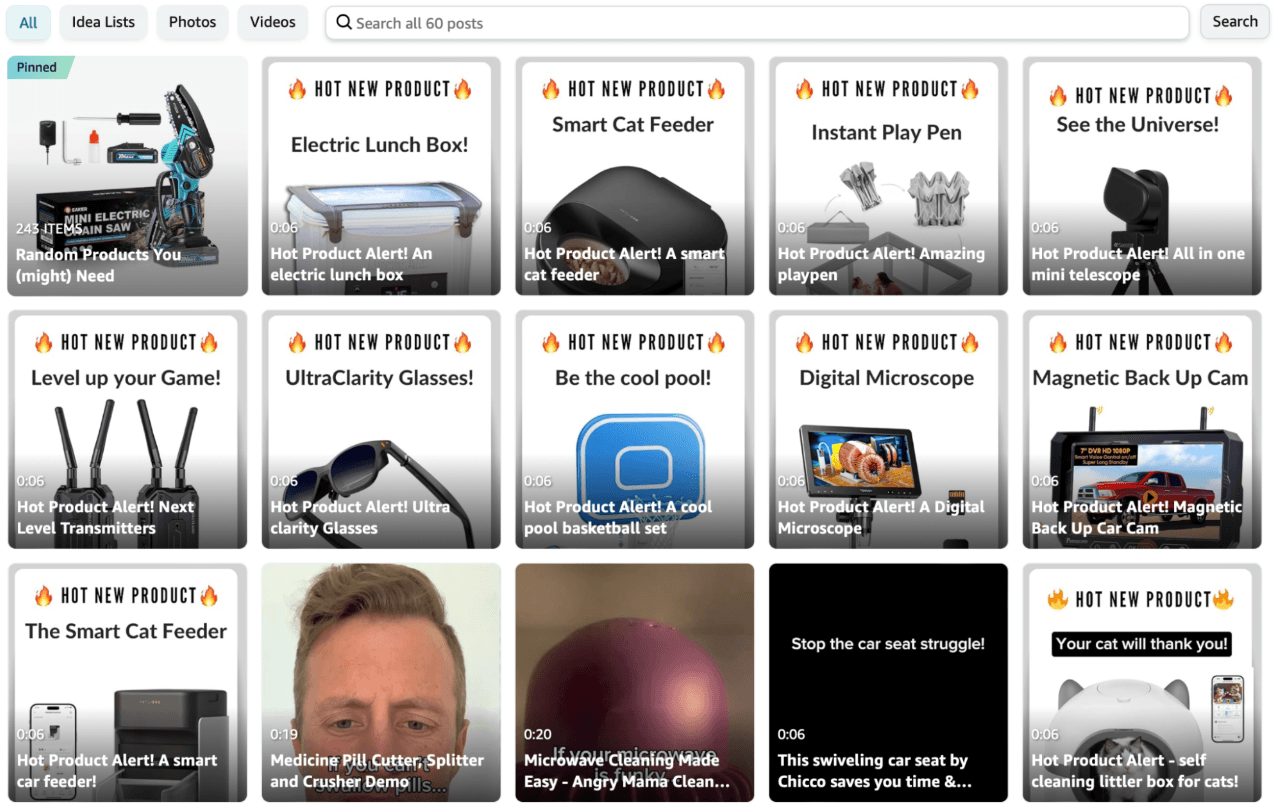
Many tech and gadget influencers use storefronts within Amazon to curate products such as desk setups, cameras, or productivity tools. These storefronts group items into themed collections, making it easy for users to browse and purchase multiple products in one session, often with high purchase intent.
For example, tech creator Ryan Mulvany, known as “Mr. Deals,” uses his Amazon storefront to showcase curated deals across categories like tech gadgets. His storefront is organized around practical use cases and savings opportunities, creating a shopping experience that not only drives conversions but also positions featured brands within a trusted, decision-oriented environment.
Fashion & Beauty Brands
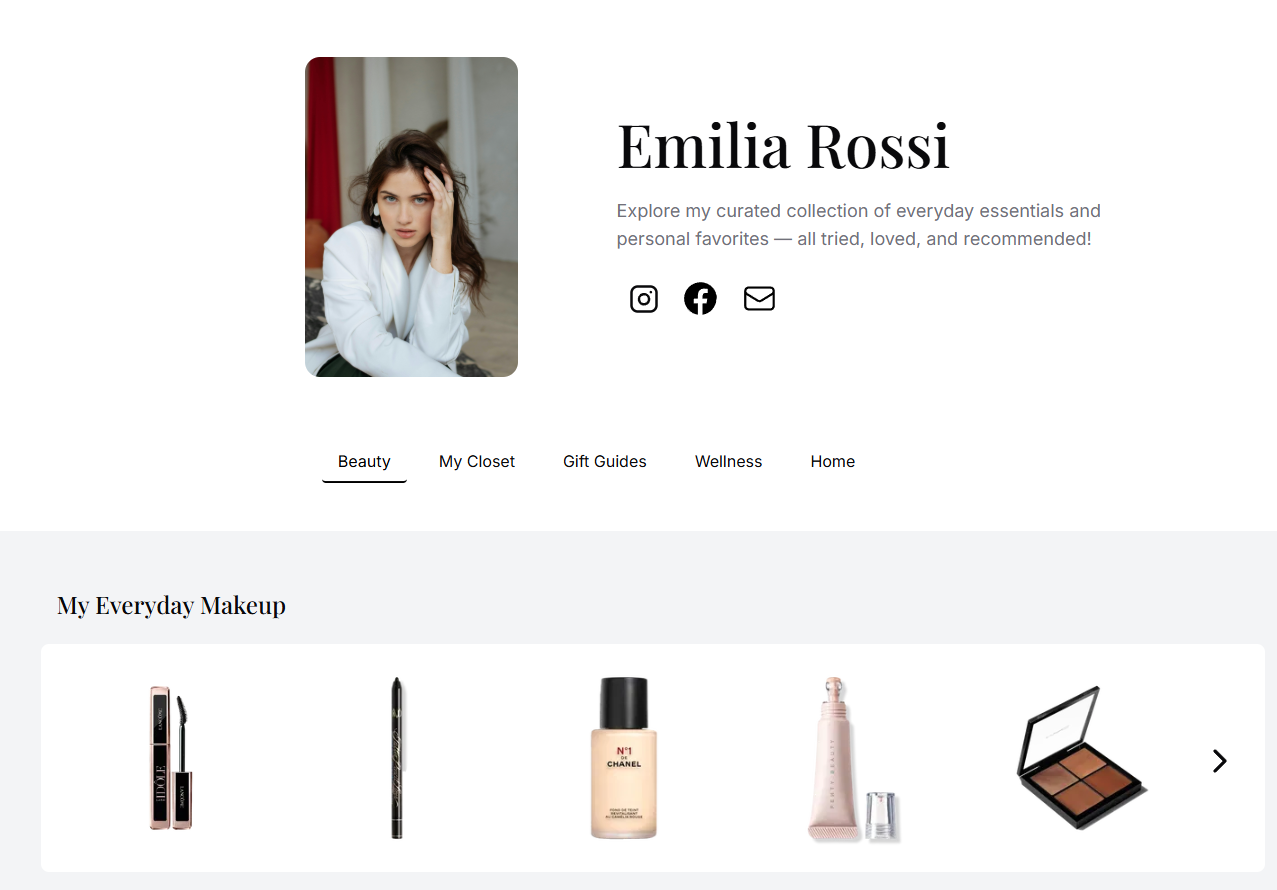
With Influencer Hero, fashion and beauty brands can integrate their products directly into influencer storefronts that act as ongoing sales channels. Instead of one-off campaigns, influencers continuously feature curated selections—such as “daily outfits” or “skincare routines”—that naturally include your products.
For example, a beauty creator using a Creator Hero storefront curated her product selections as “everyday makeup routine” kits featuring the brand’s products alongside complementary items. As the creator consistently shares their storefront across tutorials and content, your products remain visible over time—turning a single collaboration into a continuous revenue stream.
Fitness & Wellness Brands
In the fitness and wellness space, storefronts powered by Influencer Hero are often used to showcase supplement stacks, workout gear, or daily routines. Influencers integrate these products into their lifestyle content, driving traffic back to their storefront as a trusted resource for their audience.
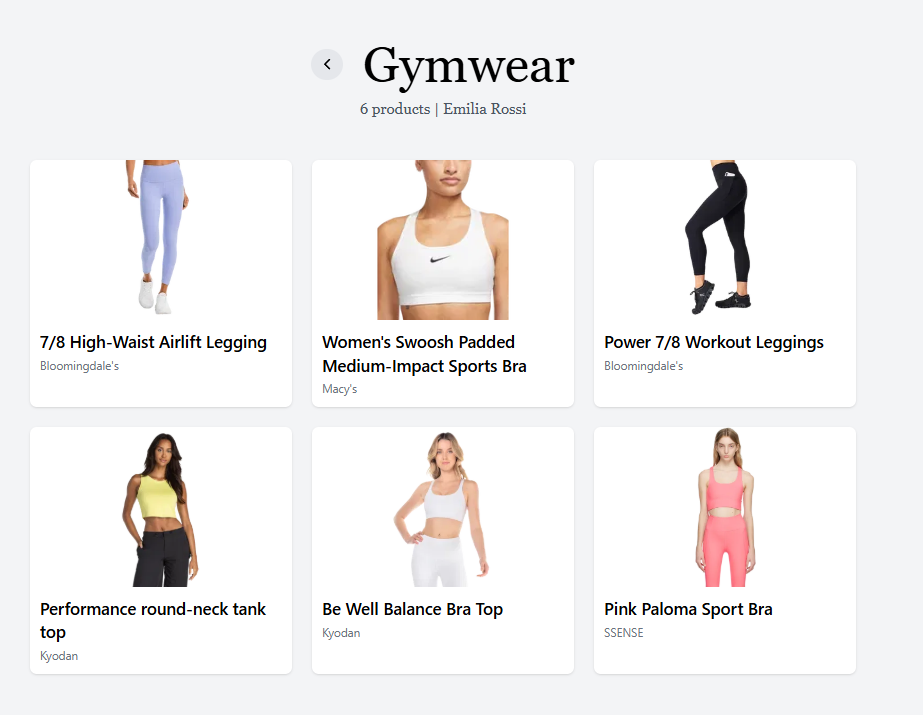
For example, fitness influencers often organize their storefronts around training-focused collections such as “leg day outfits,” “upper body sessions,” or “weekly gym fits,” featuring activewear sets and performance gear from partner brands. As these collections are naturally integrated into workout content and progress updates, audiences are consistently exposed to the same products—driving repeat traffic and sustained sales over time.
Final Thoughts
Influencer storefronts are redefining how brands approach affiliate marketing by turning fragmented, campaign-based efforts into structured, always-on revenue channels. Instead of relying on one-off promotions and scattered links, storefronts create a centralized environment where products can be continuously discovered, promoted, and purchased—driving more consistent performance over time.
For brands, the real value lies in scalability and efficiency. Storefronts not only improve conversion rates and attribution, but also reduce the operational burden of managing influencer campaigns. By enabling recurring promotion and strengthening creator relationships, they allow you to extract more value from each partnership while building a more predictable growth engine.
As the space continues to evolve, brands that invest in storefront-driven strategies will be better positioned to scale influencer marketing sustainably. Platforms like Influencer Hero make it possible to operationalize this approach—bringing together discovery, activation, tracking, and monetization into a single system designed for long-term ROI.
Ready to see how Influencer Hero can elevate your influencer marketing? Book a demo with our team today and start scaling your creator programs with ease.
Summary
This is some text inside of a div block.
This is some text inside of a div block.
Pricing/Month
Shopify Reviews
This is some text inside of a div block.
This is some text inside of a div block.
This is some text inside of a div block.
This is some text inside of a div block.
This is some text inside of a div block.
This is some text inside of a div block.
This is some text inside of a div block.
This is some text inside of a div block.
This is some text inside of a div block.
This is some text inside of a div block.
This is some text inside of a div block.
This is some text inside of a div block.
This is some text inside of a div block.
This is some text inside of a div block.
This is some text inside of a div block.
This is some text inside of a div block.
This is some text inside of a div block.
This is some text inside of a div block.
This is some text inside of a div block.
This is some text inside of a div block.
This is some text inside of a div block.
Read More

FAQs
What is an influencer storefront and how does it work for brands?

An influencer storefront is a centralized, shoppable page where creators showcase curated products using affiliate links. For brands, this means your products are continuously promoted within a dedicated space tied to each influencer, allowing you to track clicks, conversions, and revenue in a more structured and scalable way.
How are influencer storefronts different from traditional affiliate links?
Traditional affiliate marketing relies on scattered links across posts, stories, or bios, which can limit visibility and tracking. Influencer storefronts consolidate all product recommendations into one destination, creating a smoother user experience and enabling brands to benefit from recurring traffic and more consistent conversions.
Do influencer storefronts actually improve ROI?
Yes, storefronts typically improve ROI by increasing conversion rates, driving repeated exposure, and reducing operational costs. Since influencers continue promoting their storefronts over time, brands benefit from ongoing sales without needing to constantly launch new campaigns or manage follow-ups.
Which platforms offer influencer storefront solutions?
Several platforms support influencer storefronts, including Amazon through its influencer program and dedicated tools like Influencer Hero, which allow brands to create and manage custom storefronts tied directly to their products and campaigns.
How can brands get started with influencer storefronts?
Brands can start by identifying relevant influencers, providing them with commissionable products, and enabling storefront access through a platform that supports tracking and payouts. Using a system like Influencer Hero helps streamline onboarding, automate affiliate management, and scale storefront campaigns efficiently.





Most Popular Blogs


Drive ROI With Influencer Marketing
Join 1,200+ brands and 150+ agencies scaling creator programs with Influencer Hero.