
Beste Influencer-Marketing-Software für Magento

February 27, 2026
|
Veröffentlicht

October 12, 2026
|
Aktualisiert

14 minutes
|
Lektüre

Influencer Performance Marketing Kurs | GUTSCHEIN: IMC100

Lucía Zabala
I Author

Steigern Sie Ihren ROI mit Influencern

Globale Influencer-Datenbank
ALL-IN-ONE Plattform
CRM, Affiliate, UGC & More
Beste Influencer-Marketing-Software für Magento
Wenn Sie eine Marke auf Magento (Adobe Commerce) betreiben, ist Ihr Tech-Stack auf Skalierung und Anpassung ausgelegt. Doch je mehr Ihre Creator-Programme wachsen, desto schneller wird die Verwaltung über Tabellenkalkulation und manuelle E-Mails zur Engstelle.
Um schneller voranzukommen, brauchen DTC-Marken und eCommerce-Marketer einen Workflow, der sich direkt mit ihrem Shop verbindet. Egal ob es um die Suche nach den richtigen Creators, automatisierte Produkt-Gifting, Tracking von Affiliate-Verkäufen oder die Messung der ROI in Echtzeit geht – die richtige Integration entscheidet zwischen manuellem Chaos und einem leistungsstarken Kanal.
In diesem Ratgeber haben wir die beste Influencer-Marketing-Software für Magento zusammengestellt, die Ihnen hilft, die Lücke zwischen Social-Engagement und echtem Umsatz zu schließen.
Bewertungskriterien
- Integration & Kompatibilität mit Magento: Wie gut funktioniert jede Plattform mit Magento-Shops, entweder durch native Integrationen oder kompatible Workflows, die zu bestehenden eCommerce-Betrieben passen.
- Influencer-Kampagnen-Funktionen: In welchem Umfang unterstützt jede Plattform zentrale Anwendungsfälle des Influencer-Marketings, einschließlich Creator-Recherche, Outreach, Beziehungsmanagement, Gifting- und Seeding-Kampagnen sowie Affiliate-basierte Kooperationen.
- Performance-Tracking & Reporting: Die Möglichkeit, die Leistung von Influencern und Kampagnen zu verfolgen, einschließlich Conversions, Umsatzzuordnung und ROI – unverzichtbar für eCommerce-Teams mit Fokus auf messbare Ergebnisse.
- Automation & Workflow-Effizienz: Wie effektiv die Plattform zeitaufwändige Aufgaben wie Outreach, Kampagnenmanagement, Follow-ups und Reporting automatisiert – besonders wichtig für kleine Teams mit großen Influencer-Programmen.
- Benutzerfreundlichkeit (UX/UI): Das Gesamterlebnis, einschließlich Dashboard-Design, Navigation, Onboarding-Prozess und Lernkurve für Teams, die bereits mit Magento arbeiten.
- Skalierbarkeit für wachsende Marken: Wie gut unterstützt die Plattform das Wachstum, von kleinen Teams bei ihren ersten Influencer-Kampagnen bis zu etablierten DTC-Marken, die Hunderte oder Tausende von Creators verwalten.
- Preisgestaltung & Vertragsflexibilität: Transparenz bei der Preisgestaltung, Verfügbarkeit flexibler Pläne und ob die Plattform wachsende Programme unterstützt, ohne zu früh lange Vertragsbindungen zu erzwingen.
- Kundenunterstützung & Onboarding: Verfügbarkeit und Qualität von Support-Ressourcen, einschließlich Onboarding-Unterstützung, Dokumentation, Antwortzeiten und kontinuierlichem Customer-Success-Support.
Plattformvergleichstabelle
Bei der Evaluierung von Influencer-Marketing-Tools für deinen Magento-Shop ist es hilfreich, alle Plattformen auf einen Blick zu vergleichen.
1. Influencer Hero

Influencer Hero ist eine All-in-One-Influencer-Marketing-CRM für D2C-E-Commerce-Marken, die sich auf Umsatz konzentrieren – nicht auf oberflächliche Kennzahlen. Für Marken, die nach der besten Influencer-Marketing-Software für Magento suchen, zeichnet sich Influencer Hero dadurch aus, dass es Influencer-Kampagnen direkt mit Shop-Verkaufsdaten, Affiliate-Tracking und Customer Lifetime Value verbindet.
Ideal für:
D2C-Marken und E-Commerce-Teams, die Influencer- oder Affiliate-Programme auf Magento betreiben und klare Umsatzattribution, automatisierte Ansprache, und skalierbare Kampagnenverwaltung ohne Tabellenkalkulationen oder unverbundene Tools wünschen.
So funktioniert es mit Magento:
Die Influencer Hero + Magento-Integration verbindet Ihre Influencer-Workflows direkt mit den Bestell- und Kundendaten Ihres Shops.
Auf Workflow-Ebene integriert sich die Lösung wie folgt in einen Magento-Stack:
- Sie erstellen nachverfolgbare Links und influencer-spezifische Rabattcodes in Influencer Hero.
- Influencer bewerben Magento-Produktseiten, Kategorien oder Landingpages.
- Klicks, abgeschlossene Bestellungen und Umsätze aus Magento werden automatisch mit Influencer Hero synchronisiert.
- Verkäufe werden bestimmten Creators und Kampagnen zugeordnet.
- Provisionen und Auszahlungen werden auf Basis echter Shop-Umsätze berechnet, nicht auf Schätzungen.
Anstatt zwischen Magento-Dashboards und Influencer-Tools hin- und herzuwechseln, sieht Ihr Team Kampagnenleistung, durchschnittliche Bestellwerte, Wiederholungskäufe und Gesamtumsatz in einer einzigen, einheitlichen Reporting-Schicht.
Dies ermöglicht es, die Influencer-Wirkung auf der E-Commerce-Ebene zu bewerten – dort, wo Verkäufe tatsächlich stattfinden – nicht nur auf Social-Engagement-Ebene.
Preise & Bindung:
Influencer Hero bietet flexible Pläne basierend auf Ansprache-Volumen und Markenanforderungen, mit einer 3-Monats-Mindestbindung bei allen Plänen.
- Standard Plan: Ab $649/Monat – Kontaktieren Sie bis zu 1.000 Creator pro Monat.
- Pro Plan: Ab $1.049/Monat – Kontaktieren Sie bis zu 5.000 Creator pro Monat.
- Business Plan: Ab $2.490/Monat – Kontaktieren Sie bis zu 10.000 Creator pro Monat.
- Custom & Agency: Individuelle Preisgestaltung angepasst an Markengröße, Kampagnenvolumen und Workflow-Komplexität.
Benutzerfreundlichkeit (UX/UI):
Influencer Hero ist für sein intuitives, kampagnenorientiertes Dashboard bekannt, das Influencer-Entdeckung, Outreach, Tracking und Reporting in einer streamlined Schnittstelle vereint. Automatisierte Workflows, Massenaktionen und anpassbare E-Mail-Vorlagen reduzieren manuelle Arbeit, während klare Umsatz-Dashboards es Magento-Marken einfach machen, Creator-Aktivitäten mit echten Verkaufen zu verbinden.
Kundenunterstützung:
Kundenunterstützung ist einer der stärksten Vorteile von Influencer Hero.
- 24/7 Live-Chat mit echten Mitarbeitern
- Responsiver E-Mail-Support
- Umfassendes Help Center mit schriftlichen Guides und Video-Tutorials
- Dedizierter Account Manager von Tag eins bei jedem Plan
- Optionale Strategie-Beratungen zur Wachstumssteigerung
- Pro-Plan-Nutzer erhalten Zugang zu einem privaten Slack-Channel für kontinuierliche, schnellere Unterstützung
Das ist besonders wertvoll für Magento-Marken, die Attributions-Workflows zum ersten Mal einrichten.
Wichtigste Funktionen:
- Magento-Umsatzattribution: Verfolgen Sie Klicks, Bestellungen und Umsätze und ordnen Sie sie bestimmten Influencern und Kampagnen zu. Dies ermöglicht es Marken, die Leistung mit verifizierten Shop-Daten zu bewerten, einschließlich durchschnittlicher Bestellwerte und Wiederholungskäufen, statt nur Link-Klicks.
- Influencer-spezifische Rabattcodes & Link-Verwaltung: Erzeugen und ordnen Sie nachverfolgbare Links und eindeutige Magento-Rabattcodes pro Creator zu. Code-Nutzung und Link-Leistung werden automatisch synchronisiert, was manuelle Abstimmung zwischen Influencer-Promotionen und Shop-Verkäufen überflüssig macht.
- Automatisiertes Affiliate & Provisionsmanagement: Berechnen Sie Provisionen auf Basis verifierter Magento-Bestellungen. Dies unterstützt Affiliate-ähnliche Programme im Großstab und stellt sicher, dass Auszahlungen exakt und fehlerfrei mit echten Transaktionen verknüpft sind.
- Kunden-zu-Creator-Matching: Identifizieren Sie Influencer, die bereits Magento-Kunden sind, durch Abgleich von Bestell- und E-Mail-Daten. Dies ermöglicht es Marken, authentische Creator zu priorisieren und zu analysieren, wie Customer-Influencer im Vergleich zu Kaltakquise performen.
- Kampagnen-zentrierte CRM mit Outreach-Automatisierung: Verwalten Sie Influencer-Beziehungen, Massen-Outreach, Follow-ups und Kampagnen-Tracking in einer strukturierten CRM. Native E-Mail-Automatisierung reduziert manuelle Kommunikation und hält alle Creator-Konversationen mit Kampagnen- und Umsatzdaten verknüpft.
Influencer Hero Limitierungen:
Anfängliche Einrichtung kann strategische Anleitung erfordern: Während der Integration selbst ein geführter Prozess ist, benötigen Marken, die neu in umsatzbasierter Influencer-Attribution sind, möglicherweise Onboarding-Unterstützung, um Tracking-Links, Provisionsmodelle und Workflows richtig zu strukturieren. Das Customer Success-Team bietet praktische Unterstützung für eine reibungslose Einrichtung.
2. GRIN
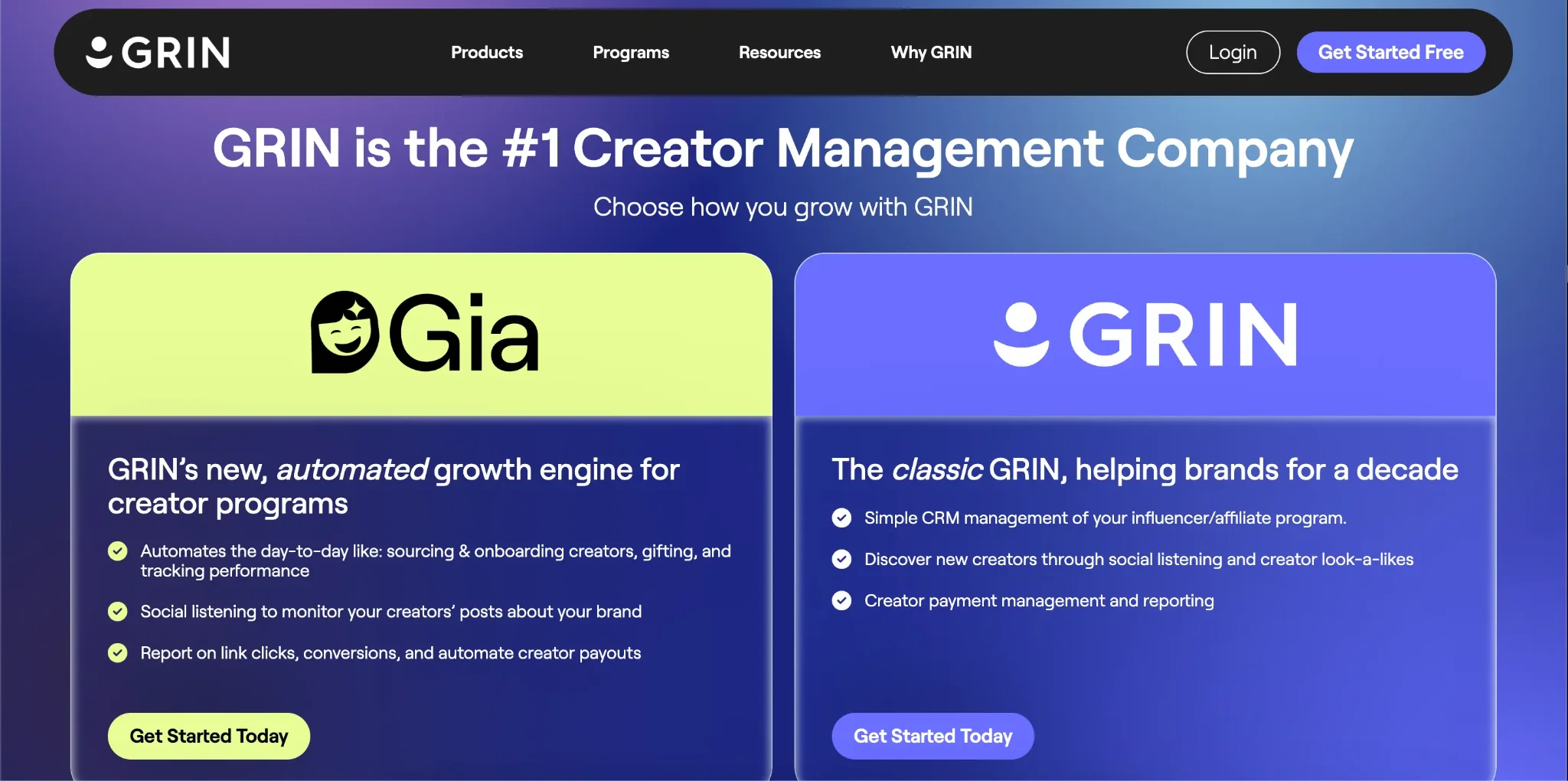
GRIN ist eine Influencer-Marketing-Plattform, die in erster Linie für eCommerce-Marken konzipiert ist und Creator-Beziehungen, Produktseeding, Affiliate-Tracking und Content-Rechte in einem System verwaltet. Die Plattform ist besonders für ihre starken Shopify-Workflows bekannt, aber auch Magento-Marken können GRIN nutzen, um Influencer-Operationen zu zentralisieren und die Leistung direkt an den Store-Umsatz zu koppeln.
Am besten geeignet für:
Mittlere und Enterprise-eCommerce-Marken, die strukturierte Influencer- oder Ambassador-Programme durchführen, insbesondere solche, die Produktseeding, UGC-Rechtemanagement und langfristige Creator-Partnerschaften priorisieren.
So funktioniert es mit Magento:
Für Magento-Marken fungiert GRIN typischerweise als Influencer-Management- und Workflow-Layer, während Magento das zentrale System für Produkte, Bestellungen und Kundendaten bleibt.
Auf Workflow-Ebene:
- Influencer erhalten nachverfolgbare Links und Rabattcodes, die mit Magento-Produktseiten verbunden sind.
- Bestellungen, die über diese Links oder Codes generiert werden, werden nachverfolgt und Creators zugeordnet.
- Campaign-Performance und Umsatzberichte werden in GRIN überprüft.
- Teams verwalten Produktseeding, Creator-Kommunikation und Content-Erfassung von einem Dashboard aus.
Magento verwaltet weiterhin Checkout, Kundendaten und Bestellhistorie, während GRIN das Beziehungsmanagement und die Performance-Verfolgung von Influencern auf Basis dieser Commerce-Daten übernimmt.
Preisgestaltung:
- Kostenlos
- Lite: $399/Mo
- Essentials: $699/Mo
- Growth: $1.149/Mo
- Complete: $1.799/Mo
Benutzerfreundlichkeit (UX/UI):
Nutzer beschreiben GRIN oft als feature-reich und robust, manchmal aber auch als komplex aufgrund seiner Tiefe. Viele eCommerce-Teams schätzen das zentralisierte Dashboard und die integrierten Workflows für Produktseeding und Creator-Management. Einige Nutzer erwähnen jedoch eine Lernkurve während des Onboardings, besonders für Teams, die neu mit Influencer-CRM-Systemen arbeiten.
Kundensupport:
Das Feedback zum Support von GRIN fällt überwiegend positiv aus, viele Nutzer heben reaktionsfreudige Account Manager und Onboarding-Unterstützung hervor. Allerdings vermerken einige Bewertungen, dass Antwortzeiten je nach Plan-Level und Vertrag variieren können. Enterprise-Kunden berichten typischerweise von stärkerer und praxisorientierter Unterstützung.
Hauptfunktionen:
- Produktseeding & Fulfillment Workflows: GRIN ermöglicht es Marken, Produkte direkt an Influencer über integrierte Fulfillment-Workflows zu versenden. Dies ist besonders nützlich für eCommerce-Marken, die großflächige Seeding-Kampagnen durchführen, bei denen die Verfolgung von Produktbestand und Versand wesentlich ist.
- Integriertes Media-Rechtemanagement: Die Plattform ermöglicht es Marken, Nutzungsrechte für von Influencern erstellte Inhalte zu sichern, zu speichern und zu verwalten. Dies hilft Teams, UGC für bezahlte Anzeigen, E-Mail-Marketing und Produktseiten wiederzuverwenden, ohne den Überblick über die Genehmigungen zu verlieren.
- Creator Relationship Management (CRM): GRIN zentralisiert Influencer-Kommunikation, Verträge, Campaign-Verlauf und Performance-Tracking. Dies ist besonders hilfreich für Marken, die langfristige Ambassador-Programme aufbauen, statt einmalige Kampagnen durchzuführen.
- Affiliate & Rabattcode-Tracking: Magento-Marken können nachverfolgbare Links und Rabattcodes generieren, um Verkäufe Creators zuzuordnen. Das Umsatz-Tracking unterstützt leistungsbasierte Partnerschaften und provisionsbasierte Kompensationsmodelle.
- Große Opt-In-Creator-Datenbank (200M+ Profile): GRIN bietet Zugang zu einem substanziellen Opt-In-Influencer-Netzwerk, das Discovery und Outreach innerhalb der Plattform vereinfacht.
Plattform-Limitierungen:
Historisch höhere Kosten & Jahresvertrag: GRIN wird oft als teurer als neuere Plattformen angesehen, besonders für wachsende D2C-Marken. Die Jahresvertrag-Struktur kann die Flexibilität für Marken einschränken, die Influencer-Programme testen möchten.
Weniger Magento-native als Shopify-fokussierte Workflows: Während GRIN mit Magento kompatibel ist, ist die Plattform für ihre starke Shopify-Integration bekannt. Magento-Marken benötigen möglicherweise mehr Setup-Anpassung, um Workflows zu optimieren, verglichen mit Shopify-fokussierten Händlern.
3. Storyclash

Storyclash ist eine Influencer-Marketing- und Social-Intelligence-Plattform, die sich auf Echtzeit-Content-Tracking, verdiente Media-Sichtbarkeit und Konkurrenz-Benchmarking konzentriert. Im Gegensatz zu CRM-lastigen Influencer-Tools konzentriert sich Storyclash mehr auf Analytics und Content-Monitoring, was es für Marken attraktiv macht, die tiefere Einblicke in die Performance von Influencer-Content auf Social-Plattformen möchten.
Für Magento-Marken, die die beste Influencer-Marketing-Software für Magento evaluieren, spielt Storyclash typischerweise eher eine Performance-Intelligence-Rolle als ein vollständiges Commerce-Attribution-Engine.
Am besten geeignet für:
Mittlere und Enterprise-Marken, die Influencer-Content-Tracking, Earned-Media-Monitoring und Konkurrenz-Benchmarking priorisieren – besonders Teams, die bereits ein eCommerce-Backend wie Magento haben, aber stärkere Sichtbarkeit in Social-Performance-Trends wünschen.
So funktioniert es mit Magento:
Storyclash passt als Social-Analytics- und Content-Intelligence-Layer in einen Magento-gestützten Tech-Stack, während Magento das System für Umsatz- und Kundendaten bleibt.
Auf Workflow-Ebene:
- Influencer veröffentlichen Inhalte, die Magento-Produktseiten bewerben.
- Storyclash verfolgt und analysiert Influencer-Beiträge in Echtzeit über Social-Plattformen.
- Marketing-Teams überwachen Engagement, Reichweite, Sentiment und Konkurrenzaktivitäten.
- Die Umsatzzuordnung wird dann in Magento oder einem anderen Affiliate-Tool überprüft, nicht nativ innerhalb von Storyclash.
Kurz gesagt: Storyclash hilft Magento-Brands zu verstehen, welche Inhalte und Creator Sichtbarkeit und Engagement generieren, während die Commerce-Level-Nachverfolgung normalerweise separat erfolgt.
Preisgestaltung:
- Starter: €499/Monat
- Growth: €999/Monat
- Scale: €1.899/Monat
- Enterprise: Individuell
Benutzerfreundlichkeit (UX/UI):
Nutzer beschreiben Storyclash häufig als visuell sauber und datenorientiert, mit starken Dashboards zur Echtzeitverfolgung von Influencer-Inhalten. Die Oberfläche wird oft dafür gelobt, dass sie Leistungsdaten leicht verständlich macht, besonders beim Vergleich von Kampagnen oder Konkurrenten. Einige Nutzer bemerken jedoch, dass die analytische Tiefe anfangs überwältigend wirken kann, besonders für Teams ohne dedizierte Datenrollen.
Kundenbetreuung:
Kundenrezensionen heben häufig hilfreiche Onboarding-Prozesse und reaktionsschnelle Account Manager hervor. Viele Nutzer berichten, dass Storyclash während der Implementierung und Kampagneneinrichtung starke Unterstützung bietet. Wie bei den meisten unternehmensorientierten Plattformen können Supporterfahrungen je nach Vertragsgröße und Plan variieren.
Hauptfunktionen:
- Influencer-Content-Tracking in Echtzeit: Storyclash erkennt und verfolgt automatisch Influencer-Beiträge, die Ihre Marke oder Konkurrenten erwähnen, über alle großen Social-Plattformen. Dies ermöglicht es Magento-Brands, Kampagnenaktivitäten in Echtzeit zu überwachen, statt sich nur auf manuelle Berichte von Creatorn zu verlassen.
- Earned Media Value (EMV) & Performance Benchmarking: Die Plattform berechnet Earned-Media-Metriken und ermöglicht es Marken, die Influencer-Leistung gegen Branchenbenchmarks zu vergleichen. Dies hilft Marketing-Teams, die Content-Auswirkungen jenseits von einfachen Likes und Klicks zu bewerten.
- Kompetitive Influencer-Intelligence: Storyclash zeigt Ihnen, welche Influencer mit Konkurrenten zusammenarbeiten und wie ihre Kampagnen performen. Für Magento-Brands in wettbewerbsintensiven Nischen liefert dies wertvolle Einblicke für die Partnerschaftsstrategie.
- Audience- & Sentiment-Analyse: Das Tool bietet Audience-Aufschlüsselungen und Sentiment-Tracking, um Markensicherheit und Audience-Alignment zu bewerten. Dies unterstützt eine intelligenteren Influencer-Auswahl vor dem Start von Kampagnen, die mit Magento-Produktpushes verbunden sind.
- Plattformübergreifende Überwachung: Storyclash verfolgt Aktivitäten über mehrere soziale Netzwerke und konsolidiert Influencer-Leistungsdaten an einem Ort. Dies ist nützlich für Brands, die omnichannel Kampagnen durchführen, die Traffic auf Magento-Landing-Pages zurückleiten.
Platform-Einschränkungen:
Begrenzte native Umsatzzuordnung für Magento: Obwohl Storyclash in der Analytik stark ist, ersetzt es nicht nativ Affiliate-Tracking oder tiefe Magento-Level-Umsatzzuordnung. Brands benötigen normalerweise ein zusätzliches Tool, um Influencer-Aktivitäten direkt mit Bestellungsdaten zu verbinden.
Mehr analytics-fokussiert als workflow-fokussiert: Teams, die nach integrierter Outreach-Automatisierung, Influencer-CRM oder Affiliate-Auszahlungsverwaltung suchen, könnten Storyclash weniger umfassend im Vergleich zu vollständigen Influencer-Marketing-CRMs finden.
4. Impact.com

Impact.com ist eine Partnership-Automation-Plattform zur Verwaltung von Affiliates, Influencern, Media-Partnern und anderen strategischen Partnerschaften in großem Maßstab. Obwohl es nicht ausschließlich ein Influencer-CRM ist, wird es häufig von E-Commerce-Brands verwendet, die Enterprise-Grade-Tracking, Vertragsverwaltung und Provisionsautomatisierung wünschen.
Für Magento-Brands, die die beste Influencer-Marketing-Software für Magento erkunden, wird Impact.com oft berücksichtigt, wenn Affiliate-ähnliches Tracking und skalierbare Partnerprogramme eine Priorität sind.
Best Fit For:
Mid-Market- und Enterprise-Magento-Brands, die strukturierte Affiliate-, Ambassador- oder Performance-basierte Influencer-Programme mit erweiterten Tracking-, automatisierten Provisionen und Partner-Lifecycle-Management durchführen.
Wie es mit Magento funktioniert:
In einem Magento-gestützten Tech-Stack fungiert Impact.com normalerweise als Partnership-Tracking- und Provisions-Engine, die auf Ihrem E-Commerce-Store aufgebaut ist.
Auf Workflow-Ebene:
- Magento bleibt das System für Produkte, Bestellungen und Kundendaten.
- Impact.com generiert verfolgbare Links und Affiliate-IDs für Influencer und Partner.
- In Magento abgeschlossene Bestellungen werden verfolgt und über Impacts Tracking-Infrastruktur zugeordnet.
- Provisionen werden automatisch auf Basis validierter Transaktionen berechnet.
- Finance- und Marketing-Teams verwalten Auszahlungen, Verträge und Partner-Leistung innerhalb von Impact.com.
Für Magento-Marken, die leistungsbasierte Creator-Programme durchführen, ermöglicht dieses Setup die Umsatzattribution und automatisierte Auszahlungen ohne Abhängigkeit von manueller Abstimmung.
Preise:
- Starter: $30/mo
- Essentials: $500/mo
- Pro: $2,500/mo
- Enterprise: Individuell
Benutzerfreundlichkeit (UX/UI):
Nutzerbewertungen beschreiben impact.com oft als leistungsstark, aber komplex. Das Dashboard bietet tiefgehende Berichte und Automatisierungstools, aber neue Benutzer berichten manchmal von einer Lernkurve aufgrund der Vielzahl von Funktionen. Nach der Konfiguration schätzen viele Teams die Transparenz in Bezug auf Partner-Performance und Finanzverfolgung.
Kundensupport:
Das Feedback zum Kundensupport ist generell positiv, besonders für Enterprise-Kunden mit dedizierten Account Managern. Nutzer heben häufig starke Onboarding-Ressourcen und strukturierte Implementierungsprozesse hervor. Allerdings bemerken kleinere Teams manchmal, dass die Support-Reaktionsfähigkeit je nach Vertragsstufe variieren kann.
Wichtigste Funktionen:
- Erweitertes Affiliate- und Partner-Tracking: impact.com bietet eine robuste Tracking-Infrastruktur, die Magento-Verkäufe einzelnen Partnern über eindeutige Tracking-Links und IDs zuordnet. Dies unterstützt leistungsbasierte Influencer-Programme, bei denen Provisionen auf verifizierten Einnahmen basieren.
- Automatisierte Provisions- und Auszahlungsverwaltung: Die Plattform berechnet Provisionen auf Grundlage vordefinierter Regeln und validierter Transaktionen. Dies reduziert manuelle Buchhaltungsarbeit und gewährleistet, dass Influencer und Affiliates genau und pünktlich bezahlt werden.
- Vertrags- und Partner-Lebenszyklusverwaltung: impact.com zentralisiert Verträge, Zahlungsbedingungen und Compliance-Dokumentation. Für Magento-Marken, die mit globalen Creatorn und Affiliates arbeiten, hilft dies, die rechtliche und finanzielle Aufsicht zu rationalisieren.
- Multi-Channel-Partner-Support: Über Influencer hinaus unterstützt die Plattform Affiliates, Brand Ambassadors, Referral-Partner und Media Publisher. Dies macht sie nützlich für Marken, die Hybrid-Partnerschaftsstrategien mit Magento-Umsätzen durchführen.
- Enterprise-Level-Berichterstattung und Prognosen: impact.com bietet granulare Reporting-Dashboards, die Partner-Performance, Umsatzbeitrag und Campaign-ROI verfolgen. Dies unterstützt datengesteuerte Budgetierung und Skalierungsentscheidungen für Partnerschaften.
Plattform-Einschränkungen:
Nicht als Creator-zentrische CRM ausgerichtet: Während impact.com bei Tracking und Zahlungen stark ist, liegt der Fokus weniger auf Influencer-Beziehungsmanagement, Outreach-Automatisierung oder Content-Workflows im Vergleich zu influencer-spezifischen Plattformen.
Komplexe Einrichtung und Enterprise-Ausrichtung: Aufgrund der Fülle von Funktionen und Anpassungsmöglichkeiten kann die Implementierung Zeit und Koordination erfordern. Kleinere Magento-Marken könnten die Plattform für frühe Influencer-Programme komplexer und teurer als nötig finden.
5. HypeAuditor

HypeAuditor ist eine Influencer-Analytics- und Audience-Quality-Plattform, die sich auf Authentizitätsbewertung, Betrugserkennung und Performance-Benchmarking konzentriert. Im Gegensatz zu Influencer-CRMs, die Outreach und Workflow-Automatisierung priorisieren, ist HypeAuditor bekannt dafür, dass es Marken hilft, Creator-Zielgruppen vor der Budgetinvestition zu validieren.
Für Magento-Marken, die die beste Influencer-Marketing-Software für Magento evaluieren, fungiert HypeAuditor typischerweise als Screening- und Analytics-Layer statt als vollständige Campaign-Execution-Plattform.
Beste Eignung:
Mid-Market- und Enterprise-Marken, die Influencer-Betrugsrisiken minimieren, Audience-Qualität validieren und datengesteuerte Creator-Auswahlentscheidungen treffen möchten, bevor sie Magento-basierte Kampagnen starten.
So funktioniert es mit Magento:
In einem Magento-basierten Stack fungiert HypeAuditor als Influencer-Screening- und Analytics-Layer vor der Campaign-Execution.
Auf Workflow-Ebene:
- Marketing-Teams nutzen HypeAuditor, um Influencer-Authentizität, Audience-Demografie und Engagement-Qualität zu analysieren.
- Genehmigte Creator werden dann in Ihr Influencer-CRM oder Affiliate-System integriert.
- Influencer promoten Magento-Produktseiten mit nachverfolgbaren Links oder Rabattcodes.
- Umsatzattribution und Bestellverfolgung erfolgen in Magento oder auf einer separaten Affiliate-Plattform.
Kurz gesagt: HypeAuditor hilft Magento-Marken, von Anfang an die richtigen Creator auszuwählen und verschwendete Ausgaben zu reduzieren, bevor Traffic überhaupt die Checkout-Seite erreicht.
Preise:
HypeAuditor nutzt benutzerdefinierte Preise, typischerweise auf Jahresverträgen strukturiert. Es bietet eine 24–48 Stunden kostenlose Testversion und die Preise sind nicht offengelegt, liegen aber bei etwa $10,000 - $60,000/Jahr.
Benutzerfreundlichkeit (UX/UI):
Benutzer beschreiben HypeAuditor oft als datenreich und hochgradig analytisch. Das Dashboard wird generell als sauber und strukturiert angesehen, aber einige Benutzer bemerken, dass die Tiefe der Metriken für kleinere Teams überwältigend wirken kann. Marken mit Performance-Marketern oder Datenanalysten neigen dazu, das Detaillierungsniveau zu schätzen.
Kundensupport:
Kundenbewertungen heben häufig reaktionsschnelle Onboarding-Unterstützung und kompetente Account Manager hervor. Enterprise-Kunden berichten typischerweise von starker Beratung während der Einrichtung und Dateninterpretation. Kleinere Teams erwähnen jedoch manchmal, dass der Zugang zum Premium-Support vom Vertragsniveau abhängen kann.
Wichtigste Funktionen:
- Authentizität der Zielgruppe & Betrugserkennung: HypeAuditor ist weit verbreitet für sein Authentizitäts-Scoring-System bekannt, das gefälschte Follower, verdächtige Engagement-Aktivitäten und Bot-Aktivitäten bewertet. Dies hilft Magento-Marken, zu vermeiden, für Influencer zu bezahlen, deren Zielgruppenqualität sich nicht in echte Kunden umwandelt.
- Erweiterte Zielgruppen-Demografieanalyse: Die Plattform bietet detaillierte Aufschlüsselungen nach Alter, Geschlecht, Standort und Interessen der Zielgruppe. Magento-Marken können damit sicherstellen, dass die Zielgruppen der Influencer mit ihren Kundenzielen übereinstimmen, bevor Traffic zu Produktseiten geleitet wird.
- Influencer-Performance-Benchmarking: HypeAuditor vergleicht die Influencer-Performance mit Branchendurchschnitten und Konkurrenten-Kampagnen. So können Marketing-Teams Creator identifizieren, die Kategorie-Benchmarks übertreffen, bevor Kampagnenbudgets zugewiesen werden.
- Einblicke in Konkurrenten-Kampagnen: Marken können Influencer-Partnerschaften von Konkurrenten überwachen und die geschätzte Kampagnen-Performance analysieren. Dies bietet strategische Einblicke, welche Creator in Ihrer Magento-Nische aktiv sind.
- KI-gestützte Influencer-Erkennung: Die Plattform enthält Suchfilter und KI-gestützte Empfehlungen, um Marken dabei zu helfen, Influencer basierend auf Zielgruppenqualität und Nischen-Relevanz zu finden.
Plattformlimitierungen:
Begrenzte native Kampagnen- & Revenue-Management: HypeAuditor ist in erster Linie ein Analytics- und Überprüfungstool. Magento-Marken benötigen eine zusätzliche Plattform, um Outreach-Automatisierung, Affiliate-Tracking, Gutscheincode-Verwaltung und Provisionszahlungen zu handhaben.
Enterprise-Preisgestaltung: Die jährliche Preisstruktur kann für kleinere D2C-Marken hoch ausfallen. Teams, die sich primär auf Umsetzung statt analytische Tiefe konzentrieren, könnten die Investition als höher als nötig empfinden.
6. Modash
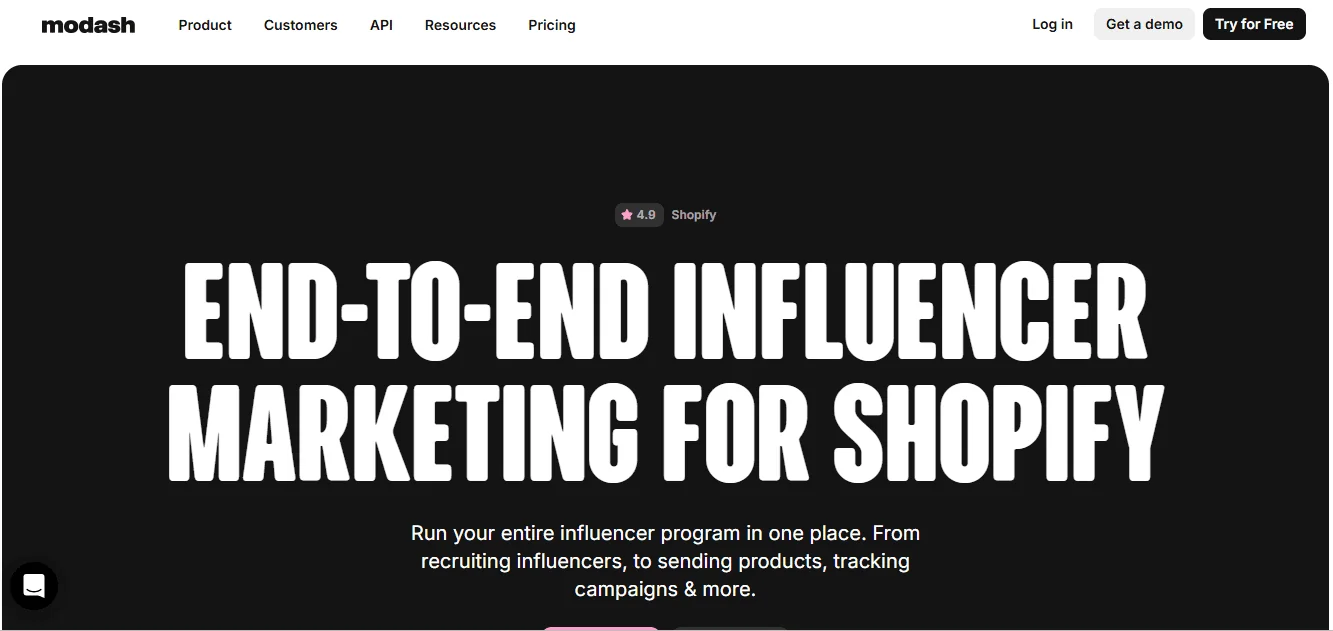
Modash ist eine Influencer-Discovery- und Campaign-Tracking-Plattform, bekannt für ihre große Creator-Datenbank und performance-fokussierte Analytics. Sie positioniert sich als datengesteuerte Lösung, die Marken hilft, Creator im großen Maßstab zu finden und zu bewerten.
Für Magento-Marken, die die beste Influencer-Marketing-Software für Magento erkunden, dient Modash typischerweise als Discovery- und Evaluierungs-Engine, während Magento die Quelle der Wahrheit für Revenue und Order-Tracking bleibt.
Idealer Einsatz für:
D2C-Marken und E-Commerce-Teams, die großflächige Influencer-Discovery, Zielgruppen-Analytics und datengesteuerte Creator-Auswahl priorisieren — besonders solche, die Performance-basierte Kampagnen durchführen, die an Magento-Revenue gebunden sind.
So funktioniert es mit Magento:
In einem Magento-basierten Stack funktioniert Modash typischerweise als Discovery- und Campaign-Monitoring-Ebene.
Auf Workflow-Ebene:
- Marketing-Teams nutzen Modash, um seine Creator-Datenbank zu durchsuchen und nach Zielgruppen-Demografien, Engagement-Rate und Nische zu filtern.
- Ausgewählte Influencer erhalten verfolgbare Links oder Gutscheincodes, die auf Magento-Produkt- oder Landing Pages führen.
- Traffic und Conversions werden über Magento (oder ein verbundenes Affiliate-System) verfolgt.
- Performance-Daten von Modash und Magento werden überprüft, um die Campaign-ROI zu bewerten.
Modash hilft Magento-Marken, die richtigen Creator zu finden und Performance-Metriken zu bewerten, während Magento Checkout, Kundendatensätze und Order-Level-Revenue verwaltet.
Preisgestaltung:
- Essentials: $199/Mo
- Performance: $499/Mo
- Enterprise: $14,700/Jahr
Modash wird generell als günstigere, discovery-fokussierte Alternative zu Enterprise-Plattformen positioniert.
Benutzerfreundlichkeit (UX/UI):
Nutzer beschreiben Modash häufig als intuitiv und unkompliziert, besonders bei der Influencer-Suche und Filterung. Die Oberfläche wird oft für ihre Einfachheit beim Anwenden detaillierter Filter ohne übermäßig technischen Charakter gelobt. Im Vergleich zu unternehmensorientierten Plattformen berichten viele Nutzer, dass Modash eine kürzere Lernkurve hat.
Kundensupport:
Kundenrezensionen heben häufig reaktionsschnelle und hilfreiche Support-Teams hervor, besonders während des Onboarding. Nutzer erwähnen oft klare Dokumentation und Bereitschaft des Teams, produktbezogene Fragen zu beantworten. Wie bei den meisten SaaS-Tools kann die Support-Tiefe je nach Plan-Tier variieren, aber die Gesamtstimmung ist positiv.
Wichtigste Funktionen:
- 350M+ Creator-Datenbank (Keine Opt-In erforderlich): Modash bietet Zugriff auf eine riesige Influencer-Datenbank über große Social-Media-Plattformen. Da Creator keine Zustimmung erteilen müssen, können Marken unerschlossene Influencer entdecken, die über traditionelle Marketplace-Beschränkungen hinausgehen.
- Erweiterte Zielgruppen- & Engagement-Filter: Die Plattform ermöglicht es Marken, Creator nach Standort, Zielgruppen-Demografie, Engagement-Rate und Nische zu filtern. Dies hilft Magento-Marken sicherzustellen, dass die Influencer-Zielgruppen mit ihren Kundengruppen übereinstimmen, bevor Traffic zu Produktseiten gelenkt wird.
- KI-gestützte visuelle Suche: Modash verfügt über Tools zur Bilderkennung, die Marken helfen, Influencer basierend auf visuellen Content-Themen zu finden. Dies ist besonders nützlich für eCommerce-Marken, die visuell ansprechende Produkte verkaufen.
- Campaign-Monitoring & Performance-Tracking: Marken können Influencer-Posts, Engagement und Content-Performance innerhalb der Plattform verfolgen. Während Magento Revenue-Tracking übernimmt, bietet Modash Einblicke in die Top-of-Funnel-Campaign-Aktivität.
- Affiliate- & Link-Tracking-Support: Modash unterstützt das Tracking von Links und Campaign-Monitoring, sodass Magento-Marken Influencer-Aktivitäten mit Performance-Metriken verbinden können.
Plattform-Limitierungen:
Begrenzte native Outreach-Automatisierung: Im Vergleich zu vollständigen Influencer-CRMs bietet Modash weniger integrierte E-Mail-Automatisierung und Workflow-Management-Funktionen. Marken benötigen möglicherweise ein zusätzliches CRM oder Outreach-Tool, um die Kommunikation zu skalieren.
Revenue-Attribution hängt von externen Systemen ab: Während Modash bei der Entdeckung und Campaign-Verfolgung hilft, erfordern tiefe Order-Level-Attribution und Provisionsautomatisierung in der Regel eine Magento- oder separate Affiliate-Plattform-Integration.
7. Aspire

Aspire (ehemals AspireIQ) ist eine Influencer-Marketing- und UGC-Plattform, die Marken dabei hilft, langfristige Creator-Communities aufzubauen, Campaigns zu verwalten und Ambassador-Programme zu skalieren. Sie ist besonders für ihren Inbound-Creator-Marketplace und strukturierte Campaign-Workflows bekannt.
Für Magento-Marken, die nach der besten Influencer-Marketing-Software für Magento recherchieren, wird Aspire oft als beziehungsorientierte Plattform positioniert, die das eCommerce-Revenue-Tracking ergänzt.
Ideal geeignet für:
Mid-Market- und Enterprise-eCommerce-Marken, die Ambassador-Programme aufbauen, Inbound-Creator-Bewerbungen verwalten und UGC-Produktion neben Magento-gesteuerten Verkäufen skalieren möchten.
Wie es mit Magento funktioniert:
In einem Magento-basierten Stack fungiert Aspire typischerweise als Influencer-Beziehungs- und Campaign-Management-Layer, während Magento Checkout, Bestellungen und Kundendaten verwaltet.
Auf Workflow-Ebene:
- Marken rekrutieren Creator über Aspires Marketplace oder Outbound-Discovery-Tools.
- Influencer erhalten nachverfolgbare Links oder Rabattcodes, die Traffic zu Magento-Produkt- oder Landing Pages leiten.
- Bestellungen werden in Magento verarbeitet und Revenue-Daten werden an das Campaign-Reporting zurückgebunden.
- Teams verwalten Content-Genehmigungen, Gifting-Logistik und Performance-Überprüfung innerhalb von Aspire.
Aspire hilft Magento-Marken dabei, Creator-Onboarding, Zusammenarbeit und Campaign-Workflows zu optimieren, während Magento die Quelle der Wahrheit für Revenue-Attribution bleibt.
Preise:
Aspire arbeitet mit einem gestaffelten jährlichen Vertragsmodell, wobei die Preise je nach Creator-Volume und Feature-Zugriff angepasst werden.
Die Preisgestaltung ist nicht öffentlich zugänglich und liegt ungefähr bei $2.000 - $5.000/Monat.
Benutzerfreundlichkeit (UX/UI):
Nutzer beschreiben Aspire häufig als gut organisiert und workflow-orientiert, besonders beim Verwalten mehrstufiger Influencer-Campaigns. Viele schätzen das zentralisierte Dashboard für Kommunikation, Content-Genehmigungen und Campaign-Tracking. Einige Bewertungen merken jedoch an, dass die Plattform anfangs feature-lastig wirken kann, besonders für kleinere Teams.
Kundenunterstützung:
Kundenbewertungen heben häufig strukturiertes Onboarding und dedizierte Account-Unterstützung hervor, besonders für Mid-Market- und Enterprise-Clients. Nutzer erwähnen hilfreiche Implementierungsleitfäden und regelmäßige Check-ins während der Campaign-Einrichtung. Wie bei vielen Enterprise-fokussierten Plattformen kann die Support-Erfahrung vom Vertragsniveau abhängen.
Hauptfunktionen:
- Inbound Creator Marketplace: Aspire ermöglicht es Marken, Bewerbungsseiten zu erstellen, auf denen Influencer sich direkt auf Kampagnen bewerben können. Dies ist besonders nützlich für Magento-Marken, die Ambassador-Programme aufbauen und Creator organisch akquirieren, anstatt sich ausschließlich auf proaktive Ansprache zu verlassen.
- Strukturierte Kampagnen-Workflows: Die Plattform bietet integrierte Tools für die Verwaltung von Verträgen, Genehmigungen, Lieferpflichten und Fristen. Dies unterstützt Teams, die komplexe Influencer-Kampagnen im Zusammenhang mit Magento-Produktstarts durchführen.
- UGC-Management & Content-Bibliothek: Aspire zentralisiert von Influencern erstellte Inhalte und hilft bei der Verwaltung von Nutzungsrechten. Magento-Marken können genehmigten Content für Produktseiten, Anzeigen und E-Mail-Kampagnen wiederverwenden, ohne die Übersicht über Genehmigungen zu verlieren.
- Affiliate- & Performance-Tracking: Aspire unterstützt leistungsbasierte Partnerschaften durch die Nachverfolgung von Links und Rabattcodes. Der Umsatz aus Magento kann bestimmten Creatorn zugeordnet werden für provisionsbasierte Zusammenarbeit.
- First-Party-Plattform-Datenzugriff: Aspire integriert sich mit Social-Media-Plattformen, um direkte Performance-Daten bereitzustellen und Marken bei der Bewertung der Influencer-Effektivität über oberflächliche Metriken hinaus zu helfen.
Plattform-Beschränkungen:
Höhere Kosten für wachsende Marken: Mit Preisen, die oft im niedrigen fünfstelligen Bereich pro Monat liegen und als Jahresverträge strukturiert sind, kann Aspire für aufstrebende Magento-Marken zu kostspielig sein.
Weniger Fokus auf tiefe Commerce-Attribution: Während Aspire Affiliate-Tracking unterstützt, erfordert Magento-seitiges Revenue Reporting möglicherweise zusätzliche Konfiguration oder Integration im Vergleich zu Plattformen, die speziell für E-Commerce-Attribution entwickelt wurden.
8. CreatorIQ

CreatorIQ ist eine Enterprise-Influencer-Marketing-Plattform für global tätige Marken, die erweiterte Governance, abteilungsübergreifende Zusammenarbeit und API-gesteuerte Berichterstellung benötigen. Sie wird häufig von großen Organisationen verwendet, die Influencer-Programme über mehrere Regionen und Geschäftsbereiche hinweg durchführen.
Für Magento-Marken, die die beste Influencer-Marketing-Software für Magento evaluieren, wird CreatorIQ in der Regel in Betracht gezogen, wenn Influencer-Marketing mit Enterprise-Level-Daten, Compliance und Berichterstellung ausgerichtet werden muss.
Beste Eignung für:
Enterprise- und globale E-Commerce-Marken, die Multi-Market-Influencer-Programme durchführen und strikte Governance, Genehmigungsworkflows sowie zentralisierte Berichterstellung basierend auf Magento-Umsatzdaten benötigen.
Funktionsweise mit Magento:
In einem Magento-basierten Stack fungiert CreatorIQ typischerweise als Governance- und Reporting-Layer für Kampagnen, während Magento die Quelle der Wahrheit für Bestellungen und Kundendaten bleibt.
Auf Workflow-Ebene:
- Marketing-Teams integrieren und verwalten Creator innerhalb von CreatorIQ.
- Influencer fördern Magento-Produktseiten mithilfe von nachverfolgbaren Links oder Affiliate-ähnlichen Kennungen.
- Bestell- und Umsatzdaten von Magento werden durch Integrationen oder API-Workflows verbunden.
- Campaign- und Creator-Performance werden in CreatorIQ-Dashboards analysiert.
Dieses Setup ermöglicht es Enterprise-Magento-Marken, Influencer-Aktivität mit Commerce-Performance zu verbinden und gleichzeitig interne Compliance, Genehmigungen und finanzielle Überwachung zu gewährleisten.
Preisgestaltung:
CreatorIQ arbeitet nach einem strikten Jahresvertragsmodell mit nicht veröffentlichten Preisen, ungefähr $35,000 bis $200,000/Jahr.
Benutzerfreundlichkeit (UX/UI):
Benutzer beschreiben CreatorIQ häufig als leistungsstark, aber sehr unternehmensorientiert. Das Dashboard bietet detaillierte Berichterstellung und strukturierte Workflows, die größere Teams schätzen. Kleinere Teams berichten jedoch manchmal von einer steileren Lernkurve aufgrund der Tiefe und Komplexität der Plattform.
Kundensupport:
Enterprise-Kunden erwähnen häufig dedizierte Account Manager und strukturierte Onboarding-Prozesse. Der Support wird generell als professionell und gründlich beschrieben, insbesondere während der Implementierung. Einige Benutzer merken jedoch an, dass Enterprise-Level-Prozesse längere Bearbeitungszeiten für Konfigurationsänderungen bedeuten können.
Hauptfunktionen:
- Enterprise Governance & Approval Workflows: CreatorIQ bietet strukturierte Genehmigungsprozesse, Compliance-Tracking und interne Überprüfungssysteme. Dies ist besonders nützlich für Magento-Marken, die über mehrere Abteilungen oder in regulierten Branchen tätig sind.
- API-basierte Berichterstattung & Datenintegration: Die Plattform bietet robuste API-Funktionen, mit denen Marken Influencer-Daten mit E-Commerce-Systemen wie Magento verbinden können. Dies unterstützt zentralisierte Performance-Dashboards und erweiterte Business Intelligence Reports.
- Globale Zahlungs- & Compliance-Verwaltung: CreatorIQ unterstützt Multi-Currency-Zahlungen und globale Creator-Compliance-Dokumentation. Dies ist wertvoll für Enterprise-Magento-Marken, die grenzüberschreitende Influencer-Kampagnen durchführen.
- Advanced Creator CRM: Die Plattform zentralisiert Creator-Profile, bisherige Zusammenarbeiten, Verträge und Performance-Metriken. Dies unterstützt langfristiges Relationship Management im großen Maßstab.
- Kampagnentracking über Märkte hinweg: CreatorIQ ermöglicht Marken die Überwachung von Influencer-Kampagnen über Regionen und Teams hinweg, während einheitliche Reporting-Standards gewahrt bleiben und die Ergebnisse an Magento-Umsätze gebunden werden.
Plattformbeschränkungen:
Hohe Kosten & Enterprise-Ausrichtung: Mit Preisen, die typischerweise im fünfstelligen Bereich pro Jahr beginnen, ist CreatorIQ für kleinere oder mittelständische Magento-Marken oft unerschwinglich.
Komplexe Implementierung: Aufgrund seiner Enterprise-Level-Integrationen und Governance-Features kann die Implementierung eine Koordination zwischen Marketing-, IT- und Finance-Teams erfordern, was die Einrichtung komplizierter macht als leichtgewichtigere Plattformen.
9. Influencity

Influencity ist eine Influencer-Marketing-Plattform mit Fokus auf Creator-Discovery, Audience-Analytics und Kampagnenmanagement. Sie positioniert sich als flexible, datengestützte Lösung für Marken und Agenturen, die starke Filterungsfunktionen und Performance-Reporting ohne vollständige Enterprise-Anforderungen wünschen.
Für Magento-Marken, die die beste Influencer-Marketing-Software für Magento evaluieren, fungiert Influencity typischerweise als Discovery- und Campaign-Tracking-Layer, während Magento die autoritative Quelle für Umsätze bleibt.
Beste Eignung für:
Wachsende D2C-Marken und Agenturen, die skalierbare Influencer-Discovery, detaillierte Audience-Analytics und strukturiertes Kampagnentracking zur Unterstützung von Magento-getriebenen Verkäufen wünschen.
So funktioniert es mit Magento:
In einem Magento-basierten Stack fungiert Influencity als Influencer-Such-, Vettin- und Kampagnenmanagement-Layer.
Auf Workflow-Ebene:
- Teams entdecken Influencer mit Hilfe von erweiterten Audience- und Demografiefiltern.
- Influencer bewerben Magento-Produkte oder Landing Pages über Tracking-Links oder Rabattcodes.
- Bestellungen und Umsätze werden in Magento erfasst.
- Performance-Daten aus Magento (über Tracking-Links oder Affiliate-Systeme) werden zusammen mit Kampagnenmetriken in Influencity überprüft.
Magento kümmert sich um Checkout, Kundendatensätze und Lifetime-Value-Tracking, während Influencity die Influencer-Auswahl, Kampagnenkoordination und Performance-Analyse unterstützt.
Preisgestaltung:
Influencity bietet monatliche Pläne im Bereich von etwa 200 bis 400 Euro, je nach Funktionsumfang.
- Starter: Perfekt für kleine Teams, die neu in Influencer Marketing sind, ab 199 €/Monat. Enthält grundlegende Funktionen, Instagram-Zugang und eine 14-tägige kostenlose Testversion.
- Business: Mit 499 €/Monat erweitert dieser Plan TikTok, YouTube, 500 monatliche Credits, Audience-Overlap-Insights und prioritären Support. Ideal für wachsende Teams, die mehrere Kampagnen verwalten.
- Elite: Konzipiert für Agenturen oder große Teams bietet dieser 799 €/Monat Plan 1.000 Credits, dedizierten Customer-Success-Support und Enterprise-Level-Tools. Vertraut von über 1.000 Unternehmen weltweit.
Benutzerfreundlichkeit (UX/UI):
Nutzer beschreiben Influencity häufig als sauberes und intuitives Interface, besonders wenn es um die Anwendung detaillierter Audience-Filter geht. Das Dashboard gilt generell als einsteigerfreundlich, auch für kleinere Teams. Einige Nutzer merken an, dass die Bandbreite der Filter und Analytics-Tools Zeit braucht, um vollständig beherrscht zu werden.
Kundensupport:
Kundenreviews heben häufig reaktiven Support und hilfreiche Onboarding-Ressourcen hervor. Viele Nutzer schätzen die Verfügbarkeit von Live-Chat und strukturierter Hilfedokumentation. Wie bei den meisten SaaS-Plattformen kann die Support-Tiefe je nach Abonnement-Tier variieren.
Hauptfunktionen:
- Erweiterte Zielgruppenfilterung & Segmentierung: Influencity ermöglicht es Marken, Creator nach detaillierten Zielgruppen-Demografien, Interessen, Standort und Engagement-Kennzahlen zu filtern. So stellen Magento-Marken sicher, dass die Zielgruppen der Influencer eng mit den Profilen ihrer Kundschaft übereinstimmen, bevor Traffic auf Produktseiten geleitet wird.
- Campaign-Management-Dashboard: Die Plattform zentralisiert Campaign-Tracking, Influencer-Listen und Performance-Berichte. Dies unterstützt Magento-Marken beim gleichzeitigen Durchführen mehrerer Kampagnen und bei der Kontrolle, welche Creator messbaren Impact generieren.
- Influencer-Beziehungsverwaltung: Influencity verfügt über CRM-ähnliche Funktionen zur Verfolgung von Gesprächen, Notizen und Zusammenarbeitsverlauf. Dies hilft Marken, langfristige Beziehungen zu leistungsstarken Creatorn aufzubauen.
- Konkurrenz- & Marktanalyse: Die Plattform bietet Benchmarking-Tools, mit denen Marken die Influencer-Aktivitäten von Konkurrenten und Campaign-Performance-Trends analysieren können. Magento-Marken können diese Daten nutzen, um ihre Partnership-Strategie zu verfeinern.
- Datenexport & Reporting-Tools: Influencity stellt anpassbare Reports und Datenexporte bereit, sodass Teams Influencer-Analysen mit Magento-Umsatzdaten für interne ROI-Analysen kombinieren können.
Plattform-Einschränkungen:
Begrenzte native Umsatz- & Provisionsautomatisierung: Obwohl Influencity in Analytics und Discovery stark ist, ist es für die umfassende Revenue-Attribution und automatisierte Provisionszahlungen auf Magento oder Third-Party-Tools angewiesen.
Weniger Enterprise-Governance als größere Plattformen: Für globale Marken, die umfangreiche Compliance-Workflows und abteilungsübergreifende Genehmigungen benötigen, wirkt Influencity möglicherweise leichter gewichtig im Vergleich zu Enterprise-fokussierten Lösungen.
10. Upfluence
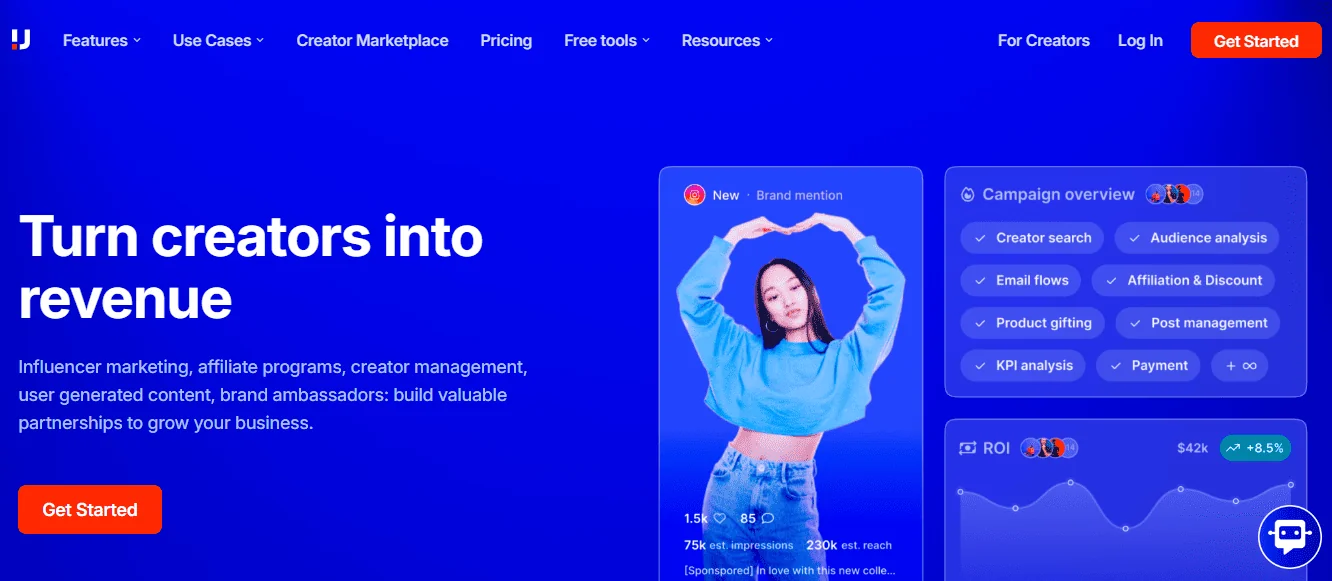
Upfluence ist eine Influencer-Marketing- und Affiliate-Management-Plattform, die mit starken E-Commerce-Integrationen konzipiert ist. Sie ist besonders bekannt für ihre Fähigkeit, Influencer im bestehenden Kundenstamm einer Marke zu identifizieren, sowie für ihre Verbindungen zum Shopify- und Amazon-Ökosystem.
Für Magento-Marken, die die beste Influencer-Marketing-Software für Magento evaluieren, bietet Upfluence eine Kombination aus Influencer-Discovery, CRM-Workflows und Affiliate-ähnlichem Tracking.
Ideal geeignet für:
E-Commerce-Marken, die Influencer- und Affiliate-Programme durchführen und Creator-Marketing direkt mit Store-Daten verbinden möchten – besonders Teams, die daran interessiert sind, Kunden zu identifizieren, die bereits Influencer sind.
So funktioniert es mit Magento:
In einem Magento-basierten Stack fungiert Upfluence typischerweise als Influencer-Discovery- und CRM-Schicht, verbunden mit den Bestell- und Kundendaten Ihres Stores.
Auf Workflow-Ebene:
- Magento-Stores speichern Kunden- und Bestelldaten wie üblich.
- Upfluence synchronisiert E-Commerce-Daten, um Kunden zu identifizieren, die möglicherweise auch Influencer sind.
- Marketing-Teams rekrutieren Influencer, weisen nachverfolgbare Links oder Discount-Codes zu und verwalten Kampagnen in Upfluence.
- Verkäufe, die über Magento generiert werden, werden Creatorn zugeordnet für Performance-Tracking und Provisionsmanagement.
Dieses Setup ermöglicht es Magento-Marken, Influencer-Discovery und Revenue-Attribution zu verbinden, ohne Store-Daten manuell abzustimmen.
Preisgestaltung:
Upfluence arbeitet nach einem jährlichen Vertragsmodell mit monatlicher Abrechnung. Die Preisgestaltung ist nicht öffentlich, liegt aber bei etwa $2.000/Mo. Marken müssen ein Demo anfordern, um ein maßgeschneidertes Angebot zu erhalten.
Benutzerfreundlichkeit (UX/UI):
Benutzer beschreiben Upfluence häufig als funktionsreich mit starkem E-Commerce-Fokus. Die Oberfläche wird allgemein als strukturiert und praktisch für die Verwaltung von Influencer-Pipelines bewertet. Einige Reviews merken jedoch an, dass die Plattform anfangs aufgrund der Vielzahl von Funktionen und Datenintegrationen komplex wirken kann.
Kundensupport:
Kundenrückmeldungen heben häufig hilfreiche Onboarding- und unterstützte Implementierung hervor, besonders bei E-Commerce-Integrationen. Viele Benutzer berichten von responsiven Account Managern während der Einrichtung. Einige Reviews deuten darauf hin, dass die laufende Support-Reaktionsfähigkeit möglicherweise vom Plan-Tier und der Vertragsgröße abhängt.
Wichtigste Funktionen:
- Kundenidentifikation für Influencer-Programme: Upfluence kann Magento-Kundendaten analysieren, um Personen zu identifizieren, die bereits in Ihrem Shop einkaufen und gleichzeitig über Influencer-Profile verfügen. Dies ermöglicht es Marken, authentische Befürworter zu priorisieren und potenziell die Konversionsraten zu verbessern.
- E-Commerce-fokussiertes Affiliate-Tracking: Die Plattform unterstützt influencer-spezifische Links und Rabattcodes, die direkt mit Store-Verkäufen verbunden sind. Magento-Marken können Umsätze Creator zuordnen und provisionsbasierte Partnerschaften verwalten.
- Integriertes Influencer-CRM: Upfluence zentralisiert Kontaktdaten von Influencern, Kommunikationsverlauf und Campaign-Performance. Dies unterstützt den Aufbau langfristiger Beziehungen anstelle von einmaligen Zusammenarbeiten.
- Marketplace & Discovery-Datenbank: Marken können nach Influencern suchen und Filter basierend auf Nische, Zielgruppendaten, Engagement-Raten und Plattform-Präsenz verwenden. Dies unterstützt die strategische Creator-Rekrutierung in Einklang mit Magento-Produktkategorien.
- Amazon & Multi-Channel-Integrationsfunktionen: Zusätzlich zu E-Commerce-Store-Integrationen unterstützt Upfluence Amazon-Workflows. Dies kann wertvoll für Magento-Marken sein, die auch über Marktplätze verkaufen.
Plattformeinschränkungen:
Preisgestaltung skaliert mit CRM-Größe: Einige Nutzer berichten, dass die Kosten je nach Anzahl der im CRM gespeicherten Influencer steigen, was die Skalierbarkeit für schnell wachsende Programme beeinträchtigen kann.
Jahresvertrag erforderlich: Die Plattform erfordert typischerweise Jahresverträge, was für Marken, die Influencer-Marketing zum ersten Mal testen, weniger flexibel sein kann.
Die richtige Influencer-Marketing-Software für Magento wählen
- Für vollständiges Funnel-Tracking und ROI-Transparenz: Wenn Sie die Auswirkungen von Influencern direkt in Magento messen möchten, einschließlich Umsatz, AOV und Wiederholungskäufe, wählen Sie eine Plattform, die auf Commerce-Attribution ausgerichtet ist, nicht nur auf Engagement-Metriken.
- Für Creator-Entdeckung und Outreach: Wenn Ihr Hauptfokus darin liegt, Creator zu finden und Kampagnen zu starten, könnten Discovery-fokussierte Plattformen mit starken Zielgruppenfiltern und Outreach-Tools ausreichen. Magento kann das Sales-Tracking separat handhaben.
- Für Gifting oder Affiliate-Programme im großen Maßstab: Marken, die Produkte verschicken oder provisionsbasierte Programme betreiben, sollten Tools priorisieren, die die Erstellung von Links, Rabattcodes und Auszahlungsberechnungen im Zusammenhang mit Magento-Bestellungen vereinfachen.
- Für langfristiges, performancegestütztes Wachstum: Wenn Influencer-Marketing ein Kernaquisitionskanal für Ihren Magento-Shop ist, ist eine einheitliche Plattform, die Entdeckung, Kampagnen und Revenue-Tracking in einem Workflow verbindet, typischerweise der effizienteste Ansatz.
Fazit
Die Wahl der besten Influencer-Marketing-Software für Magento hängt davon ab, wie eng Sie Influencer-Aktivitäten an reale E-Commerce-Performance gebunden haben möchten. Einige Plattformen sind am stärksten bei der Entdeckung und Zielgruppenanalyse, während andere sich auf Affiliate-Automatisierung oder Enterprise-Governance konzentrieren. Für Magento-Marken ist der Schlüsselfaktor, ob Influencer-Kampagnen direkt mit Store-Daten verbunden sind, sodass Sie Umsatz, Kundenqualität und langfristigen ROI messen können – nicht nur Klicks und Engagement.
Die Zuordnung von Umsatz zum richtigen Creator ist erst die halbe Miete. Um zu verstehen, wie Influencer-Touchpoints mit bezahlten, organischen und E-Mail-Kanälen interagieren, benötigen Sie einen umfassenderen Überblick – diese Top-Marketing-Attribution-Tools können Ihnen diese Full-Journey-Perspektive geben.
Wenn Ihr Ziel vollständiges Funnel-Tracking, optimierte Workflows und performancegestütztes Wachstum in Magento ist, sticht Influencer Hero als die umfassendste Lösung für native Integration und Revenue-Attribution hervor. Testen Sie noch heute, wie es funktioniert, und buchen Sie eine Demo hier.
Zusammenfassung
Dies ist ein Text in einem Div-Block.
Dies ist ein Text in einem Div-Block.
Preisgestaltung/Monat
Shopify Bewertungen
Dies ist etwas Text in einem Div-Block.
Dies ist Text in einem Div-Block.
Dies ist Text in einem Div-Block.
Dies ist etwas Text in einem Div-Block.
Dies ist Text in einem Div-Block.
Dies ist Text in einem Div-Block.
Dies ist etwas Text in einem Div-Block.
Dies ist Text in einem Div-Block.
Dies ist Text in einem Div-Block.
Dies ist etwas Text in einem Div-Block.
Dies ist Text in einem Div-Block.
Dies ist Text in einem Div-Block.
Dies ist etwas Text in einem Div-Block.
Dies ist Text in einem Div-Block.
Dies ist Text in einem Div-Block.
Dies ist etwas Text in einem Div-Block.
Dies ist Text in einem Div-Block.
Dies ist Text in einem Div-Block.
Dies ist etwas Text in einem Div-Block.
Dies ist Text in einem Div-Block.
Dies ist Text in einem Div-Block.
Mehr erfahren

Häufig gestellte Fragen
Was ist die beste Influencer-Marketing-Software für Magento?

Die beste Influencer-Marketing-Software für Magento ist eine, die Influencer-Kampagnen direkt mit Shop-Umsatz, Bestellungen und Kundendaten verbindet. Während Plattformen wie Upfluence, GRIN und impact.com E-Commerce-Integrationen anbieten, wird Influencer Hero von D2C-Marken oft bevorzugt, die eine einheitliche Influencer-Suche, Outreach, Affiliate-Tracking und Magento-Umsatzzuordnung in einem System suchen.
Kann Magento Influencer-Verkäufe und Rabattcodes nachverfolgen?
Ja, Magento kann Influencer-Verkäufe über Referral-Links und Gutscheincodes nachverfolgen. Um den Umsatz jedoch korrekt einzelnen Creatorn und Kampagnen zuzuordnen, nutzen Marken typischerweise eine dedizierte Influencer-Marketing-Plattform wie Influencer Hero, Upfluence oder impact.com, um Tracking, Reporting und Provisionsberechnungen zu automatisieren.
Benötigen Sie ein separates Affiliate-Tool, wenn Sie Magento für Influencer-Marketing nutzen?
Das hängt von Ihrer Programmstruktur ab. Wenn Sie leistungsbasierte oder Ambassador-Programme durchführen, benötigen Sie wahrscheinlich eine Plattform, die Affiliate-Tracking und Auszahlungen verwaltet. Tools wie Influencer Hero, impact.com und Upfluence integrieren sich mit Magento, um Provisionen zu verwalten, Link-Tracking zu automatisieren und manuelle Abstimmungen zu reduzieren.
Welche Funktionen sollte ich in Influencer-Software für Magento suchen?
Magento-Marken sollten Folgendes priorisieren:
- Umsatzzuordnung gebunden an tatsächliche Bestellungen
- Rabattcode- und Link-Tracking
- CRM- und Outreach-Automatisierung
- Berichterstattung zu AOV und Wiederholungskäufen
- Skalierbare Affiliate- oder Seeding-Workflows
Plattformen wie Influencer Hero konzentrieren sich stark auf E-Commerce-Attributionen, während andere wie Modash oder HypeAuditor mehr auf Discovery und Analytics ausgerichtet sind.
Ist Magento für die Skalierung von Influencer- oder Ambassador-Programmen geeignet?
Ja. Magento wird von mittelständischen und großen eCommerce-Marken häufig genutzt, da es vollständige Kontrolle über Bestellungs- und Kundendaten bietet. In Kombination mit einer Influencer-Marketing-Plattform wie Influencer Hero, GRIN oder Upfluence kann Magento skalierbare Influencer-, Affiliate- und Ambassador-Programme mit präzisem Revenue-Tracking und Performance-Reporting unterstützen.







Beliebteste Blog-Beiträge


Steigern Sie Ihren ROI mit Influencer Marketing
Über 1.200 Marken und mehr als 150 Agenturen skalieren ihre Creator-Programme mit Influencer Hero.