Beste Influencer-Marketing-API-Anbieter

March 4, 2026
|
Veröffentlicht

October 12, 2026
|
Aktualisiert

14 Min
|
Lektüre

Influencer Performance Marketing Kurs | GUTSCHEIN: IMC100

María Vincenzini
| Author

Steigern Sie Ihren ROI mit Influencern

Globale Influencer-Datenbank
ALL-IN-ONE Plattform
CRM, Affiliate, UGC & More
Beste Influencer-Marketing-API-Anbieter
Wenn Sie eine Tech-Plattform oder eine schnell wachsende Agentur skalieren, wird Influencer-Marketing schnell zum Daten-Logistik-Albtraum. Sie müssen Tausende von Creatorn überprüfen, Produkt-Seeding in großem Maßstab verwalten und Echtzeit-Konversionsdaten verfolgen, während Sie gleichzeitig Ihre internen Systeme synchron halten.
Für die meisten Product Leads und Agentur-Gründer ist der Engpass nicht mangelndes Talent, sondern das manuelle Plattform-Hopping, das die Effizienz tötet. Deshalb wechseln immer mehr Teams von geschlossenen Dashboards zu Influencer-Marketing-API-Anbietern.
Anstatt sich in fünf verschiedene Tools einzuloggen, um eine Follower-Zahl oder einen Versandstatus zu überprüfen, ermöglicht Ihnen eine API, Creator-Metriken, Zielgruppen-Demografie und ROI-Daten direkt in Ihren eigenen Tech-Stack zu ziehen. Egal ob Sie eine benutzerdefinierte Discovery-Engine aufbauen oder einen Checkout-Flow für Influencer automatisieren – die richtige API fungiert als „Bindegewebe", das Ihnen hilft, zu skalieren, ohne Personal einzustellen.
Dieser Leitfaden präsentiert die Top-Lösungen für 2026, bewertet nach ihrer Datentiefe, Rate Limits und programmatischen Flexibilität.
Die Top-Influencer-Marketing-API-Anbieter für 2026:
Wie wir Influencer-Marketing-API-Anbieter bewertet haben
Um diese Liste zu erstellen, gingen wir über Standard-UI/UX-Bewertungen hinaus. Stattdessen bewerteten wir Plattformen basierend auf ihrer API-Reife und ihrer Fähigkeit, als zuverlässige Datenschicht für externe Tech-Stacks, benutzerdefinierte CRMs und KI-gesteuerte Workflows zu fungieren.
Die Kriterien konzentrierten sich auf die folgenden technischen Säulen:
- Endpunkt-Vielfalt und Datentiefe: Wir priorisierten Anbieter, die mehr als nur grundlegende Follower-Zahlen bieten. Wir suchten nach detaillierten Zielgruppen-Demografien, Betrugserkennung (Bot-Analyse) und „umsetzbaren" Endpunkten wie automatisiertes Seeding, E-Mail-Anreicherung und Echtzeit-Konversionsverfolgung.
- Infrastruktur und Zuverlässigkeit (RPS/RPM): Ein kritischer Faktor für Tech-Anbieter. Wir bewerteten die Standard-Requests Per Second (RPS) und ob der Anbieter „stapelbare" Limits ermöglicht, um große Datensyncs ohne Latenz oder „429 Too Many Requests"-Fehler zu bewältigen.
- Authentifizierung und Developer Experience (DX): Wie einfach ist der Einstieg? Wir suchten nach gut dokumentierten [Public API Docs], standardisierter Authentifizierung (API Keys oder OAuth 2.0) und der Verfügbarkeit von Sandbox-Umgebungen zum Testen.
- Integrationsskalierbarkeit: Über native Social-Plattformen hinaus überprüften wir, wie gut diese APIs mit dem Rest des Tech-Stacks funktionieren – insbesondere ihre Fähigkeit, die Lücke zwischen Social Handles und eCommerce-Plattformen wie Shopify oder internen BI-Tools wie Tableau, BlazeSQL und Looker zu schließen.
- Daten-Aktualität und Webhook-Unterstützung: Für Agenturen und Plattformen sind veraltete Daten ein Deal-Breaker. Wir bewerteten, wie oft Profil-Metriken aktualisiert werden, und ob die API Webhooks unterstützt, um Daten (wie einen neuen Post oder eine Story-Erwähnung) direkt auf Ihren Server in Echtzeit zu „pushen".
- Kosteneffizienz und Quota-Flexibilität: Wir analysierten, wie die Preisgestaltung mit dem Verbrauch skaliert. Speziell suchten wir nach „verbleibenden" Credits und transparenter pro-Anfrage-Preisgestaltung, die es Tech-Anbietern ermöglicht, gesunde Margen zu wahren, während sie ihre eigenen Produkte skalieren.
Beste Influencer-Marketing-API-Anbieter + Tabelle
Die richtige API-Anbieter auszuwählen bedeutet, ein Gleichgewicht zwischen Datentiefe und betrieblicher Benutzerfreundlichkeit zu finden. Während einige Plattformen sich rein auf Raw-Social-Metriken konzentrieren, sind andere so konzipiert, dass sie den gesamten Lebenszyklus eines Creator-Programms bewältigen, einschließlich der kritischen „letzten Meile" der eCommerce-Attribution.
Die folgende Tabelle bietet einen Überblick über die Top-Influencer-Marketing-API-Anbieter, um Ihnen bei der Identifizierung der Lösung zu helfen, die Ihren technischen und geschäftlichen Anforderungen am besten entspricht.
| Plattform | Geeignet für | Hauptunterscheidungsmerkmal |
|---|---|---|
| Influencer Hero | E-Commerce & CRM-Automatisierung | Die Operationsebene: Stellt Endpunkte für Aktionen bereit – Auslösung von Shopify-Giveaways, Zuordnung von Kunden-E-Mails zu Influencern und Automatisierung der ROI-Zuordnung. |
| Influencers.club | Rohdaten & Creator-Anreicherung | Die Dateninfrastruktur: Massive Anreicherung im großen Maßstab nach E-Mail oder Handle mit eindeutigen nativen Knoten für n8n und Clay zum schnellen Aufbau von Datenpipelines. |
| Modash | Hochvolumige globale Entdeckung | Die Suchmaschine: Eine nicht-opt-in-Datenbank mit über 350 Millionen Profilen. Bietet ein „Dual-API"-Modell (Discovery + Raw) um breite Suche mit tiefem Profil-Streaming auszugleichen. |
| HypeAuditor | Publikumsprüfung & Betrugserkennung | Die Prüfungsebene: Industriestandard „Audience Quality Score" (AQS). Die API zeichnet sich darin aus, Bot-Follower und Engagement-Anomalien programmgesteuert zu kennzeichnen. |
| Phyllo | Verifizierte First-Party-Daten | Das Identitäts-Gateway: Nutzt OAuth (zustimmungsbasiert) um auf „Ground-Truth"-Daten wie private Story-Views und Creator-Einnahmen zuzugreifen, die öffentliche Scraper nicht sehen können. |
| CreatorIQ | Enterprise-Berichterstattung & White-Labeling | Die Business-Intelligence-Ebene: Für globale Skalierung mit ausgefeilten White-Label-Möglichkeiten, Multi-Market-Daten-Governance und Enterprise-CRM-Synchronisierung konzipiert. |
1. Influencer Hero
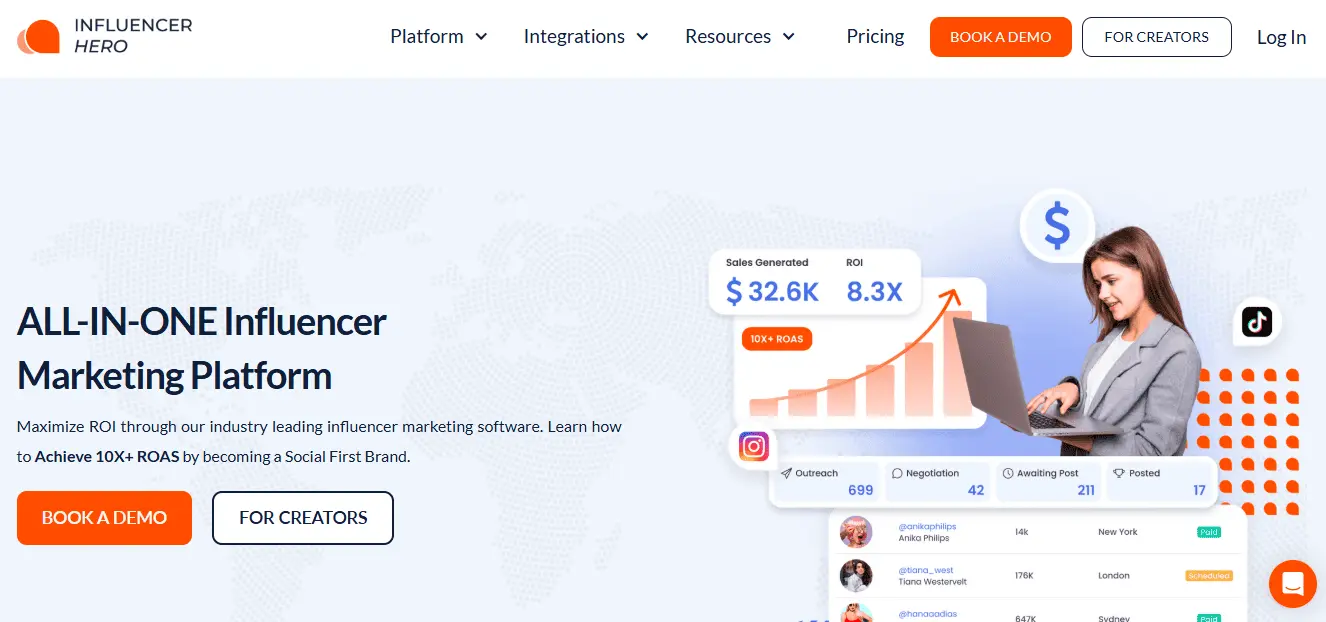
Influencer Hero ist ein Full-Cycle-API-Anbieter, der für Teams konzipiert ist, die die Lücke zwischen Social-Media-Daten und E-Commerce-Betrieb schließen müssen. Anders als „nur-Discovery"-APIs stellt es die Endpunkte bereit, die zur Verwaltung des gesamten Creator-Lebenszyklus erforderlich sind – von der ersten Prüfung bis zur automatisierten Vergiftung und ROI-Verfolgung.
Beste Eignung für: Tech-Anbieter, die Shopify/E-Commerce-Apps entwickeln, Agenturen, die High-Volume-„Performance"-Kampagnen verwalten, und Produktteams, die eine eingebaute CRM-Ebene benötigen.
Der technische Vorteil: Die API bietet eine vielseitige Datenarchitektur für hochperformante Entwickler-Workflows. Wichtige Merkmale sind:
- Programmgesteuerte Entdeckung: Robuste Endpunkte für hochwertige Suche und Filterung – ermöglicht es Ihnen, nach Nische, Standort oder Zielgruppendemografik zu suchen, um benutzerdefinierte Suchoberflächen oder Empfehlungs-Engines zu erstellen.
- Rohdatenzugriff: Die Möglichkeit, "Basis-Metriken" abzurufen, einschließlich Echtzeit-Inhaltsmetadaten, detaillierter Zielgruppendaten und granularer Leistungsdaten für spezifische Profile.
Technische Spezifikationen:
- Dokumentation: Umfassende interaktive Leitfäden für Partner und Nutzer.
- Authentifizierung: Einfache API-Schlüssel-Integration.
- Rate Limits (RPS/RPM):
- 8 RPS (Anfragen pro Sekunde) / 480 RPM Standard im Business-Plan.
- Skalierbarkeit: Für Plattformen mit hohem Volumen können Sie zusätzliche 10-RPS-Module für 1.000 USD/Monat stapeln.
- Pro-Plan: Auch für spezifische Leads mit standardmäßig 4 RPS verfügbar.
- Rate-Limit-Richtlinie: Universal über alle Endpoints; derzeit ist keine Burst-Richtlinie implementiert (vorhersehbarer Durchsatz).
Kosten- und Kontingentstruktur:
Die API ist im Business-Plan enthalten, und Sie zahlen nur für das, was Sie über die standardmäßigen monatlichen Kontingente hinaus nutzen:
- Influencer-Suche: Zusätzliche Suchergebnisse werden mit 1,50 USD pro 100 abgerufene Profile berechnet.
- E-Mail-Anreicherung: Die Identifizierung von Influencern innerhalb einer Kundenliste kostet 5 USD pro 10.000 überprüfte E-Mail-Adressen. Hinweis: Die Abrechnung basiert auf analysierten Adressen, nicht auf gefundenen Influencern.
- Influencer-Analyse-Berichte: Gutschriften können in großen Mengen erworben werden. Einzigartig ist, dass diese Bulk-Gutschriften monatlich übertragen werden, solange Sie einen gültigen Business-Plan beibehalten. Dies ermöglicht flexible Skalierung im Laufe der Zeit.
Plattformbeschränkungen:
Da die Plattform tiefe technische Integrationen und erweiterte Automatisierung (wie Multi-Platform-E-Commerce-Synchronisierung) bietet, kann die anfängliche Konfiguration mehr Entwicklerübersicht erfordern als eine einfache Daten-Scraping-API. Die dedizierte Unterstützung und privaten Slack-Kanäle für Business-Nutzer tragen jedoch dazu bei, die Integrationskurve zu entschärfen.
2. Influencers.club
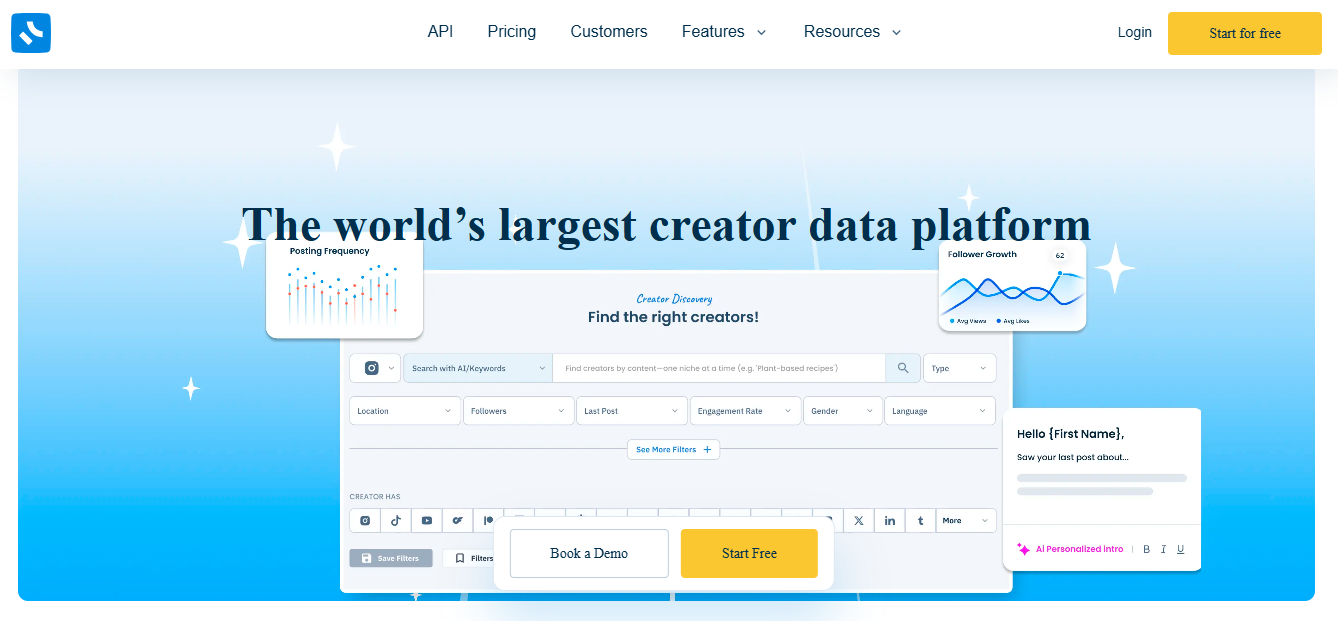
Influencers.club ist eine Creator-Intelligence-Plattform, die für Teams konzipiert ist, die rohe Dateninfrastruktur statt eines verwalteten Dashboards benötigen. Sie ist für Product Teams, KI-Unternehmen und Agenturen im großen Maßstab konzipiert, die ihre eigenen Tools oder automatisierte Prospecting-Workflows ohne den Overhead einer vollständigen Campaign-Suite erstellen möchten.
Beste Lösung für: SaaS-Unternehmen, datengesteuerte Agenturen und Tech-Anbieter, die hochgradig skalierbare Creator-Anreicherung und validierte Kontaktdaten benötigen, um ihre eigenen internen Produkte zu unterstützen.
Der technische Vorteil: Es zeichnet sich durch Creator-Anreicherung aus. Sie können eine einzelne E-Mail-Adresse oder einen Social-Handle durch die API übergeben und erhalten ein vollständiges Profilschema, einschließlich Zielgruppendaten, Multi-Platform-Präsenz und validierte Kontaktinformationen.
Technische Spezifikationen und Fähigkeiten:
- Creator-Anreicherung: Wandeln Sie Lead-Listen programmgesteuert in detaillierte Creator-Profile um, indem Sie Handles oder E-Mails abfragen.
- Entdeckung mit granularen Filtern: Filtern Sie Creator nach Nische, Standort, Engagement-Rate und Zielgruppenmetriken, um programmgesteuert präzise Listen zu erstellen.
- Lookalike-Suche: Ein Endpoint, der Creator identifiziert, die einem bestehenden Satz ähneln – perfekt zum Skalieren von Outreach-Listen oder zum Finden von Alternativen, wenn ein Creator nicht verfügbar ist.
- No-Code und Low-Code-freundlich: Bietet einzigartig einen veröffentlichten n8n-Knoten, der Entdeckung, Anreicherung und Lookalikes abdeckt. Für Clay-Nutzer kann die API direkt über BYOK (Bring Your Own Key) integriert werden, was sie zur einfachsten API auf dieser Liste für die Erstellung datenschwerer Prospecting-Tabellen ohne benutzerdefinierten HTTP-Setup macht.
Kosten- und Kontingentstruktur:
Der Zugriff auf die API und spezialisierte Knoten für n8n und Clay ist im Pro-Plan (ab 208 USD/Monat) enthalten. Die Plattform verwendet ein ressourcenbasiertes Gutschriftsystem, das für Datenoperationen im großen Maßstab konzipiert ist:
- Discovery-API-Aufrufe: Hochrangige Such- oder Lookalike-Discovery-Anfragen werden mit ungefähr 0,01 USD Gutschrift pro abgerufenes Profil berechnet.
- E-Mail-Anreicherung:Mapping a list of emails to their primary social profile costs 0.01 credits pro E-Mail, while a "Full Advanced" enrichment (returning the entire cross-platform social graph) costs 2.00 credits pro E-Mail.
- Handle Enrichment: Pulling raw user and post metadata for a specific handle costs 0.03 credits, whereas a full profile report (including growth trends and stats) costs 1.00 credit.
- Credit Rollover: Similar to Influencer Hero, all unused credits roll over to the next billing period. This is a major technical advantage for developers, ensuring that your budget is never "wasted" during months of lower API usage or testing phases.
Plattformbeschränkungen:
Influencers.club ist eine reine Daten- und API-Schicht. Es enthält keine integrierten CRM-Funktionen, Outreach-Sequenzierung, Gifting-Automatisierung oder Performance-Reporting. Es ist ein „Baustein" – konzipiert als zuverlässige Datenquelle, die den Rest Ihres benutzerdefinierten Stacks antreibt.
3. Modash
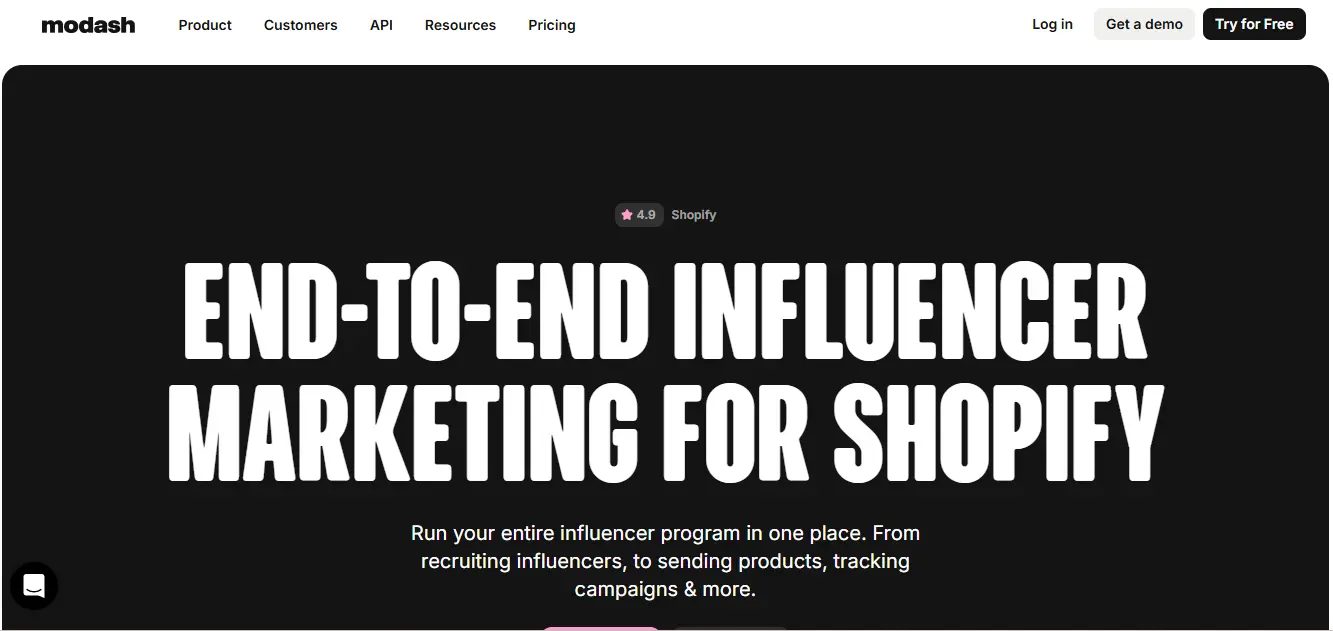
Modash ist die „Suchmaschine" der Creator-Welt. Sie basiert auf einer großen, nicht-opt-in-Datenbank, was bedeutet, dass sie Profile im Web indexiert, anstatt zu warten, bis Creator sich „anmelden". Dies macht sie zur Top-Wahl für Tech-Teams, die umfangreiche Discovery-Funktionen in ihre eigenen Plattformen integrieren müssen.
Beste Eignung für: Plattformen, die „Marketplace"-Funktionen mit einem massiven Pool von über 350 Millionen globalen Creatorn über Instagram, TikTok und YouTube benötigen.
Der technische Vorteil: Modash bietet einen modularen Ansatz mit einer Discovery API zur Suche nach neuen Creatorn und einer Raw API zum Abrufen tiefer, ungefilterte Zielgruppendaten zu bestimmten Profilen.
Technische Spezifikationen:
- API-Module: Separate Endpunkte für Profilsuche, Zielgruppendemografien und Betrugserkennung.
- Datenaktualität: Ihre „Content Monitoring"-API verfolgt automatisch Posts, Reels und Stories, ohne dass sich der Creator anmelden oder authentifizieren muss.
- Dokumentation: Entwicklerfreundliche und interaktive Dokumentation, die eine schnelle Tests von Endpunkten ermöglicht.
Kosten- und Kontingentstruktur:
Die Modash-API-Preisgestaltung ist gestaffelt, je nachdem, ob Sie eine Discovery-Engine oder Live-Überwachung benötigen. Beide Pläne umfassen einen dedizierten Account Manager und Onboarding-Support:
- Discovery API (ab $16.200/Jahr): Enthält 3.000 Credits pro Monat. Credits werden basierend auf dem spezifischen Endpunkt verbraucht:
- Standardsuche: 0,01 Credits pro zurückgegebenem Ergebnis.
- KI-gestützte Suche: 0,15 Credits pro Ergebnis.
- Vollständige Influencer-/Zielgruppenberichte: 1,00 Credit pro Bericht.
- E-Mail-Lookups: 0,02 Credits pro Treffer.
- Raw API (ab $10.000/Jahr): Enthält 40.000 Anfragen pro Monat. Im Gegensatz zur Discovery API wird die Raw API pro Anfrage abgerechnet, nicht pro Credit, was sie für Echtzeit-Überwachung und Content-Tracking äußerst vorhersehbar macht.
- Skalierbarkeit: Mit zunehmender Menge sinken die Kosten pro Credit/Anfrage (z. B. so niedrig wie $0,45 pro Discovery Credit und $0,02 pro Raw-Anfrage), was nachhaltige Margen bei der Skalierung Ihrer Plattform ermöglicht.
Plattformbeschränkungen:
Modash ist in erster Linie eine Daten- und Discovery-Engine. Während die Plattform einige Kampagenverwaltungsfunktionen bietet, ist der API-Zugriff ausschließlich für Datenabruf gedacht. Sie bietet keinen „Schreib"-Zugriff für Outreach-Automatisierung (wie das Versenden von E-Mails über API) oder komplexe E-Commerce-Order-Trigger. Darüber hinaus kann sie aufgrund ihrer Abhängigkeit von öffentlichem Data Scraping die „privaten" First-Party-Metriken (wie Link-Klicks oder Einnahmen) nicht bereitstellen, die ein OAuth-basierter Anbieter wie Phyllo bieten kann.
4. HypeAuditor
HypeAuditor ist die primäre „Vettin-Schicht" der Branche. Während sich andere APIs auf die Entdeckung konzentrieren, ist die API von HypeAuditor spezialisiert auf Risikobewertung und Authentizität des Publikums. Sie ist der Goldstandard für die programmgesteuerte Erkennung von Bot-aufgeblasenen Metriken.
Best Fit For: Marken und Agenturen, die „Brand Safety"-Tools oder digitale Marketingplattformen entwickeln, die die Qualität des Publikums eines Influencers überprüfen möchten, bevor sie ihn für eine Kampagne genehmigen.
The Technical Edge: Ihre Audience Quality Score (AQS) API ermöglicht es Ihnen, eine einzelne, gewichtete Metrik (0-100) basierend auf 35+ Datenpunkten abzurufen, sodass Sie problemlos „Mindestqualitäts"-Schwellenwerte in Ihrer eigenen Anwendung festlegen können.
Technische Spezifikationen:
- Discovery API: Suche nach Creators mit 27+ erweiterten Filtern.
- Reports API: Ziehen Sie detaillierte historische Daten ab, einschließlich Anomalien beim Wachstum der Anhänger und Kostenaufschläge pro Engagement (CPE).
- Suggester API: Ein spezialisierter Endpunkt zum Finden von „ähnlichen" Creators basierend auf einem bestimmten Handle.
Kosten- und Kontingentstruktur:
HypeAuditor verwendet ein kreditbasiertes Modell, bei dem die Kosten pro „Audit" sinken, je mehr Sie kaufen:
- Basispläne: Typischerweise beginnen Sie mit etwa $399/Monat für den Zugriff auf die Plattform, wobei die API-Integration normalerweise ein Enterprise-Tier-Angebot erfordert.
- Kreditverbrauch: 1 Guthaben = 1 vollständiger Bericht (Instagram, TikTok oder YouTube). Wenn ein Bericht nicht generiert werden kann, werden Guthaben in der Regel nicht abgezogen.
- Batch-Auditing: Rabattierte Sätze sind für Teams verfügbar, die monatlich Tausende von Profilen auditen müssen.
Plattform-Einschränkungen:
HypeAuditor ist eine analytische Powerhouse, keine Ausführungs-Engine. Ihre API unterstützt keine „Schreib"-Aktionen wie das Senden von Outreach-E-Mails, die Verwaltung der Produkterfüllung oder die Verarbeitung von Creator-Zahlungen. Da sie außerdem Wert auf Datentiefe legen (bis zu 35+ Metriken pro Profil), kann die Latenz bei einem „Vollständigen Bericht"-Aufruf höher sein als bei einem Standard-„Discovery"-Aufruf, was sich auf das Echtzeit-Gefühl der Benutzeroberfläche Ihrer App auswirken kann.
5. Phyllo
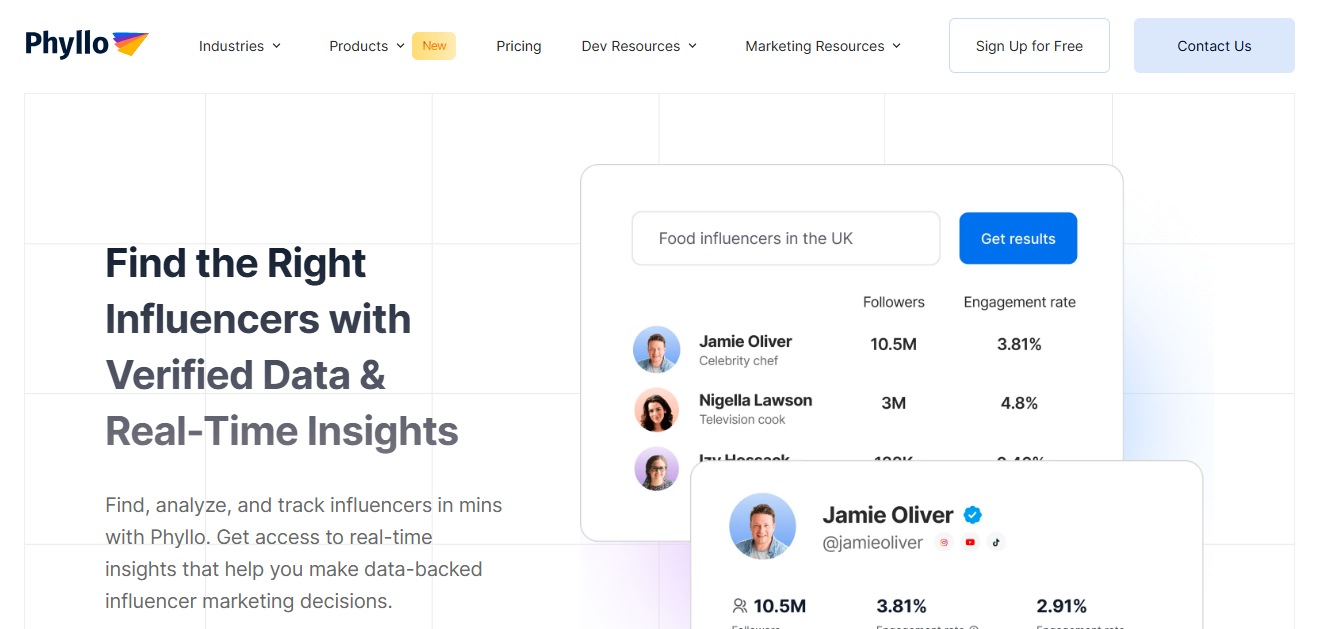
Phyllo fungiert als das „Plaid für die Creator Economy". Im Gegensatz zu den anderen Anbietern auf dieser Liste, die öffentliche Daten scrapen, ist Phyllo ein universelles Daten-Gateway, das OAuth-basierte „Connect"-Flows verwendet. Creator melden sich explizit über Phyllo an, um Ihrer App die Berechtigung zu erteilen, auf ihre Kontodaten zuzugreifen.
Best Fit For: Fintech-Apps (Creator-Kreditvergabe), Zahlungsplattformen oder Social-Commerce-Tools, die verifizierte First-Party-Daten wie private Story-Aufrufe, Link-Klicks und tatsächliche Gewinne erfordern.
The Technical Edge: Es bietet „ground truth"-Daten, die öffentliche Scraper einfach nicht sehen können. Es deckt 20+ Plattformen ab, einschließlich Nischenseiten wie Twitch, LinkedIn und Discord, alle normalisiert in ein einziges JSON-Schema.
Technische Spezifikationen:
- Auth-Methode: OAuth 2.0 (Creator-berechtigt).
- Webhooks: Starke Unterstützung für Echtzeit-Webhooks, die Ihren Server sofort benachrichtigen, wenn sich die Metriken eines Creators ändern oder ein neuer Beitrag veröffentlicht wird.
- Normalisierte Daten: Sie kümmern sich um die „schwierige" Zuordnung verschiedener API-Strukturen von 20+ Plattformen in ein einziges konsistentes Format für Ihre Entwickler.
Kosten- und Kontingentstruktur:
Phyllo nutzt ein personalisiertes, nutzungsbasiertes Preismodell. Da sich die Datenanforderungen für eine Fintech-App (die die Income API erfordert) stark von einem Marketingtool (das die Engagement API erfordert) unterscheiden, stellen sie benutzerdefinierte Angebote basierend auf Ihrer spezifischen Integration bereit:
- Benutzerdefinierte Stufen: Die Preisgestaltung ist auf Ihre Größenordnung zugeschnitten und beginnt normalerweise mit einer Basis-Plattformgebühr, die eine bestimmte Anzahl von verbundenen Konten umfasst.
- API-spezifische Module:Die Kosten sind strukturiert um die spezifischen Daten-"Produkte", die Sie benötigen, wie die Identity API (grundlegende Profilinformationen), Engagement API (Content-Performance) oder Income API (verifizierte Einnahmen und Auszahlungen).
- Nutzungsbasierte Skalierung: Mit dem Wachstum Ihrer Nutzerbasis bietet Phyllo volumenbasierte Rabatte auf die Anzahl der aktiven Creator-Verbindungen und Datenaktualisierungsfrequenzen.
- Beratende Onboarding: Um ein genaues Angebot zu erhalten, werden technische Teams ermutigt, sich direkt mit ihrem Sales-Team in Verbindung zu setzen. Dies stellt sicher, dass der Plan mit Ihrer erforderlichen Synchronisierungsfrequenz und den spezifischen Social-Media-Plattformen, die Sie abdecken müssen, abgestimmt ist.
Plattformbegrenzungen:
Die Hauptbegrenzung von Phyllo ist die „Connection Friction." Sie können Phyllo nicht verwenden, um einen Creator zu entdecken oder zu prüfen, der sich noch nicht in Ihre App angemeldet hat. Wenn Ihre Plattform eine Datenbank von 100 Millionen+ Profilen durchsuchen muss, um neue Talente zu finden, kann Phyllo nicht helfen. Es ist ein „Post-Authentication"-Tool – es liefert tiefe Daten für Creator, die Sie bereits kennen, keine Discovery-Engine zum Finden neuer.
6. CreatorIQ
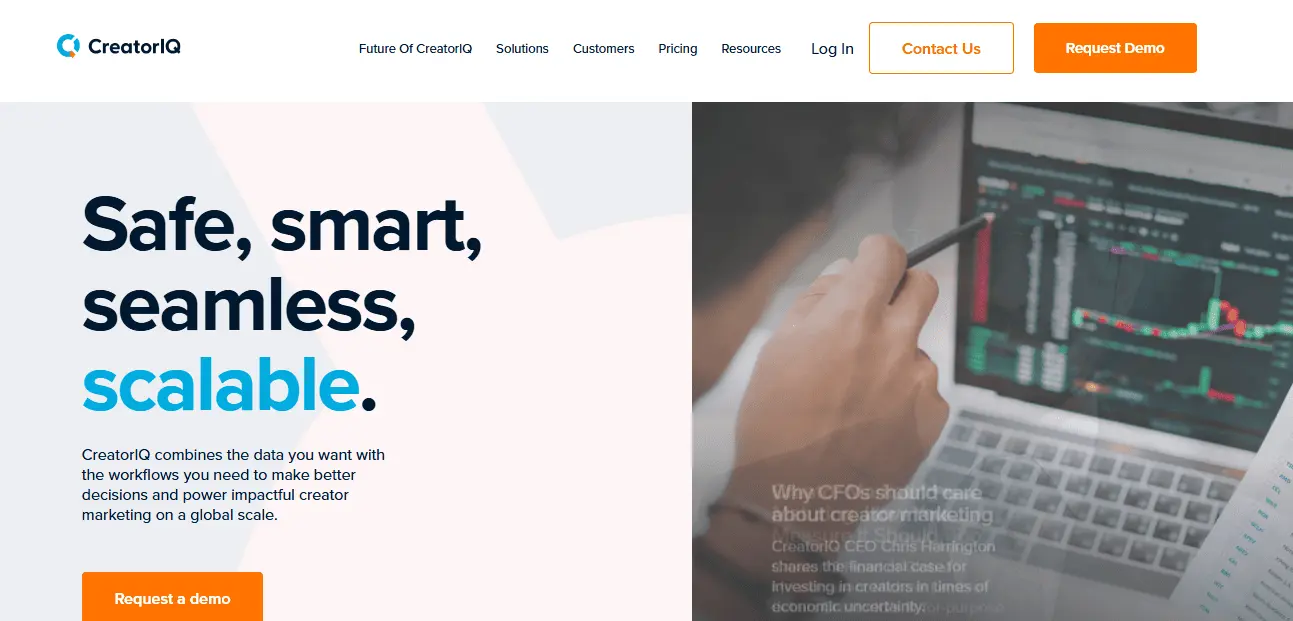
CreatorIQ ist das unternehmensweite „System of Record." Ihre API, bekannt als ExchangeIQ, ist für globale Organisationen konzipiert, die Creator-Daten über mehrere interne Abteilungen und externe Business-Intelligence-(BI)-Tools synchronisieren müssen.
Am besten geeignet für: Fortune-500-Unternehmen und globale Agenturen, die eine Creator-Erfahrung als White-Label anbieten oder Campaign-Performance in unternehmensweite CRMs wie Salesforce oder Microsoft Dynamics synchronisieren müssen.
Der technische Vorteil: Es bietet das höchste Niveau von Enterprise Data Governance. Sie können global Divisionsberechtigungen, Creator-Vertragsstatus und komplexe Zahlungsabläufe über 180 Länder programmgesteuert verwalten.
Technische Spezifikationen:
- Rate Limits: Normalerweise auf ein stabiles 5 RPS eingestellt, konzipiert für Stabilität und unternehmensweite Synchronisierung statt hochfrequenter Scraping.
- White-Labeling: Ihre API unterstützt „Headless"-Konfigurationen, mit denen Sie Ihr eigenes Custom-Creator-Portal erstellen können, während Sie ihr Backend zur Handhabung der Daten und Zahlungen nutzen.
Kosten- und Quota-Struktur:
CreatorIQ arbeitet nach einem streng personalisierten, angebotbasierten Enterprise-Modell. Sie bieten keine „Starter"-Tarife an, da ihre Infrastruktur für hochbudgetierte, immer aktive Programme konzipiert ist:
- Jährliche Enterprise-Lizenz: Basierend auf Marktbenchmarks beginnt der Einstiegszugang für große Organisationen typischerweise bei etwa $30.000 bis $36.000/Jahr.
- Custom Scoping: Die Kosten werden durch die Anzahl der aktiven Creator-Beziehungen, die Anzahl der internen Benutzer und die spezifischen erforderlichen API-Module (z. B. globale Zahlungen über Tipalti vs. erweitertes Benchmarking) bestimmt.
- Implementierung & Onboarding: Aufgrund der Komplexität der unternehmensweiten Synchronisierung umfassen Konten typischerweise eine dedizierte technische Onboarding-Phase (oft 6–8 Wochen), um sicherzustellen, dass die API korrekt auf Ihren Tech-Stack abgestimmt ist.
- Preise anfordern: Um ihrer Enterprise-Natur treu zu bleiben, müssen technische Führungskräfte eine Demo anfordern, um ein maßgeschneidertes Angebot basierend auf dem globalen Fußabdruck und den spezifischen Compliance-Anforderungen Ihrer Organisation zu erhalten.
Plattformbegrenzungen:
CreatorIQ ist eine „Wall-to-Wall"-Enterprise-Lösung, die mit einer hohen Einstiegsbarriere verbunden ist. Ihre API ist nicht für „Quick-and-Dirty"-Anreicherung oder kleinmaßstäbliche Apps konzipiert; die Preisgestaltung und Vertragsanforderungen (normalerweise ab $30k+) machen sie für die meisten Startups unzugänglich. Da es sich zudem um ein Enterprise-Tool handelt, kann die API „schwerfällig" und komplex sein und erfordert oft eine 6–8-wöchige Integrationsphase, damit ein Team die globalen Governance-Funktionen vollständig nutzen kann.
Wahl des richtigen Influencer-Marketing-API-Anbieters
Die Wahl des richtigen Anbieters ist eine „Build vs. Buy"-Entscheidung. Sie hängt davon ab, ob Sie ein Entdeckungs-Tool, eine E-Commerce-Automatisierungs-Engine oder ein Finanzprodukt erstellen. Um den richtigen Partner auszuwählen, ermitteln Sie, wo Ihr technischer Engpass liegt.
Für Produktinfrastruktur und E-Commerce-Automatisierung
Wenn Sie eine Plattform erstellen, die Aktionen auslösen muss – wie das automatische Versenden eines Produkts, wenn ein Creator „eingestellt" wird, oder die Generierung eines Shopify-Rabattcodes über Ihre eigene Benutzeroberfläche – benötigen Sie eine Operational API.
- Worauf Sie achten sollten: Suchen Sie nach Anbietern wie Influencer Hero, die „Write"-Zugriff auf E-Commerce-Stores und CRM-Endpunkte bieten. Sie benötigen eine API, die die „letzte Meile" der Transaktion bewältigt und Social Handles mit Lagerverwaltung und Echtzeit-ROI-Attribution verbindet.
Für Datenanreicherung und Lead Intelligence
Wenn Sie ein Custom-CRM, ein Sales-Outreach-Tool (wie Clay oder n8n) oder einen KI-Agenten erstellen, benötigen Sie eine Data-First API.
- Worauf Sie achten sollten: Priorisieren Sie Anbieter wie Influencers.club. Sie benötigen „Enrichment"-Endpunkte, bei denen Sie eine rohe Liste von E-Mails oder Handles eingeben und strukturiertes JSON mit Zielgruppen-Demografie und validiertem Kontaktdaten zuríckkommen. Suchen Sie nach hohen Match-Raten und nativen Integrationen mit Data-Stack-Tools.
Für umfassende Suche und Überprüfung
Wenn die Wertpropositon Ihrer Plattform „die Nadel im Heuhaufen" über 300 Mio.+ Profile hinweg zu finden ist, benötigen Sie eine Discovery Engine.
- Worauf Sie achten sollten: Suchen Sie nach Anbietern wie Modash oder HypeAuditor. Diese APIs sind für Geschwindigkeit und Skalierung ausgelegt. Sie benötigen einen „Discovery"-Endpunkt mit 20+ Filtern und einen „Vetting"-Endpunkt, der einen Audience Quality Score zurückgibt. Ihre Hauptanliegen werden Requests Per Second (RPS) und Datenfriestheit sein.
Für finanzielle Transparenz und verifizierte Metriken
Wenn Sie ein Fintech-Produkt, eine Zahlungsplattform oder ein Tool erstellen, das „Ground-Truth"-Daten erfordert (wie tatsächliche Instagram-Story-Views oder private Einnahmen), können Sie nicht auf öffentliche Scraper verlassen.
- Worauf Sie achten sollten: Sie benötigen eine Identity-basierte API wie Phyllo. Dies erfordert einen „Connect"-Flow, bei dem sich der Creator über OAuth authentifiziert. Dies ist die einzige Möglichkeit, um programmgesteuert auf nicht-öffentliche Daten zuzugreifen, die 100% genau für finanzielle oder rechtliche Berichte sind.
Abschließende Gedanken
Die Wahl der richtigen Influencer-Marketing-API dreht sich darum, das Gleichgewicht zwischen Datentiefe und operativer Einfachheit zu finden. Während Discovery Engines sich beim Sourcing auszeichnen und Enterprise-Tools massive Social Intelligence bieten, sind die erfolgreichsten Tech-Plattformen und Agenturen diejenigen, die die Lücke zwischen „Social Metrics" und „programmgesteuerten Aktionen" überbrücken. Eine API sollte nicht nur mehr Daten bereitstellen; sie sollte die manuelle Reibung bei der Verwaltung eines wachsenden Creator-Ökosystems reduzieren.
Für Tech-Anbieter und Agenturen, die ohne die Komplexität von Enterprise-Overhead skalieren müssen, hebt sich Influencer Hero als führende Lösung für automatisiertes Wachstum hervor. Durch die Zentralisierung von programmgesteuerte Entdeckung, automatisierte Zuwendungen und – am wichtigsten – vollständiger Funnel-ROI-Tracking können sich Ihr Team auf die Produktentwicklung konzentrieren, während die API die technische intensive Arbeit der Leistungsmessung übernimmt.
Bereit zu sehen, wie Sie Ihre Creator-Infrastruktur skalieren? Buchen Sie eine Demo mit Influencer Hero
Zusammenfassung
Dies ist ein Text in einem Div-Block.
Dies ist ein Text in einem Div-Block.
Preisgestaltung/Monat
Shopify Bewertungen
Dies ist etwas Text in einem Div-Block.
Dies ist Text in einem Div-Block.
Dies ist Text in einem Div-Block.
Dies ist etwas Text in einem Div-Block.
Dies ist Text in einem Div-Block.
Dies ist Text in einem Div-Block.
Dies ist etwas Text in einem Div-Block.
Dies ist Text in einem Div-Block.
Dies ist Text in einem Div-Block.
Dies ist etwas Text in einem Div-Block.
Dies ist Text in einem Div-Block.
Dies ist Text in einem Div-Block.
Dies ist etwas Text in einem Div-Block.
Dies ist Text in einem Div-Block.
Dies ist Text in einem Div-Block.
Dies ist etwas Text in einem Div-Block.
Dies ist Text in einem Div-Block.
Dies ist Text in einem Div-Block.
Dies ist etwas Text in einem Div-Block.
Dies ist Text in einem Div-Block.
Dies ist Text in einem Div-Block.
Mehr erfahren

Häufig gestellte Fragen
Was ist eine Influencer-Marketing-API, und warum benötige ich eine?

Eine Influencer-Marketing-API ist eine technische Schnittstelle, die es Ihrer Website oder internen Tools ermöglicht, mit der Creator-Datenbank einer Plattform zu „kommunizieren". Für DTC-Marken ist dies unverzichtbar, um repetitive Aufgaben wie die Überprüfung der Creator-Authentizität, die Synchronisierung von Kampagnenstatus und das Abrufen von Echtzeit-Verkaufsdaten in Ihren eigenen Dashboards ohne manuelle Exporte zu automatisieren.
Kann ich Influencer-Verkäufe direkt über meinen eCommerce-Shop verfolgen?
Während Shops wie Shopify oder WooCommerce grundlegende Analysen bieten, verknüpfen sie einzelne Verkäufe nicht nativ mit bestimmten Social-Media-Beiträgen oder Creator. Mit einer Influencer-Marketing-Software-API können Sie dies automatisieren, indem Sie eindeutige Tracking-Links und Rabattcodes generieren, die sich direkt mit Ihrem Shop-Checkout synchronisieren und Ihnen einen klaren Überblick über Ihren echten ROI geben.
Welcher API-Provider ist am besten geeignet, um neue Influencer zu finden?
Wenn Ihr primäres Ziel reine Volumen ist, bieten Modash und HypeAuditor einige der größten Datenbanken auf dem Markt. Jedoch bietet Influencer Hero für Marken, die Creator finden möchten, die tatsächlich ein guter „Fit" sind, und die den Outreach- und Gifting-Prozess im gleichen Workflow verwalten möchten, ein rationalisiertes, All-in-One-Erlebnis.
Wie automatisiere ich Produktgeschenke für Influencer?
Automatisierte Gifting erfordert eine API, die "Entwurfsbestellungen" in Ihrem eCommerce-Shop erstellen kann. Plattformen wie Influencer Hero oder Aspire ermöglichen es Ihnen, einen Link an einen Creator zu senden, wo dieser sein eigenes Produkt/seine Größe auswählt, was dann automatisch ein Versandetikett in Ihrem Lagerverwaltungssystem generiert.
Sind Influencer-Marketing-APIs teuer?
Die Preisgestaltung variiert erheblich. Leichte Discovery-Tools können bei etwa $200/Monat beginnen, während Enterprise-Lösungen $2.500/Monat und mehr kosten können. Für die meisten wachsenden DTC-Marken bietet Influencer Hero eine Balance aus fortschrittlichen API-Funktionen und vollständiger Funnel-Automatisierung ab $649/Monat.






Beliebteste Blog-Beiträge


Steigern Sie Ihren ROI mit Influencer Marketing
Über 1.200 Marken und mehr als 150 Agenturen skalieren ihre Creator-Programme mit Influencer Hero.